What “archival” can and cannot tell you
In art-making, archival usually describes materials selected or manufactured with long-term stability in mind. An acid-free paper, a lightfast pigment or a conservation-oriented adhesive may be less likely to change under suitable conditions than a less stable alternative. The word is useful as a starting point, but it is not a promise that an artwork will remain unchanged.
Materials interact with one another and with their surroundings. A stable ink can still fade if it is displayed in strong light. A carefully chosen paper can be damaged by an incompatible adhesive, damp storage or repeated handling. Product descriptions also vary in how much detail they provide. When longevity matters, look beyond the label: identify the material, consider how it will be used, and think about the conditions the finished work is likely to encounter.
Start with what the work needs to do
A material choice makes more sense when it follows the work’s purpose. A drawing intended to be stored and occasionally exhibited may call for different decisions from a temporary installation designed for a short display. Ask whether the work needs to hold its color, remain flexible, tolerate touch, support weight or be disassembled. Those requirements can narrow the options before cost or appearance enters the conversation.
Longevity is not always the overriding goal. A material that yellows, rusts, crumbles or disappears may be integral to an artwork’s meaning. Likewise, an artist may choose disposable packaging, found paper or an unstable dye because its familiar texture or changing appearance carries the idea. The important distinction is between change that is considered and change that arrives as an unwelcome surprise. Even when transformation is intentional, it helps to think through whether it could obscure the work or damage nearby components.
Examine the trade-offs material by material
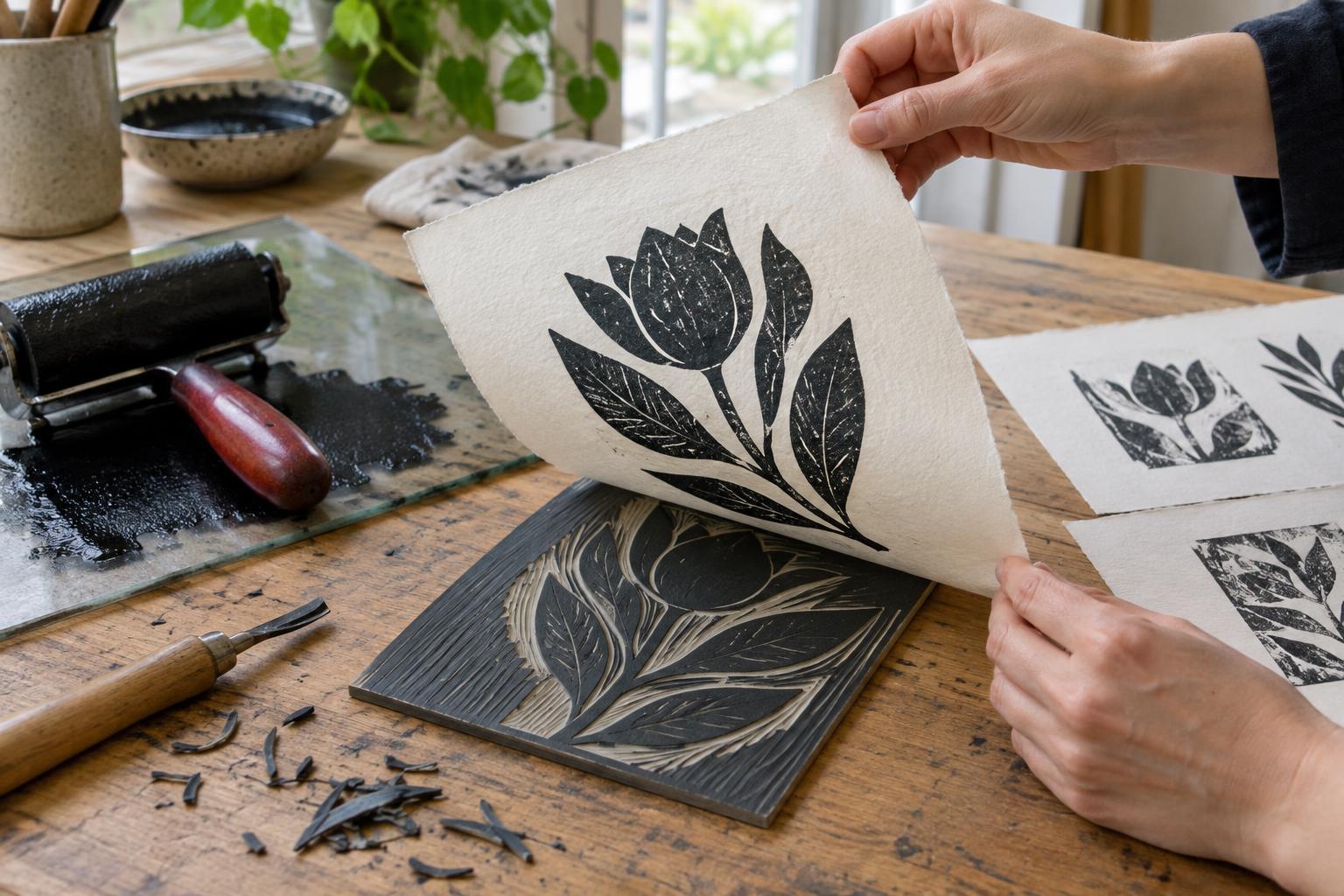
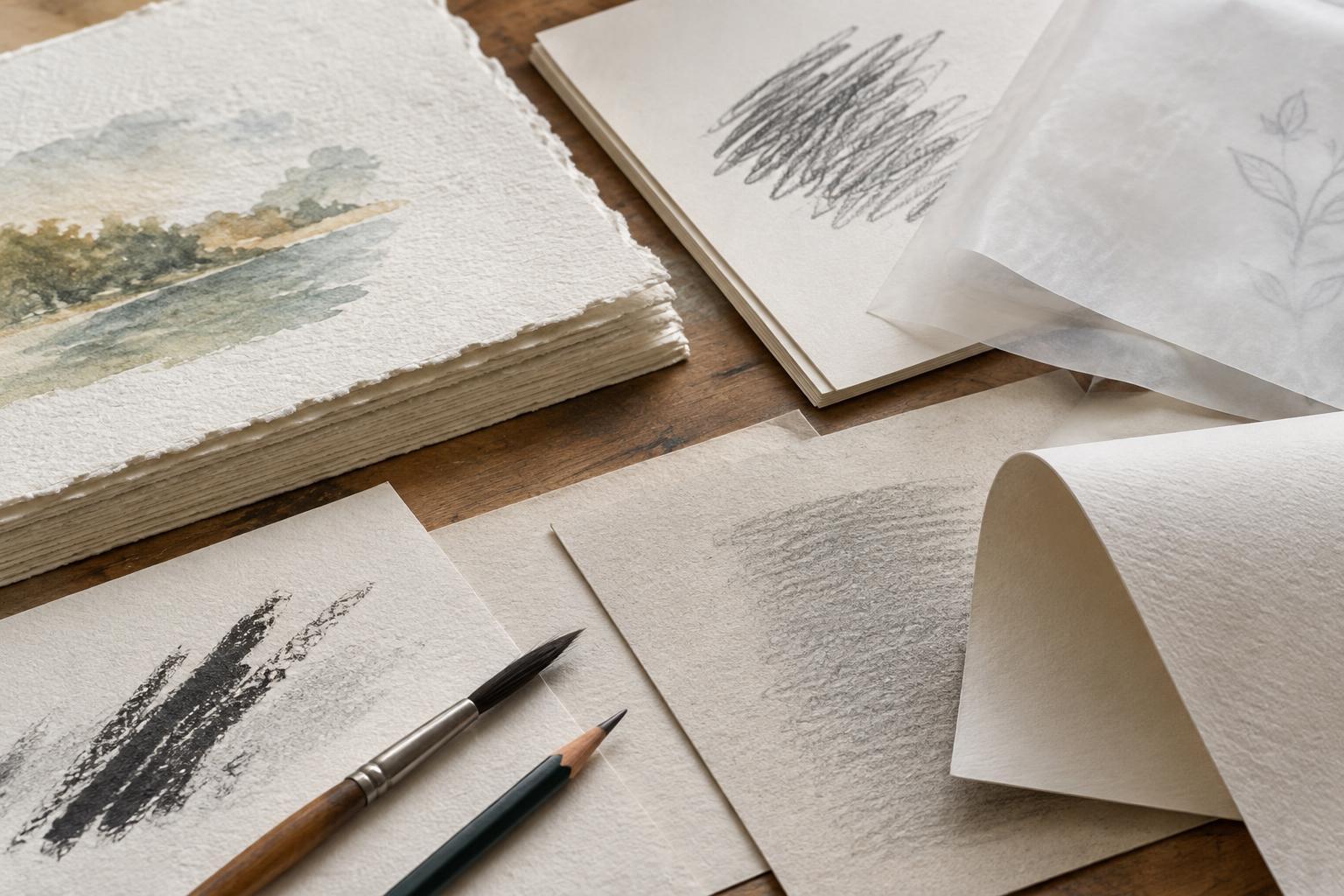
Paper offers a clear example. A durable, well-made sheet may be appropriate for a work expected to survive frequent handling, but newsprint or receipt paper may have a visual character that a more stable substitute cannot reproduce. Paint and ink present similar choices: color, transparency, surface finish and ease of use can matter as much as resistance to fading. If a particular effect is essential, it may be more useful to control exposure than to replace the material outright.
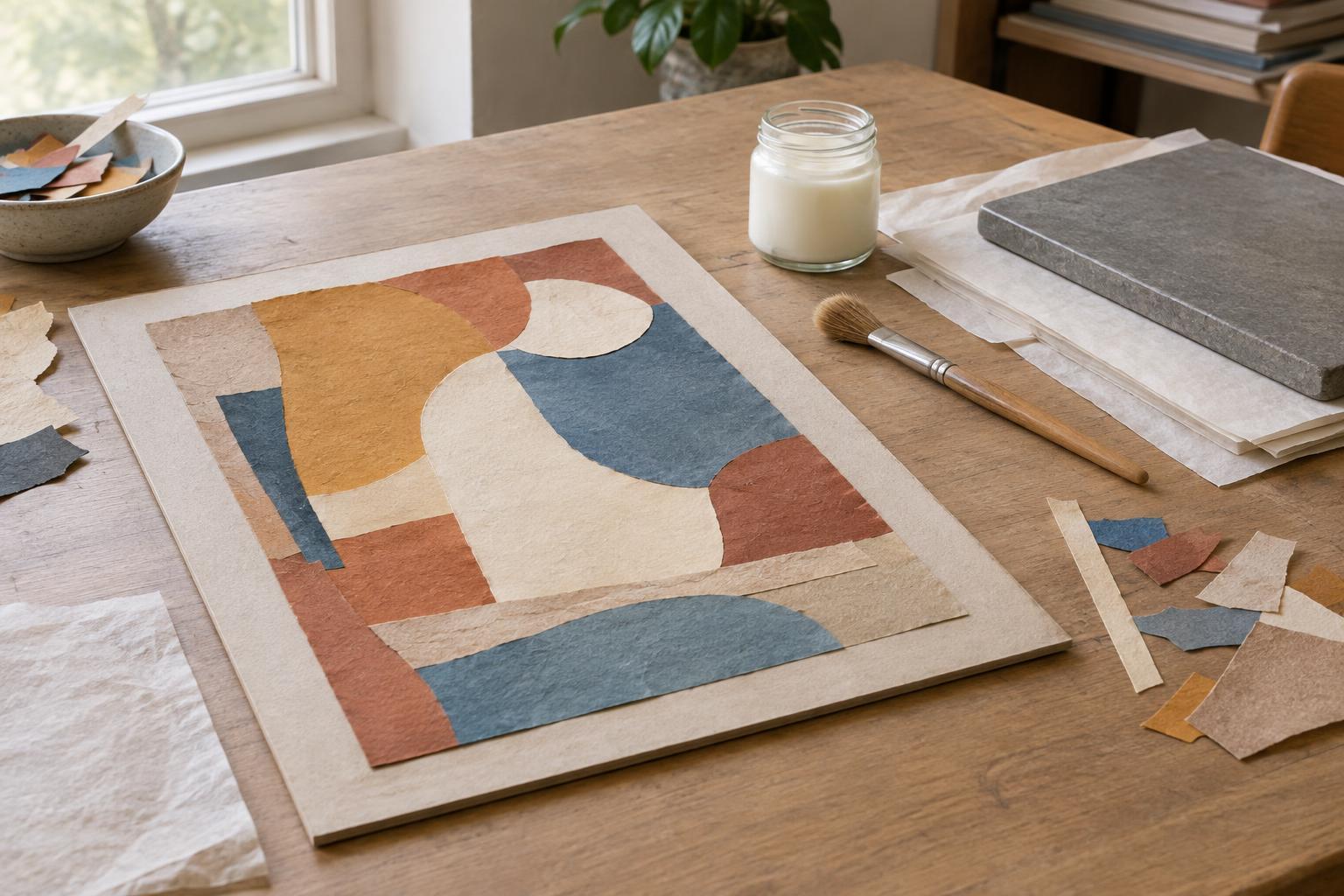
Adhesives, coatings and supports deserve equal attention because they can be difficult to separate from a finished work. An adhesive that holds well at first might discolor, stiffen or release over time; a coating may change a surface’s sheen or trap unwanted moisture. For assemblage or installation, consider how parts meet, whether one material transfers residue to another, and whether a component can be repaired or replaced without remaking the entire piece.
Test in the form the work will actually take
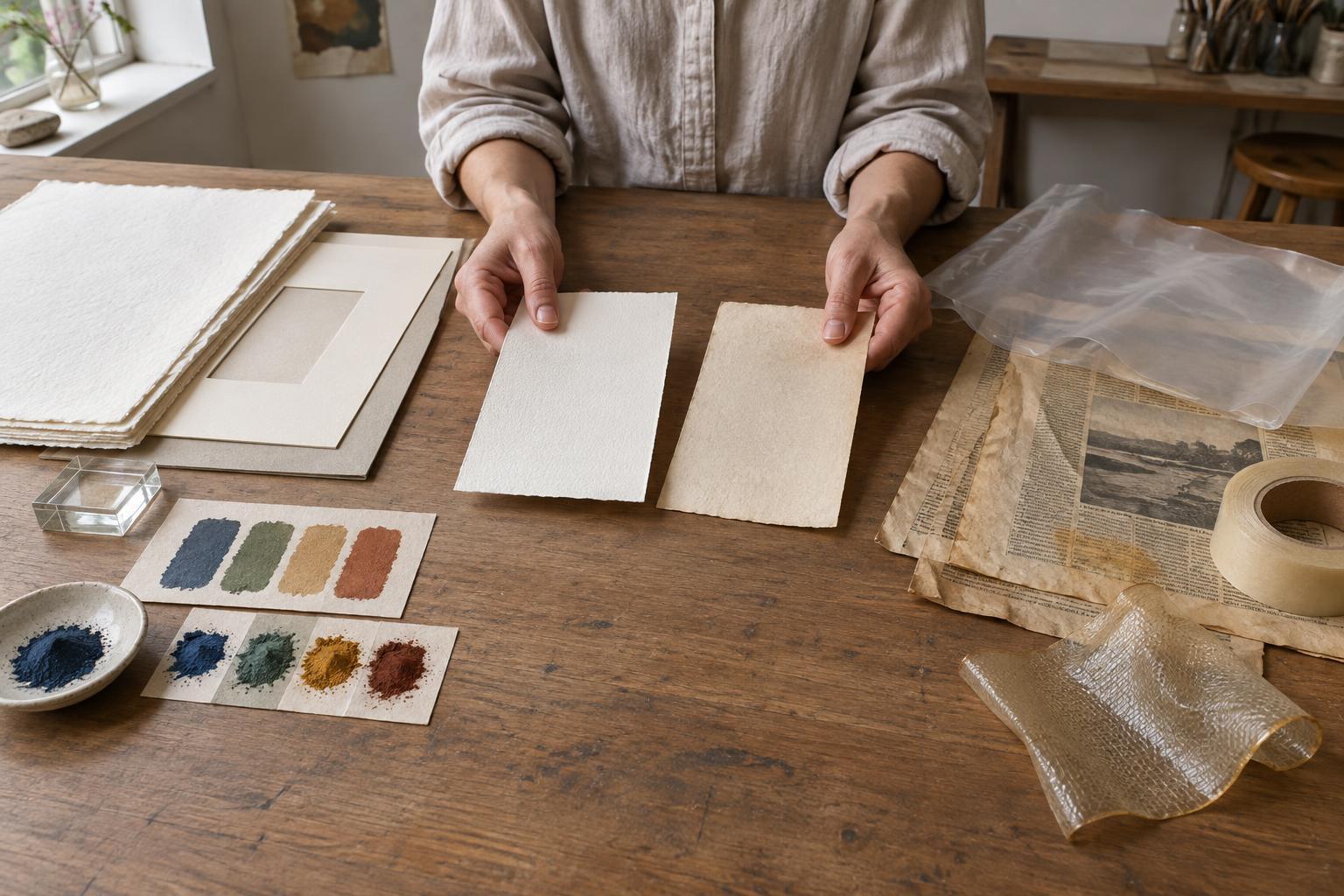
A small sample can reveal problems that a product label cannot. Try the intended material combination on an offcut, using the same layering, thickness and drying process planned for the work. Check whether colors shift, surfaces buckle, joints hold and finishes look right under the lighting you expect to use. A sample will not predict decades of aging, but it can catch immediate incompatibilities and help compare alternatives.
For installations, test assembly and removal as well as appearance. A component may be easy to attach in a studio and awkward to secure on site. A lightweight substitute might solve a handling problem while changing the work’s presence in space. Record the materials and methods used in successful tests, including any changes made along the way. This modest documentation makes later repairs, remakes or conversations about the work more informed.
Plan for care without removing the possibility of change
Once the work is complete, its surroundings become part of the material decision. Thoughtful packing, clean handling, suitable supports and attention to light and moisture can help reduce avoidable damage. These measures are especially useful when a work combines stable and less stable elements: the goal may be to slow unwanted change, not to prevent every trace of aging.
A brief materials note can clarify that goal. List significant components, describe any known vulnerabilities and distinguish intended changes from damage you would prefer to avoid. If an element is meant to be replaced, say so and explain what qualities the replacement should retain. Choosing between archival and non-archival materials is rarely a single yes-or-no decision. It is an ongoing balance among how a work looks, what it means, how it is used and how much change it can accommodate.