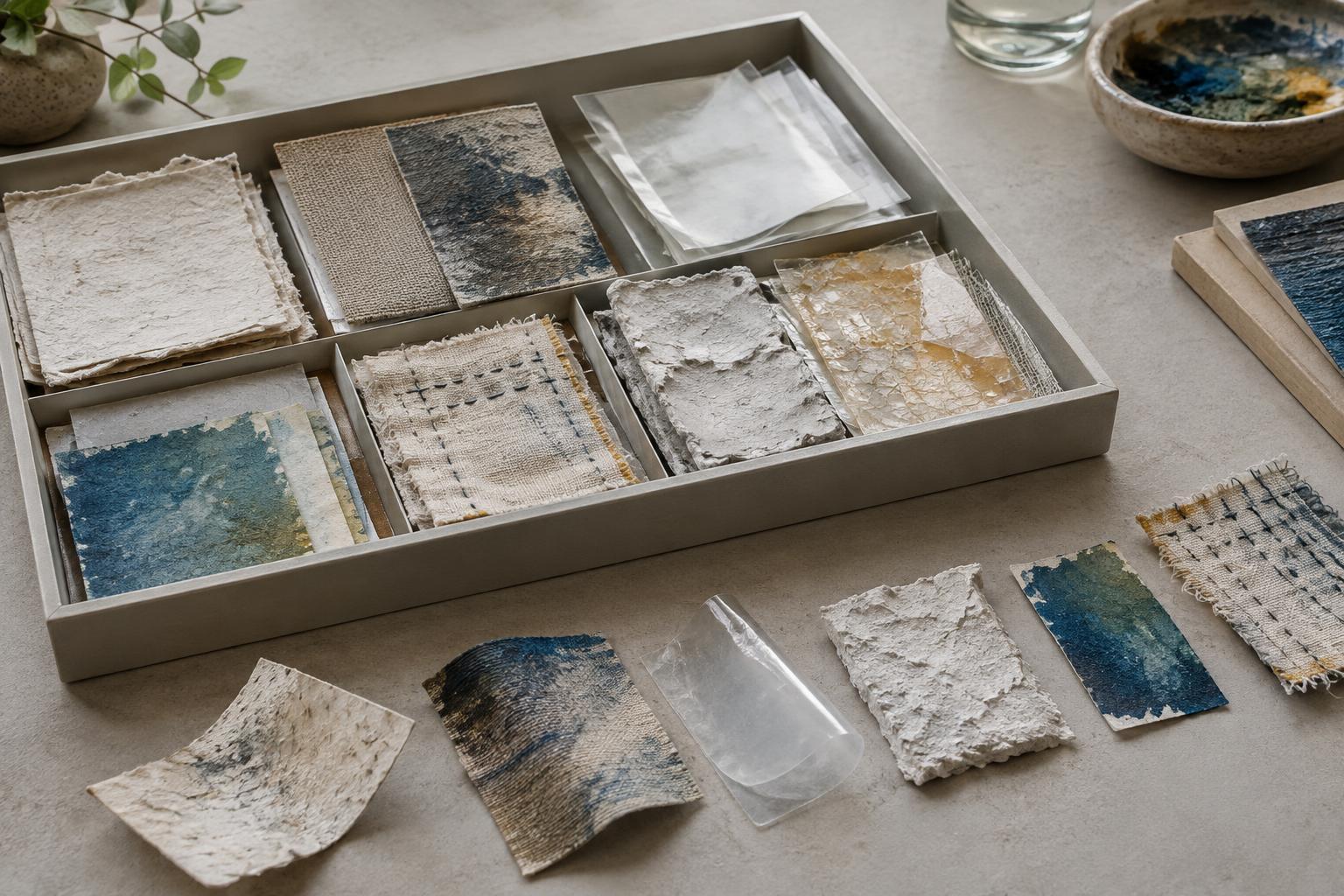
Materials and MethodsA small, organized collection of material tests can make studio decisions easier. Learn how to compare combinations, record what happened and keep useful samples without turning experimentation into paperwork.
Read article · 4 min↗

Materials and MethodsA permanent bond is not always the best way to assemble an artwork. Learn how to plan removable connections for mixed-media pieces, test their limits, and make installation and storage easier.
Read article · 4 min↗
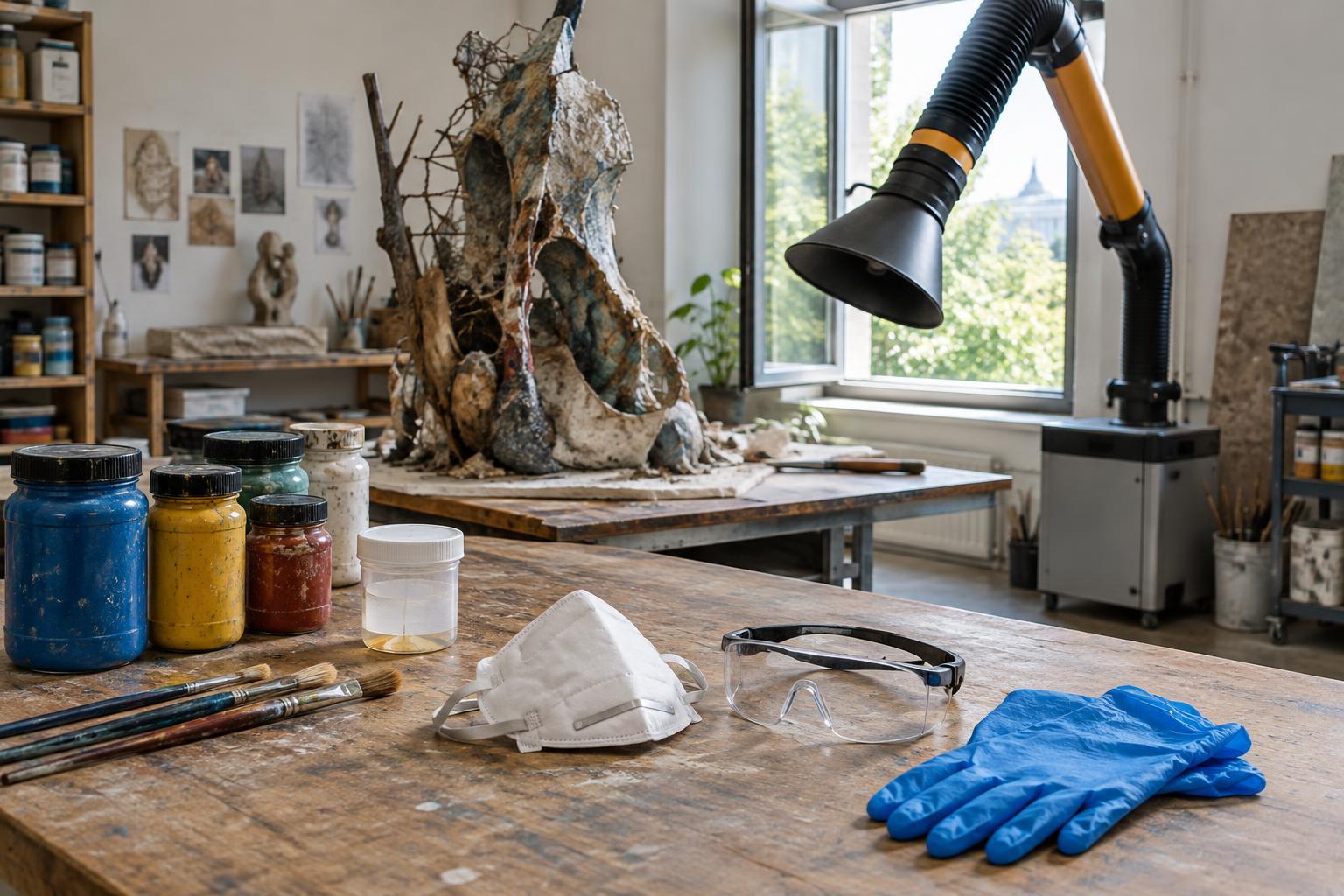
Materials and MethodsPaints, powders, adhesives and sprays create different studio exposures. Learn how to match ventilation, work habits and protective equipment to the material and the task.
Read article · 4 min↗
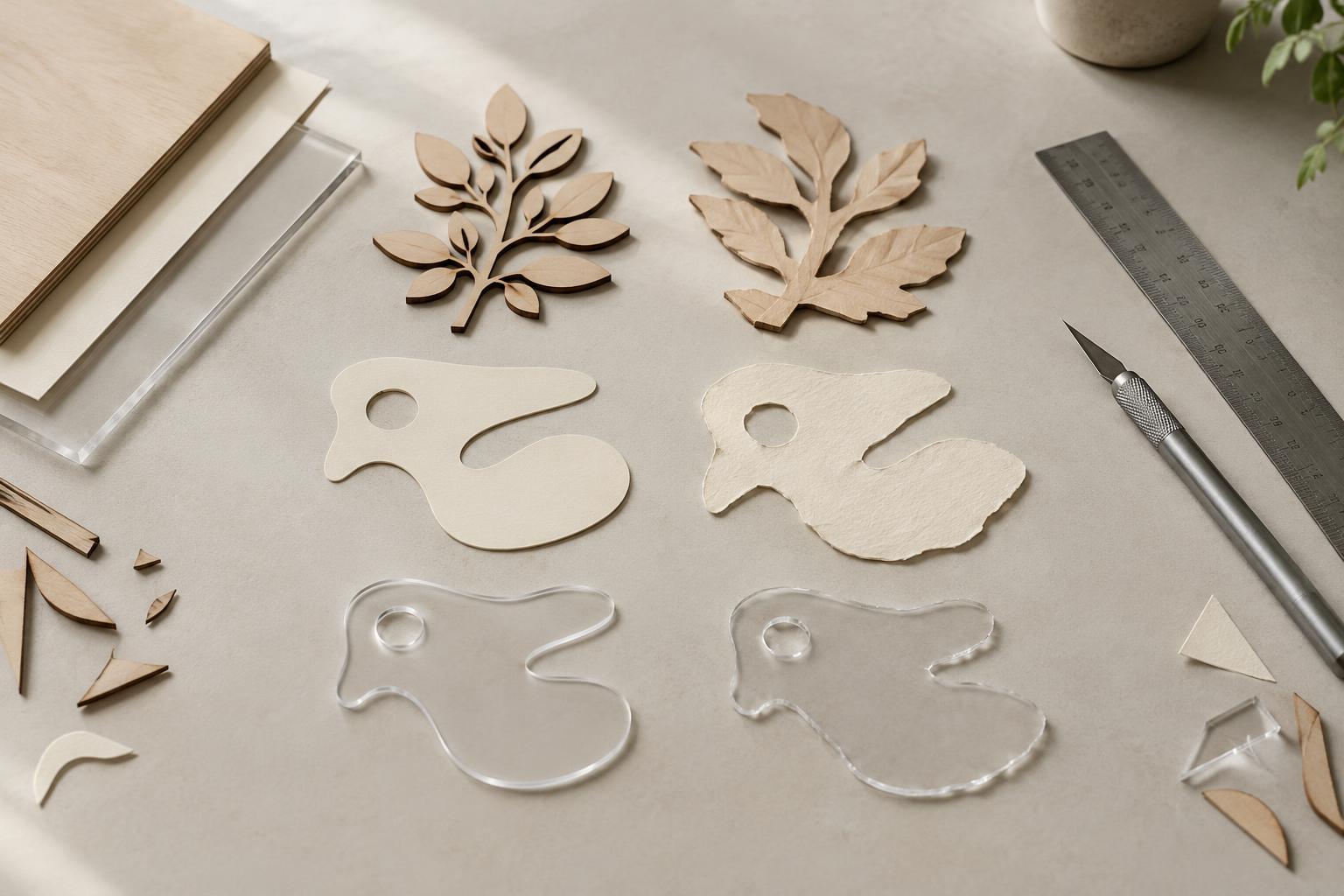
Materials and MethodsA clean edge is not always the right edge. Compare laser and hand cutting for common studio materials, and learn how each method affects detail, surface character and the way a work is assembled.
Read article · 4 min↗
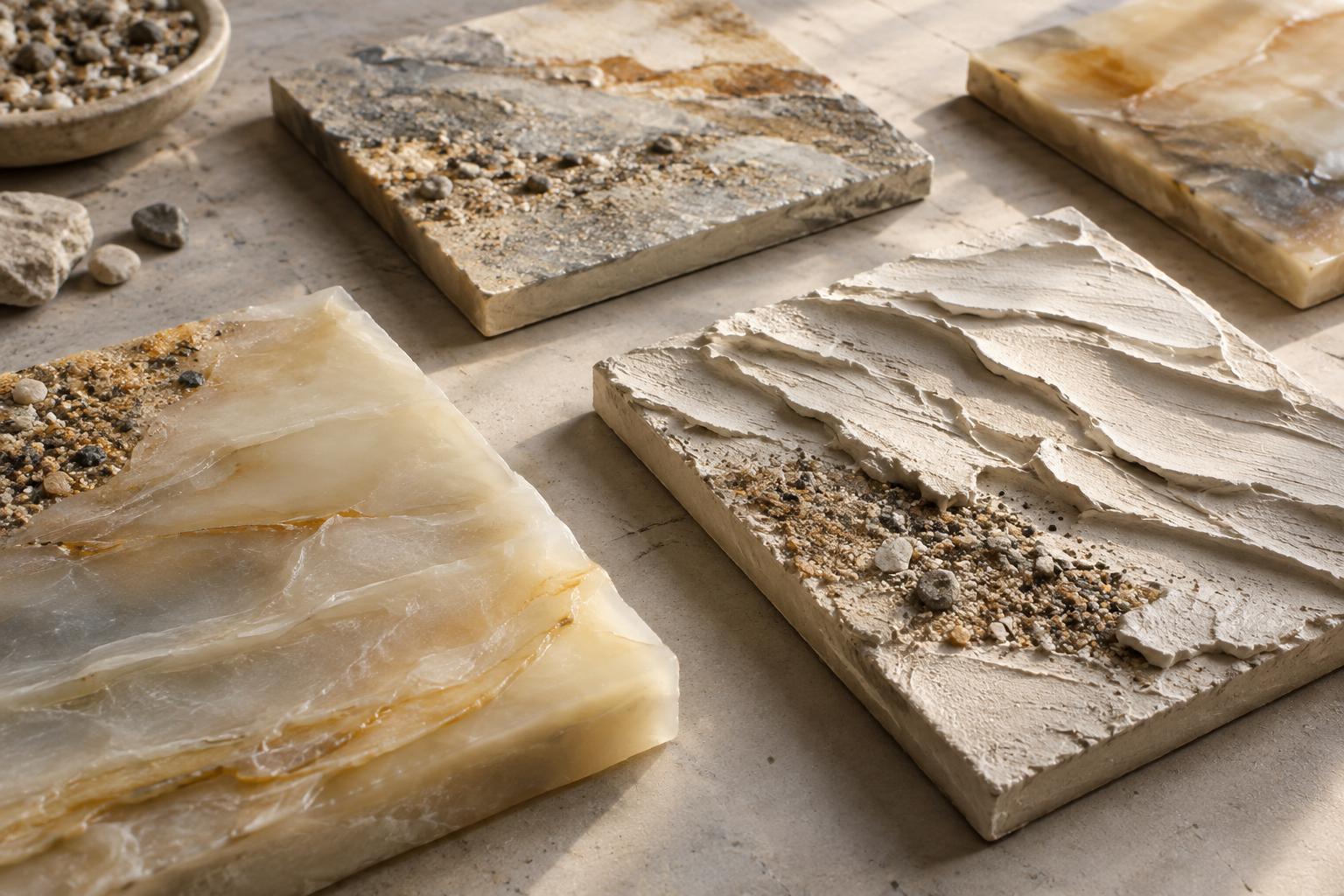
Materials and MethodsWax, paste and aggregate offer different ways to build a tactile art surface. Learn how each material behaves, how to combine them in small tests, and how light and viewing distance can guide your choices.
Read article · 4 min↗
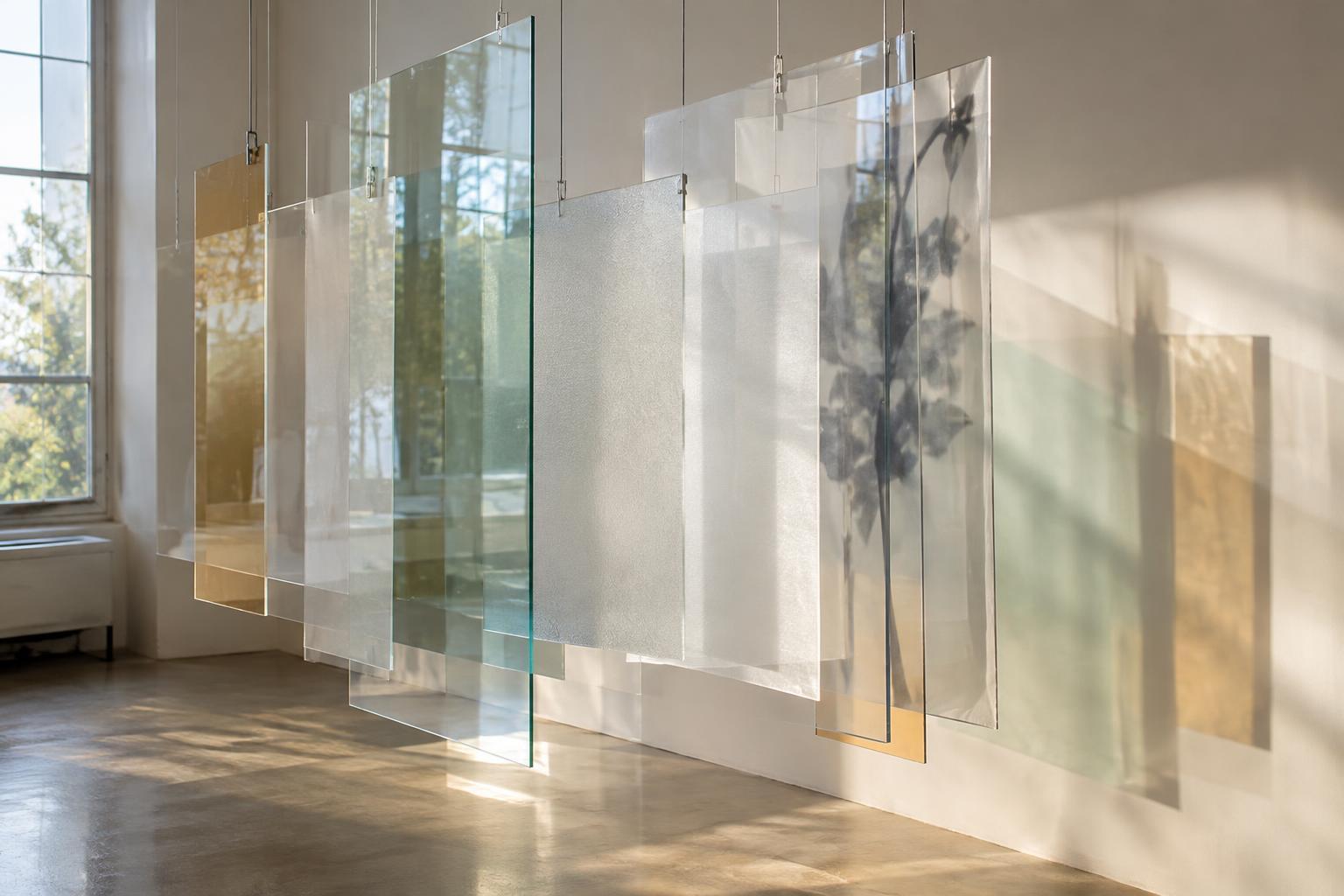
Materials and MethodsTransparent materials do more than reveal what sits behind them. They can soften an image, interrupt a view or bring the surrounding space into a work. This guide explores practical ways to test layers, control opacity and use reflections in contemporary art.
Read article · 4 min↗
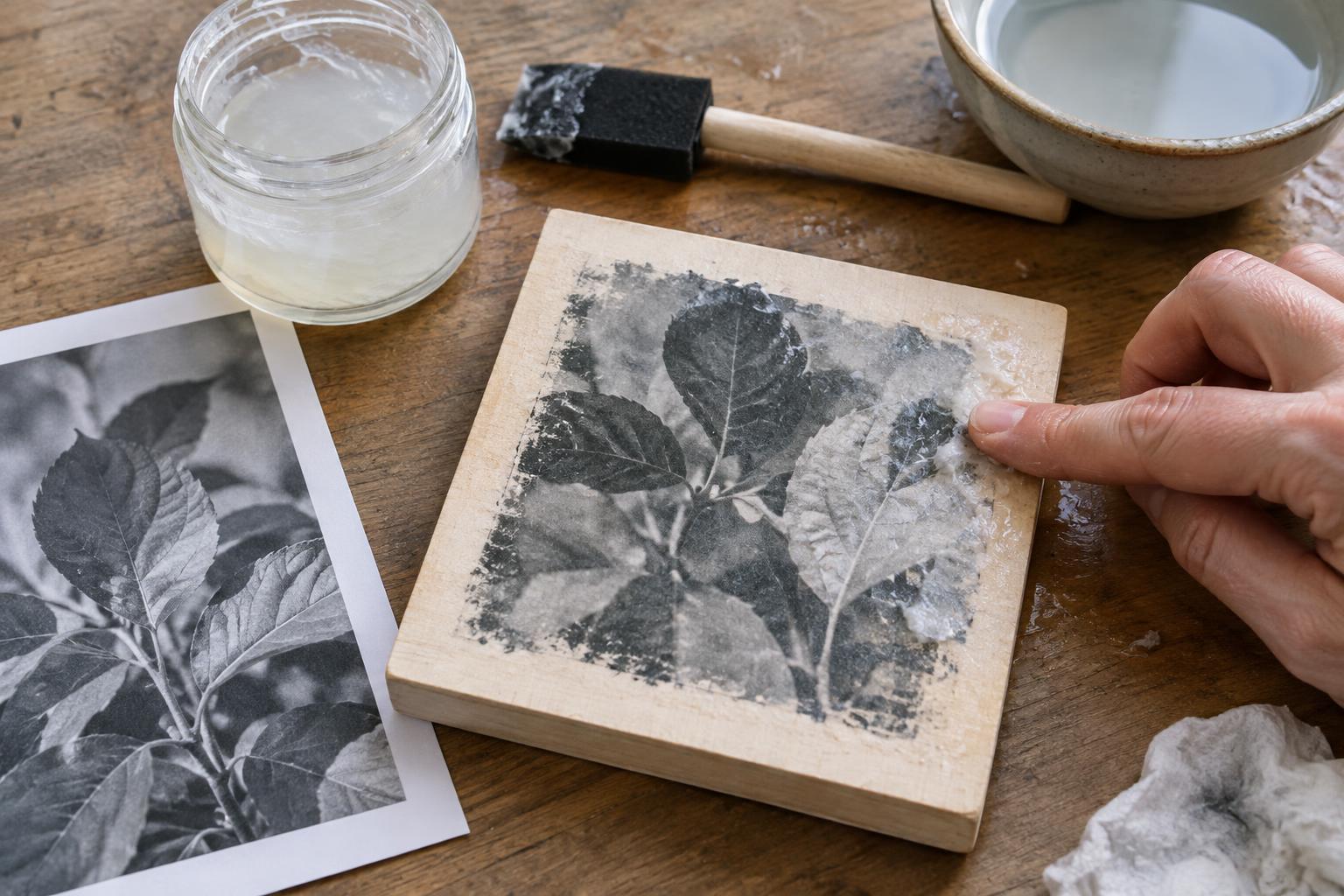
Materials and MethodsImage transfer can move a photograph, drawing or fragment of text from paper onto wood, canvas or another prepared surface. This guide explains a beginner-friendly acrylic gel method, how to prepare a print, and what to do when the result is cloudy or incomplete.
Read article · 4 min↗
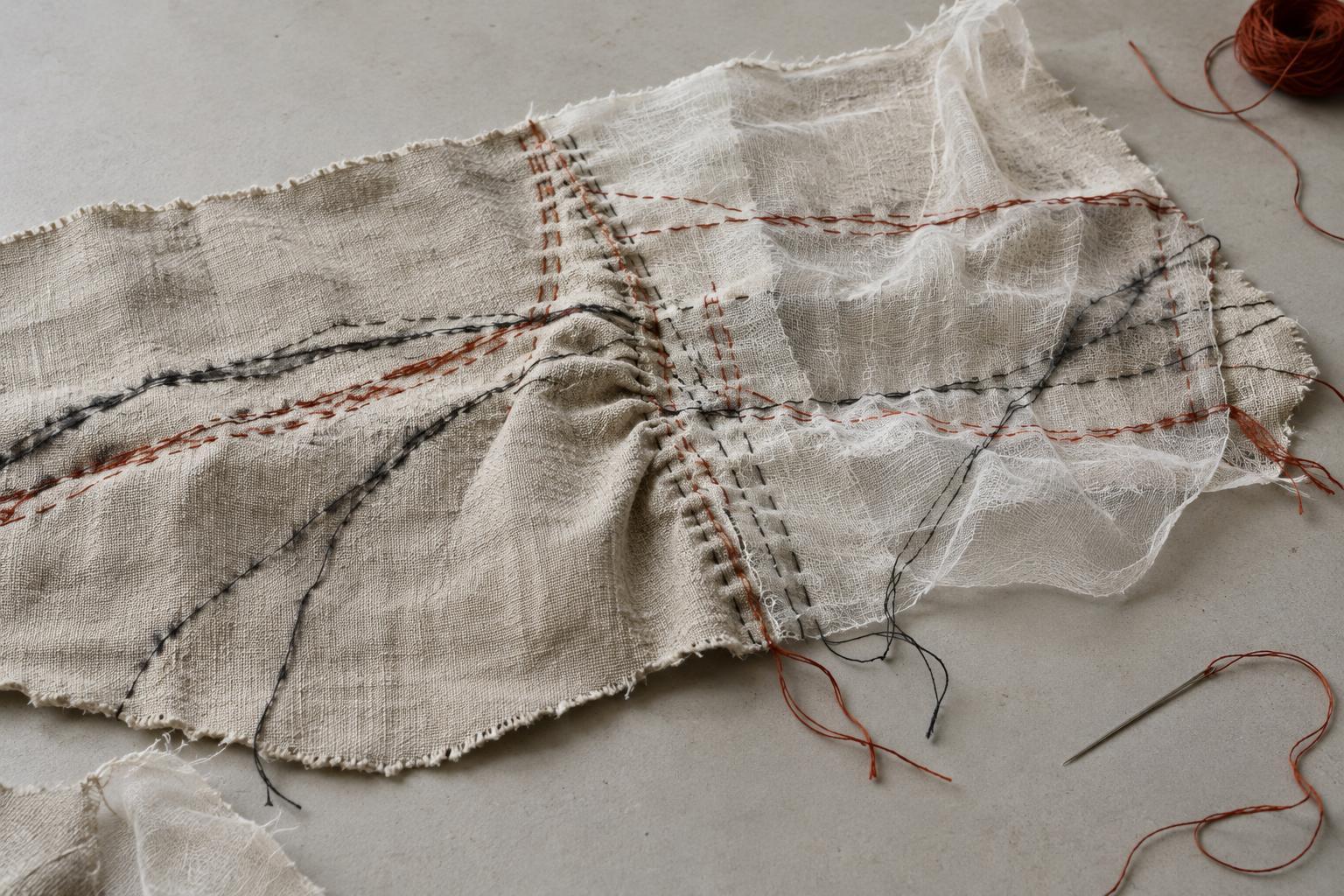
Materials and MethodsA stitch can hold materials together, draw a line across a surface or make strain visible. This guide explores how artists can use thread, spacing and tension to shape an artwork.
Read article · 4 min↗
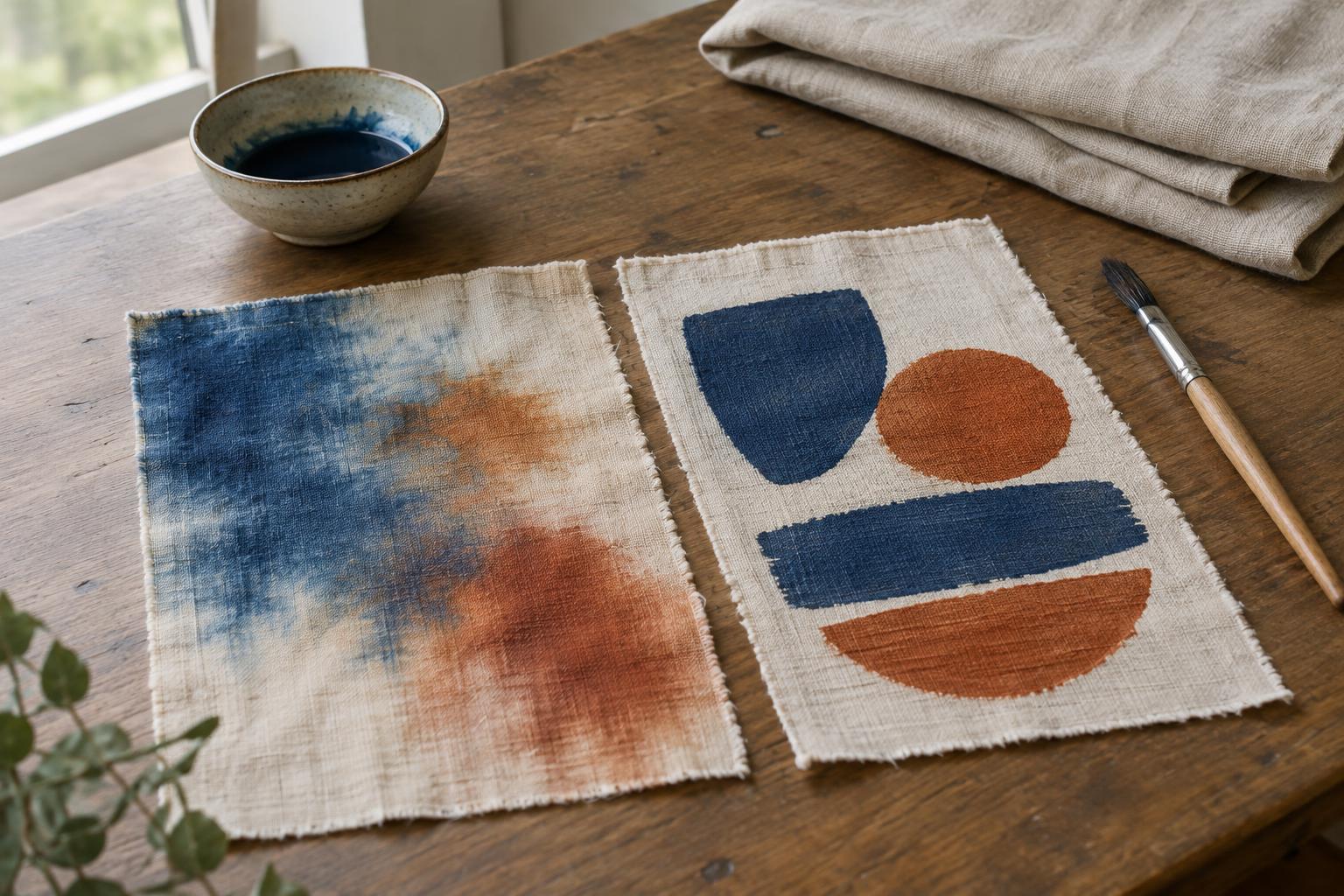
Materials and MethodsFabric dye and fabric paint can produce very different surfaces, even when the color looks similar. Learn how fiber content, scale, texture and the intended life of an artwork can guide the choice between them.
Read article · 4 min↗
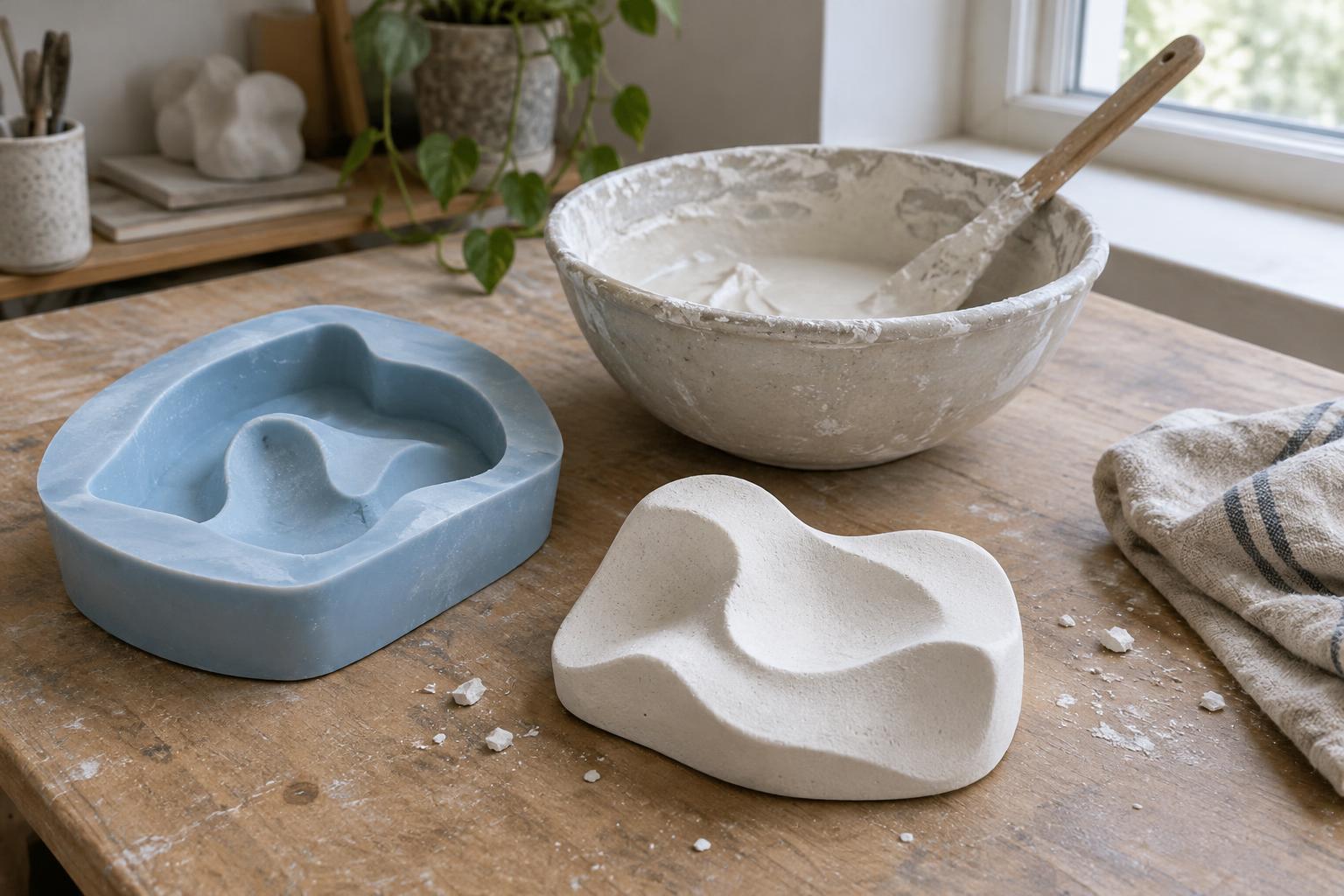
Materials and MethodsA practical introduction to casting plaster for art objects, from choosing a mold and mixing a small batch to releasing the finished form. Learn how surface texture, undercuts and timing affect the result.
Read article · 4 min↗
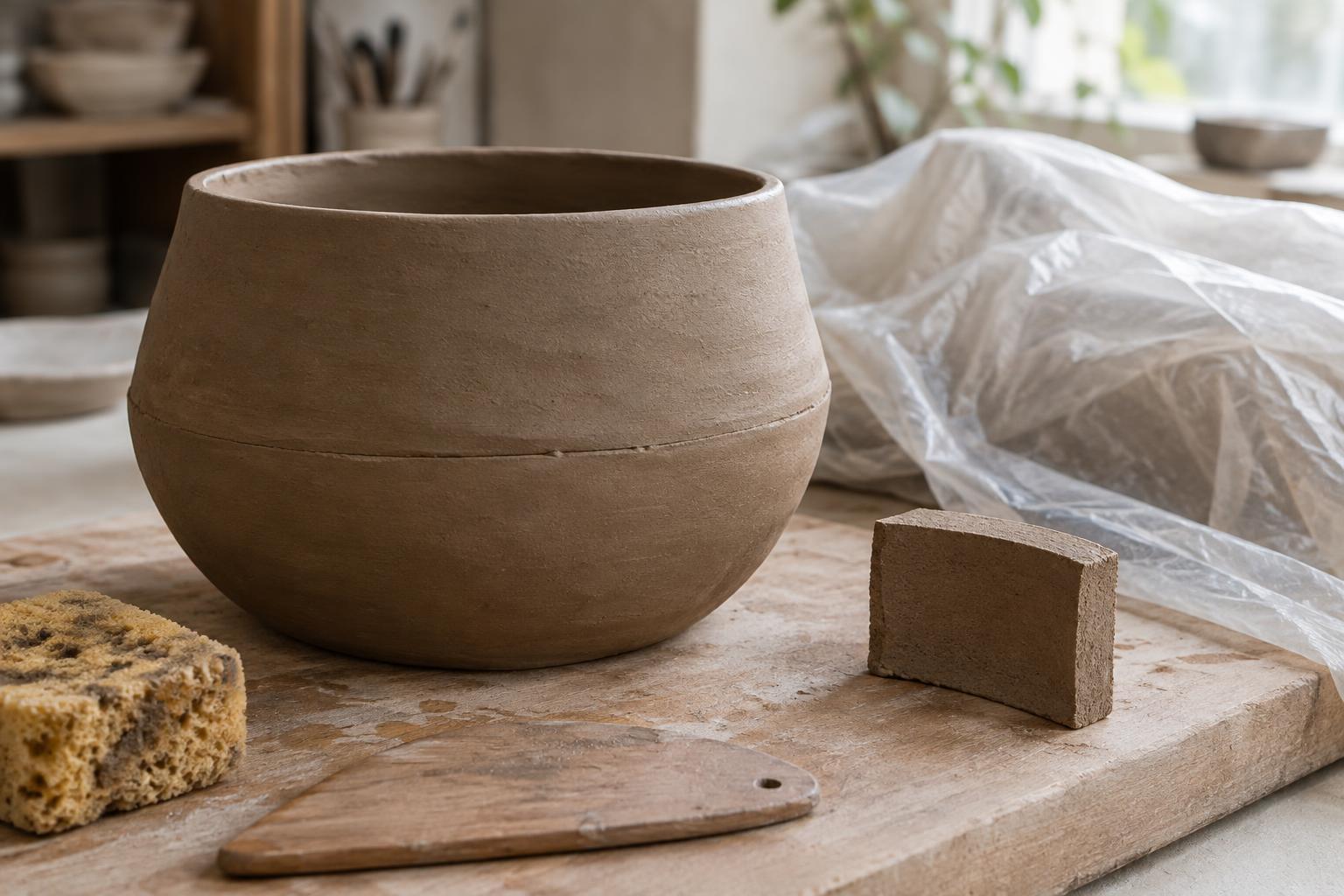
Materials and MethodsThickness and drying shape how a hand-built clay form holds together. Learn practical ways to build even walls, make reliable joins and slow uneven drying while leaving room for experimentation.
Read article · 4 min↗
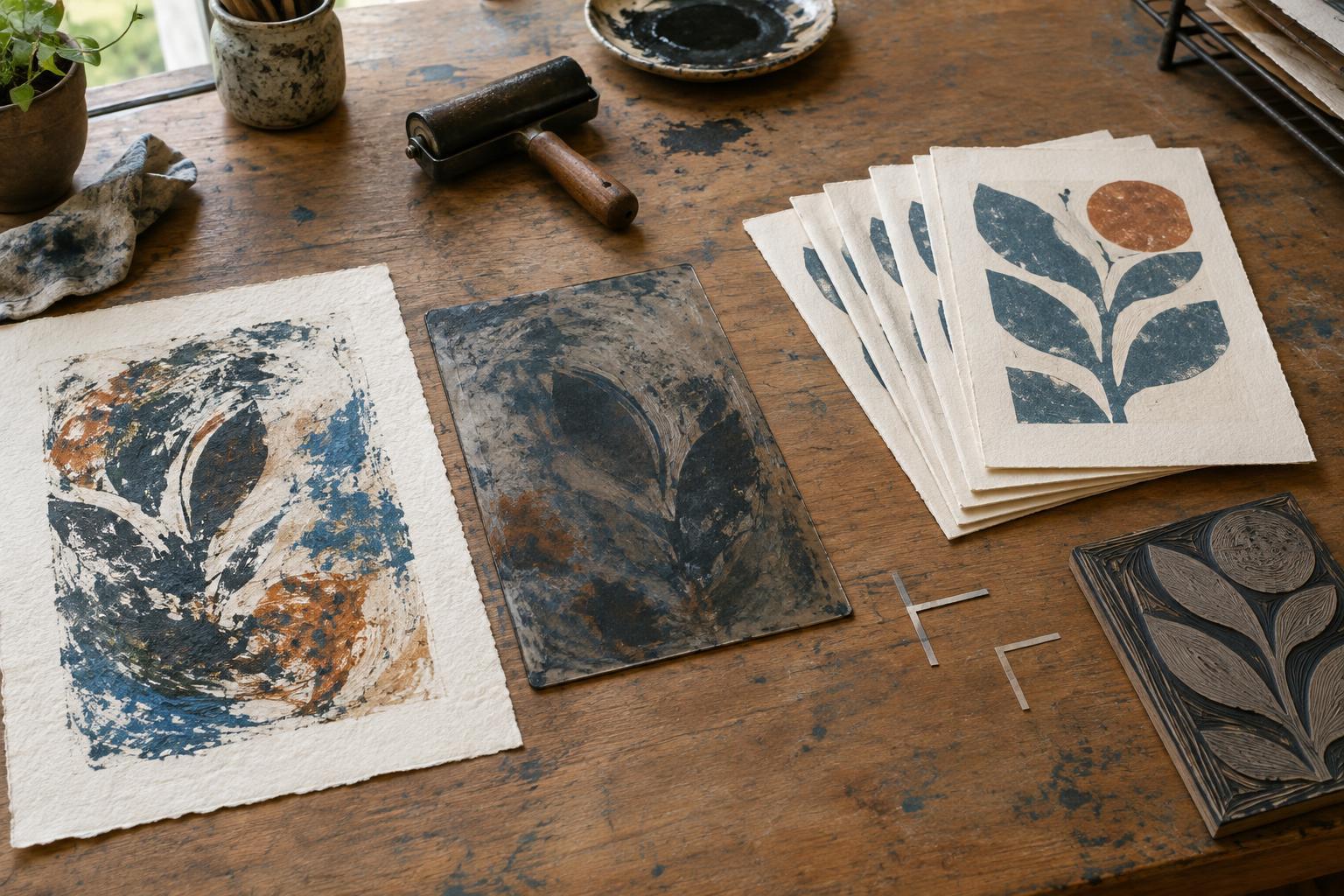
Materials and MethodsMonoprinting and editioned printmaking can use similar tools, but they organize repetition differently. Learn how the printing surface, inking, registration and decisions about an edition shape the finished work.
Read article · 4 min↗
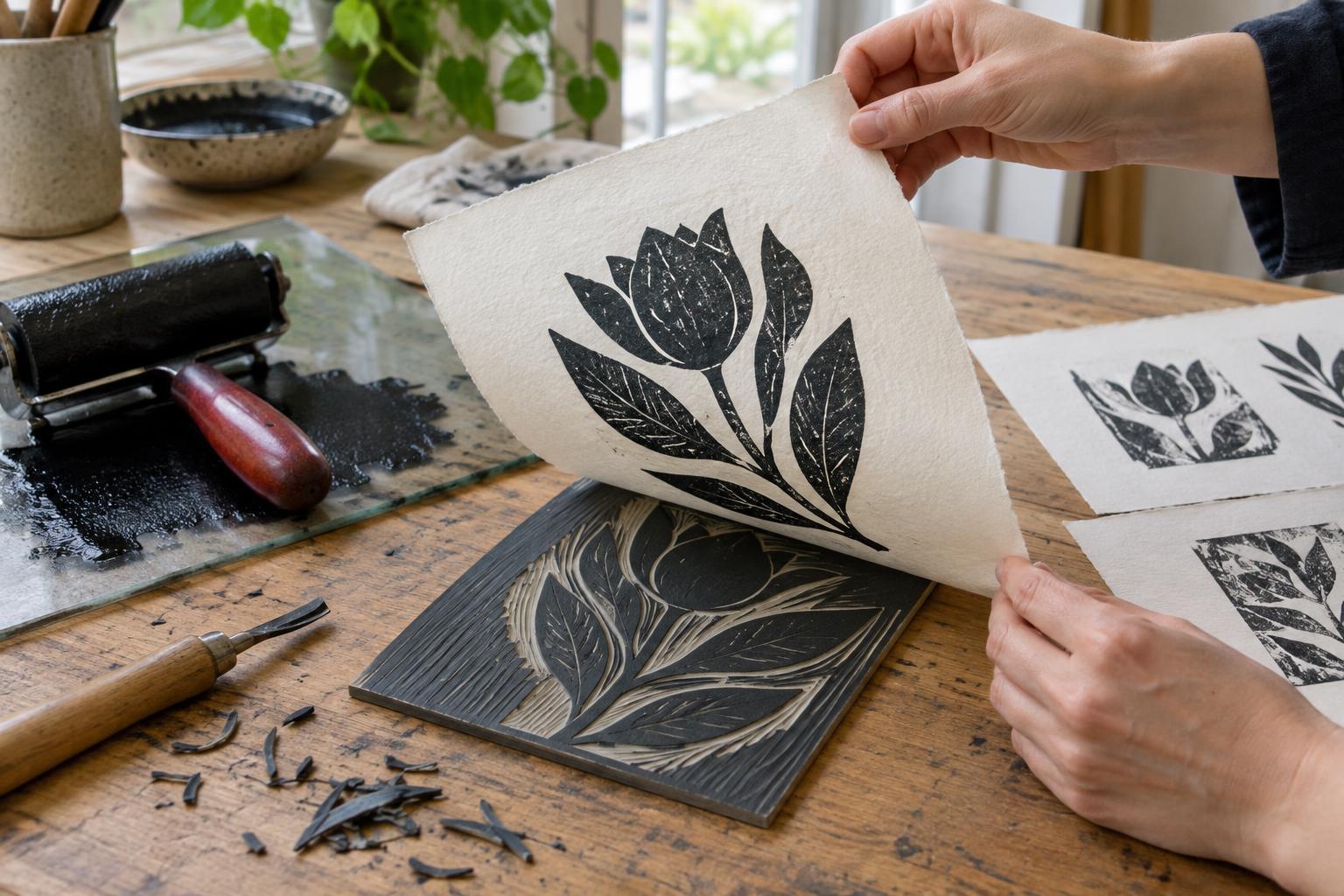
Materials and MethodsRelief printing turns a carved surface into a repeatable image. Learn how to plan a simple block, carve safely, roll out ink, pull a print by hand and use test prints to refine the result.
Read article · 4 min↗
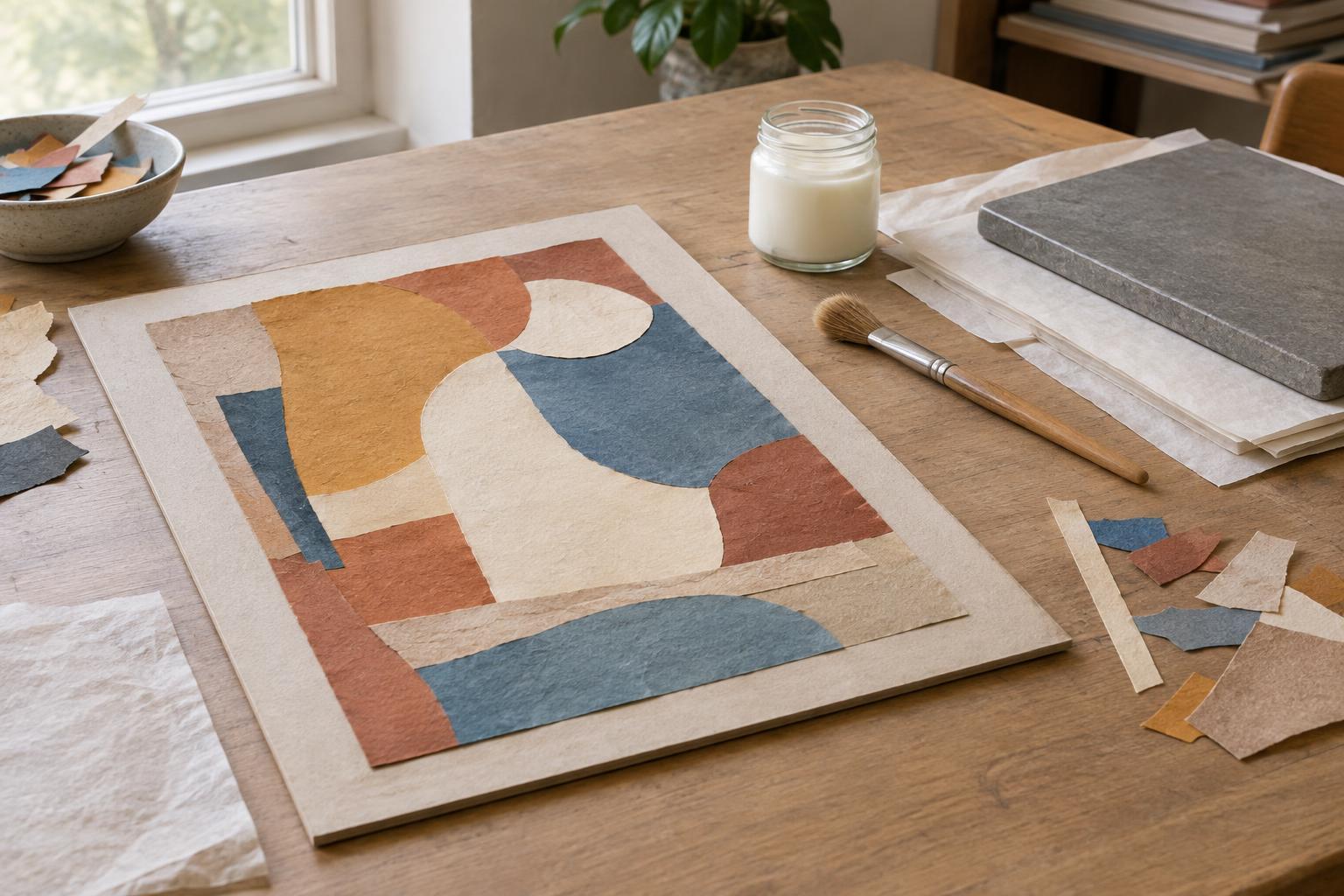
Materials and MethodsBuckling can change the look of a paper collage before the composition is finished. Learn how paper, adhesive and moisture interact, then use simple tests and a controlled drying process to keep the surface flatter.
Read article · 4 min↗
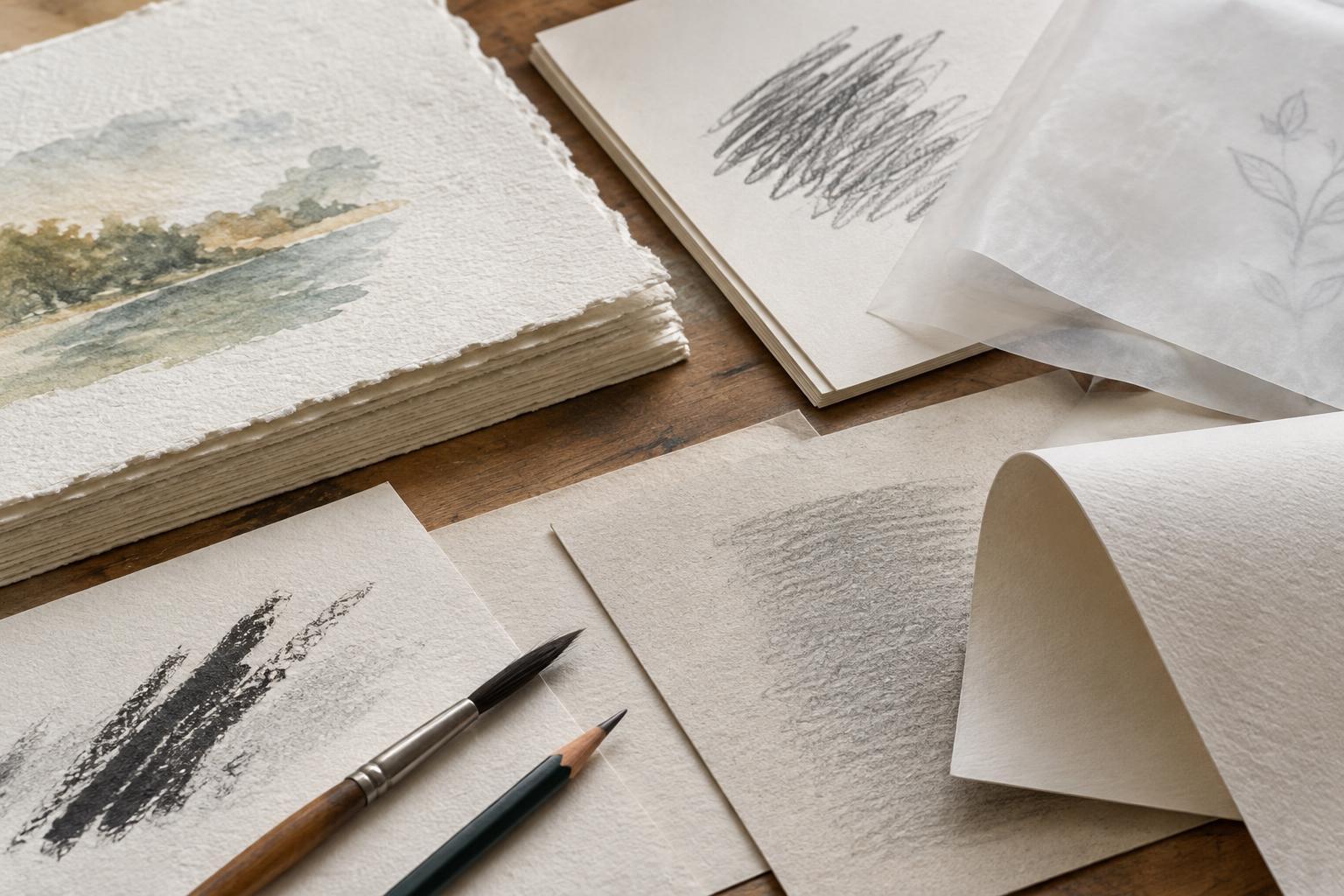
Materials and MethodsPaper is more than a surface to work on. Its weight, texture and grain affect how a sheet takes marks, handles moisture and behaves when folded or displayed. This guide offers practical ways to compare papers and choose one that suits your process.
Read article · 4 min↗
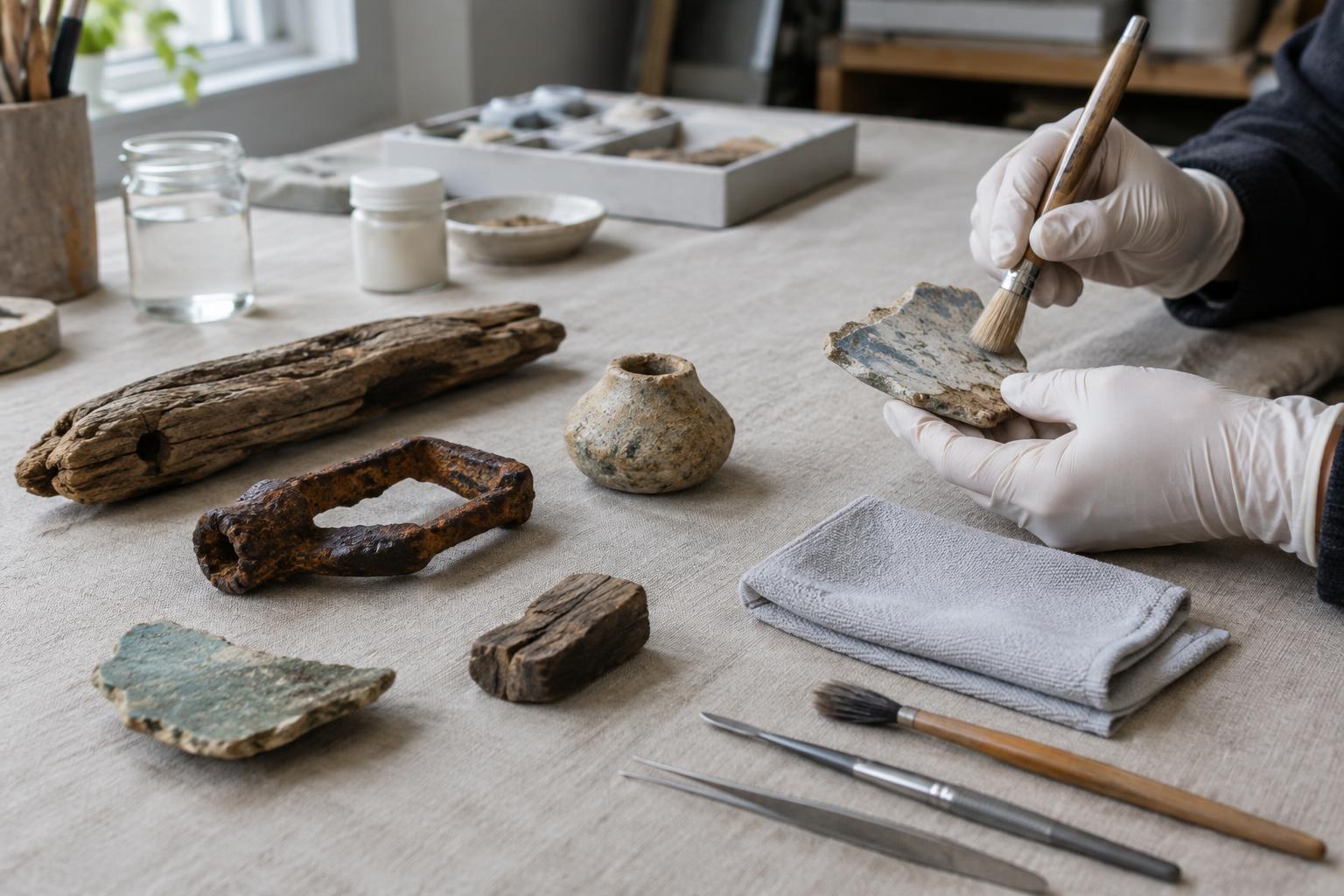
Materials and MethodsFound objects bring traces of earlier lives into an artwork. A careful process of inspection, gentle cleaning and stabilization can help preserve those traces while making the objects easier to handle, assemble and display.
Read article · 4 min↗
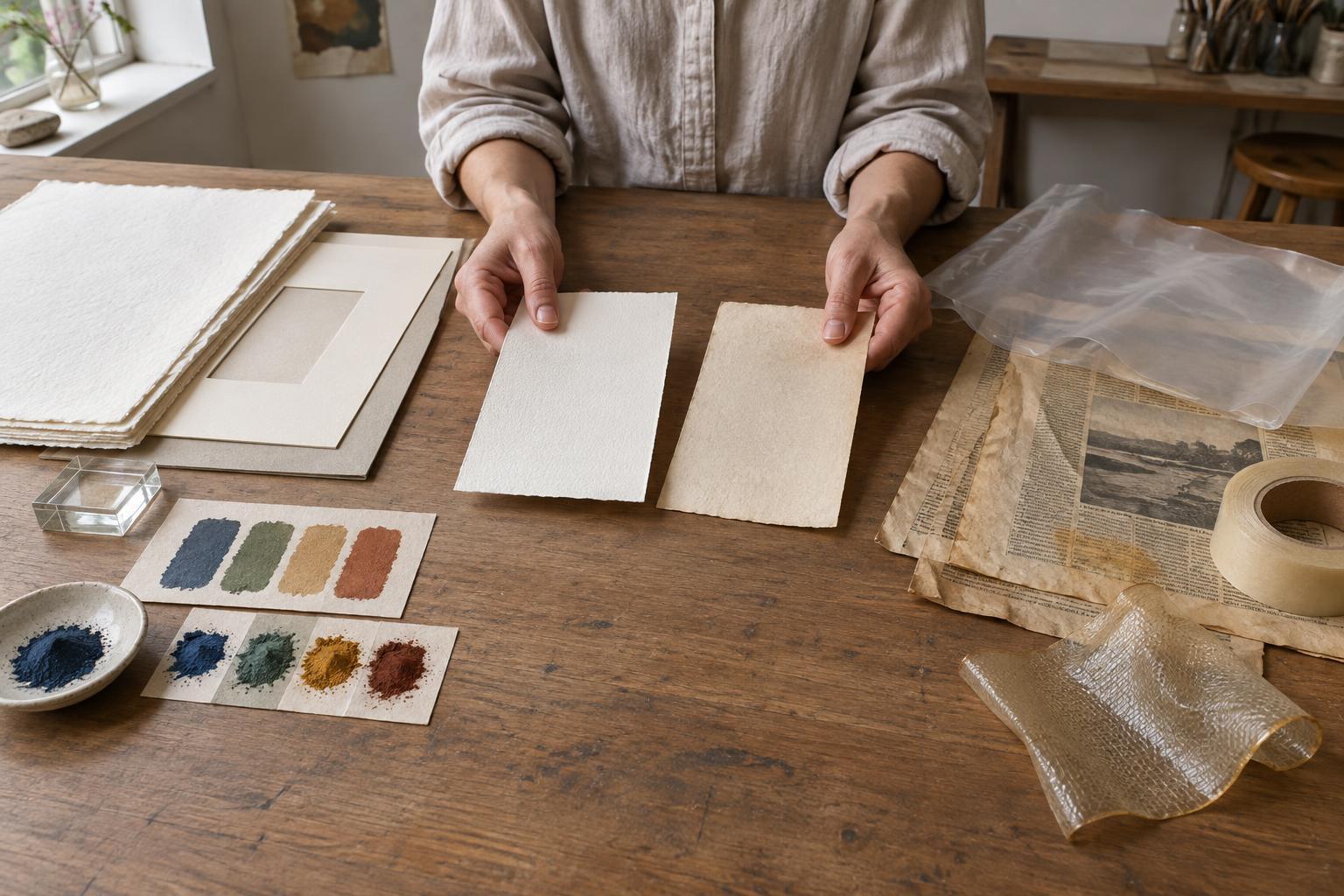
Materials and MethodsArchival materials are often treated as the safest choice, but longevity is only one concern in contemporary art. Learn how to weigh stability, appearance, cost, handling and artistic intent when choosing materials for a work.
Read article · 4 min↗
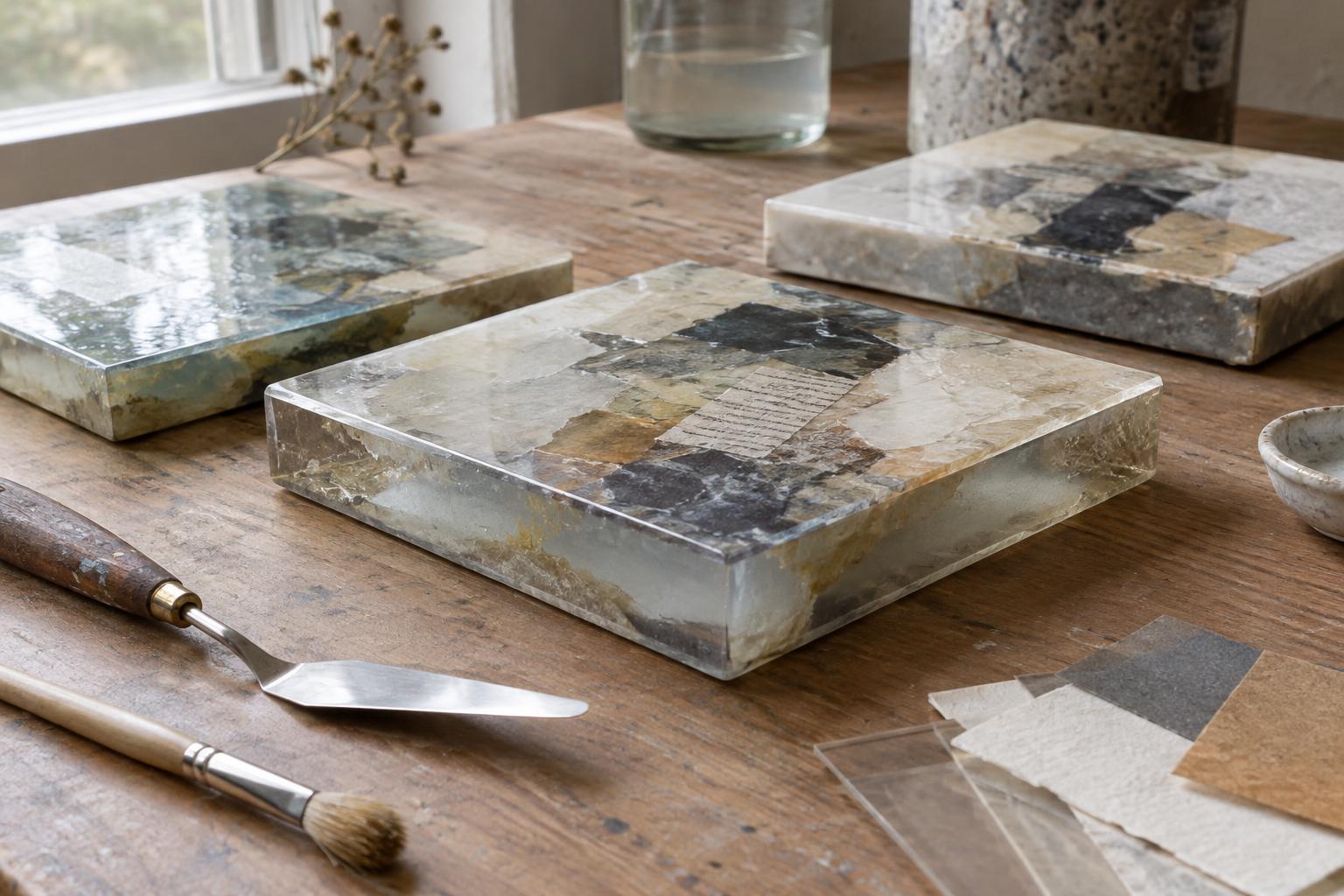
Materials and MethodsA surface can feel dry while the material beneath it is still changing. Understanding the difference between drying and curing helps artists plan layers, choose compatible materials, and avoid preventable problems in mixed-media work.
Read article · 4 min↗
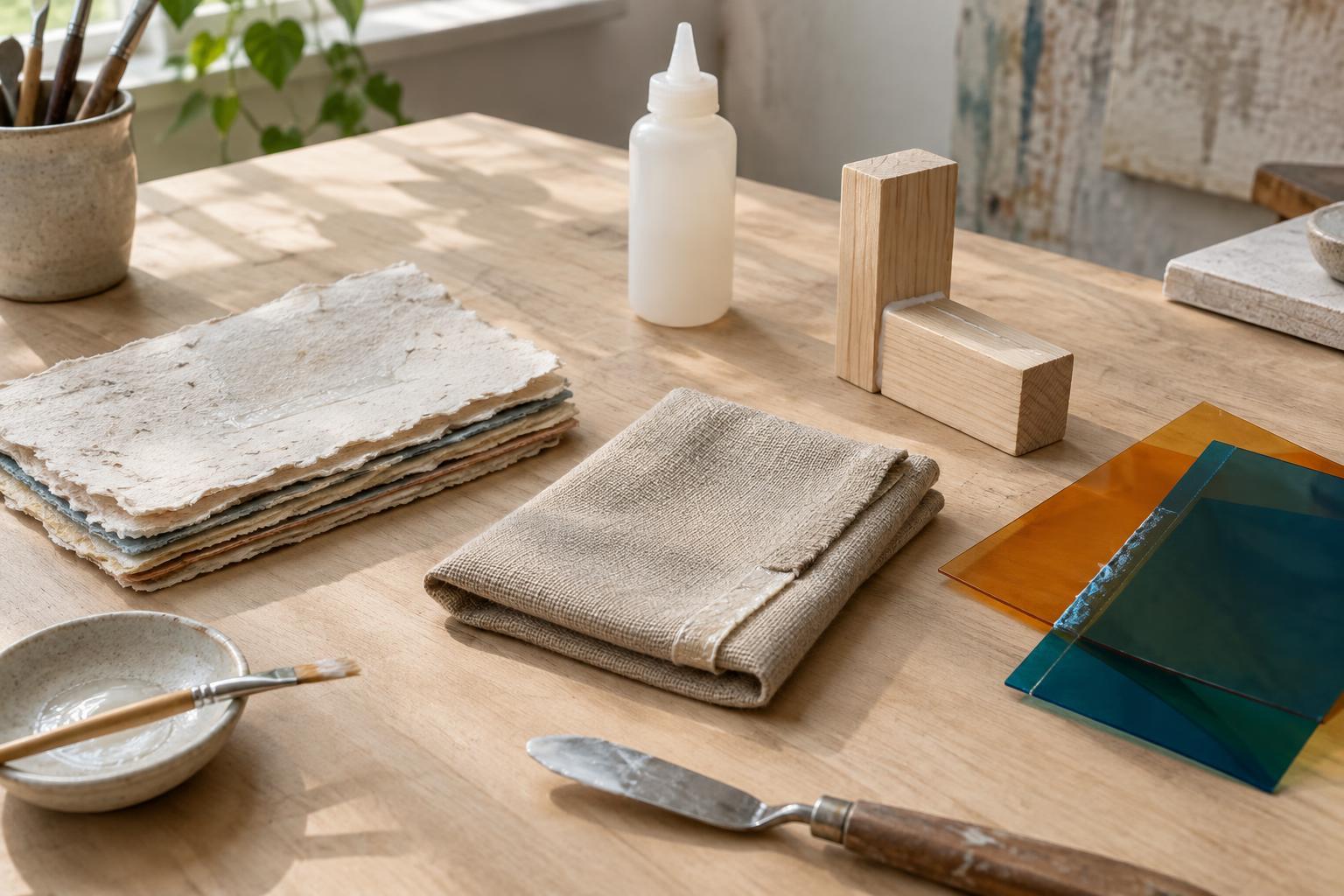
Materials and MethodsAn adhesive is part of an artwork’s structure, even when the bond is invisible. Learn how to choose one by considering the materials, the kind of join you need, surface preparation, drying time and the possibility of future changes.
Read article · 4 min↗
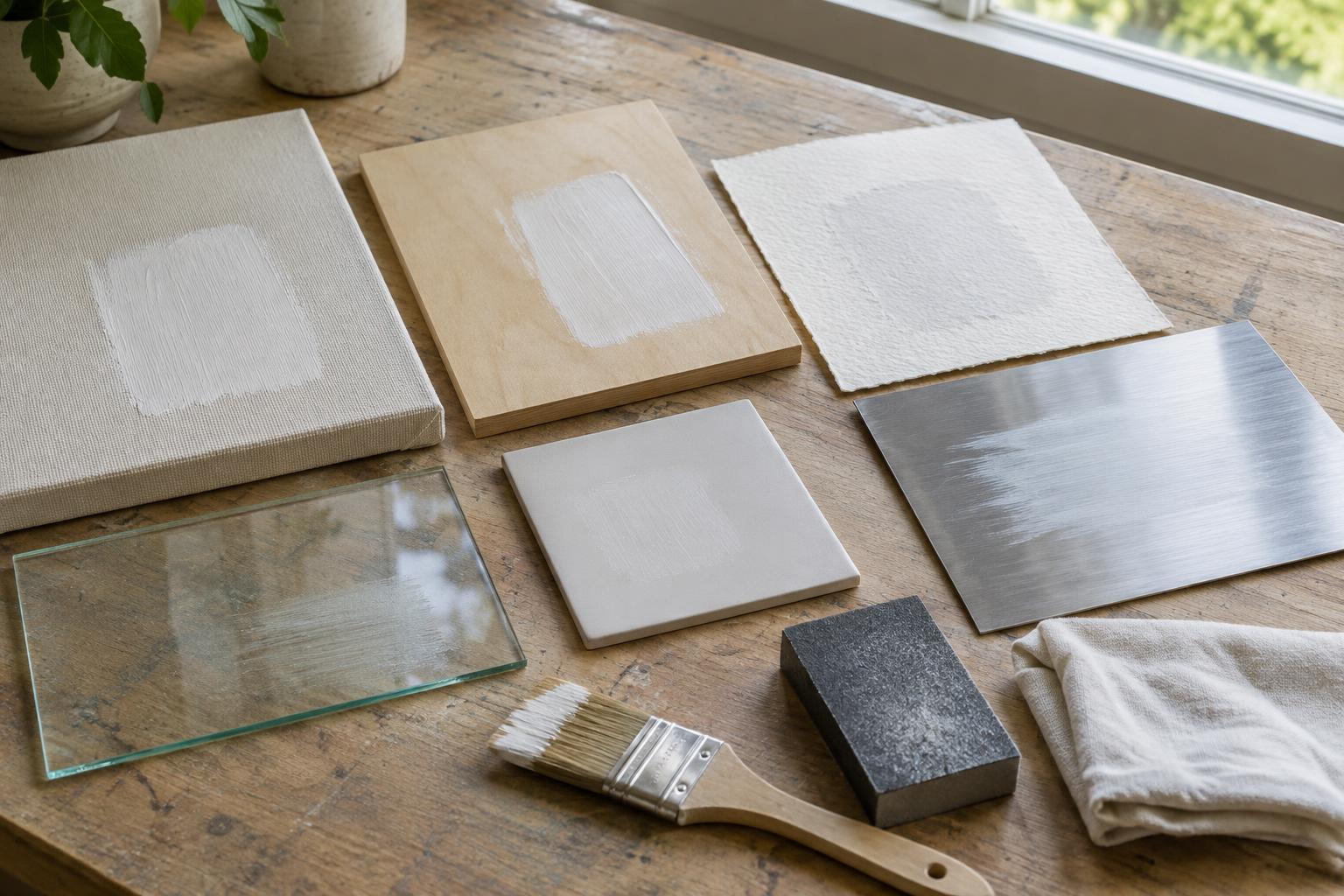
Materials and MethodsA painted surface begins with what lies beneath the color. Learn how absorbency, cleanliness and texture shape preparation choices for canvas, wood, paper, metal, glass and plastic.
Read article · 4 min↗
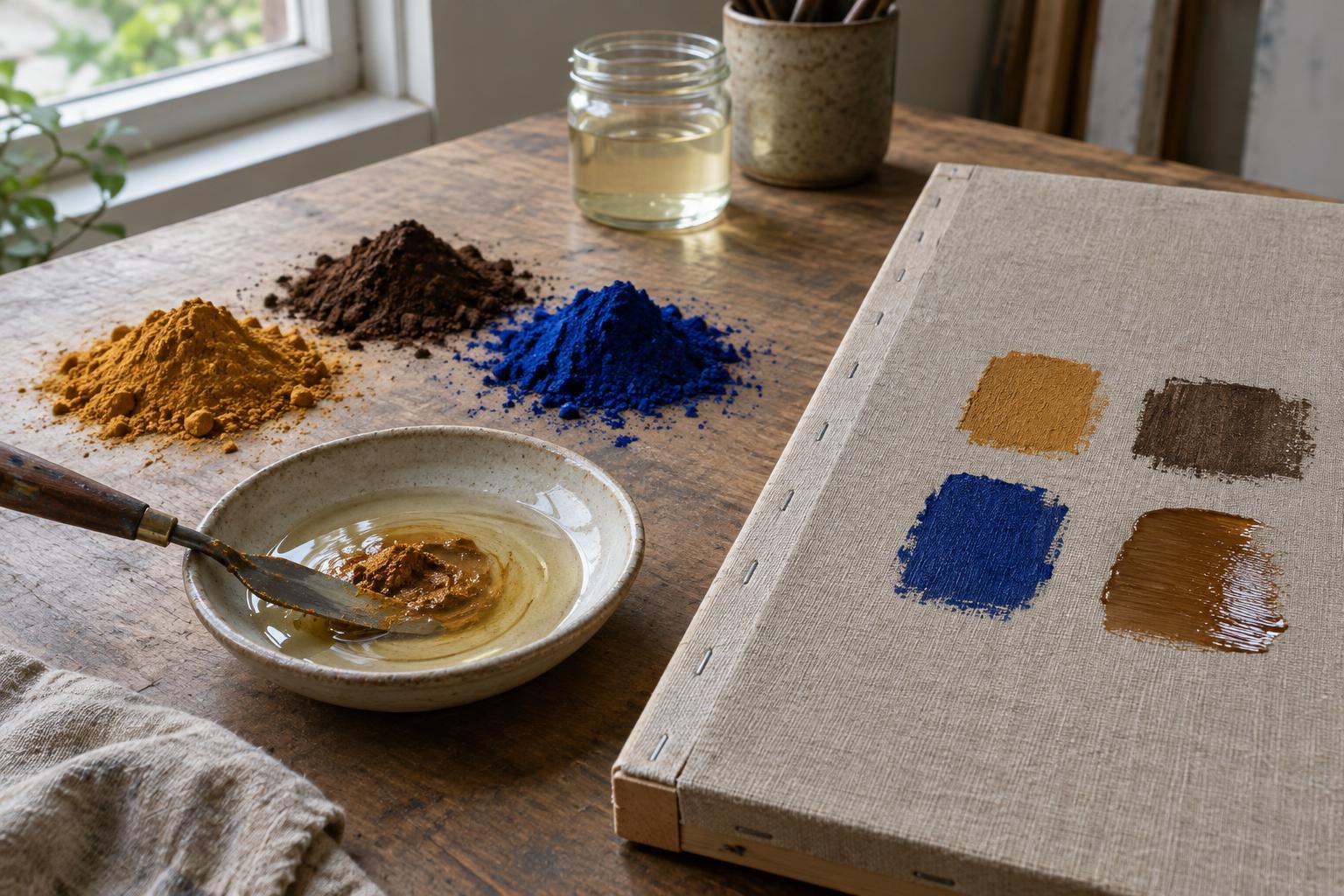
Materials and MethodsA painted surface is a meeting of color, the substance that holds it in place, and the material beneath it. Understanding pigment, binder and support offers a practical way to look at how artworks are made and why their surfaces feel so different.
Read article · 4 min↗
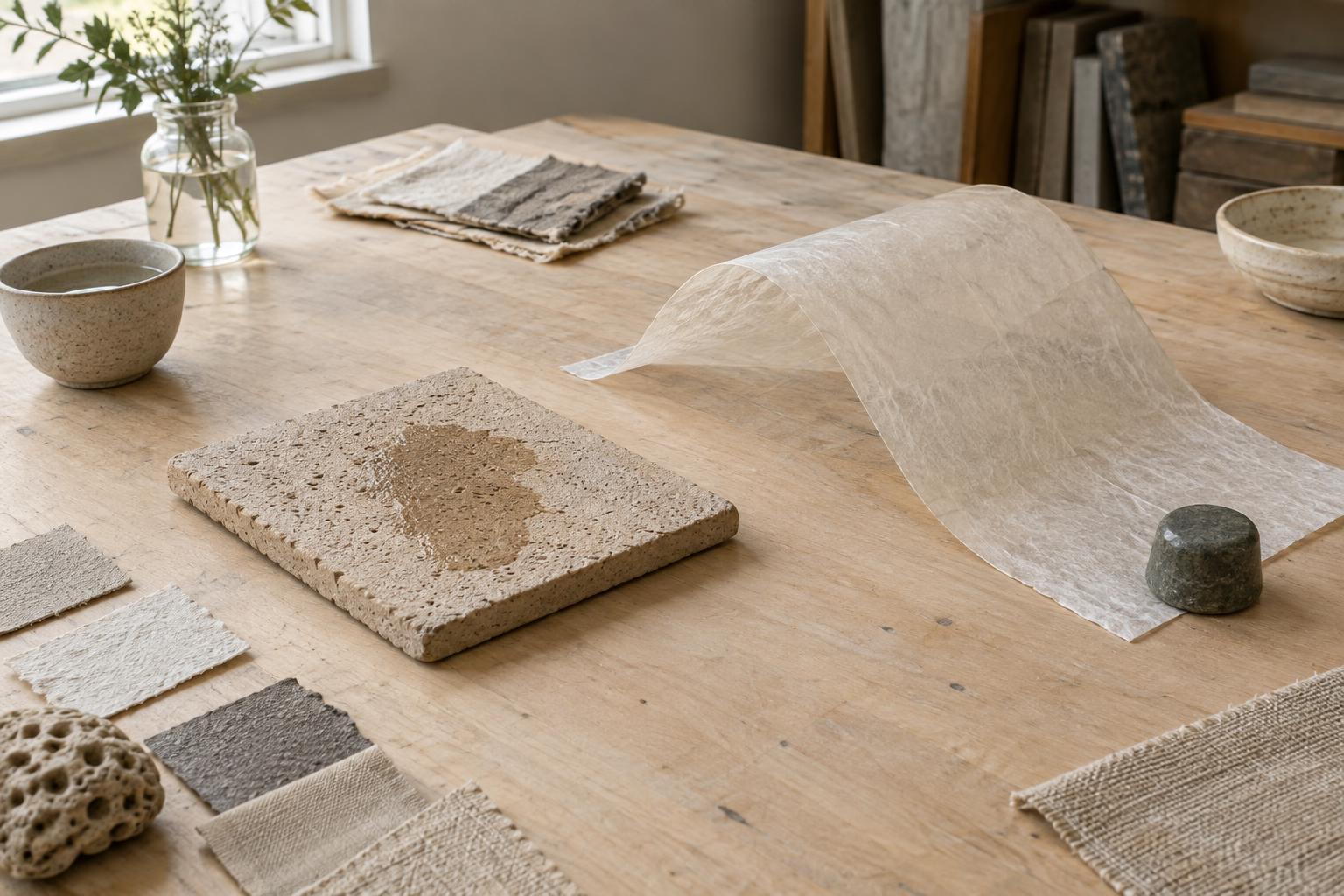
Materials and MethodsA material does more than carry an image or hold a form. Its porosity, flexibility and weight shape how it behaves during making and how a viewer encounters the finished work. This guide offers practical ways to test those properties before committing to a piece.
Read article · 5 min↗