A brand to approach through the clothes you own
UniqueYou dates its beginnings to 2014. It started with scarves and clothing, paused, and later returned after recovering its domain; that history is more precise than a claim of uninterrupted trading. Its original brown wordmark includes a horse motif and the words “Since 2014,” while a neutral taupe palette gives its identity a quiet visual frame. Neither a logo nor a founding date tells you whether a particular scarf belongs in your wardrobe, but both help explain the brand’s preference for a composed, approachable presentation.
The useful question is not whether an accessory can transform every outfit. It is whether its colour, scale and feel offer something your existing clothes can use. Start with two or three garments you wear often: perhaps a dark coat, a pale shirt and a textured knit. A scarf that relates to all three has a more convincing place in daily life than one chosen only for a striking product image. UniqueYou’s emphasis on elegant, accessible accessories makes most sense when viewed through that ordinary wardrobe test.
The scarf as a small study in composition
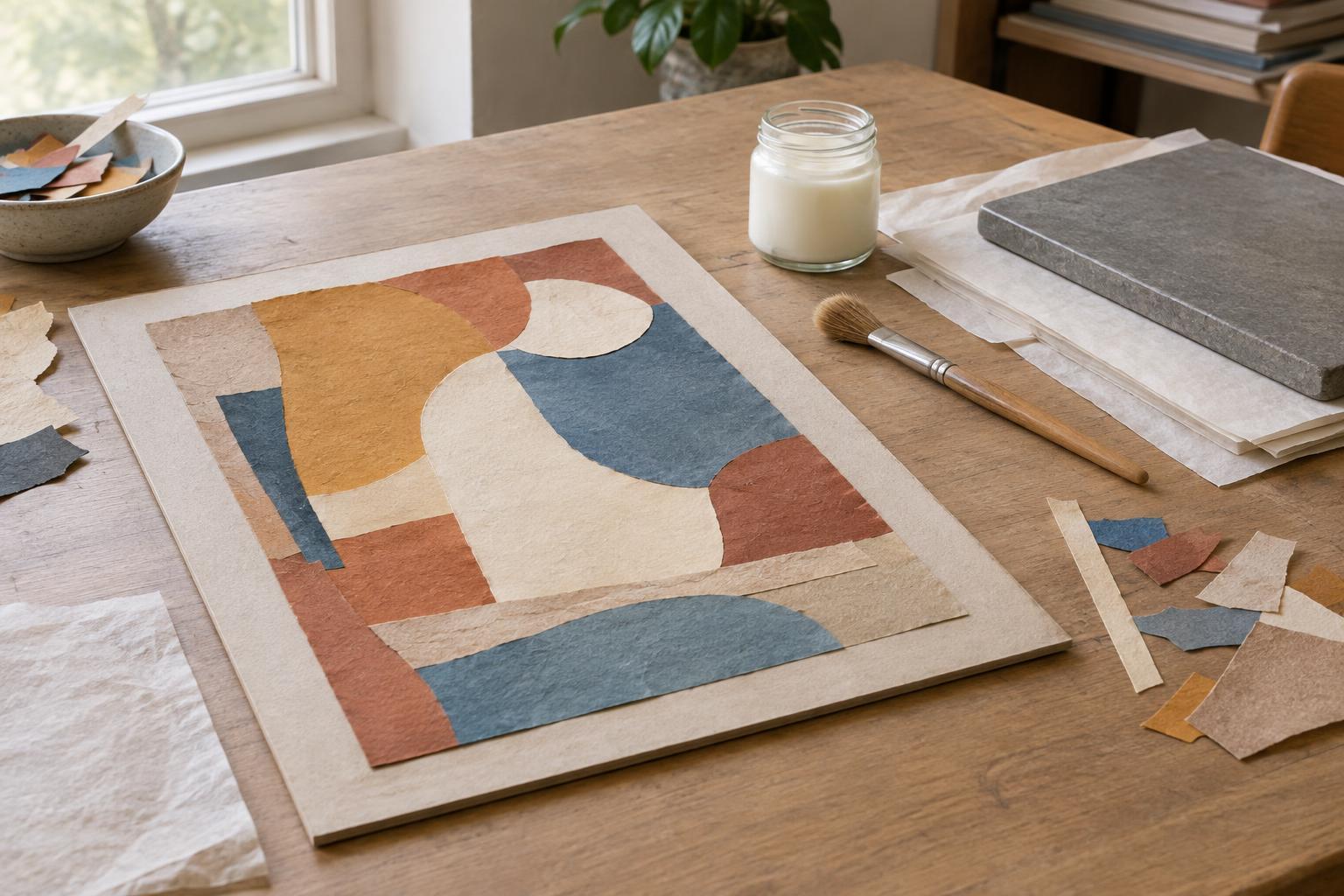
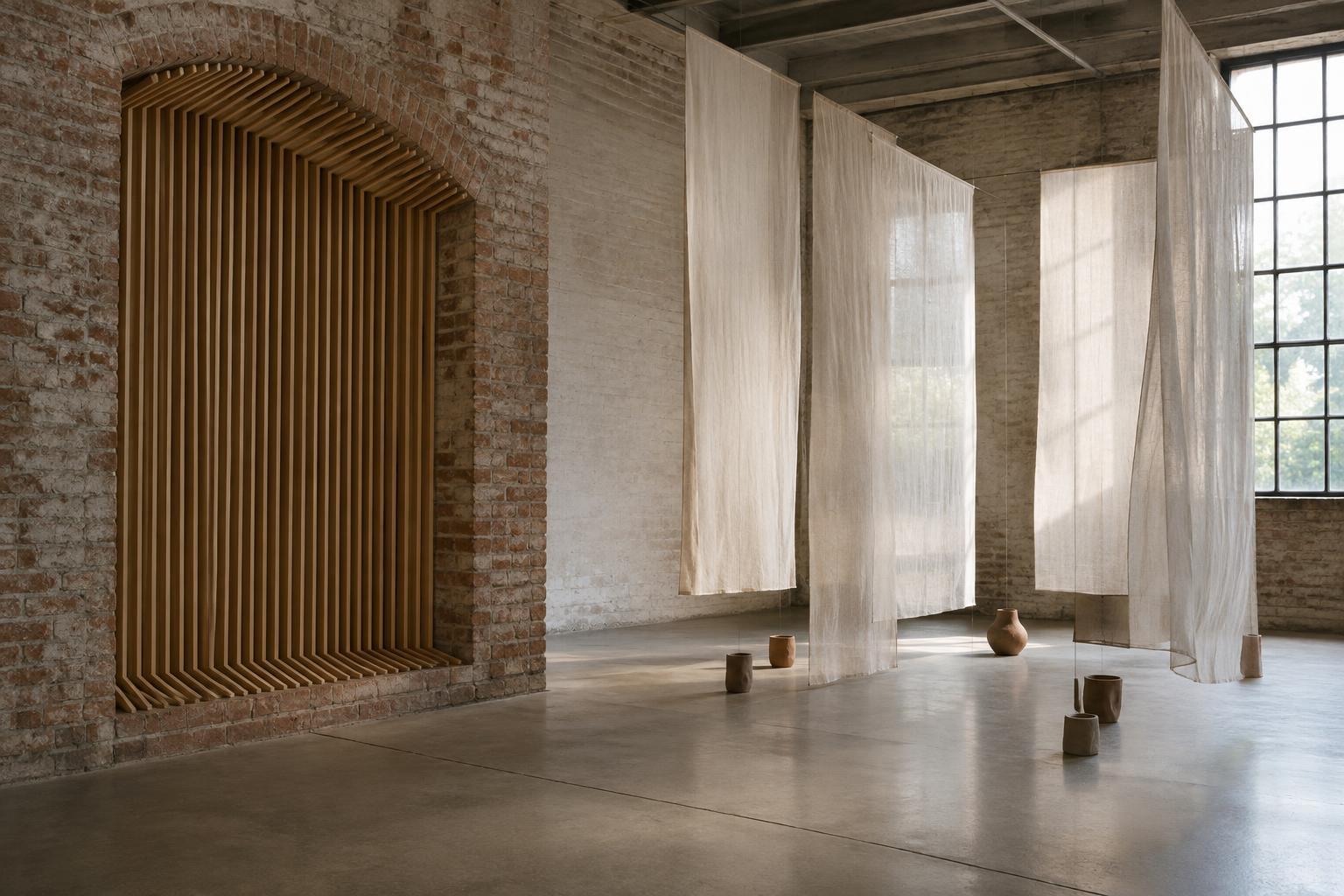
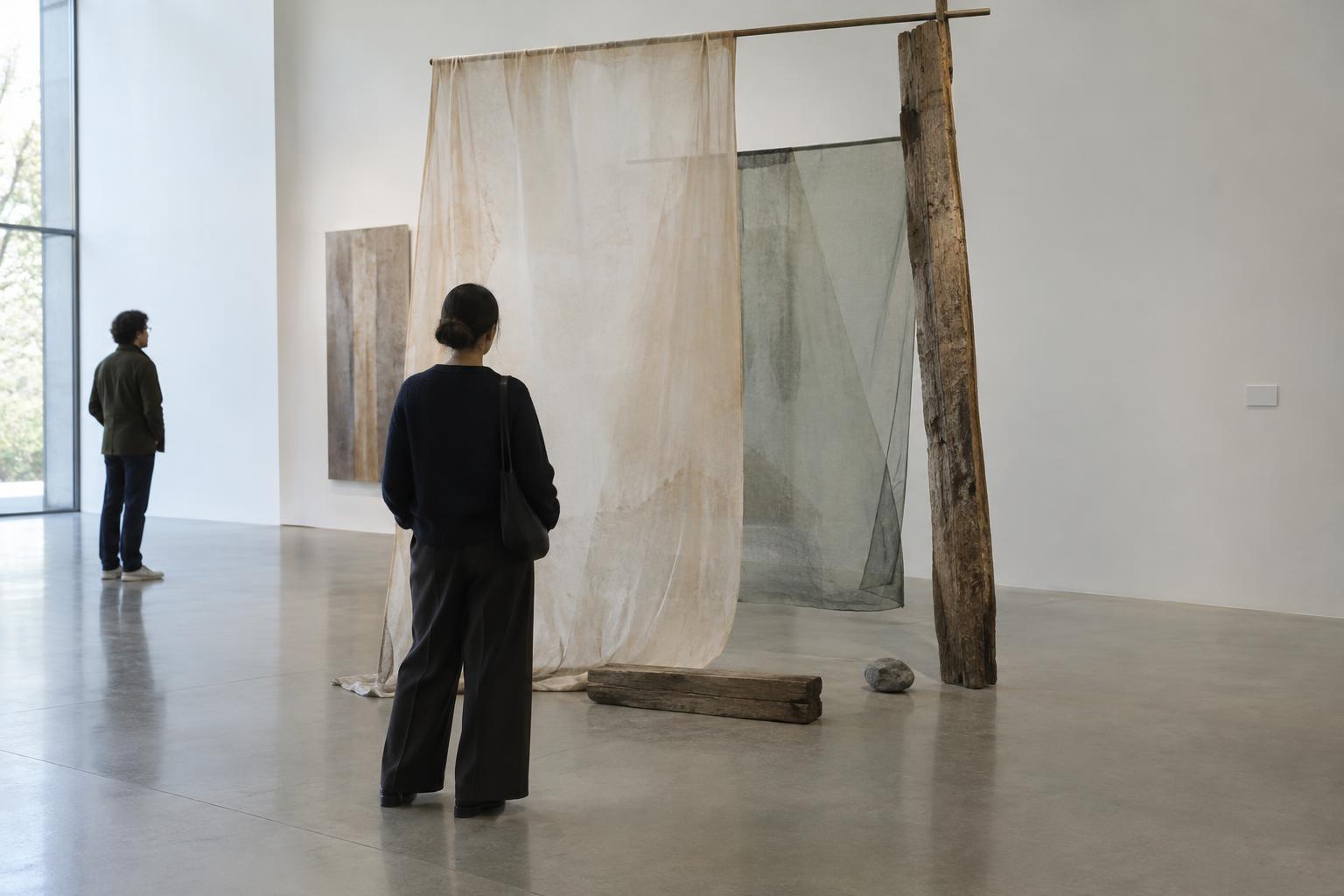
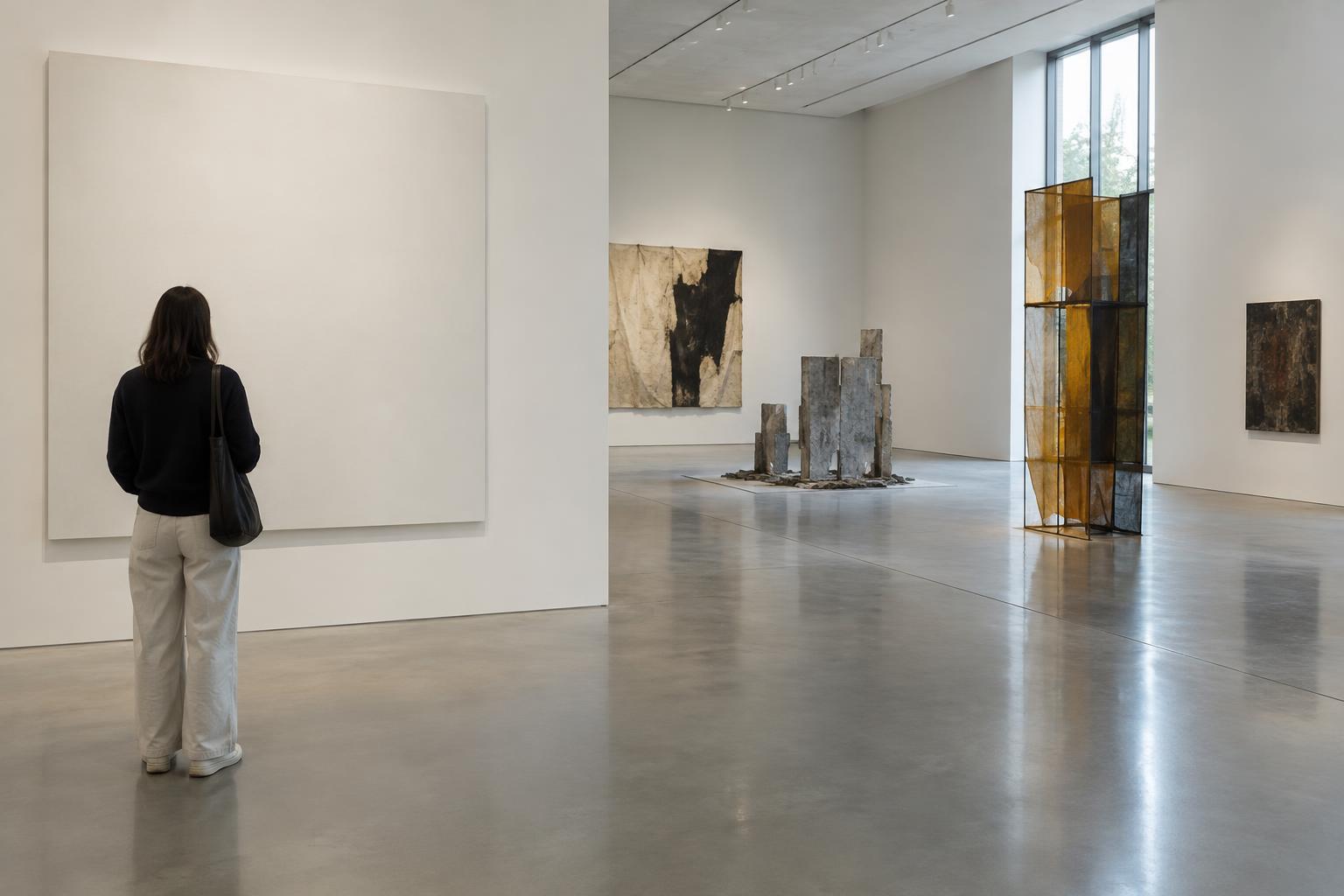
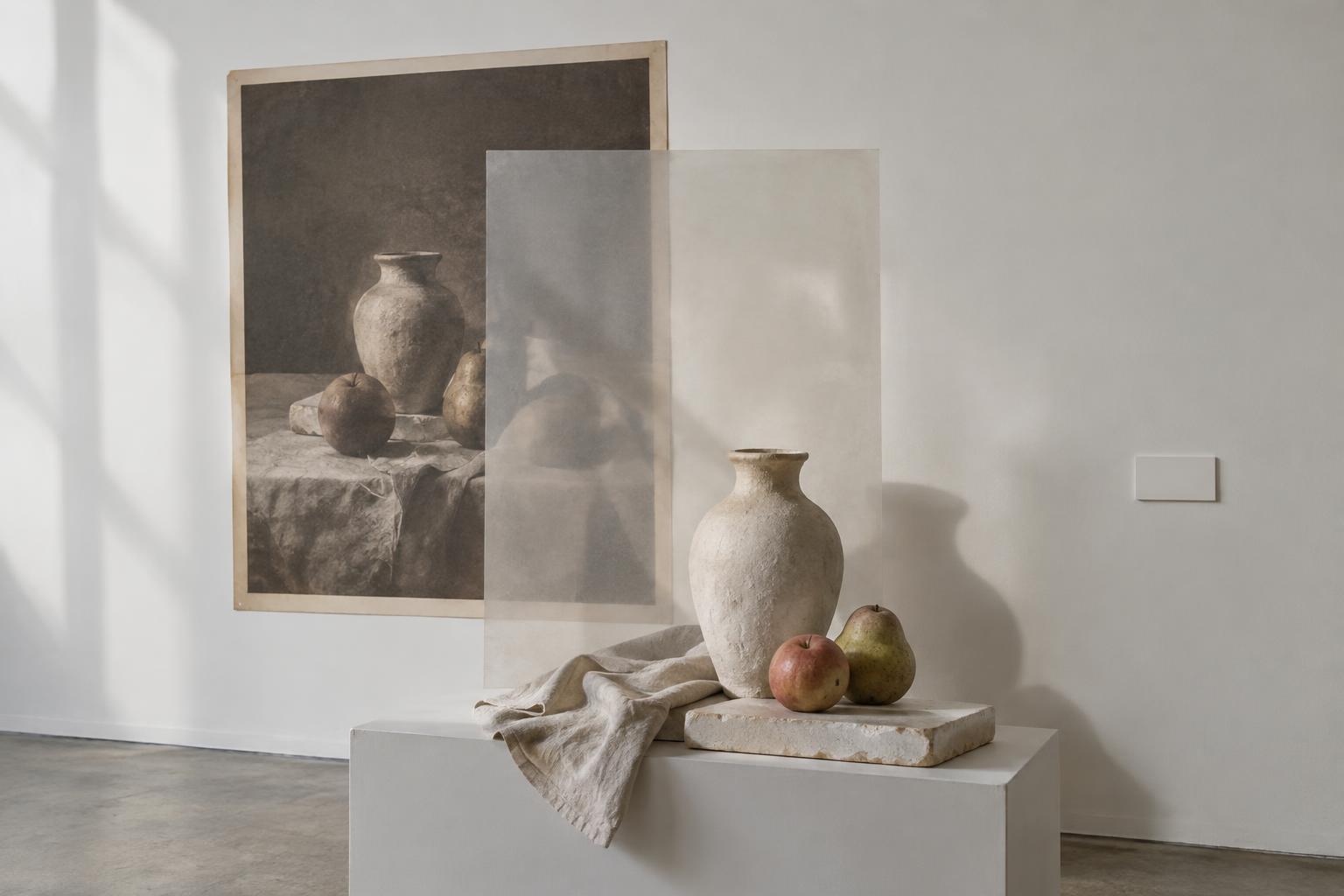
In visual art, a change of placement can alter the balance of an entire composition. A scarf works similarly, though its purpose remains wearable and personal. A broad wrap across the shoulders introduces a large field of colour; a narrow fold at the neck creates a line; a square tied near the face makes a compact focal point. A patterned piece can interrupt the solid surface of a coat, while a plain one can give a busy outfit somewhere to rest.
Consider the view from a few steps away before studying a print up close. Is the strongest colour near the face, or does the scarf read mainly as texture? Does its edge continue the line of a jacket, or does it deliberately break that line? These observations make selection less abstract. They also explain why the same scarf may look restrained over one garment and expressive over another. There is no single correct arrangement: the point is to notice what the fabric does in relation to the wearer.
Materials: read the individual piece, not just the category
UniqueYou has silk, cashmere and wool categories, as well as scarves in different shapes and styles. Those category names are useful starting points, not a guarantee that every item has the same composition. When the fibre matters to you, check the individual product description and care information before choosing. A buyer looking for a particular feel against the skin, or for an item suitable for a specific season, needs more than the name of a collection.
Material also affects the way a scarf occupies space. A fluid fabric can fall in soft lines and sit neatly inside a collar; a more substantial piece can create volume over outerwear. Size, weave and finishing can change that impression, even among items described with the same fibre. Think about the intended use first: a small accent for a shirt, a layer for a coat, or a wrap to carry into an evening setting. Then compare the details of the actual piece rather than assuming that a familiar material word answers every question.
Colour decisions that begin at home
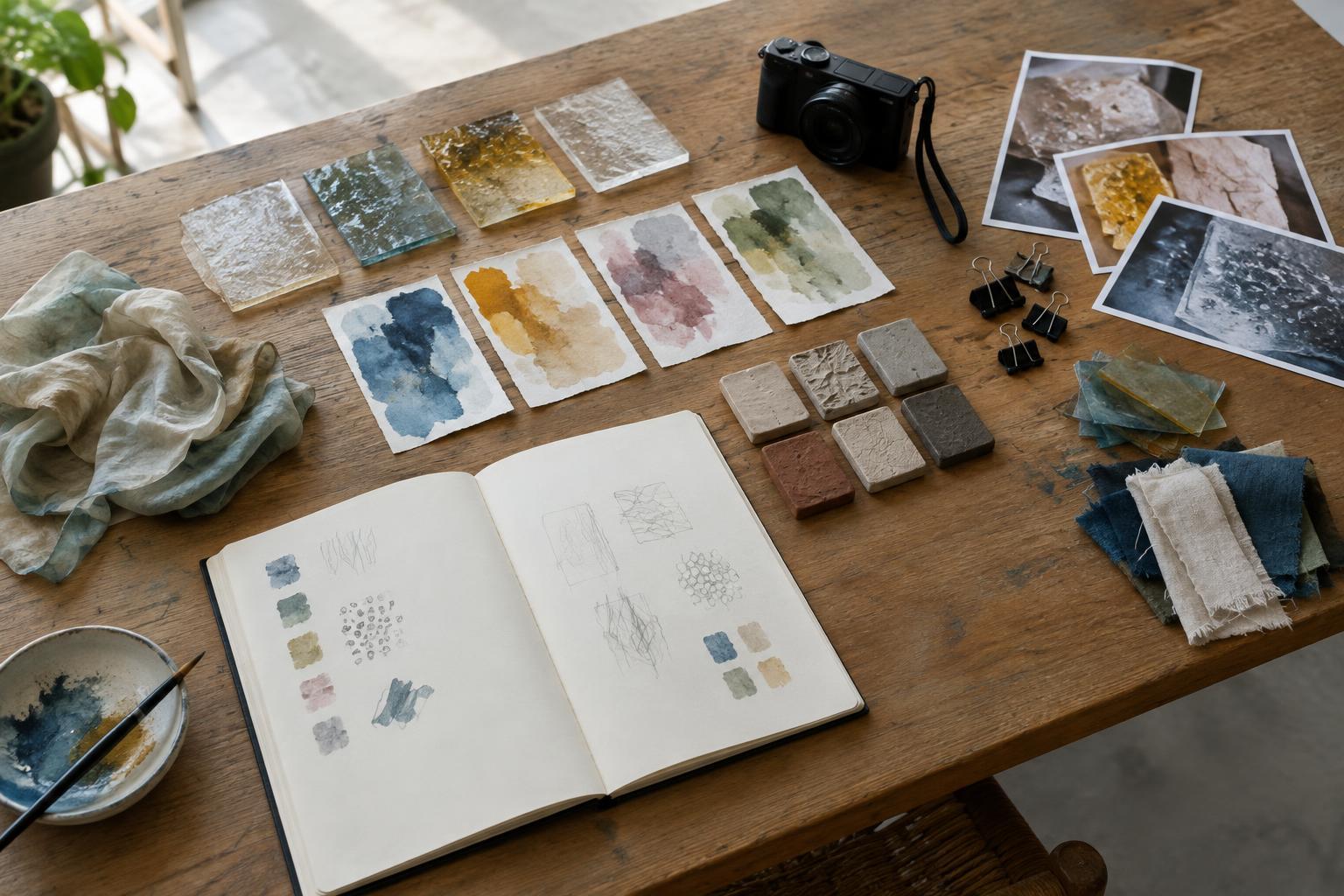
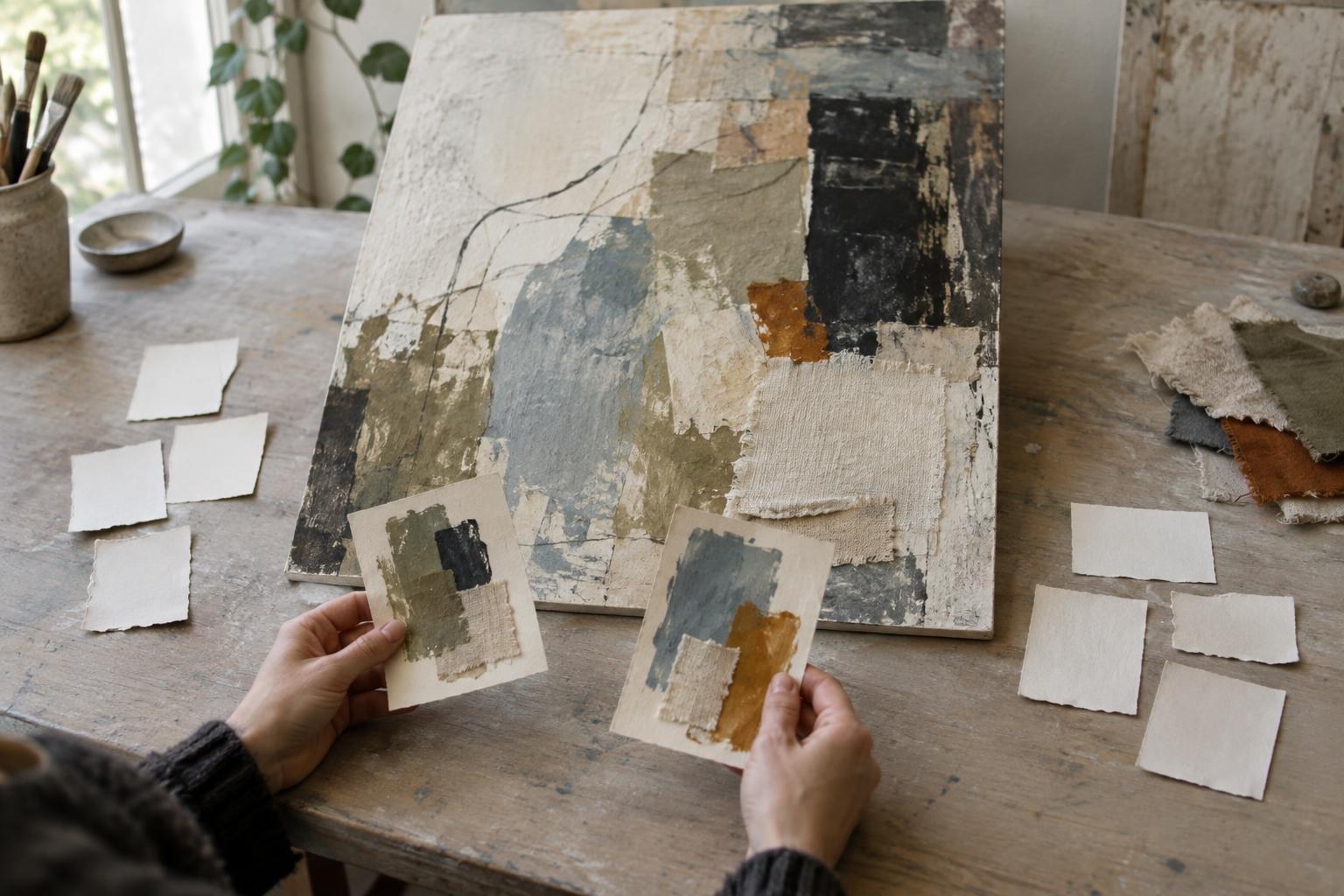
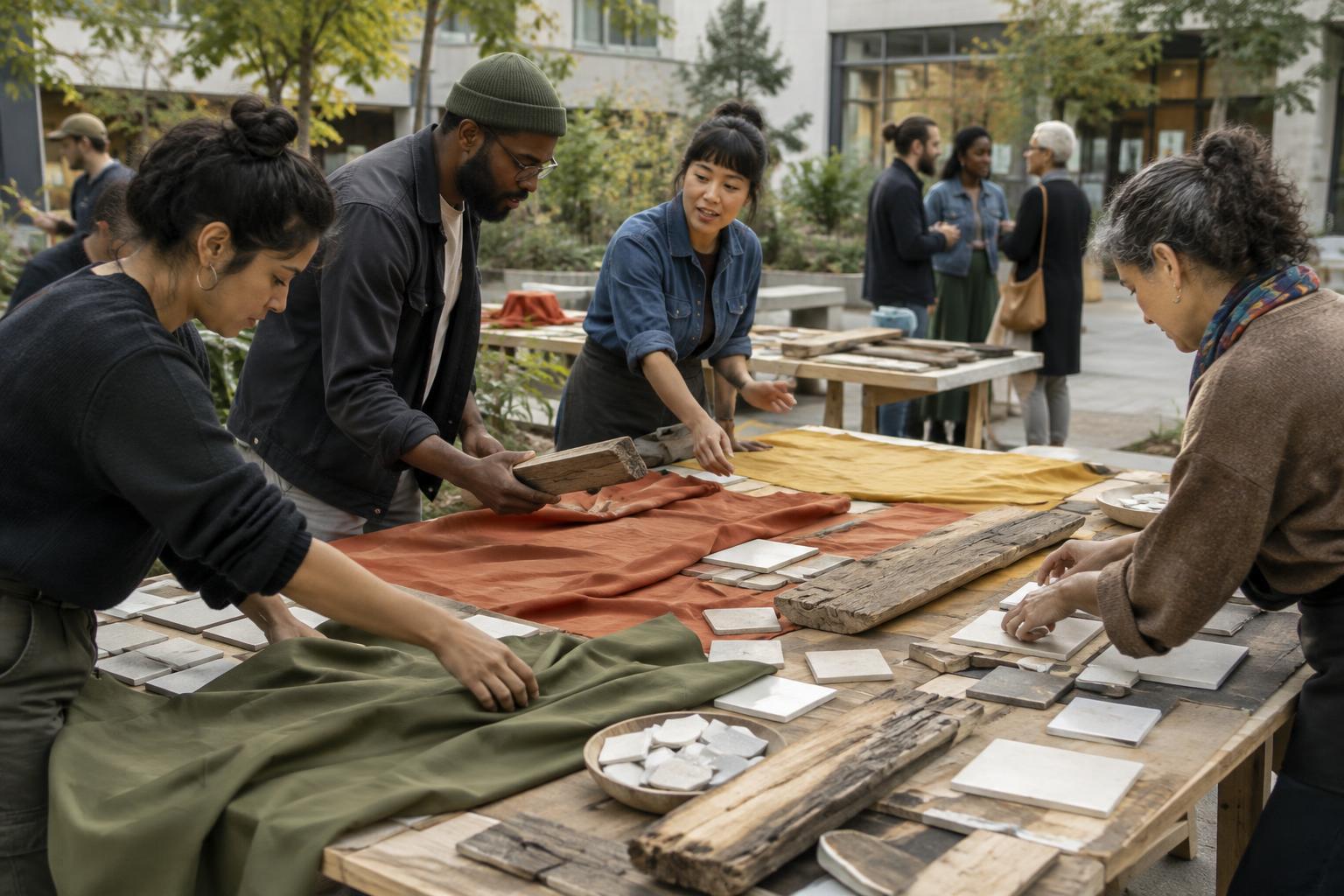
Before choosing a new scarf, lay out the coat, jacket or dress it will most often accompany. Look at their colours together in ordinary light. A scarf can repeat a shade already present, bridge two colours that otherwise feel separate, or introduce a deliberate contrast. Brown beside cream may soften an outfit; burgundy beside navy can add depth; a clear red can become the centre of an otherwise quiet combination. These are possibilities to test, not rules that every wearer must follow.
The neutral taupe associated with UniqueYou’s presentation offers a useful reminder that the backdrop changes our reading of colour. A vivid print can appear calmer beside a restrained coat, while a subtle scarf may become noticeable against a sharply contrasting jacket. If you are uncertain, try the proposed colour near the face as well as against the main garment. An accessory has to relate to both. Photographing a few combinations from a distance can reveal proportion and contrast more clearly than inspecting a swatch alone.
Pattern, scale and the space around a print
Checks, animal-inspired prints and other patterned scarves ask for a little attention to scale. A large motif may become partially hidden when a scarf is folded; a smaller repeated pattern can remain legible through several ways of tying it. The effect also depends on what surrounds it. Against a plain coat, a print can take the lead. Beside a patterned dress, it may compete unless the two pieces share a colour or differ clearly in scale.
Think of the scarf as an element within an outfit rather than an isolated image. Leave some visual breathing room if the print is lively, or use pattern to give structure to an otherwise simple look. When comparing options, imagine the fold you would actually wear. A square displayed flat may show a complete design, but a neck tie reveals only selected parts of it. That change is part of the appeal: fabric lets the wearer edit the composition each time it is arranged.
Ways to wear a scarf without forcing an occasion
The most useful styling method is often the one you will repeat. A loose drape over a coat keeps a scarf’s full width visible. A simple loop brings fabric closer to the neck and changes its apparent volume. A square can be folded into a band for a cleaner line, while a shawl can sit across the shoulders when an outfit needs a broader layer. None of these arrangements requires a special event; each merely gives a different relationship between clothing, fabric and movement.
For a dress or a wedding outfit, consider how a wrap looks both worn and carried. It may spend part of the day over the shoulders and part folded over an arm, so colour and scale matter in both positions. For everyday use, think about what happens when a coat is open or removed. A scarf that still makes sense with the shirt or knit beneath it is more versatile for that particular wardrobe. Comfort and ease of adjustment deserve as much thought as the first impression.
Choosing a gift with the recipient in view
A scarf can be a personal gift without requiring a precise clothing size, but that does not make every scarf equally suitable. Begin with what the recipient actually wears. Do they return to plain coats and bright accents, or prefer patterned clothes and quieter accessories? Are their familiar colours warm, cool, deep or light? A glance at the garments they choose repeatedly is more informative than guessing from a seasonal trend.
If you know their preferred shape, use it: someone who often wears small neck squares may not reach for a broad wrap, and someone who likes shoulder coverage may appreciate roomier proportions. If you do not know, favour a colour with a clear connection to an existing coat or jacket and read the item’s material and care details. A considered gift need not pretend to predict every preference. It should show that you noticed the recipient’s habits and selected something they can imagine incorporating into them.
Matching a wardrobe rather than replacing one
A useful accessory earns its place alongside garments already in rotation. Try a three-outfit exercise: picture the scarf with one everyday layer, one more polished outfit and one combination for a different season. If all three feel plausible, it has range for your wardrobe. If it only works with an outfit you do not yet own, pause before treating it as an easy addition. This is not an argument against bold choices; it is a way to distinguish a welcome contrast from an accessory that demands a new set of clothes.
Shape is part of that test. A square can bring detail to a shirt collar or bag handle; a longer scarf can follow the vertical line of a coat; a shawl or wrap can change the silhouette more substantially. Compare the scarf’s dimensions with the garments you have in mind, then consider how much pattern or colour remains visible when it is folded. The best match may be quiet or conspicuous. What matters is that you can describe when you would wear it.
Finding the right regional-language starting point
UniqueYou has 20 regional domains, 21 regional-language versions and 16 distinct languages. Those numbers differ because countries may share a language, while one domain may serve more than one language version. The United Arab Emirates is the clearest example here: its Arabic version is at the domain root, and its English version is at /en. A regional guide is therefore about the language and destination together, not an assumption that every country needs a different language or a separate domain.
Use the guide below as a set of reading paths. Each entry identifies the country and destination language before pointing to a regional starting place or a relevant category. The category examples are prompts for comparison—lightweight scarves, wool scarves, silk squares, coloured scarves or occasion wraps—not a claim that any one piece will meet every reader’s needs. Once you reach the version you prefer, inspect the individual item for its stated composition, dimensions and care details before making a decision.
Regional guide: choose a country and destination language
The following entries distinguish destination language even where several countries use the same one. A country’s category suggestion is simply a useful direction for browsing, not a recommendation of an unseen individual product. In particular, the United Arab Emirates has an Arabic root version and a separate English /en version on the same domain. Choose the language you want to read, then compare shapes, colours and product details against the wardrobe or gift recipient you have in mind.
Poland — Polish
For the Polish-language starting point, the local phrase for a scarf shop leads to the regional home page — sklep z szalami. If you are matching an accessory to lighter layers, the Polish-language lightweight-scarf collection at UniqueYou offers a more focused place to begin. Compare how a less bulky shape would sit with the collars and jackets you already wear.
Germany — German
In German, the local description of a brand for scarves and shawls points to the regional home page — Marke für Schals und Tücher. The German-language wool-scarf collection at UniqueYou is a narrower route if you are considering a scarf for outerwear. Check each item’s details rather than treating a collection heading as its complete fibre description.
Czechia — Czech
The Czech-language term for women’s scarves and neckerchiefs takes you to the regional starting point — dámské šály a šátky. For a restrained colour study, the Czech-language black-scarf collection at UniqueYou suggests pieces to consider beside patterned coats or bright knitwear. Look at texture and shape as well as colour; two black scarves can play very different roles.
Spain — Spanish
The Spanish-language home page is reached through UniqueYou. If a patterned accent interests you, the Spanish-language term for fashionable leopard-print scarves leads to that collection — bufandas con estampado de leopardo de moda. For a broader comparison of shapes and colours, the Spanish-language scarf collection at UniqueYou is another starting point. Imagine each print folded, not only displayed flat.
France — French
Begin at the French-language home page through UniqueYou. The French local term for a brown scarf points to a colour-focused collection — echarpe marron; consider how that shade relates to coats you already own. For an occasion outfit, the French-language collection of stoles for dresses and weddings at UniqueYou offers a different scale to examine.
Hungary — Hungarian
The Hungarian-language home page is available at UniqueYou. In Hungarian, the local phrase for elegant wool scarves leads to a material-focused collection — elegáns sálak gyapjúból. If a smaller or more fluid accent suits the outfit you have in mind, the Hungarian-language silk-neckerchief collection at UniqueYou gives you another category to compare by shape, care and stated composition.
Italy — Italian
The Italian-language description of an online scarf and neckerchief shop leads to the regional home page — negozio online di sciarpe e foulard. For a scarf intended to accompany a coat, the Italian-language wool-scarf collection at UniqueYou is a more specific path. Pay attention to width and drape as well as material information: those details determine how much volume the scarf adds.
Romania — Romanian
Start with the Romanian-language home page at UniqueYou. The local term for a cashmere scarf leads to a material-themed collection — cashmere fular, while the Romanian-language shawl collection at UniqueYou invites comparison with a broader shoulder layer. The two paths answer different styling questions, so use the individual descriptions to check the piece that interests you.
Slovakia — Slovak
The Slovak-language home page is at UniqueYou. In Slovak, the local phrase for a women’s cashmere scarf points to a focused collection — dámsky kašmírový šál. The Slovak-language silk-scarf collection at UniqueYou provides another direction if you want a different visual weight near the face. Compare the actual item details before deciding what either category means for your use.
Finland — Finnish
The Finnish-language phrase for finding shoulder shawls online takes you to the regional home page — hartiahuivit netistä. For an accent with a clear colour role, the Finnish-language red-scarf collection at UniqueYou is a focused place to look. Try that colour against both an outer layer and the clothes beneath it; a scarf often needs to work in both settings.
Sweden — Swedish
Begin with the Swedish-language home page at UniqueYou. The Swedish local term for an attractive checked scarf points to a pattern-focused collection — snygg rutig halsduk. For a contrast in surface and styling, the Swedish-language silk-scarf collection at UniqueYou offers another route. Consider how much of a check or print remains visible once the scarf is tied.
Denmark — Danish
The Danish-language phrase for scarves and shawls online leads to the regional starting point — tørklæder og sjaler online. If checks suit a plain coat, the Danish-language checked-scarf collection at UniqueYou provides a narrower comparison. Look for a scale of pattern that feels comfortable next to the garments you wear most, rather than choosing a print in isolation.
Belgium — Dutch
For Belgium’s Dutch-language version, begin at UniqueYou. The Dutch local term for burgundy scarves points toward a colour-led collection — bordeauxrode sjaals, useful when you want depth without relying on a bright accent. The Dutch-language stole collection at UniqueYou offers a broader shape to consider for dresses or other outfits that call for shoulder coverage.
Austria — German
The Austrian German-language home page is at UniqueYou. In German, the local phrase for women’s neckerchiefs leads to a shape-focused collection — Halstücher für Damen. For a dress or wedding outfit, the Austrian German-language collection of stoles at UniqueYou suggests another way to frame the shoulders. Consider how either option looks when worn and when carried.
Netherlands — Dutch
The Dutch-language description of a shop for silk scarves takes you to the Netherlands home page — winkel voor zijden sjaals. If the main question is shape rather than a material category, the Dutch-language neckerchief collection at UniqueYou provides a more focused route. Compare dimensions with the way you usually tie a scarf and check each piece’s stated composition.
United States — English
For the United States English-language version, the phrase describing a shawl and wrap shop leads to the regional home page — shawl and wrap shop. The English-language wool-scarf collection at UniqueYou is a narrower starting point for an outerwear accessory. Think about whether the intended scarf should make a broad layer or a compact line at the neck.
United Arab Emirates — Arabic
The Arabic-language version for the United Arab Emirates is at the domain root, reached through UniqueYou. Its Arabic-language winter-scarf collection at UniqueYou is a more specific browsing path. If you prefer to read in Arabic, use this version rather than the separate English /en path, and check the details of an individual item for its material and intended care.
United Arab Emirates — English
For the United Arab Emirates English-language version, the English phrase describing a women’s scarf shop takes you to the /en starting point — women's scarf shop. This is distinct from the Arabic root version on the same domain. Use it when English is your preferred reading language, then assess a scarf by its shape, colour and individual product information.
Ireland — English
For Ireland’s English-language version, the phrase describing an online scarf shop leads to the regional home page — online scarf shop. The English-language cashmere-shawl collection at UniqueYou offers a more focused comparison if you want a shoulder layer. Think about the recipient’s usual proportions and clothing, and check the specific piece rather than relying on its category name.
United Kingdom — English
The United Kingdom English-language phrase for a square-scarf shop leads to the regional home page — square scarf shop. The English-language square-scarf collection at UniqueYou is a direct place to compare this shape. A square can be folded in several ways, so consider which portions of a design would show when tied as you would actually wear it.
Portugal — Portuguese
Begin with the Portuguese-language home page at UniqueYou. The Portuguese local term for a women’s shawl points to a shape-focused collection — xaile mulher. For a different wardrobe question, the Portuguese-language white-scarf collection at UniqueYou suggests a light-coloured accent. Compare either choice with the garments it would accompany and read its individual details.
A well-chosen scarf does not need to reinvent a wardrobe. It can make a familiar coat feel more considered, bring a useful colour near the face or give a gift recipient another way to wear clothes they already love. Begin with that relationship, then let the right regional language and the details of the individual piece guide the choice.
 Installation and Space