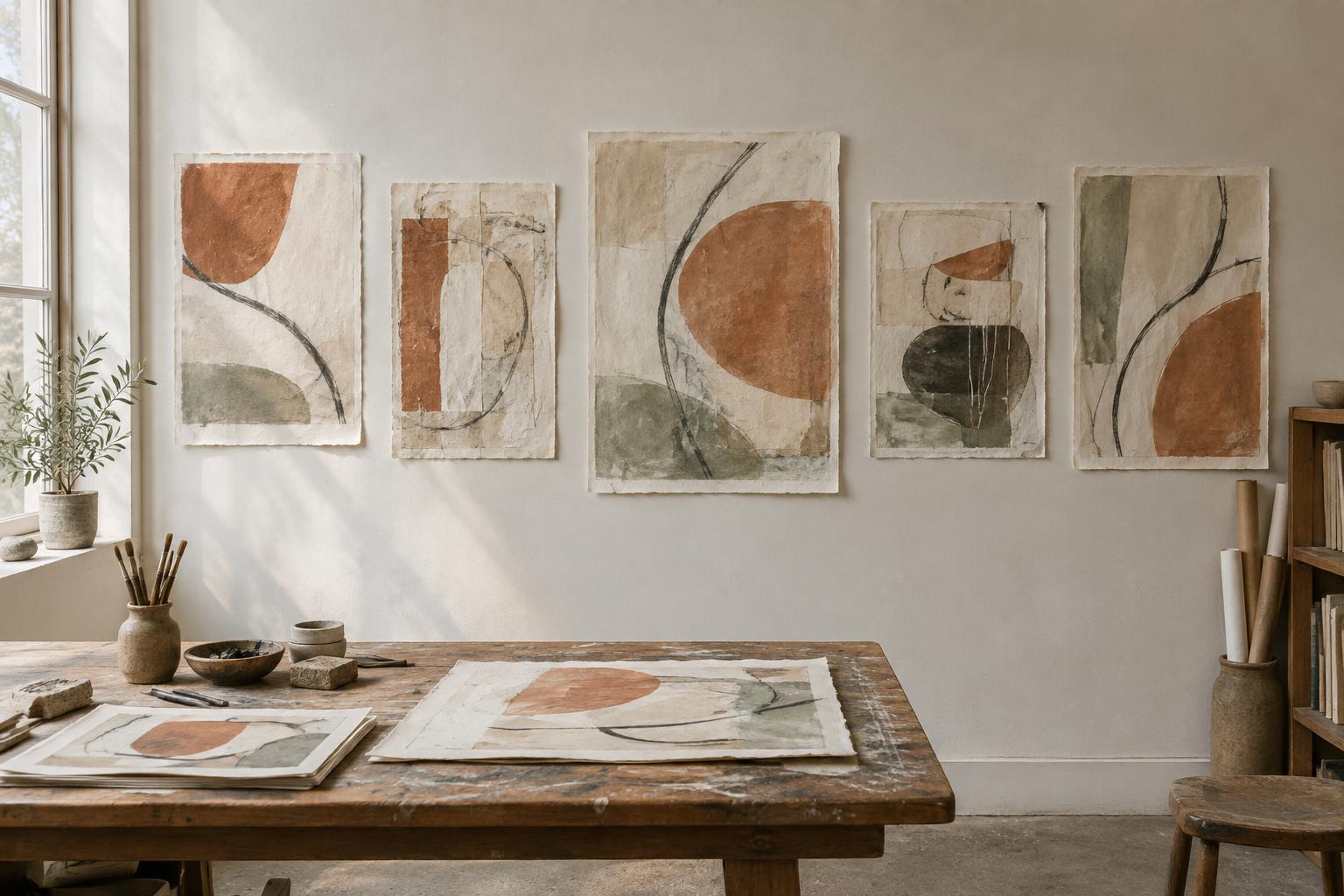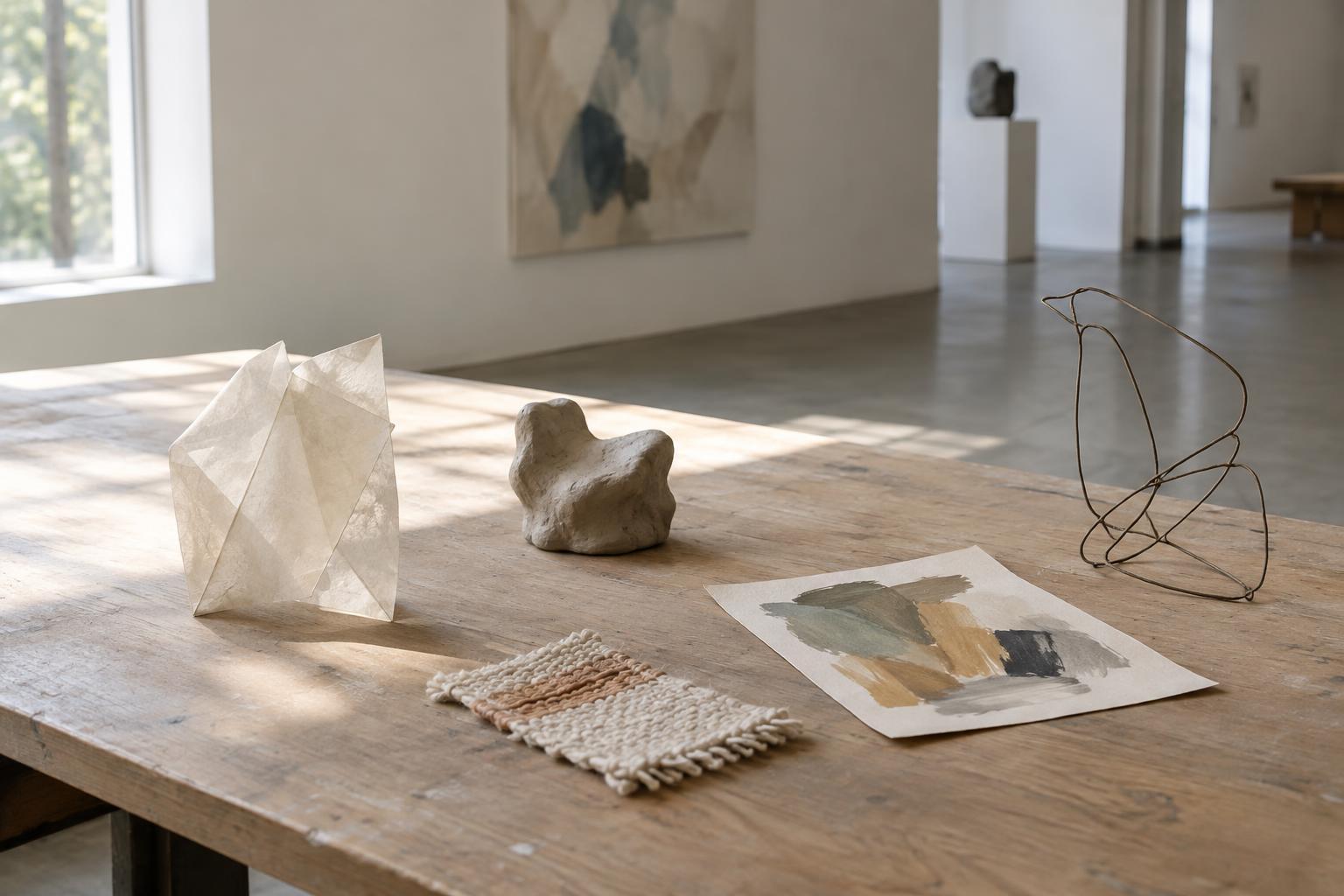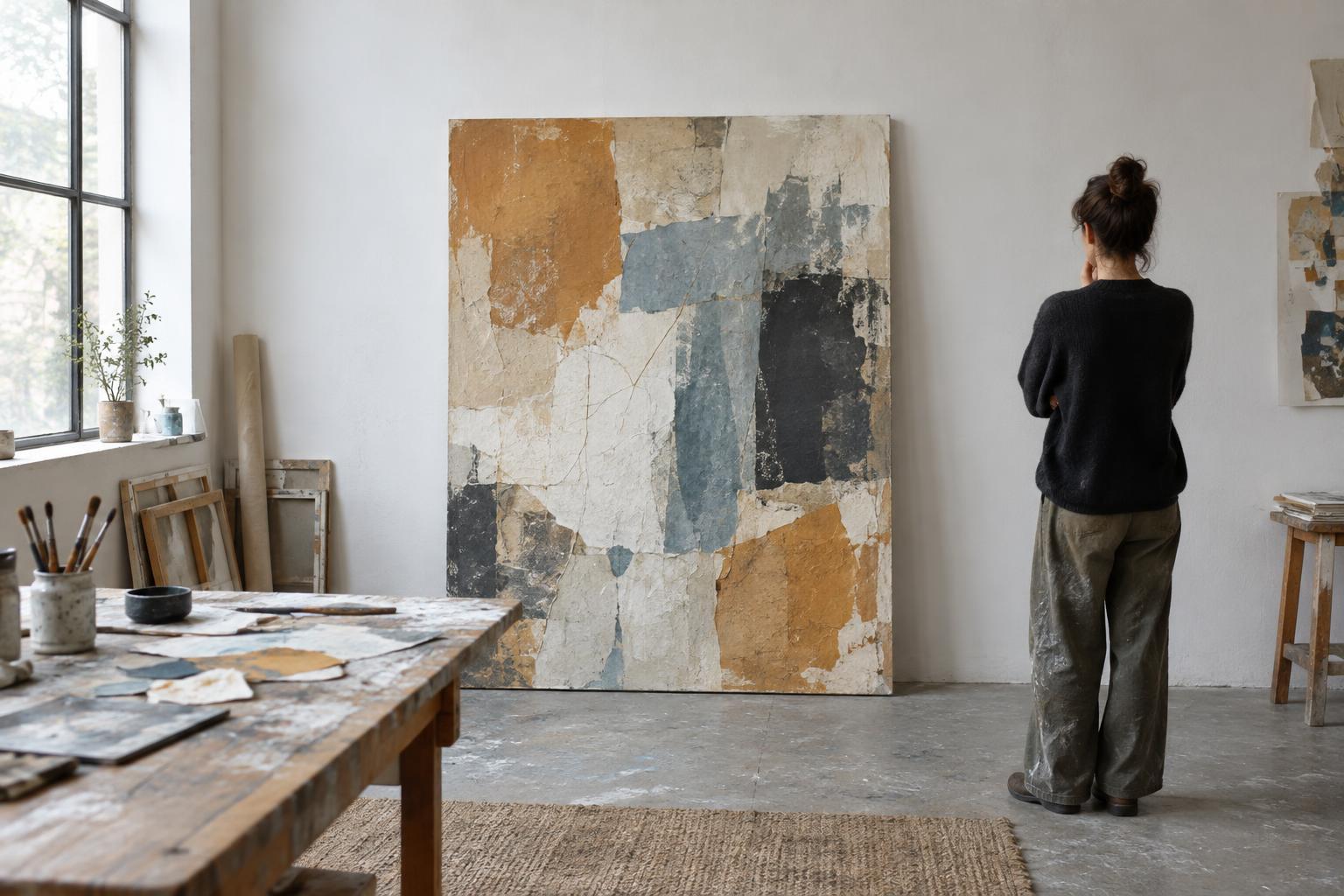
What is the work asking a viewer to notice?
An artwork does not need to explain itself completely, but it can help to identify what holds it together. Before changing anything else, describe the work in one or two plain sentences. You might name a relationship between objects, a use of light, a tension in an image or an experience you want a viewer to encounter. This is not a statement for the gallery wall. It is a working reference for your own decisions.
Now look at the artwork without defending it. Where does your attention go first, and where does it go next? Does that path support the question that interests you, or does an incidental feature take over? If the work’s most important relationship is visible, further additions may only make it harder to encounter. If it is difficult to find, a focused change may be more useful than a new layer of complexity.
Would the next change solve a specific problem?
When you feel an urge to keep working, name the proposed change and the problem it would address. “Move the small panel so the gap feels deliberate” gives you something to test. “Make it better” does not. A specific problem might involve balance, legibility, a weak connection between parts or a material that is not behaving as intended. It might also be practical: an element needs to remain secure when the work is moved.
Ask what you expect to learn from the change and whether you can try it reversibly. A temporary placement, a photograph of an alternate arrangement or a small material test can show you enough to decide. If you cannot say what the change is for, consider waiting. The desire to continue may be a response to the discomfort of finishing rather than to a shortcoming in the work.
Are the materials and the setting doing their share?
For a painting or drawing, finishing may involve deciding whether the surface still needs attention. For an installation, the question extends beyond the objects themselves. How do their positions, distances, supports and surrounding space affect the experience? Imagine approaching the work, passing beside it and viewing it from farther away. A component that seems quiet in the studio may become important when seen at a different scale or angle.
Distinguish intentional roughness from an unresolved practical issue. A visible join might give the work its character; an unstable join might distract from it or prevent the work from being shown as intended. The same distinction applies to sound, light and moving parts. You need not remove every irregularity, but it helps to know which ones you have chosen and which ones you have overlooked.
What changes after time away?
Familiarity can make both strengths and problems difficult to see. If your circumstances allow, leave the work alone for a while and return without immediately picking up a tool. Notice your first response before recalling the list of changes you had planned. Which parts now seem necessary? Which concerns have faded? A pause is especially useful after a long session in which each adjustment has led to another.
You can also document the work and look at that record separately. A photograph will not replace seeing a physical artwork, but it may reveal an imbalance or show that the composition already holds together. If you invite another person to look, ask what they notice rather than whether they like it. Their response is information, not a verdict. You remain responsible for deciding which observations serve the work.
Can you state what would make the work ready?
A useful stopping point combines an artistic decision with any practical requirements. You might decide that the central relationship is clear, the materials behave consistently with your intention and the work can be presented without an avoidable distraction. Write down the remaining tasks, separating changes to the artwork from tasks such as documenting, labeling or preparing it for display. Finishing the work and preparing to share it are related, but they are not always the same job.
Finally, ask what would be lost if you kept going. More polish can sometimes flatten a lively surface; another object can close a productive space for interpretation. Conversely, calling a work finished too early can leave a question you genuinely want to explore. There is no universal signal that settles the choice. A considered stopping decision means you can explain why the work is ready now, while accepting that future work may take the idea somewhere else.