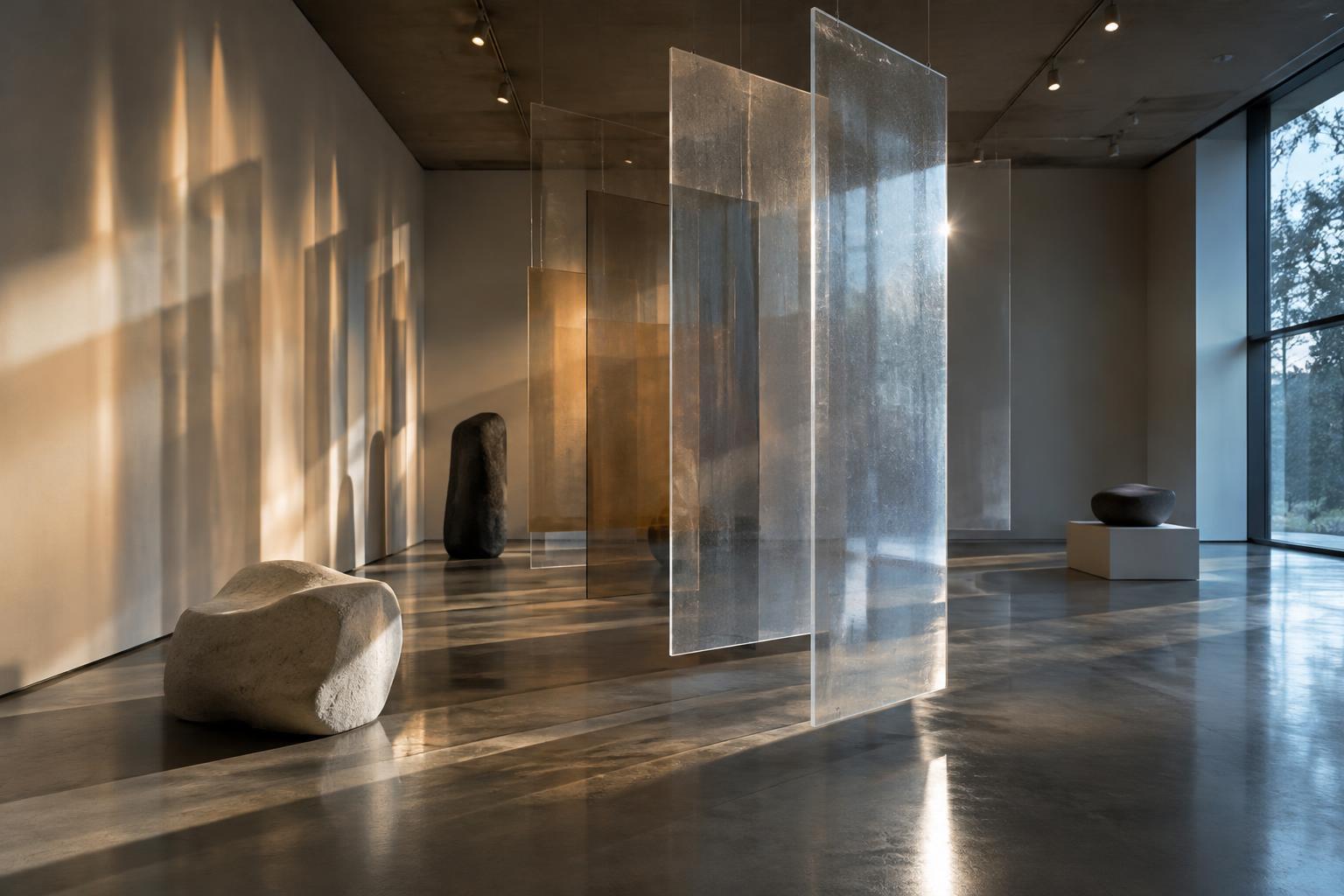
Installation and SpaceLighting does more than make an installation visible. It can direct attention, change how materials appear and shape the way visitors move. This guide offers a practical approach to observing a space, planning light and shadow, and testing the work from a visitor’s point of view.
Read article · 4 min↗
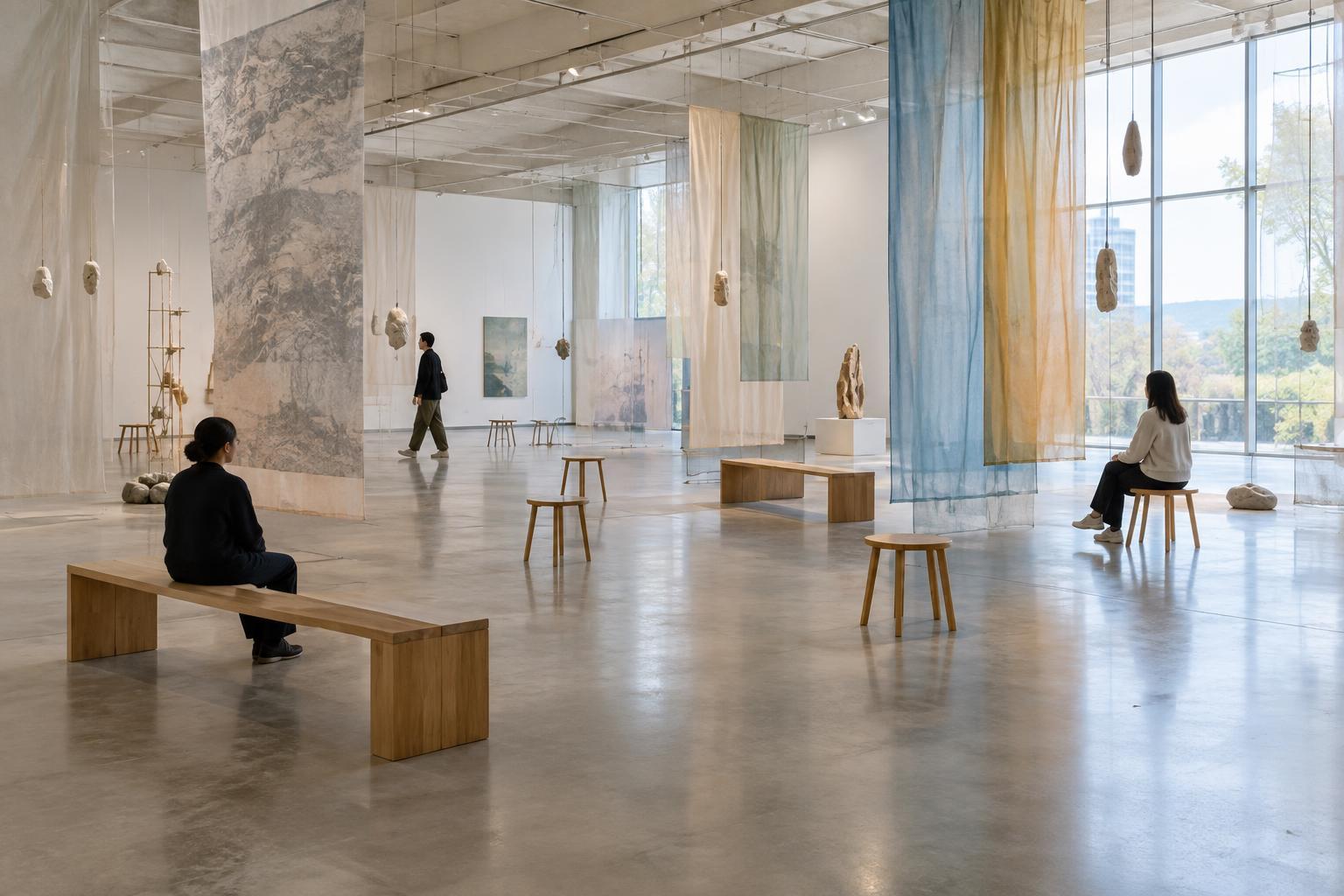
Installation and SpaceA seat can do more than offer a place to rest. In an installation, its position, shape and relationship to the work can influence how long visitors stay and what they notice. Here is a practical way to think about seating without prescribing a single experience.
Read article · 3 min↗
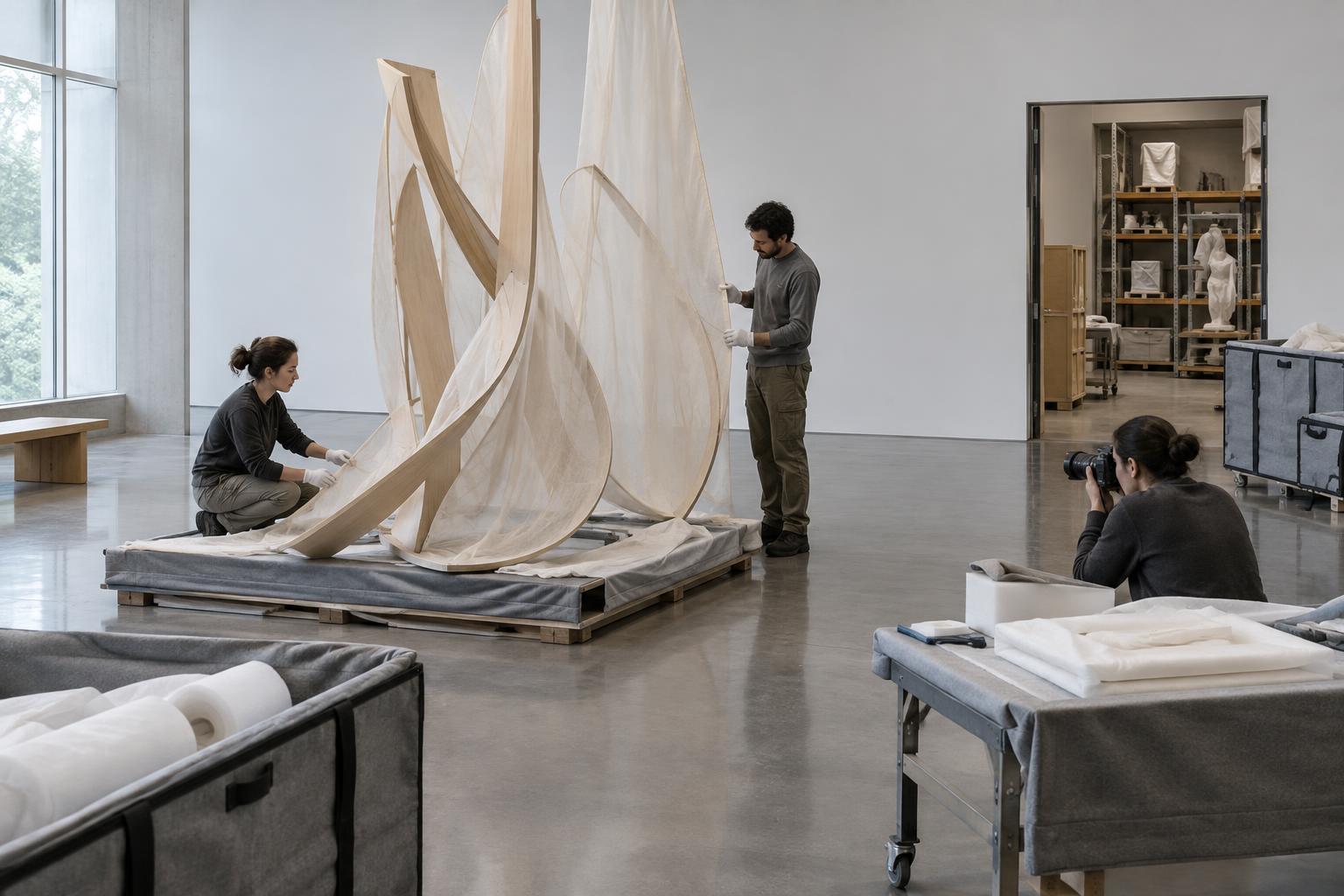
Installation and SpaceAn installation does not end when the work is in place. Planning for access, documentation, removal and storage from the beginning can protect the work and make future presentations easier.
Read article · 4 min↗
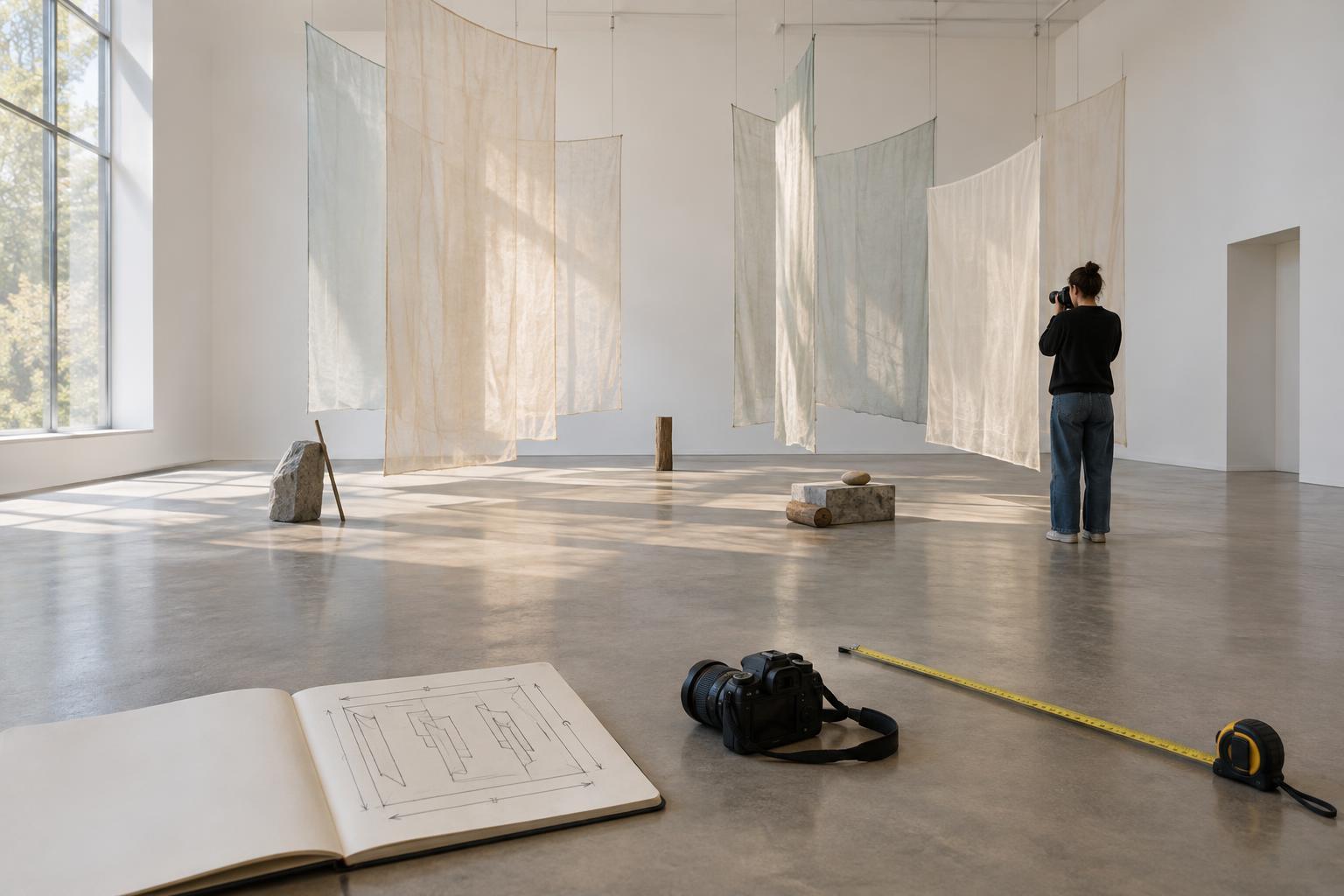
Installation and SpaceA temporary installation may exist for only a few days, but a thoughtful record can preserve how it occupied space and changed over time. Learn how to combine photographs, a simple plan, measurements and notes into documentation that remains useful after the work is gone.
Read article · 4 min↗
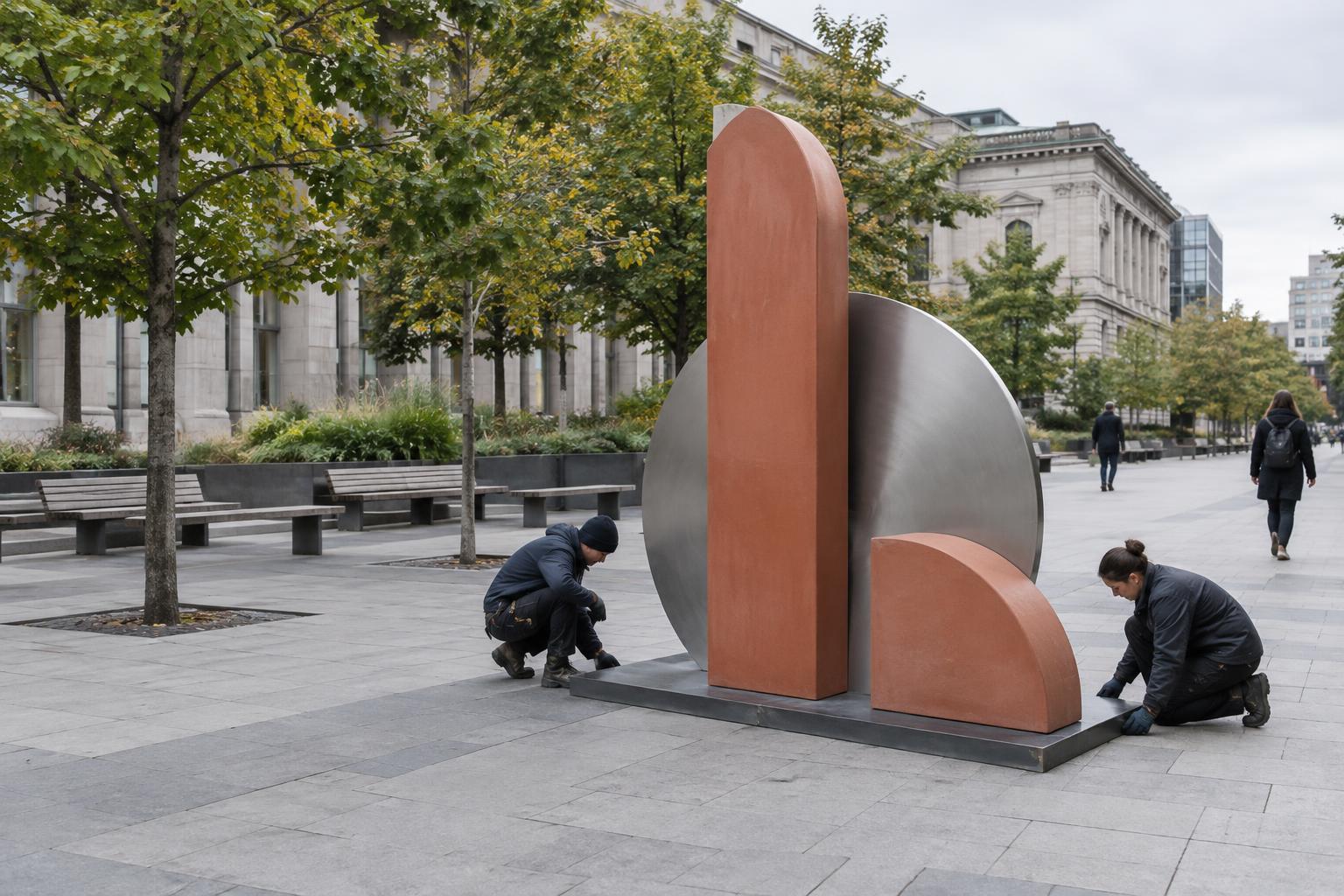
Installation and SpaceA public artwork has to work as an artistic idea and as a shared-space project. This guide outlines how to think through site permissions, access, safety, maintenance and removal before an installation takes shape.
Read article · 4 min↗
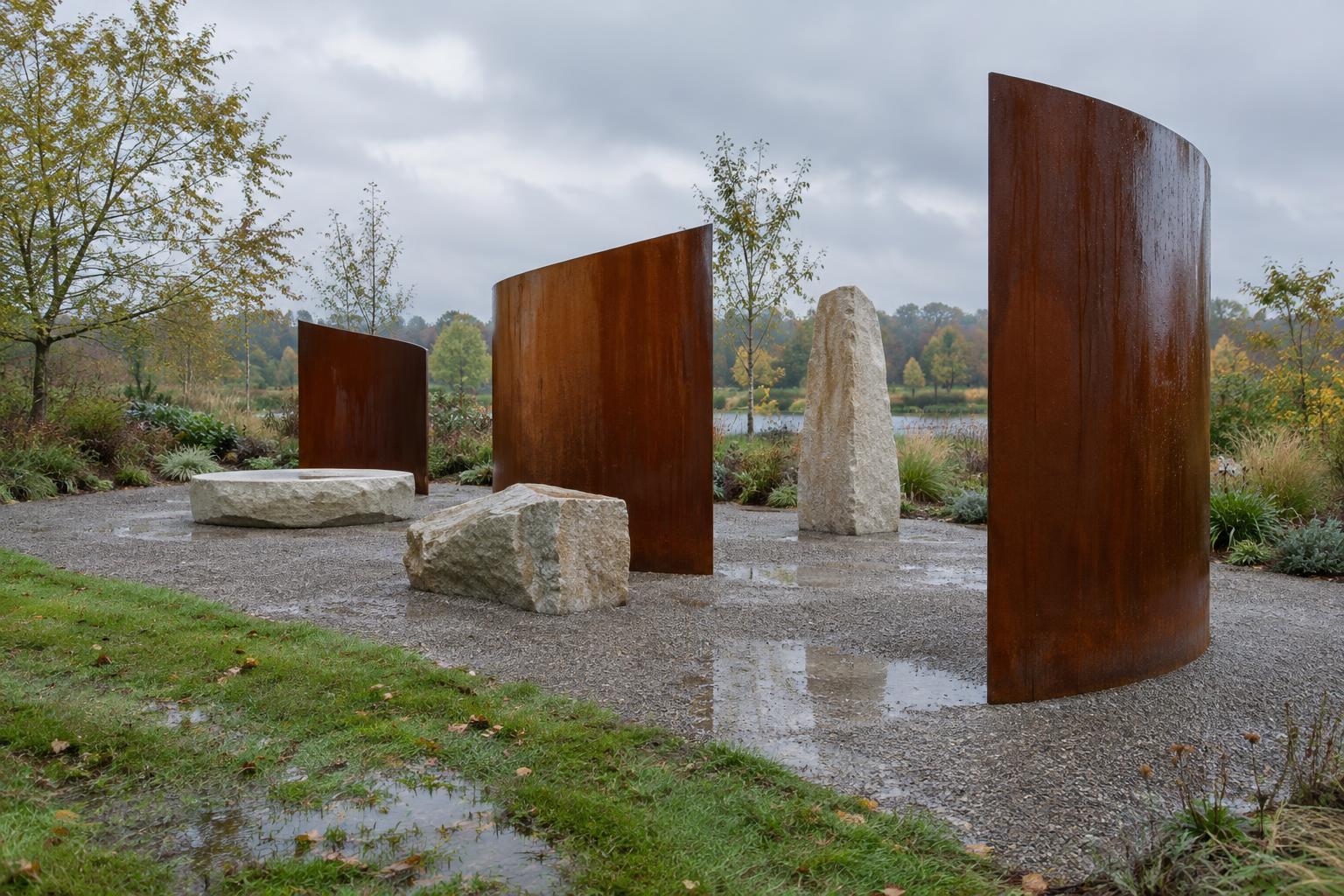
Installation and SpaceAn outdoor installation changes as its surroundings change. This guide offers a practical way to think through weather, material wear, visitor contact and upkeep while keeping those changes connected to the artistic idea.
Read article · 4 min↗
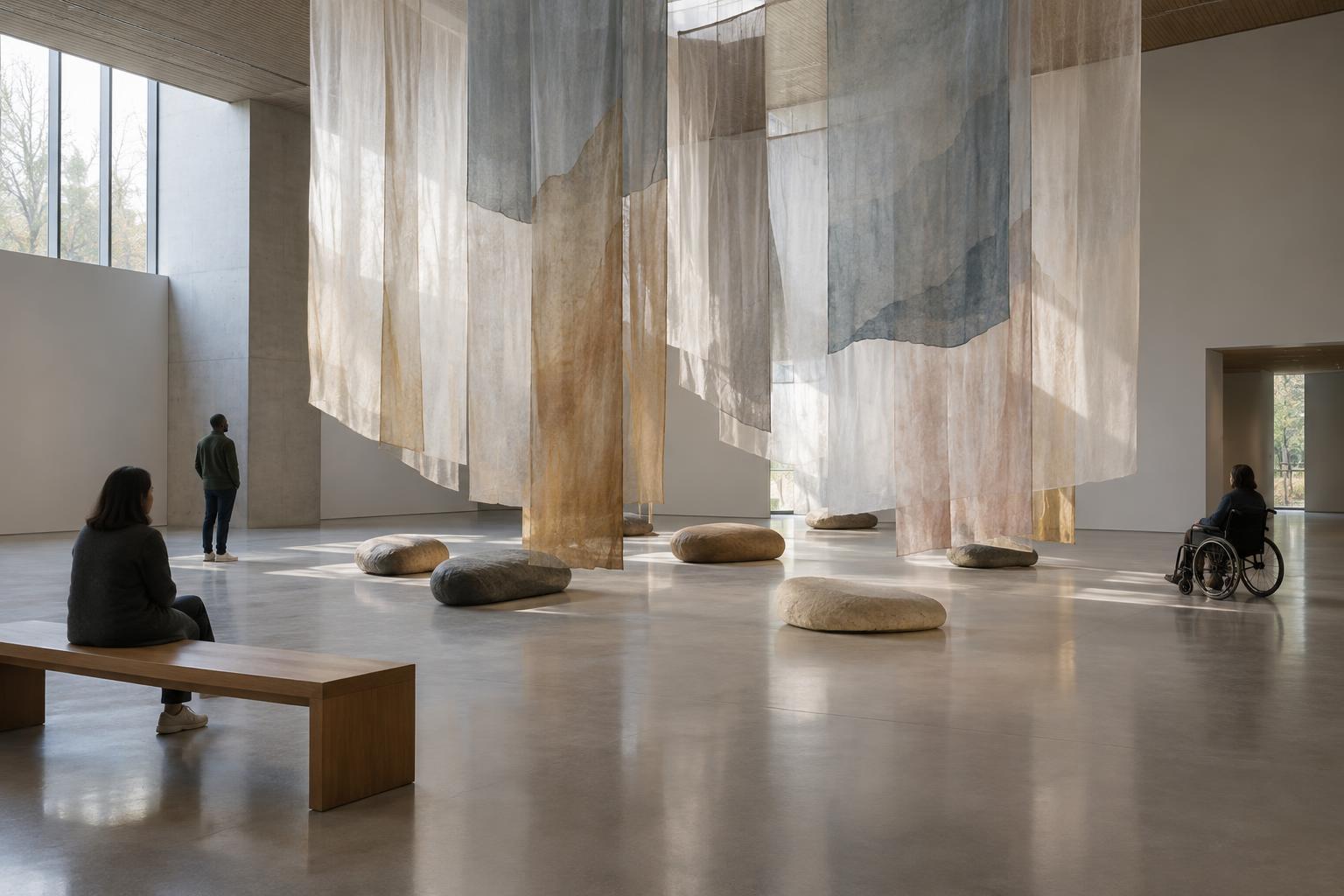
Installation and SpaceInstallation art can invite movement, listening, touch or quiet observation, but no visitor experiences a space in exactly the same way. A flexible approach to access starts before the exhibition opens and gives people useful choices without treating any one route as definitive.
Read article · 4 min↗
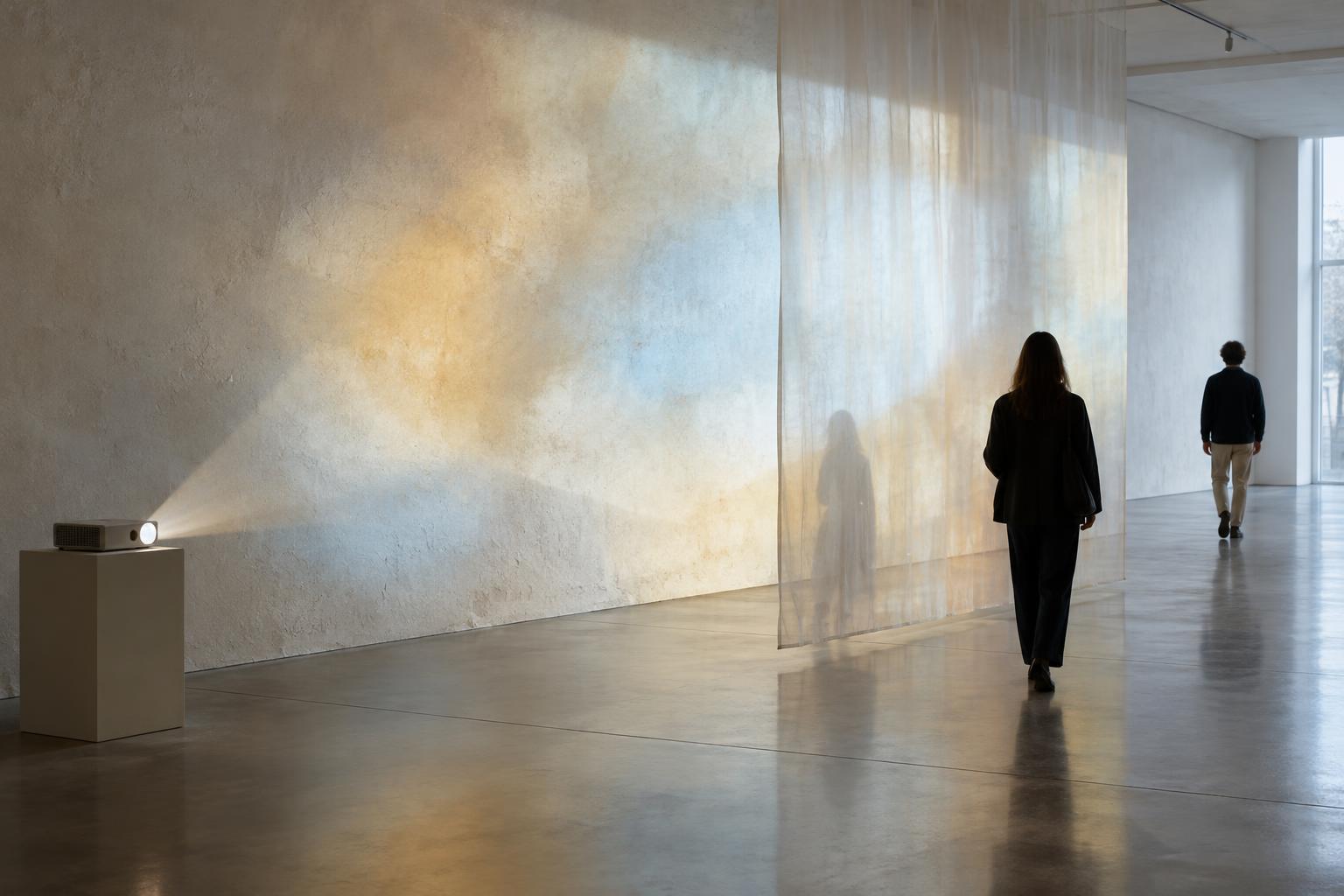
Installation and SpaceA projection installation is shaped by more than the image on screen. Surface texture, projector placement, ambient light and the way visitors move can all change what the work communicates. This guide offers a practical way to test those relationships before settling on a layout.
Read article · 4 min↗
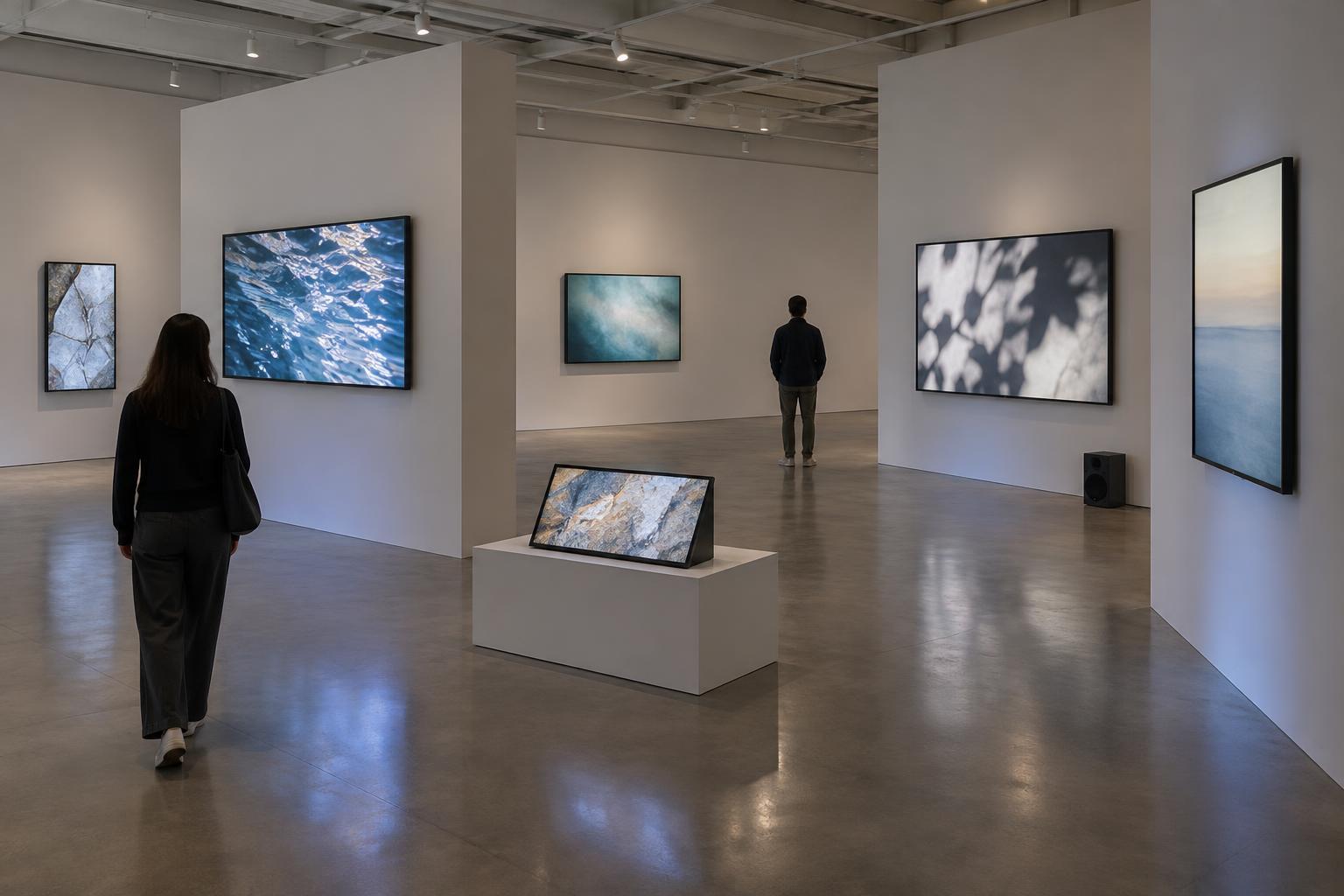
Installation and SpaceA multi-screen installation is more than a collection of videos playing at once. Screen placement, sightlines, sound, timing and the viewer’s path all shape how the work is encountered. This guide offers practical ways to plan those relationships in a gallery or other exhibition space.
Read article · 4 min↗
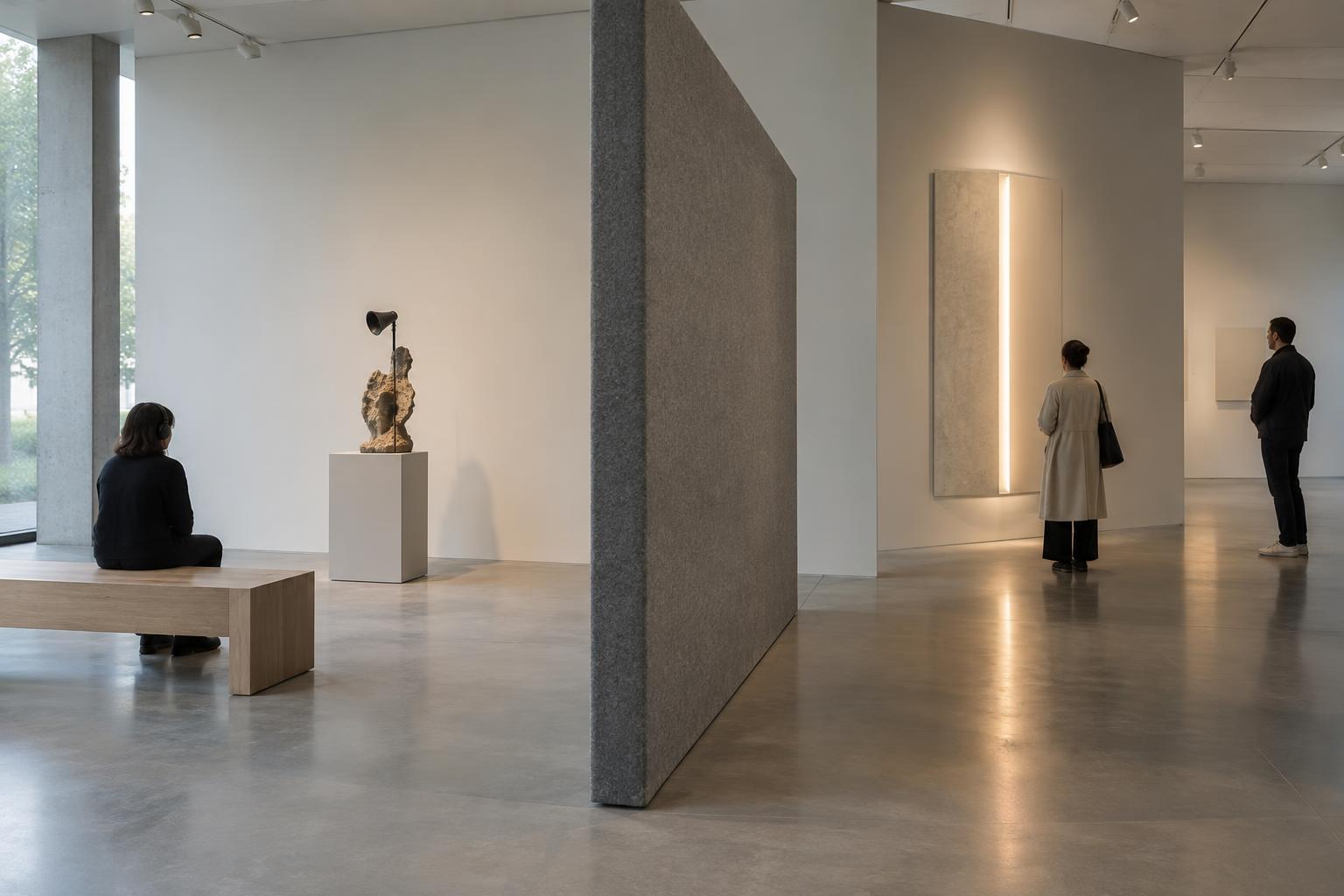
Installation and SpaceAudio can define an installation’s atmosphere, but it can also spill into neighboring work. A practical guide to mapping sound, choosing playback methods, shaping the space and testing an installation under visitor conditions.
Read article · 4 min↗
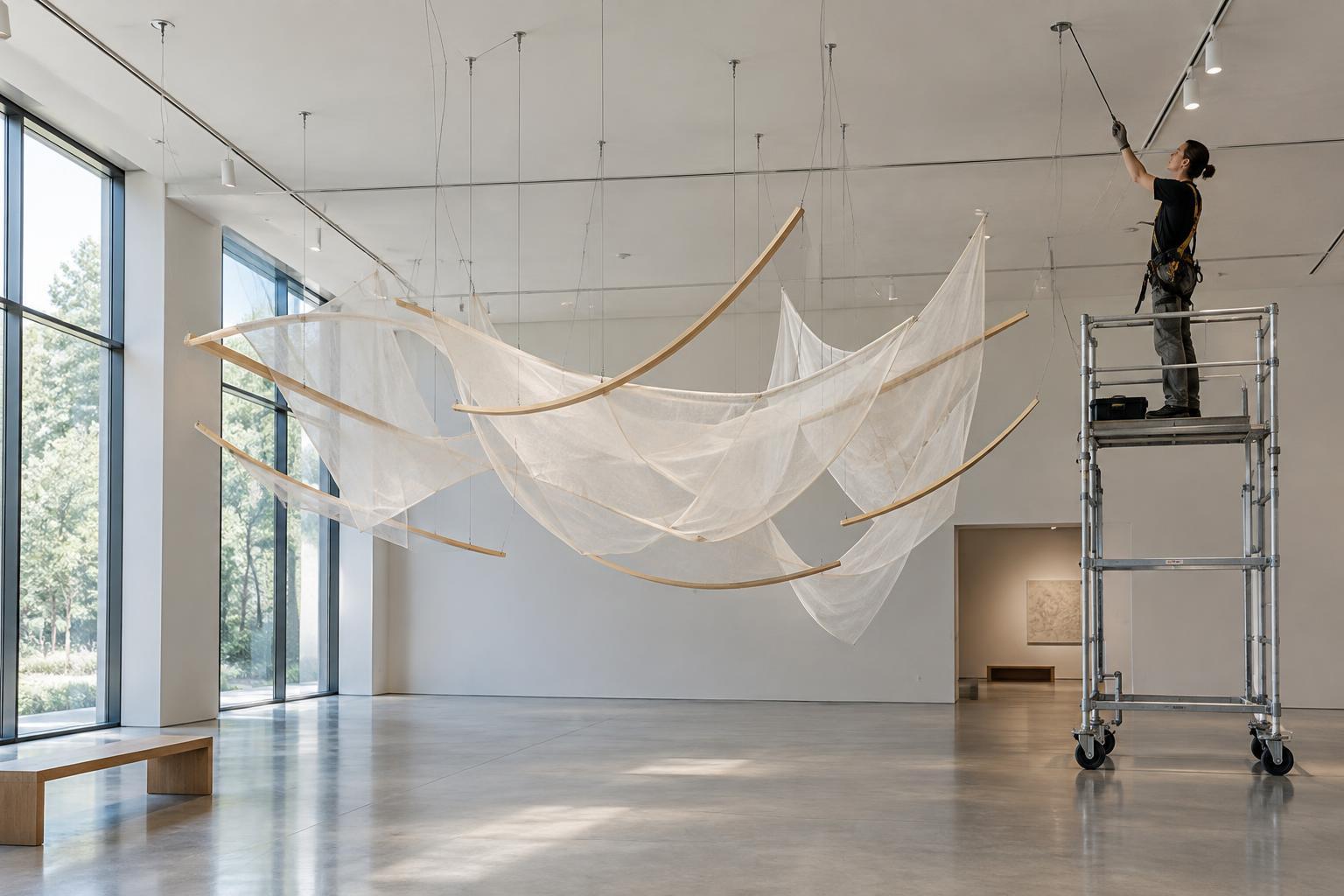
Installation and SpaceSuspended art can make a room feel newly alive, but its apparent weightlessness depends on careful planning. This guide outlines how artists and exhibition teams can describe an overhead work, coordinate with qualified rigging professionals, and maintain clear safety checks throughout an exhibition.
Read article · 4 min↗
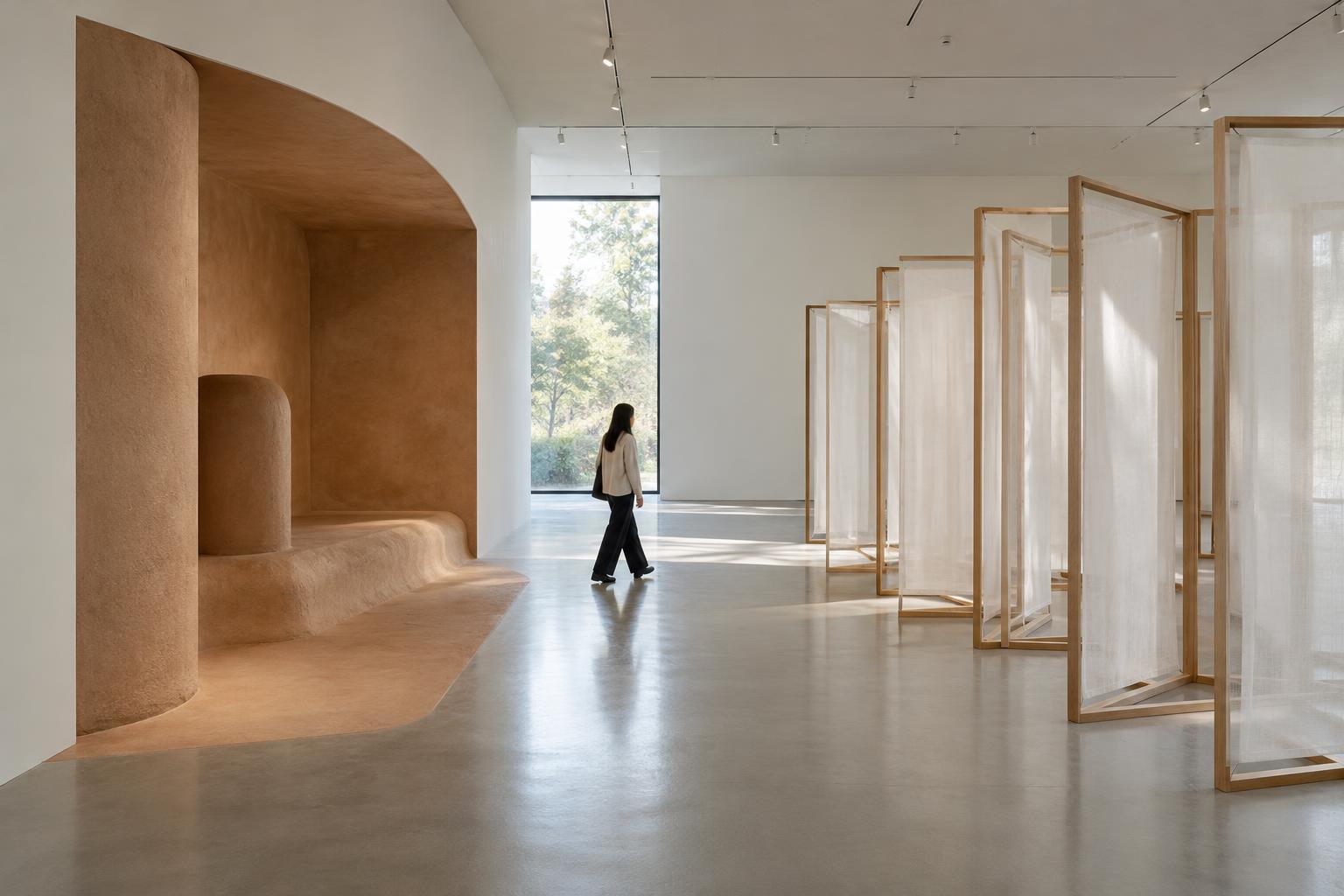
Installation and SpaceAn installation can be inseparable from one room or designed to change with each new setting. This guide compares fixed and modular approaches, from spatial relationships and materials to transport, documentation and the visitor’s experience.
Read article · 5 min↗
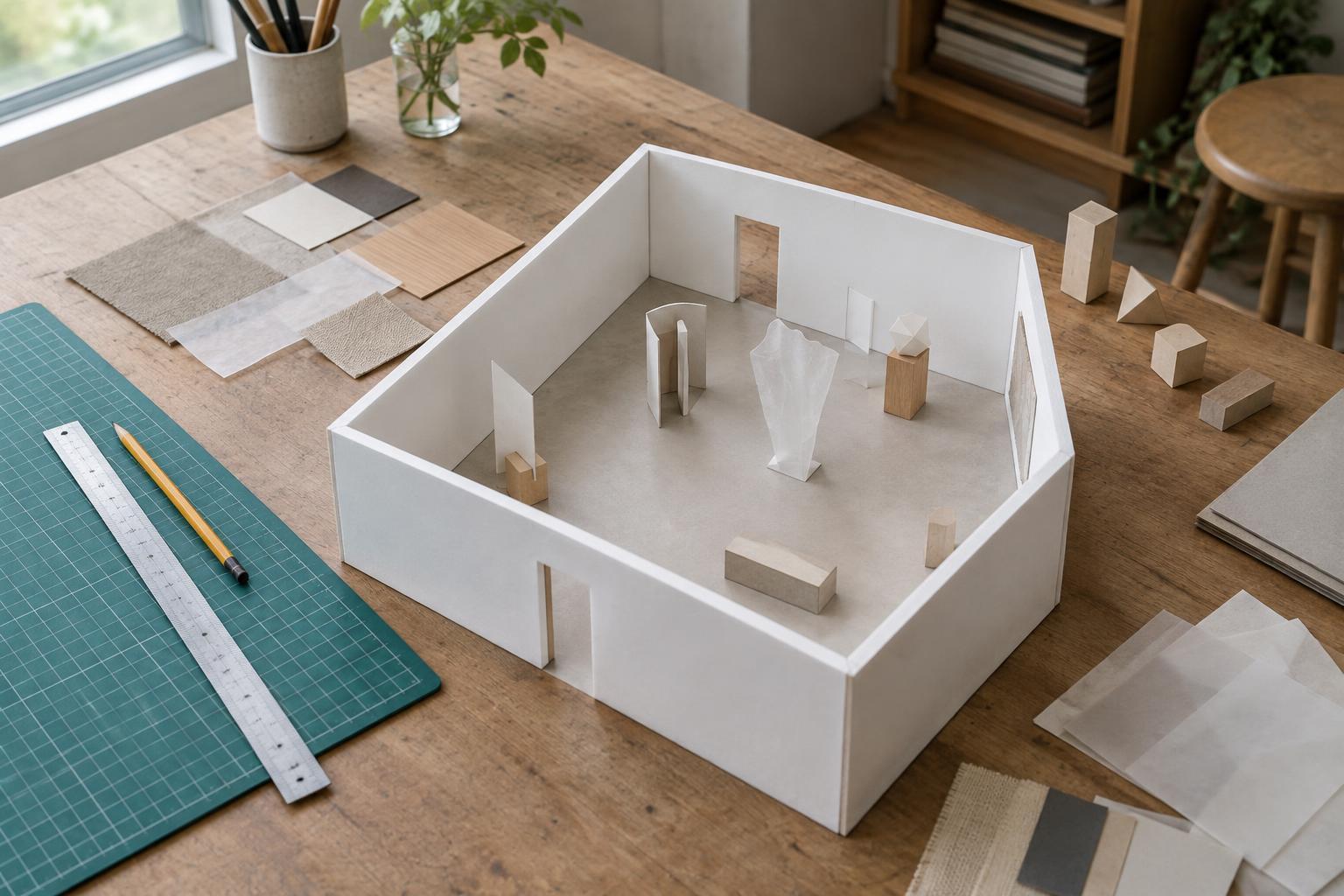
Installation and SpaceA scale model lets you test how an installation occupies a room before you commit to full-size materials. Learn how to measure the space, build a simple model, try different layouts and use what you discover to plan the work.
Read article · 4 min↗
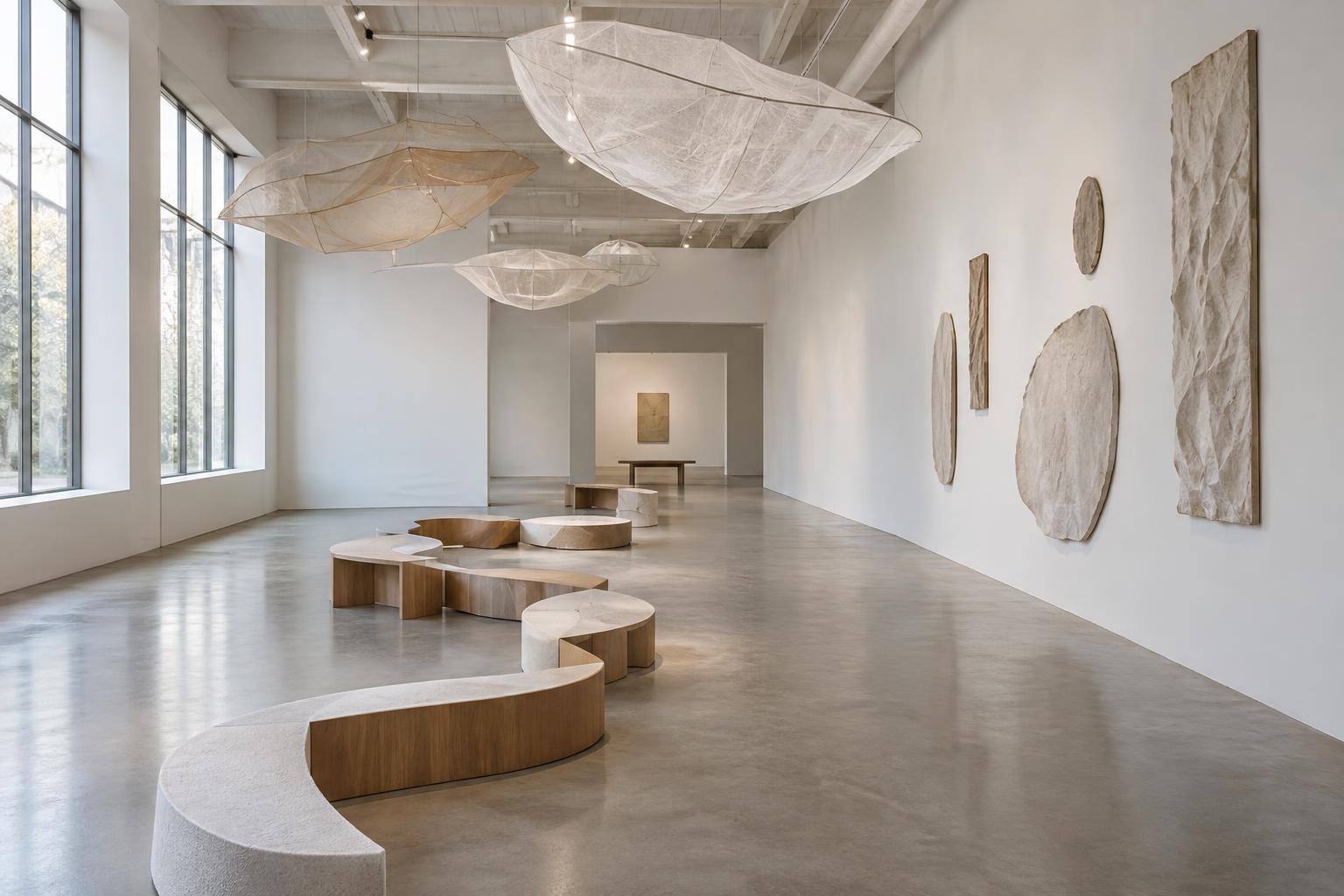
Installation and SpacePlacement changes how an installation is seen, approached and experienced. Use the floor, walls and ceiling as distinct parts of a composition, then test how each choice affects movement, attention and access.
Read article · 4 min↗
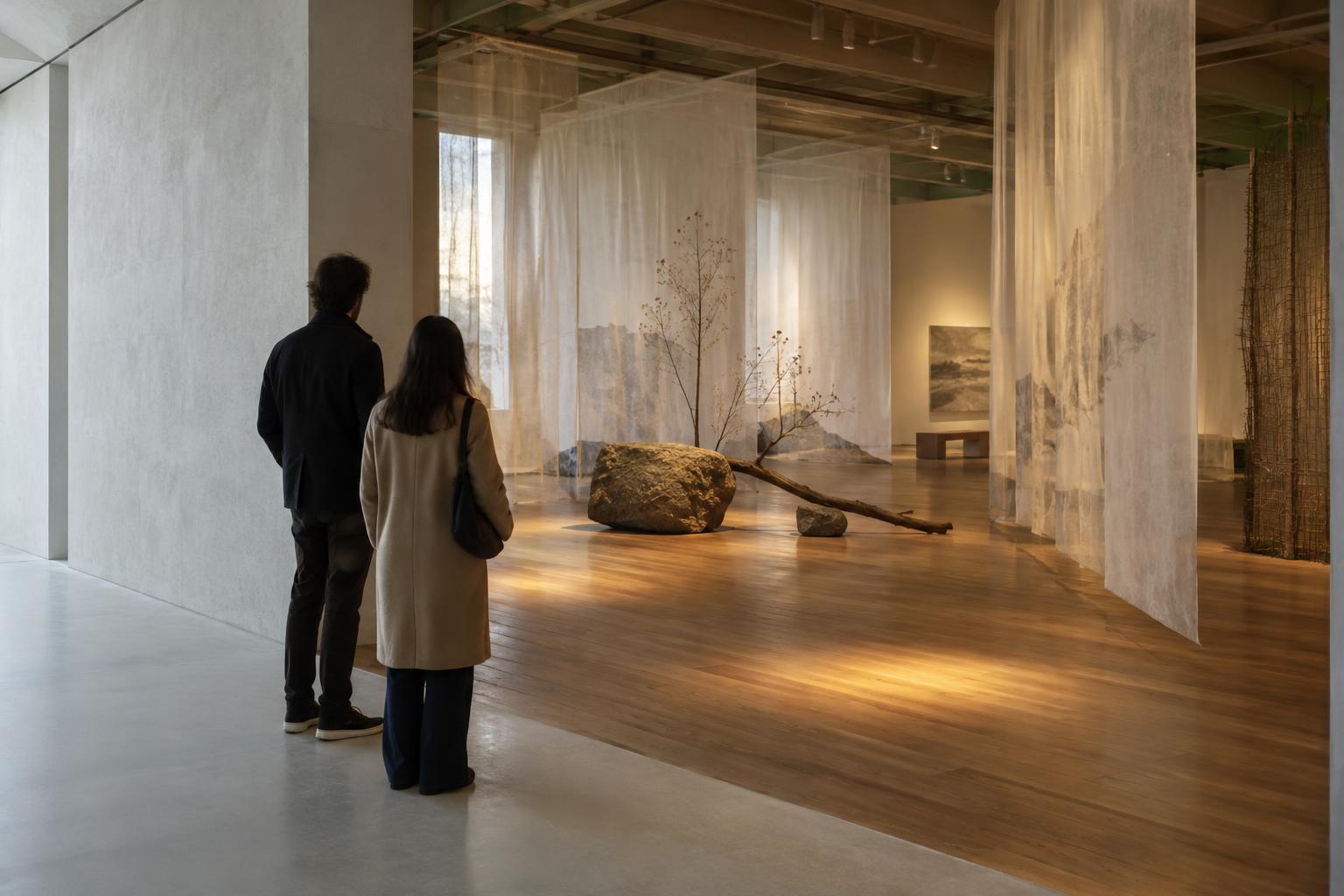
Installation and SpaceAn installation can begin before a visitor crosses a doorway. Light, sound, floor surfaces, sightlines and the behavior of other visitors all help mark the shift from ordinary space to artwork. Looking closely at these signals reveals how an entrance shapes attention, movement and interpretation.
Read article · 4 min↗
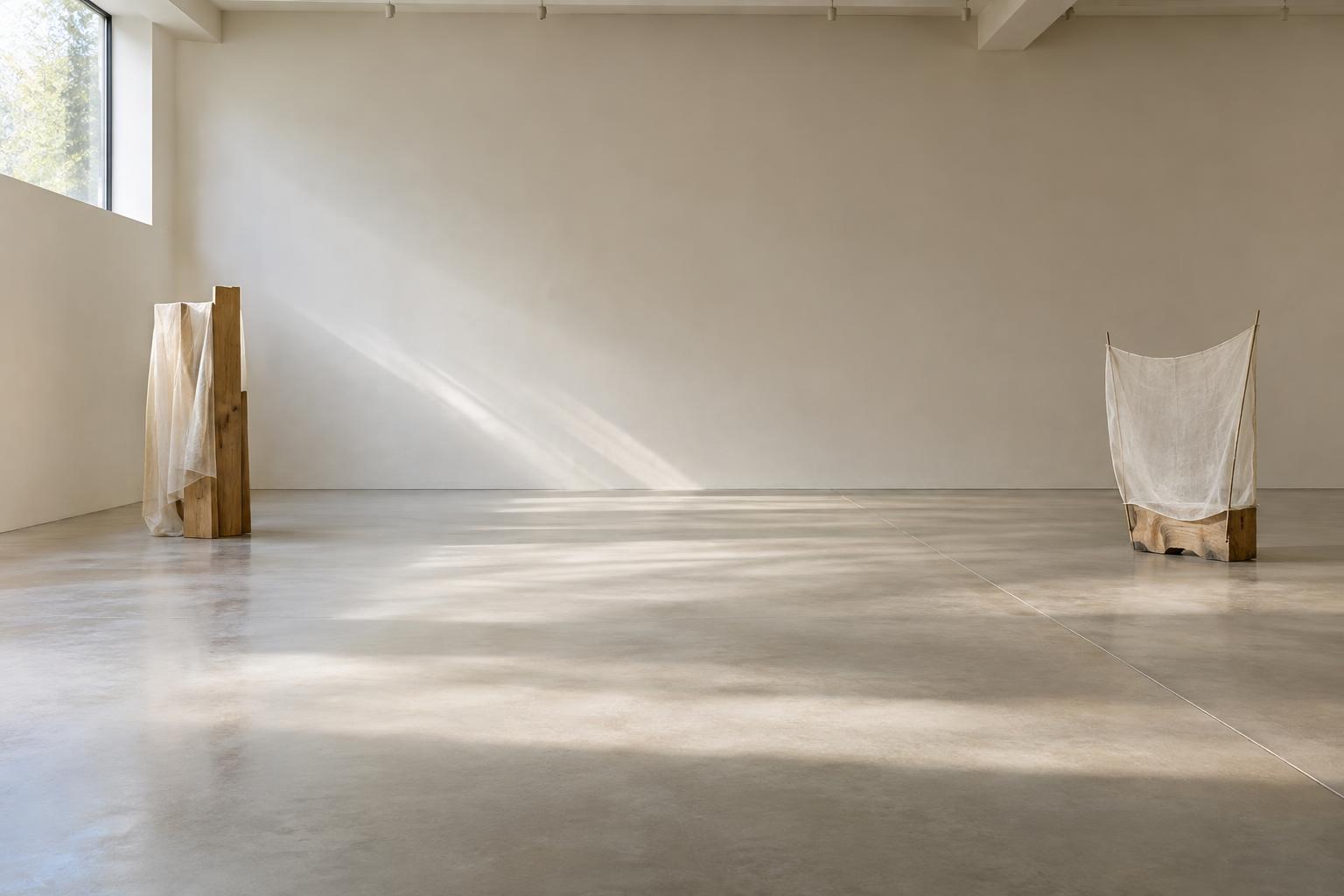
Installation and SpaceIn installation art, an unoccupied area can do more than separate objects. It can shape movement, direct attention and give viewers time to notice the room itself. Here is a practical way to think about empty space when making or interpreting an installation.
Read article · 4 min↗
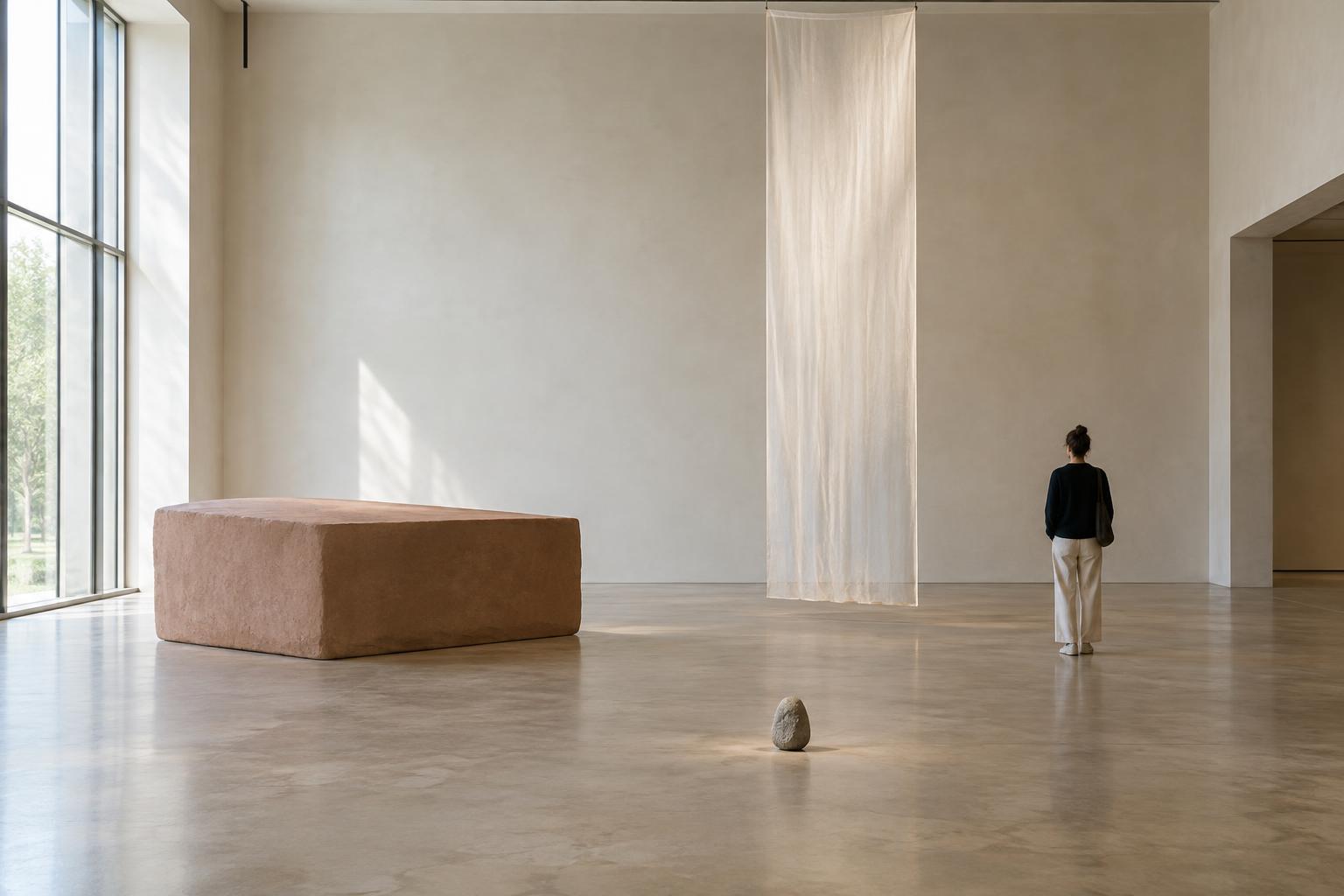
Installation and SpaceA large installation is not necessarily an imposing one, and a small work can change how an entire room feels. Explore how artists use size, spacing, height and the viewer’s body to shape an installation’s impact.
Read article · 4 min↗
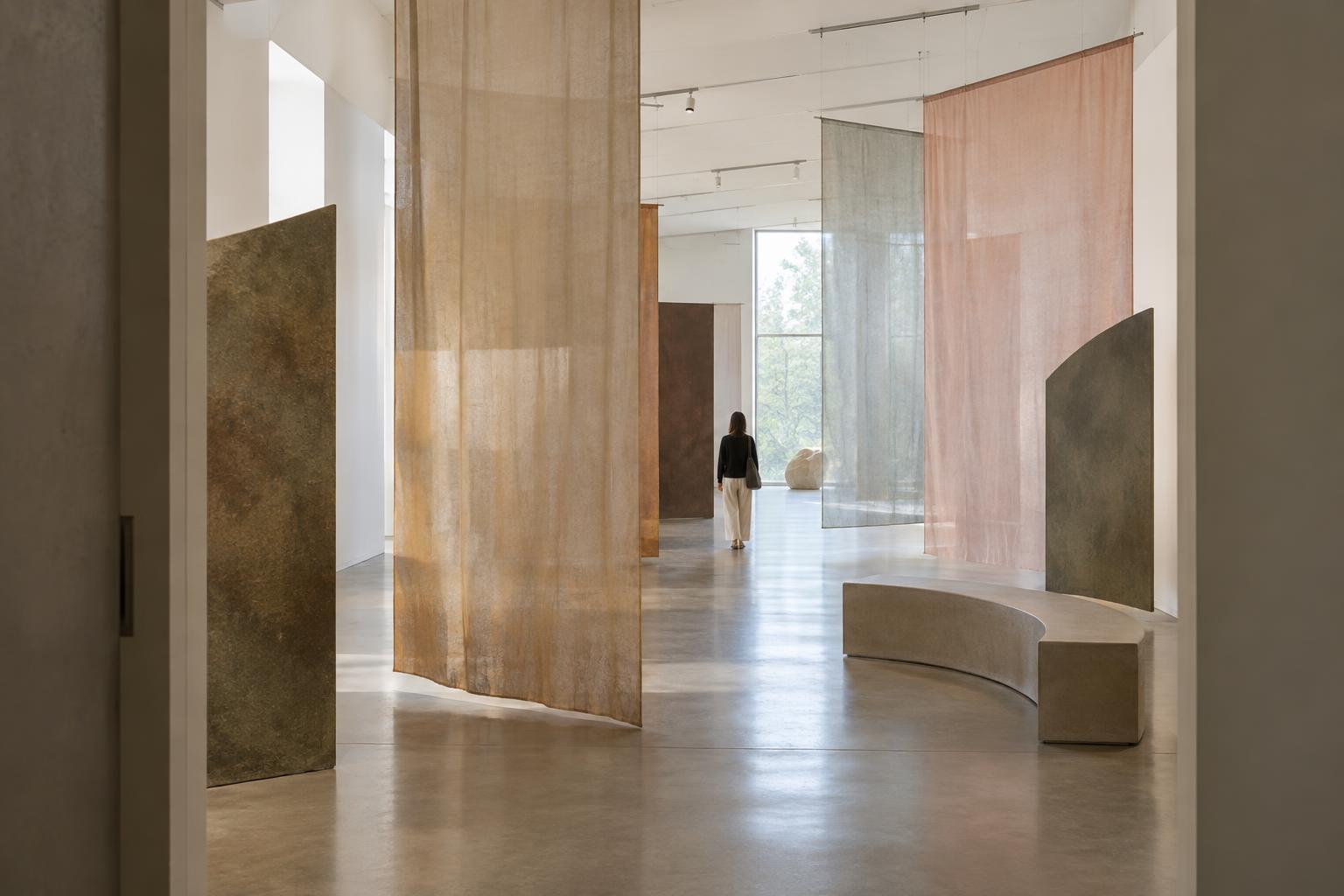
Installation and SpaceAn installation changes as people enter, move through, and look back at a space. This guide offers practical ways to plan sightlines, from the first view at the doorway to seated perspectives and moments of partial concealment.
Read article · 4 min↗
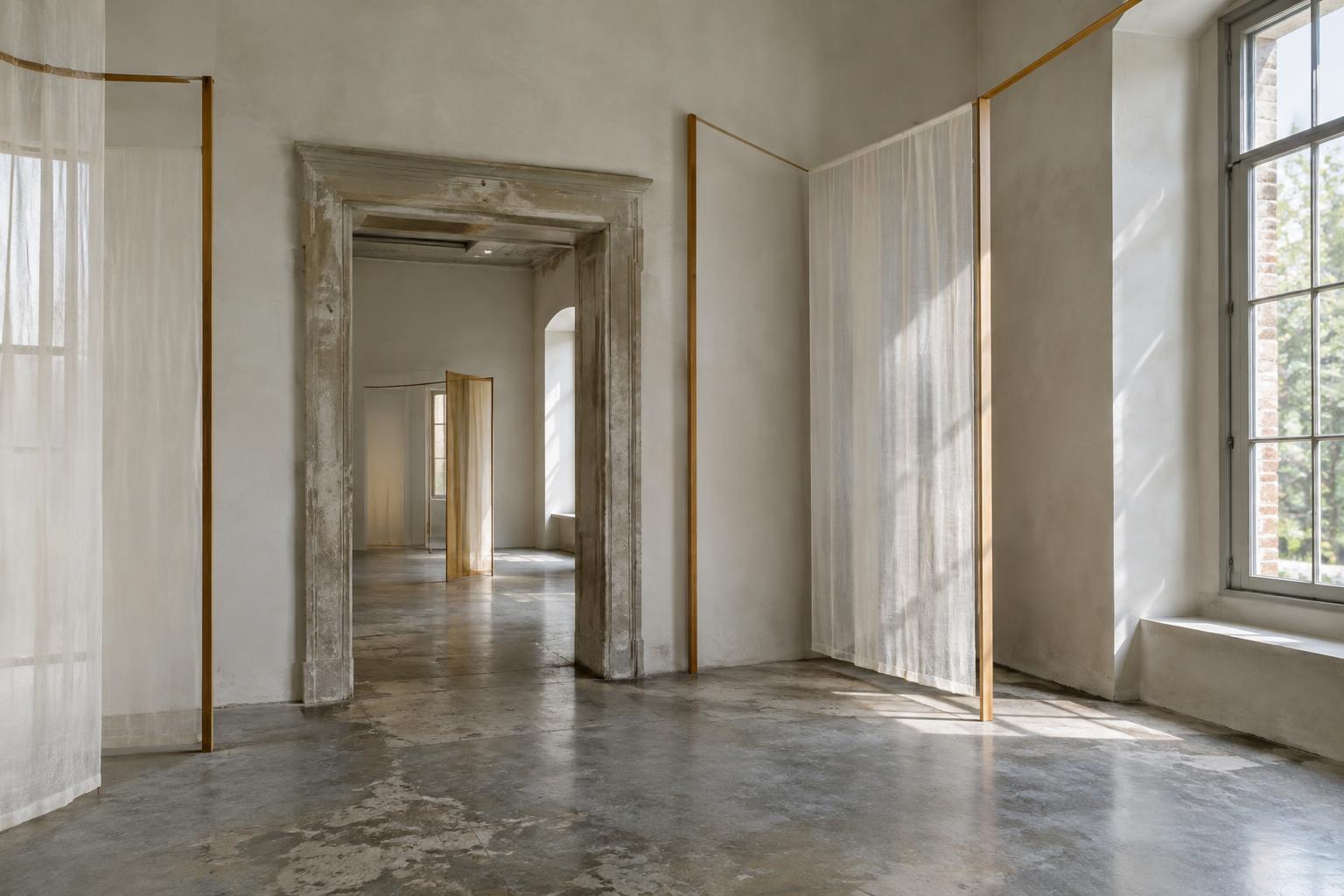
Installation and SpaceWalls, doorways, windows and floor plans are more than a backdrop for installation art. They can shape how a work is built, encountered and interpreted. Here is a guide to noticing the relationship between an installation and the space it occupies.
Read article · 4 min↗
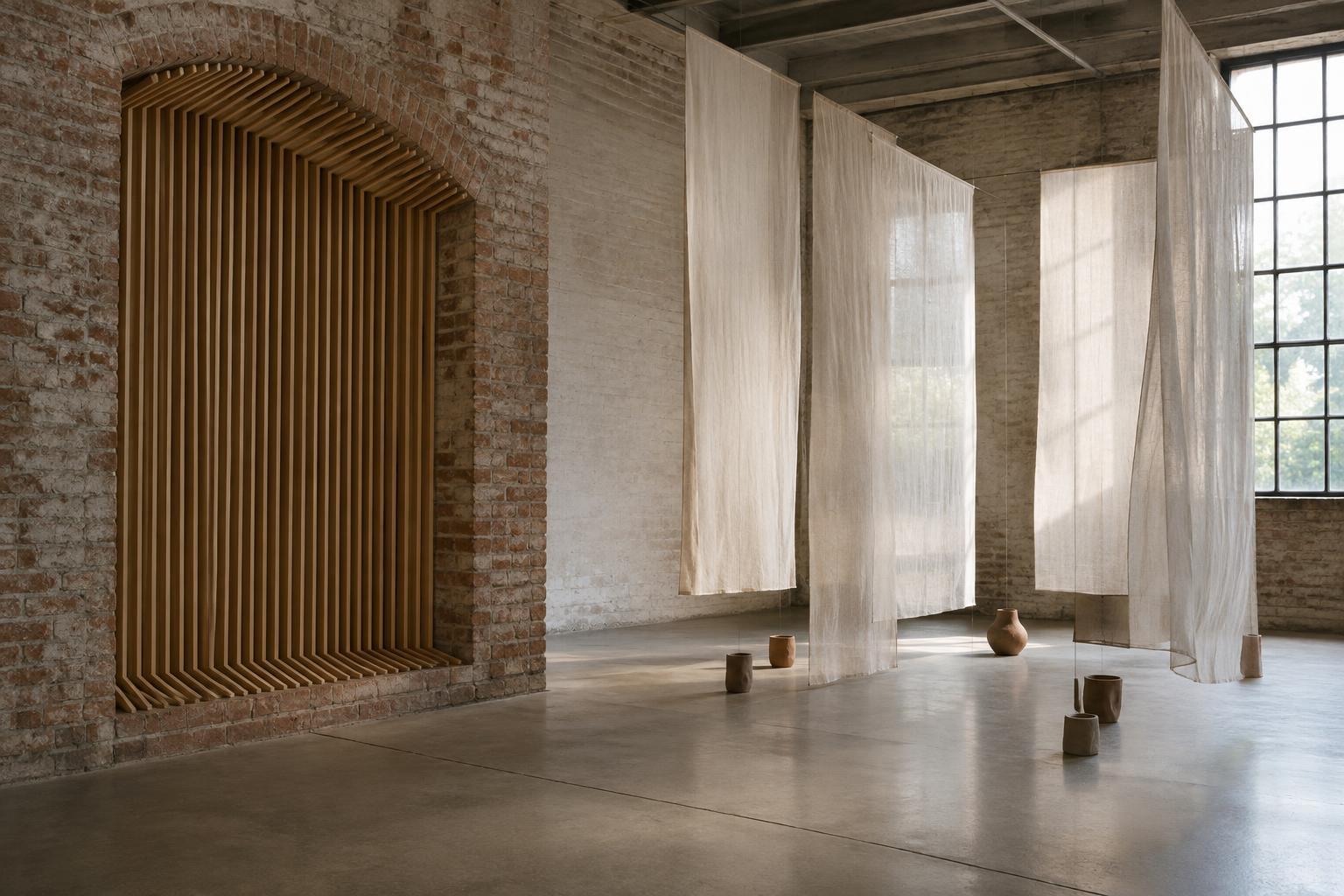
Installation and SpaceBoth site-specific and site-responsive installations engage with where they are shown, but they do so in different ways. One is closely bound to a particular place; the other develops through an artist’s response to its conditions. Understanding the distinction can sharpen how we look at space, materials and meaning.
Read article · 4 min↗
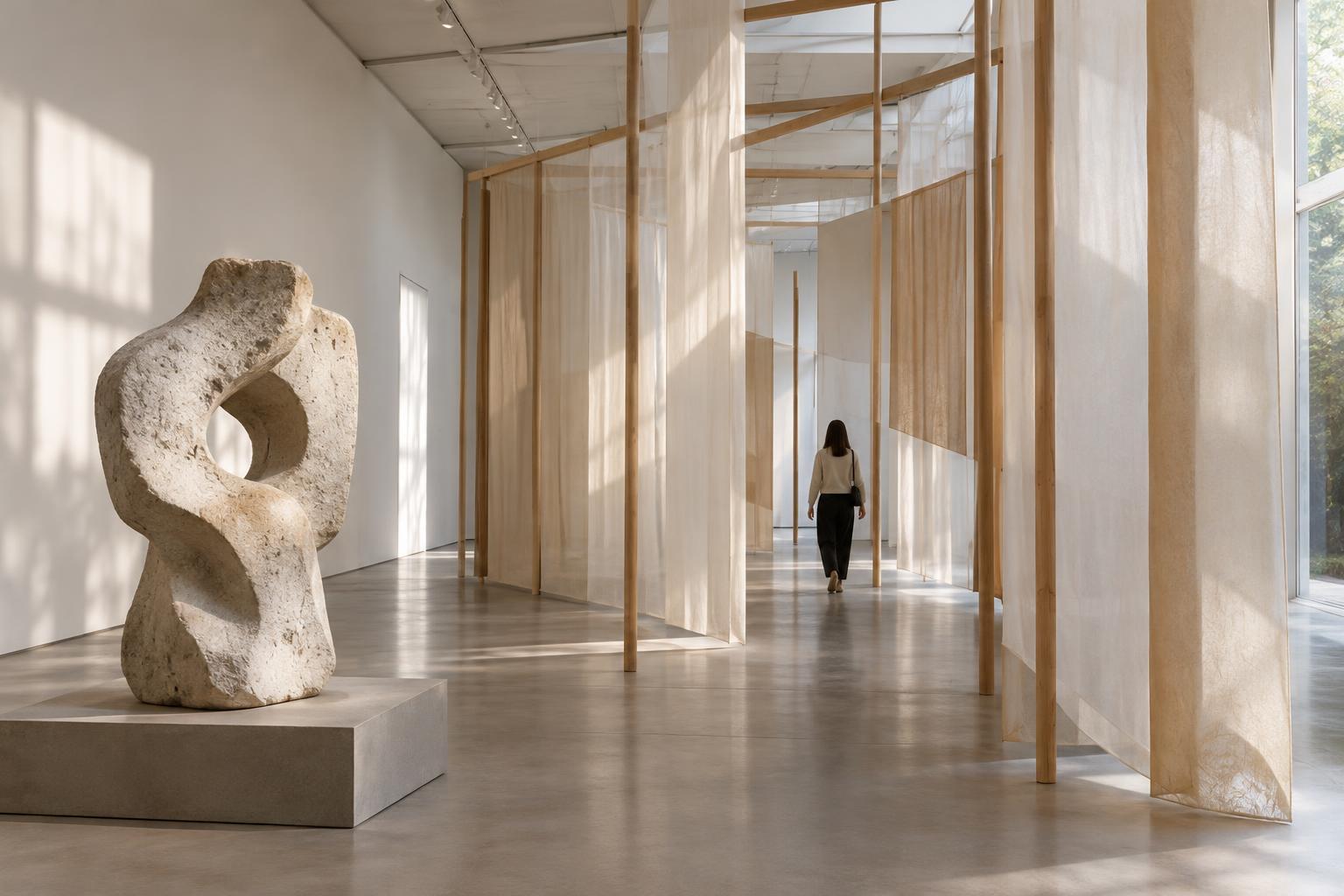
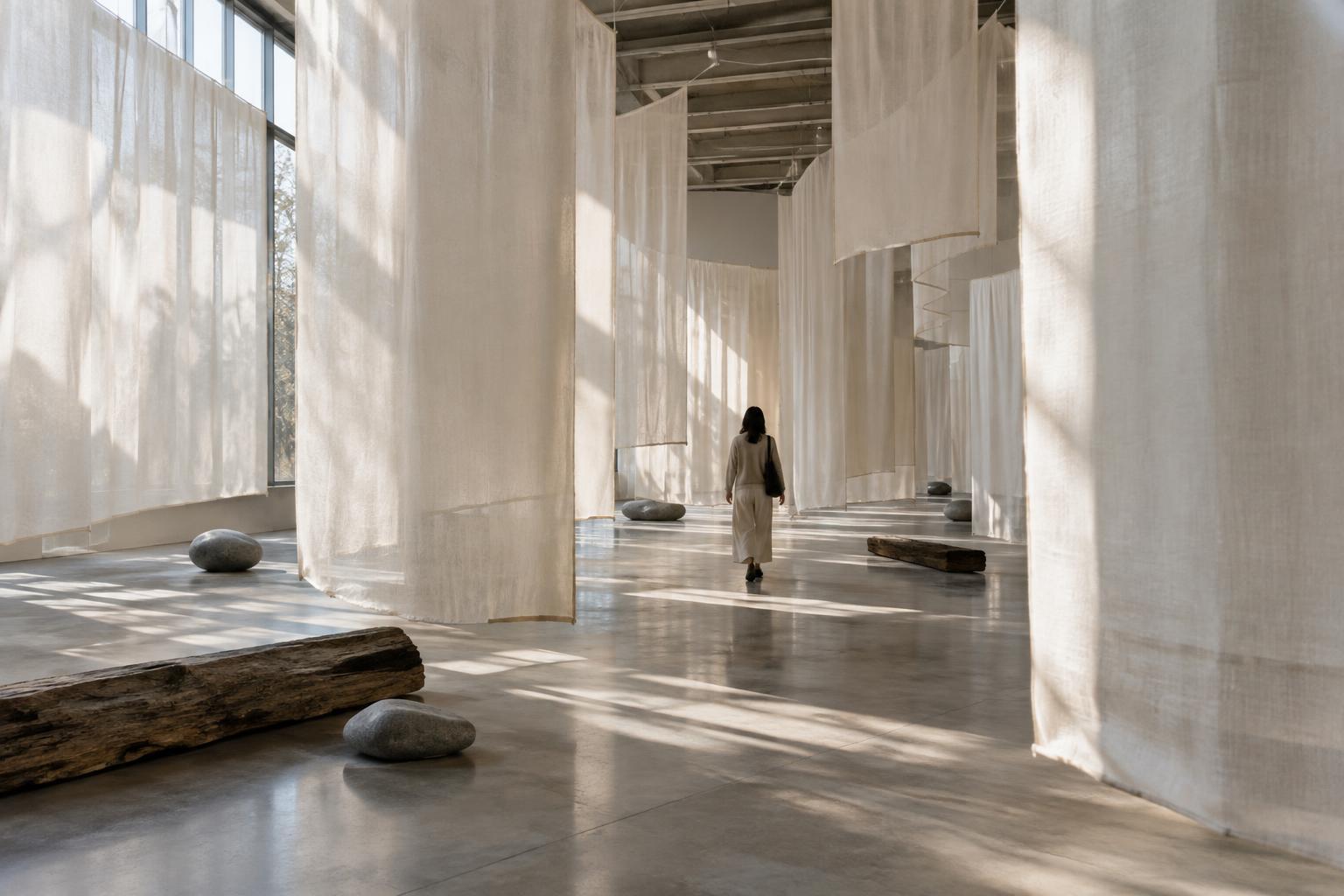
Installation and SpaceInstallation art turns a place into part of the artwork. This beginner’s guide explains how space, materials and the visitor’s movement shape the experience, with practical ways to look more closely.
Read article · 4 min↗