What the Space Contributes
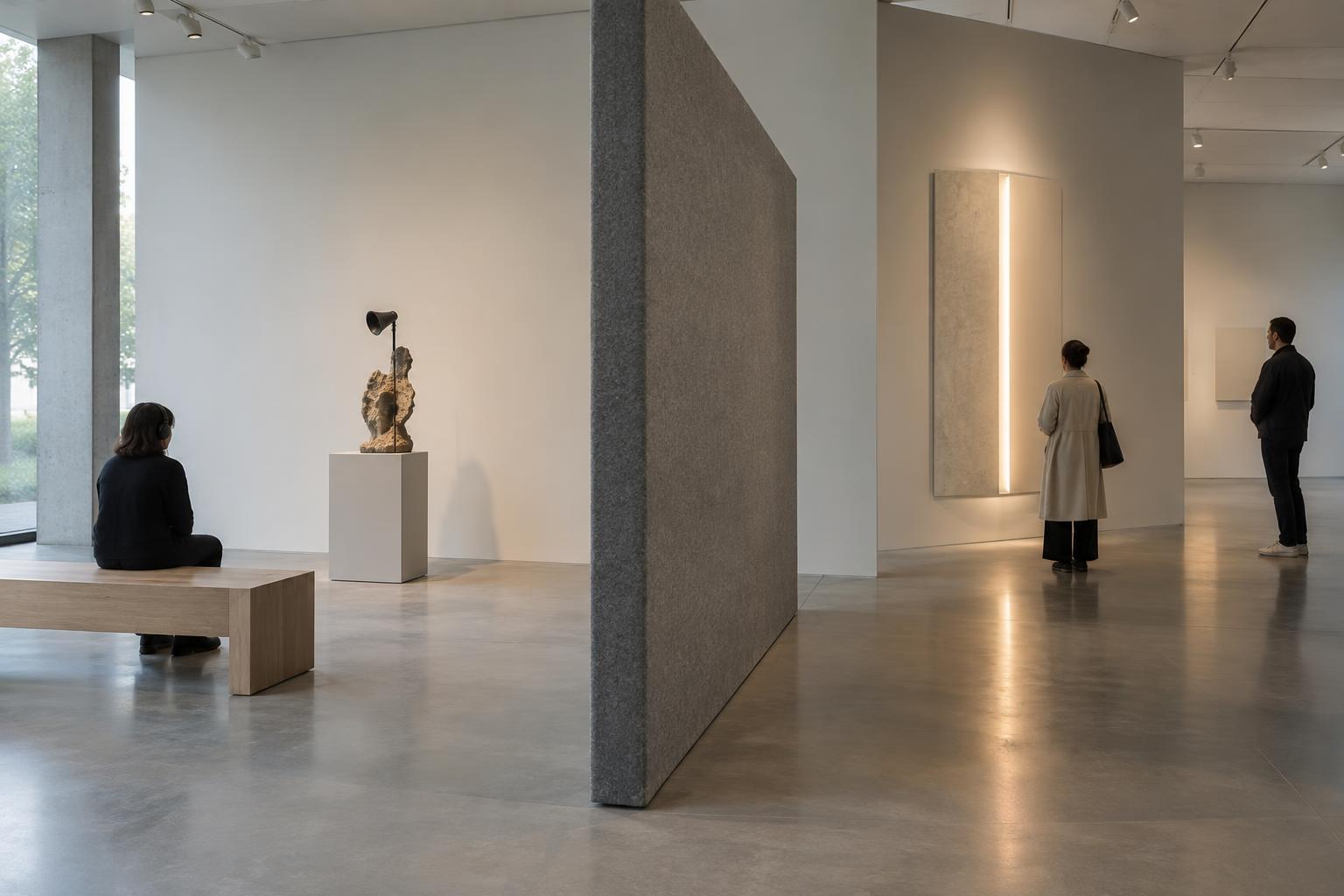
An installation is not simply an object placed in a room. Its scale, lighting, pathways and sound can make the surrounding space part of the work. A narrow entrance may create anticipation; a high ceiling may make a suspended element feel unusually distant. When planning an installation, a useful first question is whether those particular conditions are essential to the idea or whether the idea can take different forms elsewhere.
A fixed installation is conceived for a specific setting or arrangement. Its dimensions, attachments or sequence may depend on one wall, floor plan or architectural feature. A modular installation is made from components that can be assembled in more than one configuration. Neither approach is inherently more thoughtful or more ambitious. The difference lies in which relationships the artist chooses to preserve: a precise encounter with one place, or a set of rules that can produce encounters in several places.
Designing for One Place
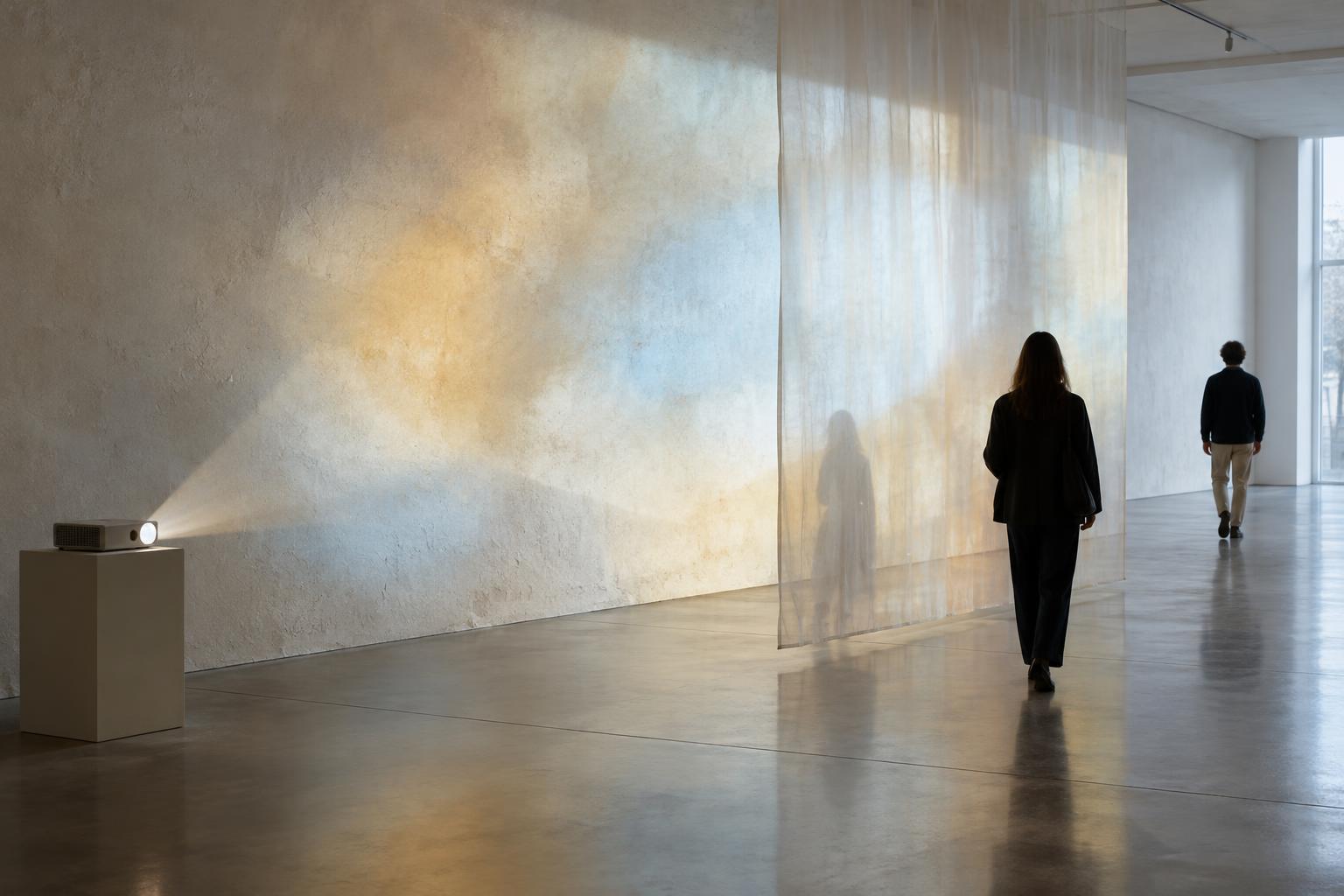
A fixed approach lets an artist respond closely to what a site already offers. A column might interrupt a line of sight, a window might change the appearance of a surface during the day, or an existing passage might determine the order in which visitors meet the work. Rather than treating these conditions as obstacles, the artist can make them central to the installation’s meaning.
That closeness also creates constraints. Measurements and tests matter because a small change in position can alter how a work is seen or navigated. The artist may need to consider access routes, nearby works, permitted attachment points and how the site will be restored afterward. Temporary, non-damaging methods can sometimes achieve a site-specific effect without permanently changing a room, but their suitability depends on the materials and setting.
A fixed work does not necessarily disappear when its installation ends. Drawings, photographs, component samples and written descriptions can record how it operated. Such documentation can help others understand the work, although it cannot fully reproduce the experience of moving through its original space.
Designing for Adaptation
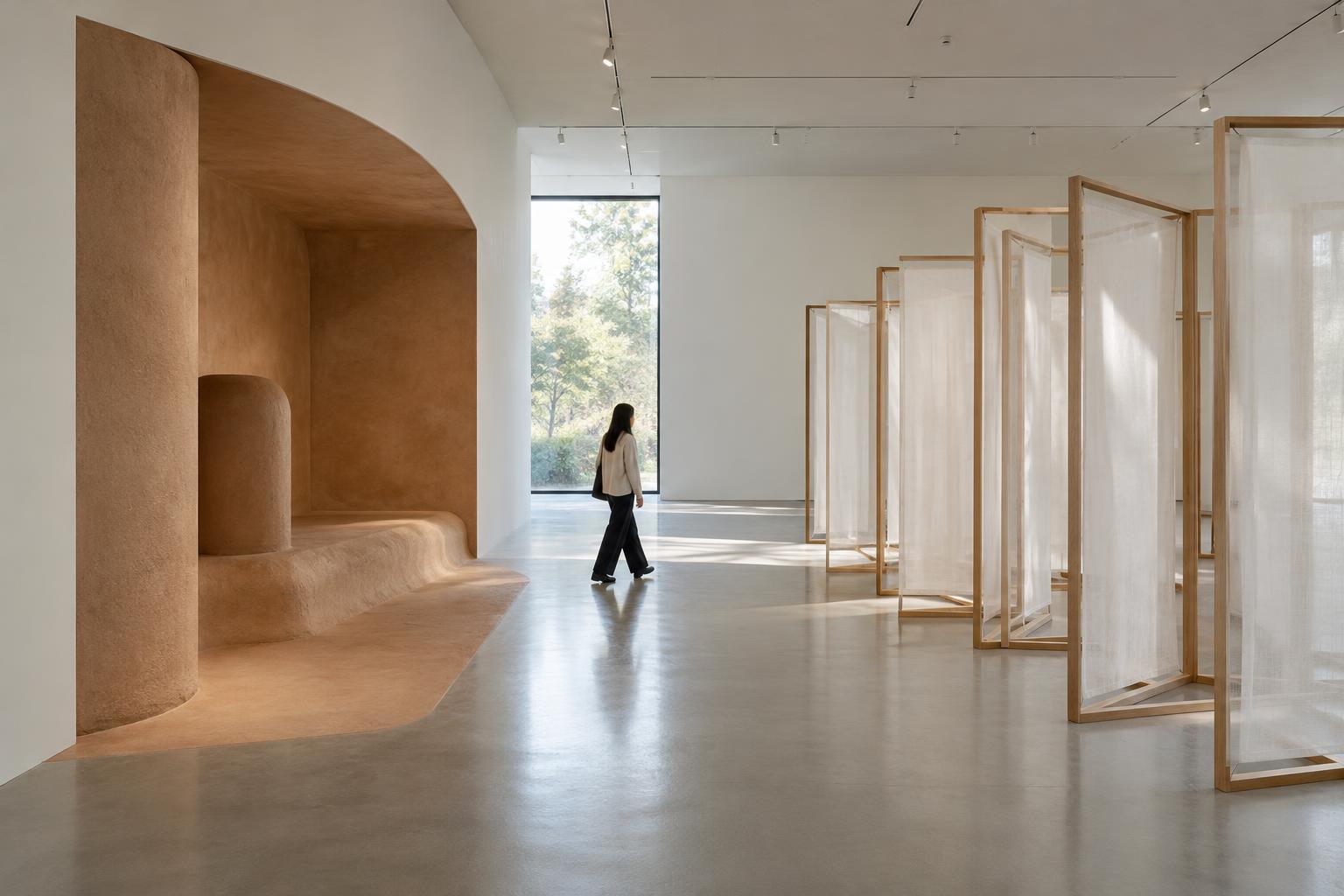
Modular design begins with repeatable parts and a clear account of how they relate. Panels might connect in several sequences, lightweight forms might be grouped at different distances, or a projection might use a flexible layout while retaining a consistent visual rhythm. The aim is not to make every presentation identical. It is to decide what must remain recognizable when the room changes.
That decision calls for both freedom and limits. An artist might specify minimum clearances, an order of assembly, the direction of a light source or the number of elements that must be visible together. Other choices can be left open to the site. Without such guidance, adaptability can become ambiguity: a work may fit a new room physically while losing the spatial tension that gave it purpose.
Modularity can also influence material choices. Parts that are repeatedly handled may need durable surfaces, understandable connections and a practical way to be stored. Transport is only one consideration; assembly time and the ease of checking that every component is present matter too. A simple labeling system or installation diagram can protect the artistic idea by making its intended relationships easier to maintain.
How Each Approach Changes the Visitor’s Experience
In a fixed installation, visitors encounter a work shaped around the space they occupy. The sense that it could not sit quite the same way elsewhere may draw attention to the room’s overlooked features. A threshold, corner or patch of daylight can become as significant as a fabricated element. The visitor’s route is often part of the composition.
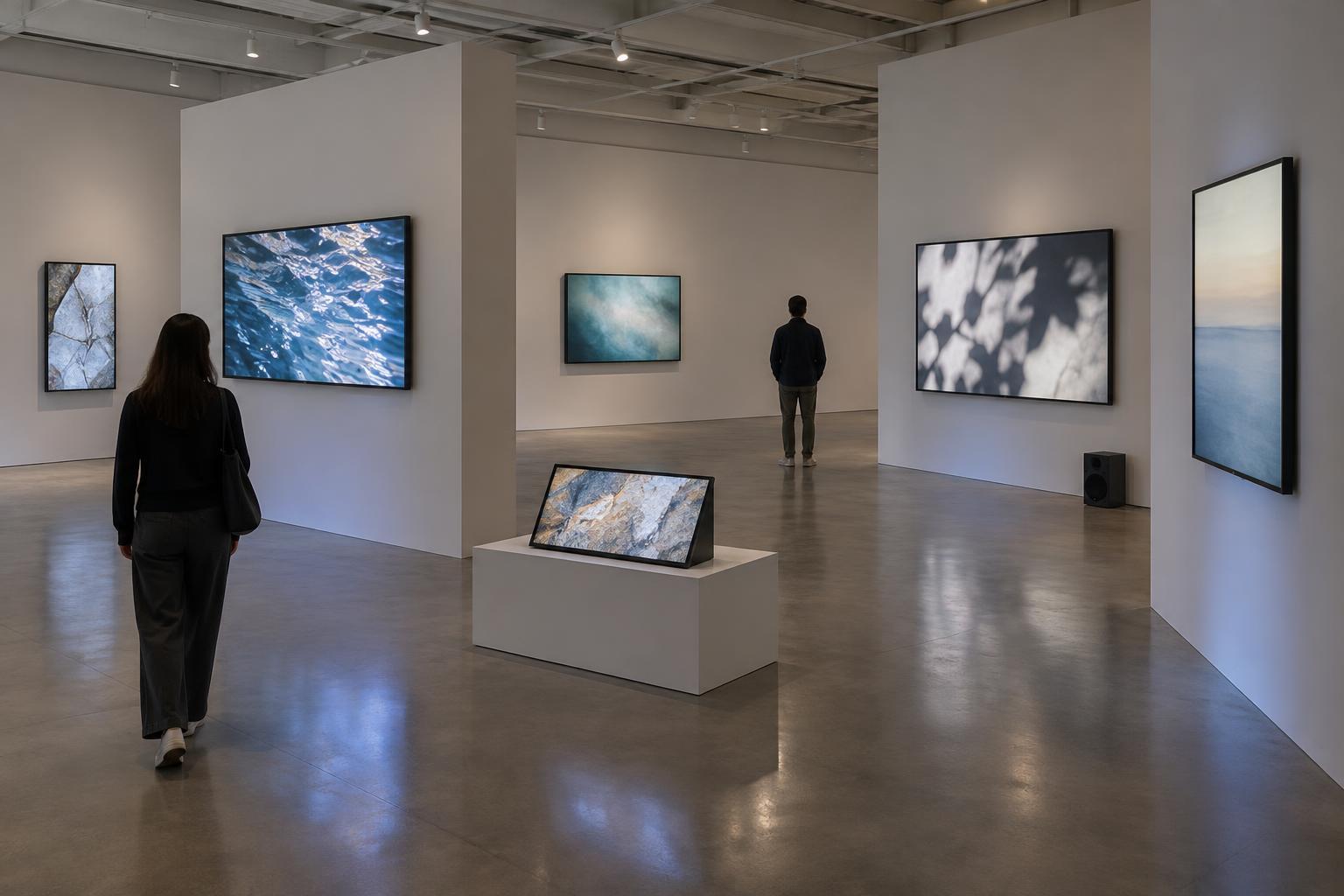
A modular installation can make variation visible instead. Someone familiar with an earlier version may notice how a new arrangement changes pace, proximity or emphasis. Even without that comparison, visitors can experience a work whose parts suggest different possible connections. Adaptation need not make the encounter less specific: each presentation can still respond carefully to its present surroundings.
For both approaches, interpretation benefits from explaining the role of the site without prescribing a single response. A short description might identify whether the arrangement is unique to the room or one version of a larger system. This gives visitors a way to consider what they are seeing while leaving room for their own observations.
Choosing the Right Structure for the Idea
A useful planning exercise is to describe the installation without naming its materials. Is the core idea a particular obstruction, a sequence of discoveries, a change in scale or a repeated relationship between parts? If the idea depends on a specific architectural condition, a fixed design may offer the strongest expression. If it depends on relationships that can be re-created under different conditions, a modular design may give those relationships room to develop.
The choice need not be absolute. An artist can make modular components for a fixed, site-responsive arrangement, or set firm spatial rules for a work that travels. A small mock-up or floor plan can expose questions before production begins: where does a visitor stand, what remains visible from the entrance, and which adjustments would change the work rather than merely accommodate the room?
The strongest structure is the one that makes those decisions intentional. Designing for one space asks what this place alone can contribute. Designing for many asks which qualities can survive change and which should change with it. Both begin by treating space not as an empty container, but as an active material of the work.