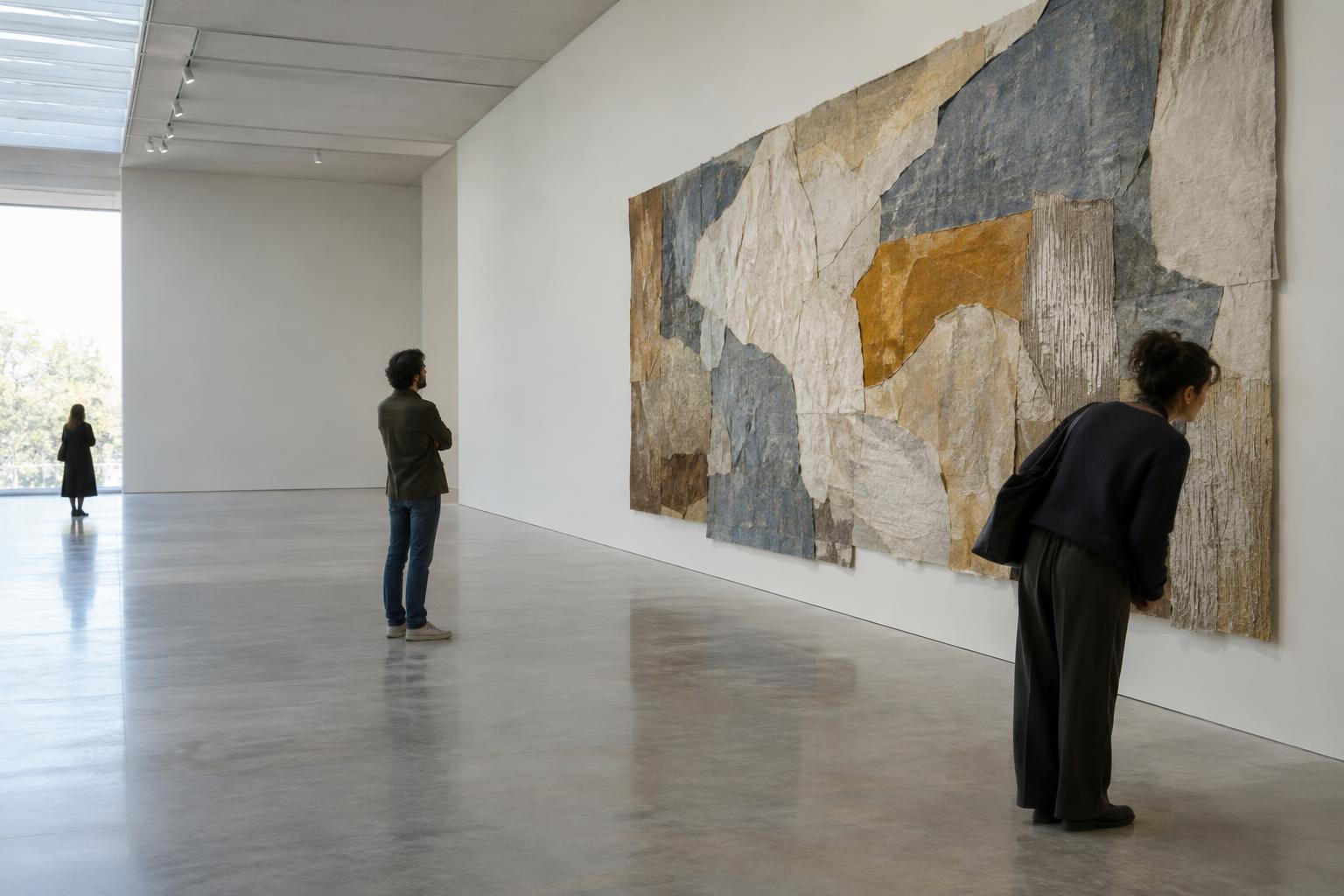
Creative PracticeAn artwork can change as a viewer approaches it. Use close, middle and distant views to notice what draws attention, what becomes difficult to read and how the work relates to its surroundings.
Read article · 4 min↗
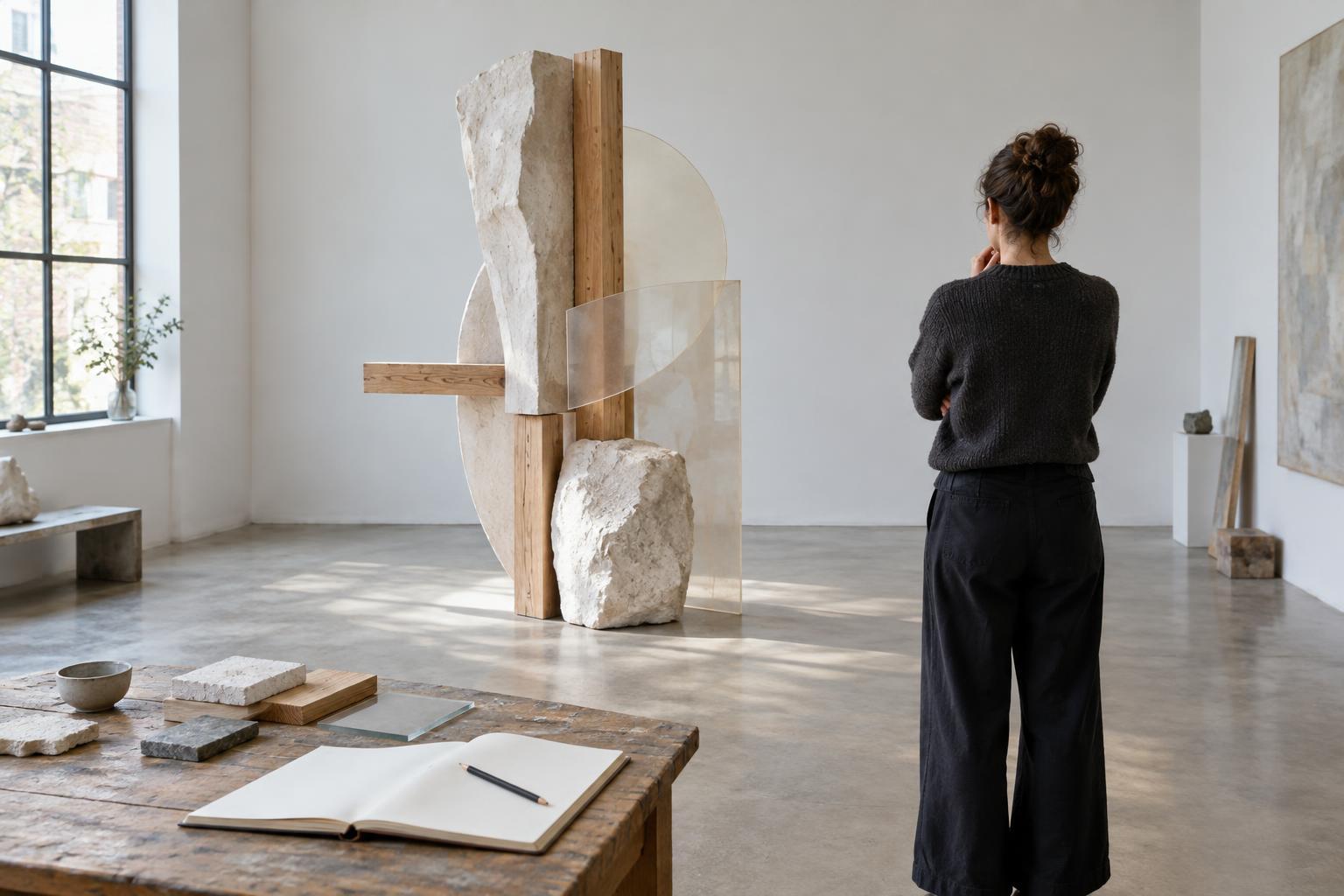
Creative PracticeFinishing an artwork is also a chance to understand how it was made. A practical review can help you notice what changed, what worked in the space, where the process became difficult, and which lessons are worth carrying into your next project.
Read article · 4 min↗
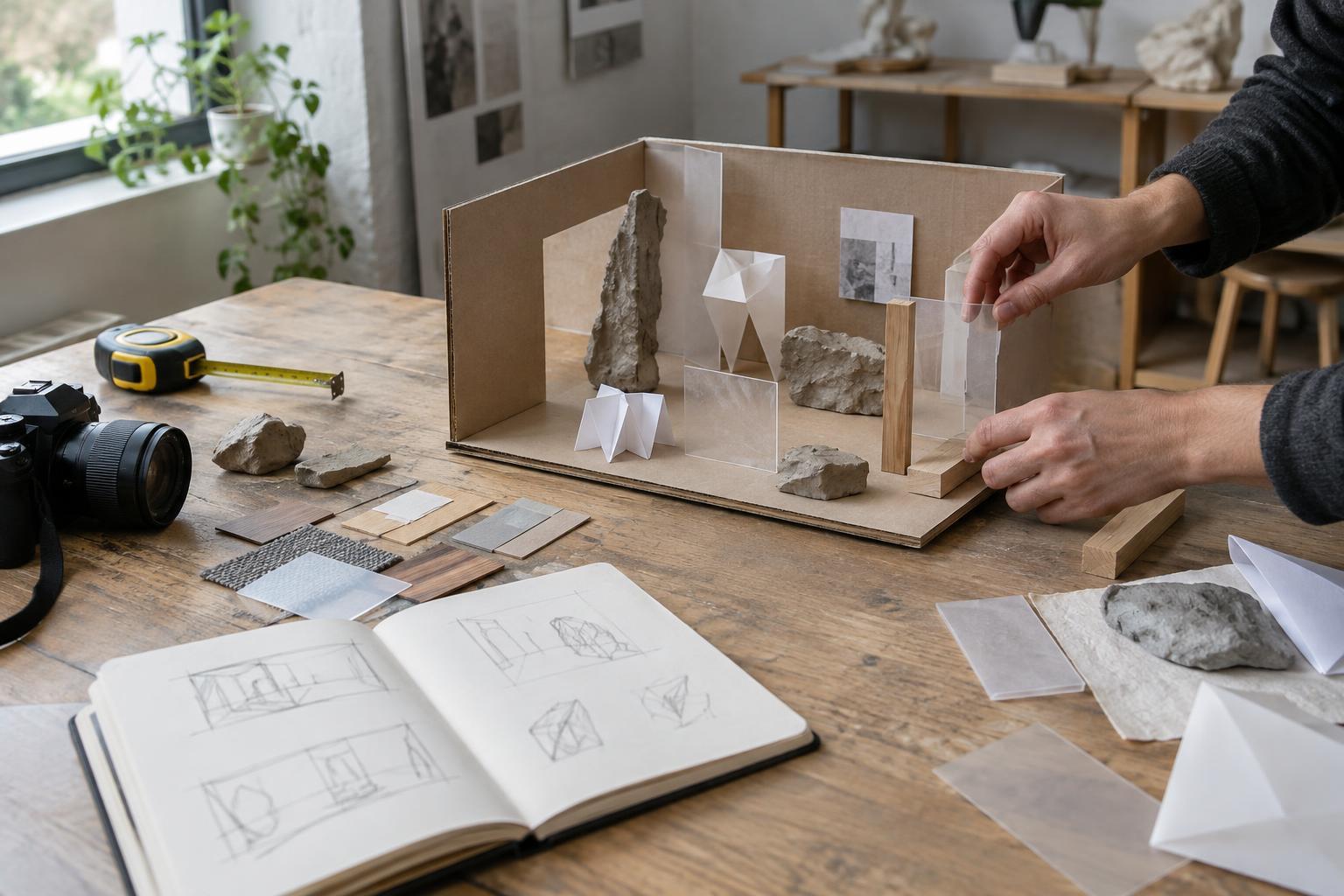
Creative PracticeCreative projects need room for discovery, but they also benefit from a workable plan. Learn how to avoid vague goals, unchecked assumptions about materials and space, unrealistic schedules, scattered documentation, and plans too rigid to accommodate change.
Read article · 4 min↗
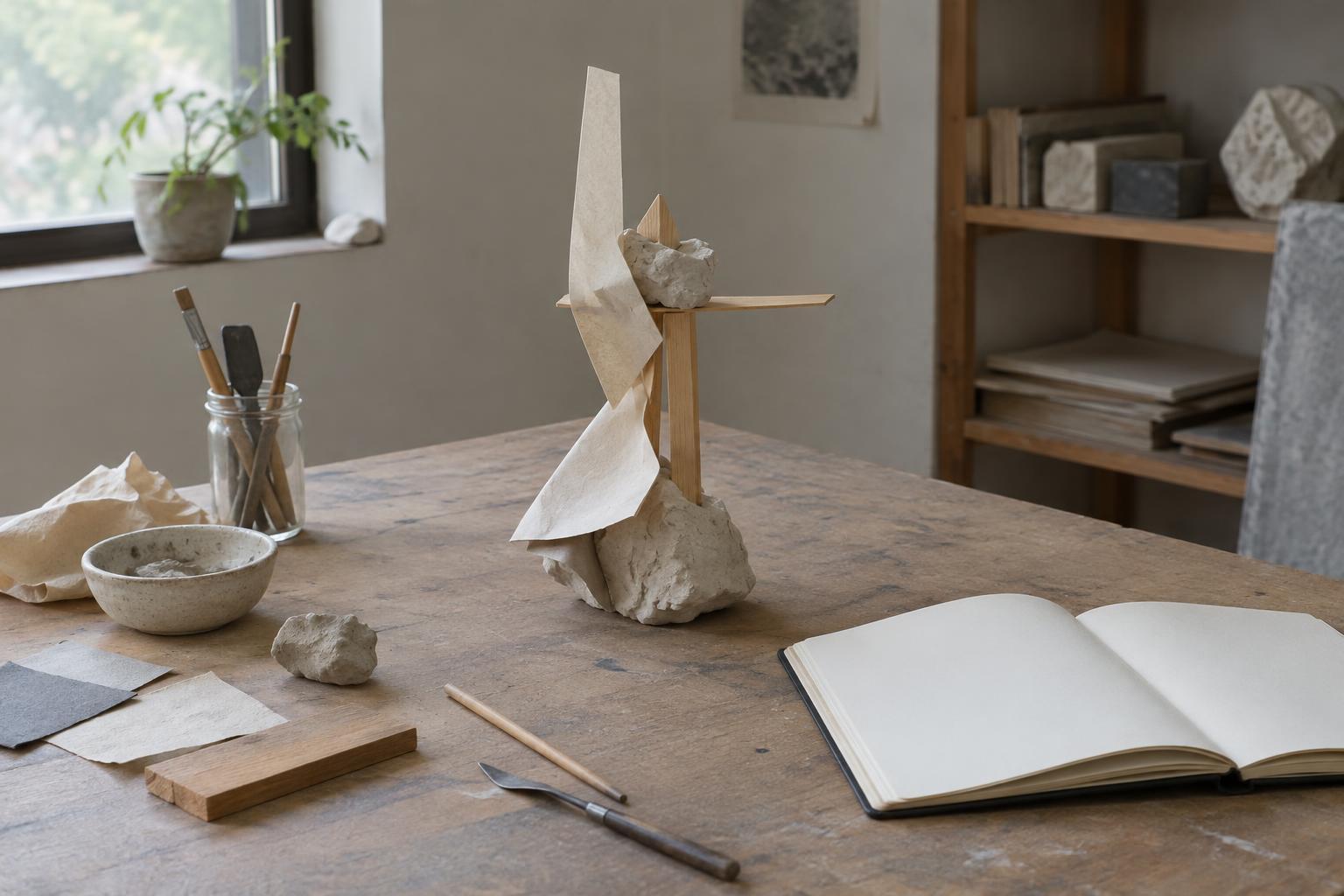
Creative PracticeAn artist statement can be clear without explaining away the work. Start with what you make, describe the decisions that shape it, and give readers a useful way into the experience.
Read article · 4 min↗
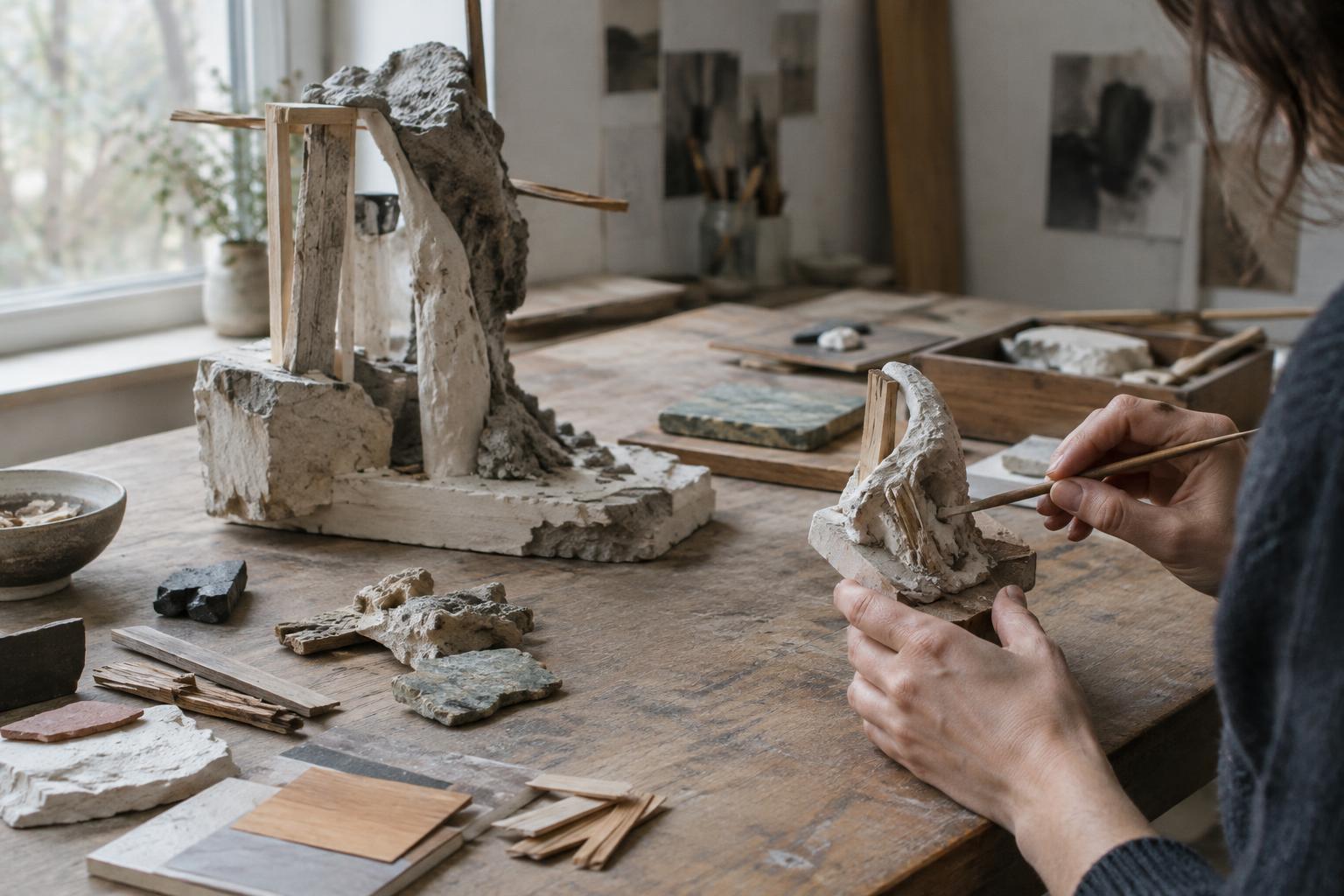
Creative PracticeAn unfinished art project does not have to be completed according to its first plan. Learn how to examine what remains, identify the question worth keeping, and make a small, useful next move.
Read article · 4 min↗
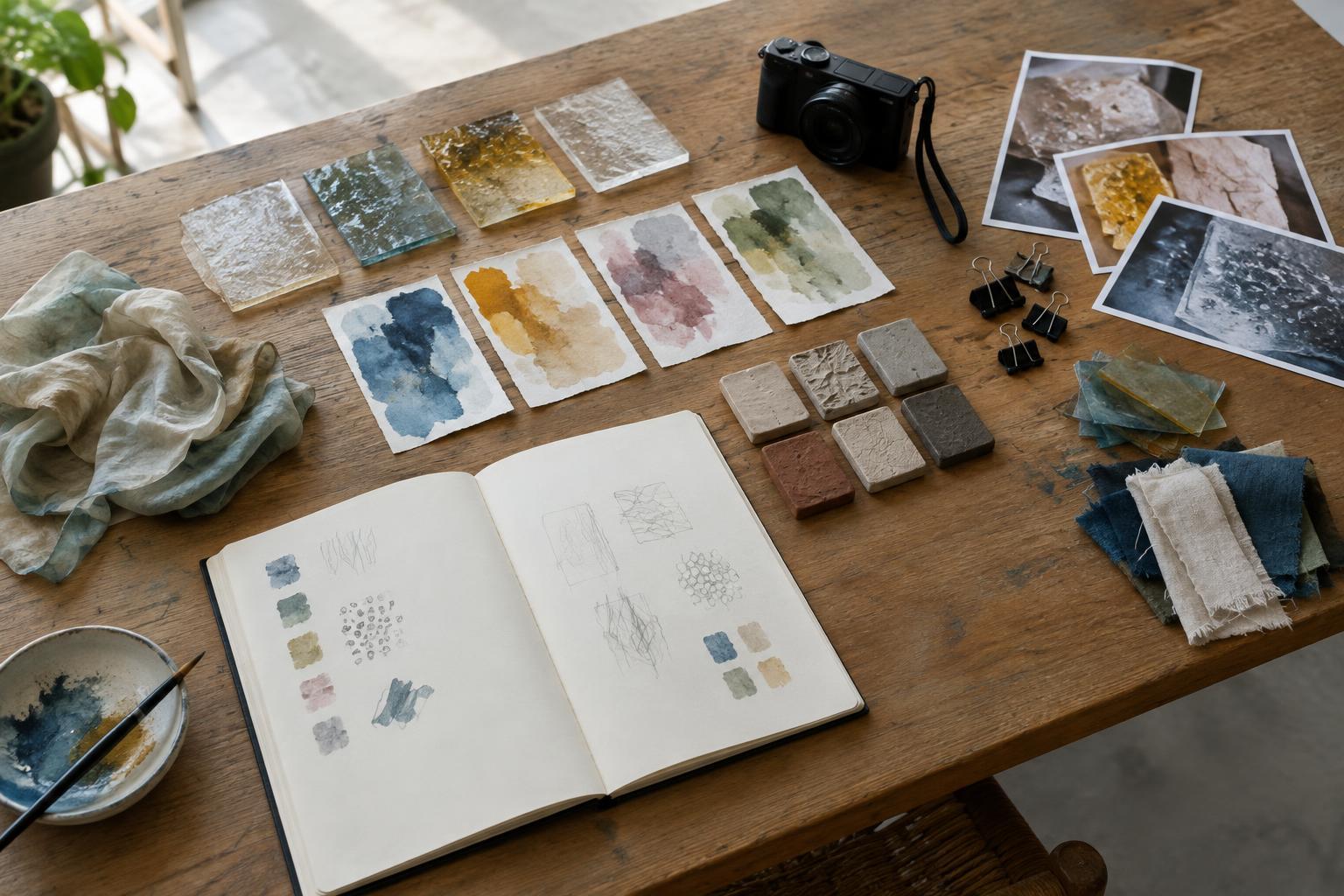
Creative PracticeA useful record of an art experiment captures more than the finished result. Learn how to note your question, materials, conditions, changes and observations so you can return to a test with a clearer sense of what to try next.
Read article · 4 min↗
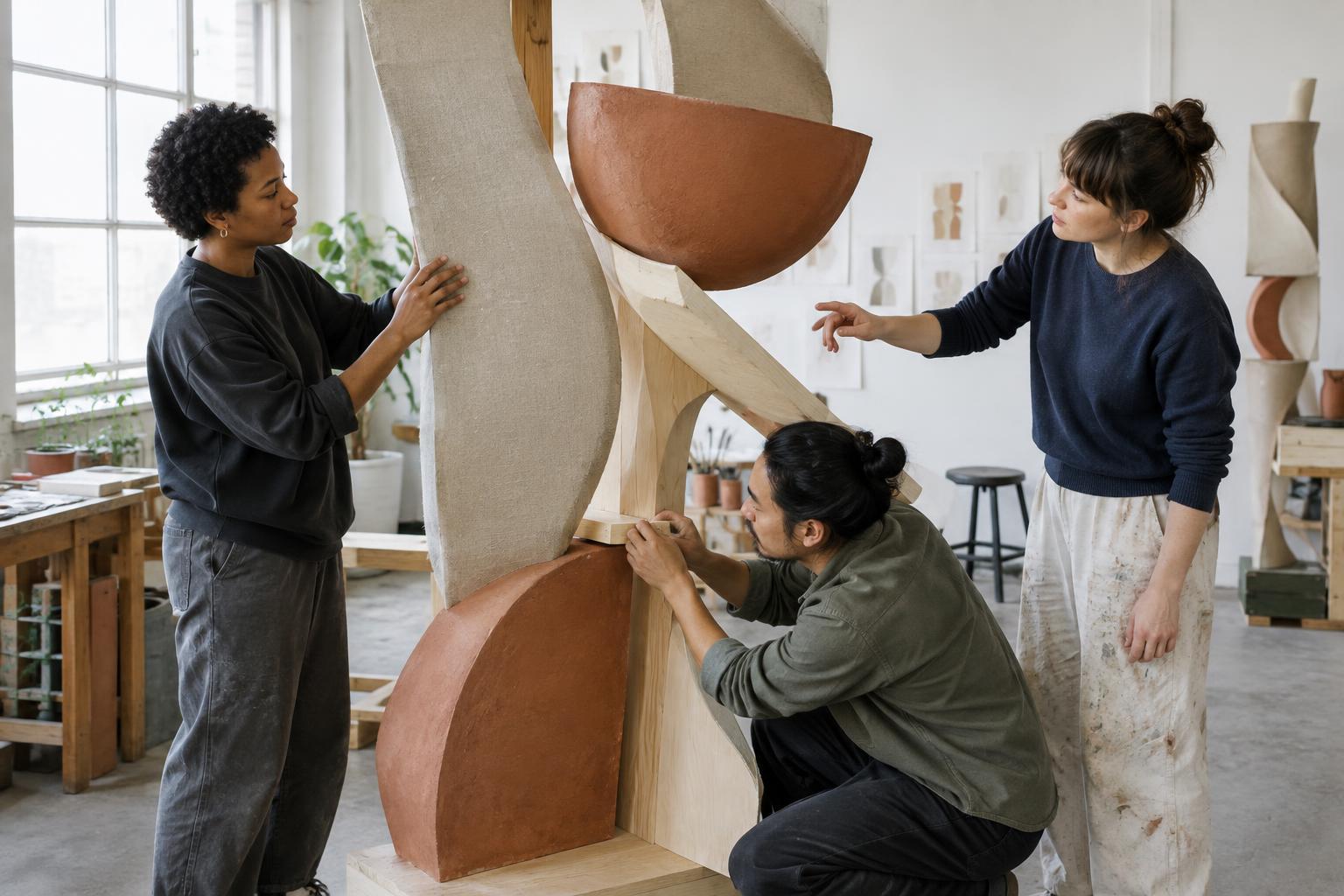
Creative PracticeA shared artwork needs more than a shared idea. Clear conversations about roles, decisions, credit and changes can give collaborators room to experiment without leaving essential questions unresolved.
Read article · 4 min↗
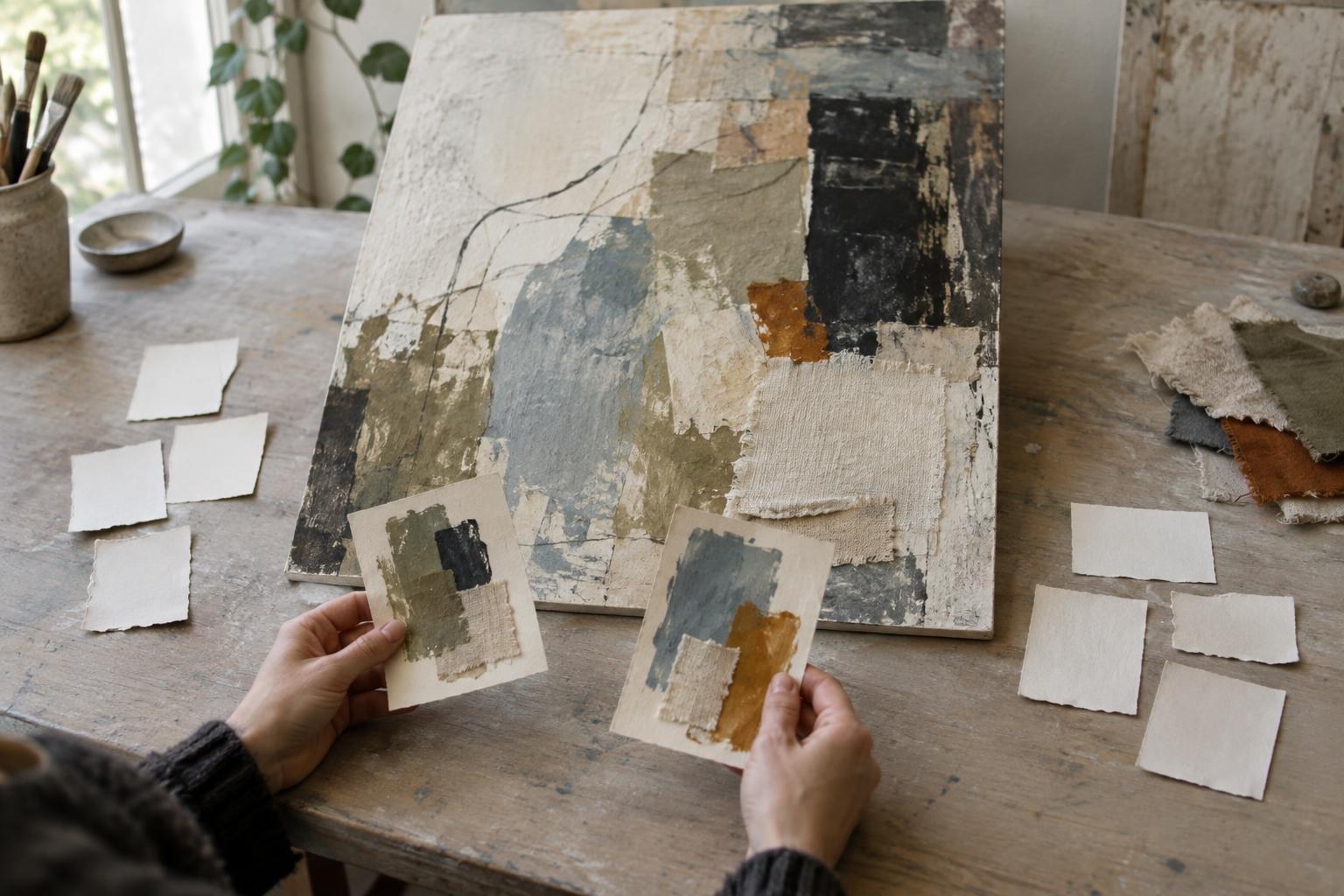
Creative PracticeOne viewer wants more explanation; another wants less. Conflicting feedback does not have to become a vote on whether your work succeeds. Learn how to sort comments by context, test useful suggestions, and make decisions that serve the work.
Read article · 4 min↗

Creative PracticeA useful art critique does more than announce a preference. Learn how to describe what you see, connect observations to their effects, ask productive questions, and offer suggestions that leave the artist room to decide what comes next.
Read article · 4 min↗
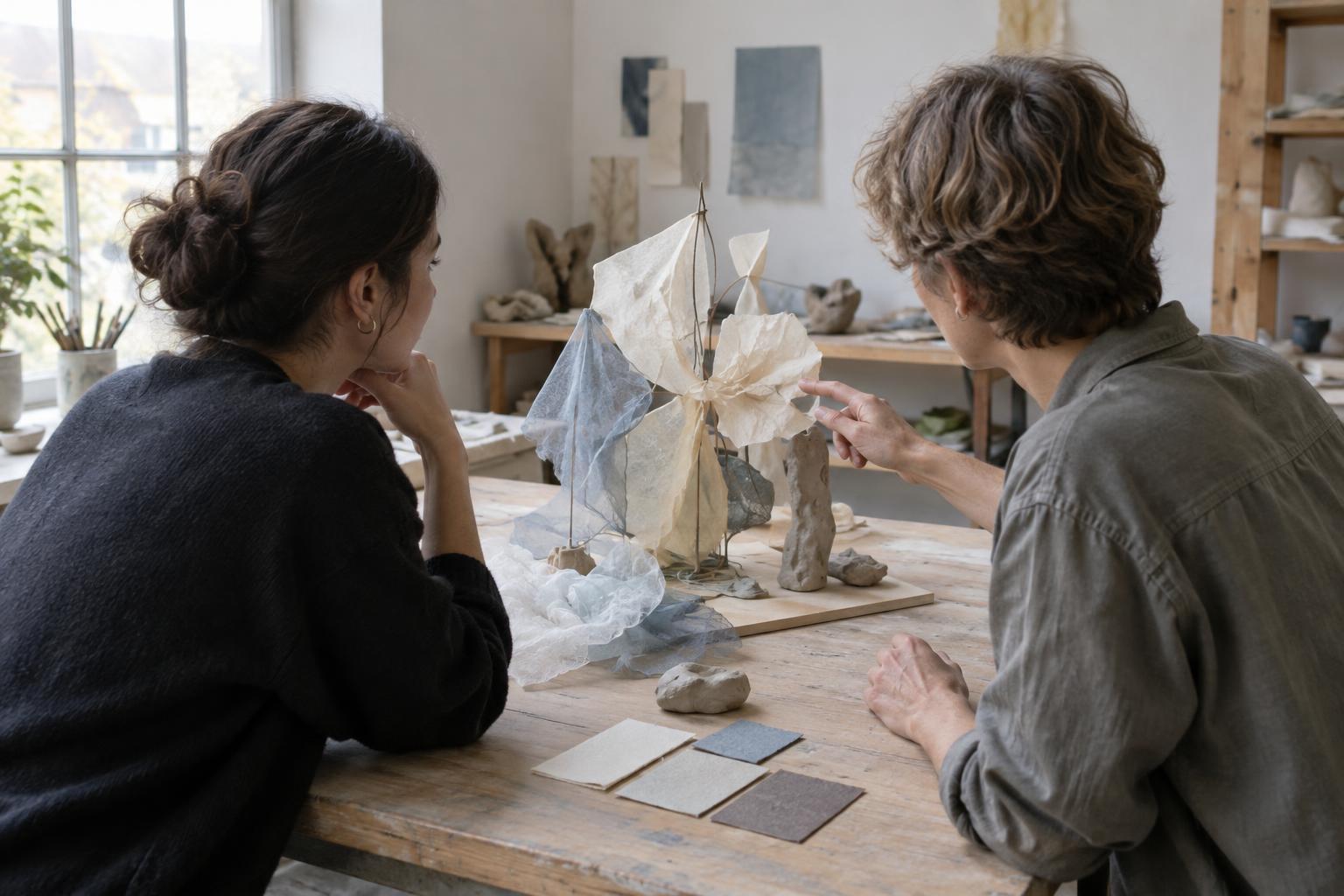
Creative PracticeFeedback is most useful when it meets a work at the right stage. Learn how to choose a question, give viewers enough context, listen without defending every decision, and turn their responses into a practical next step.
Read article · 4 min↗
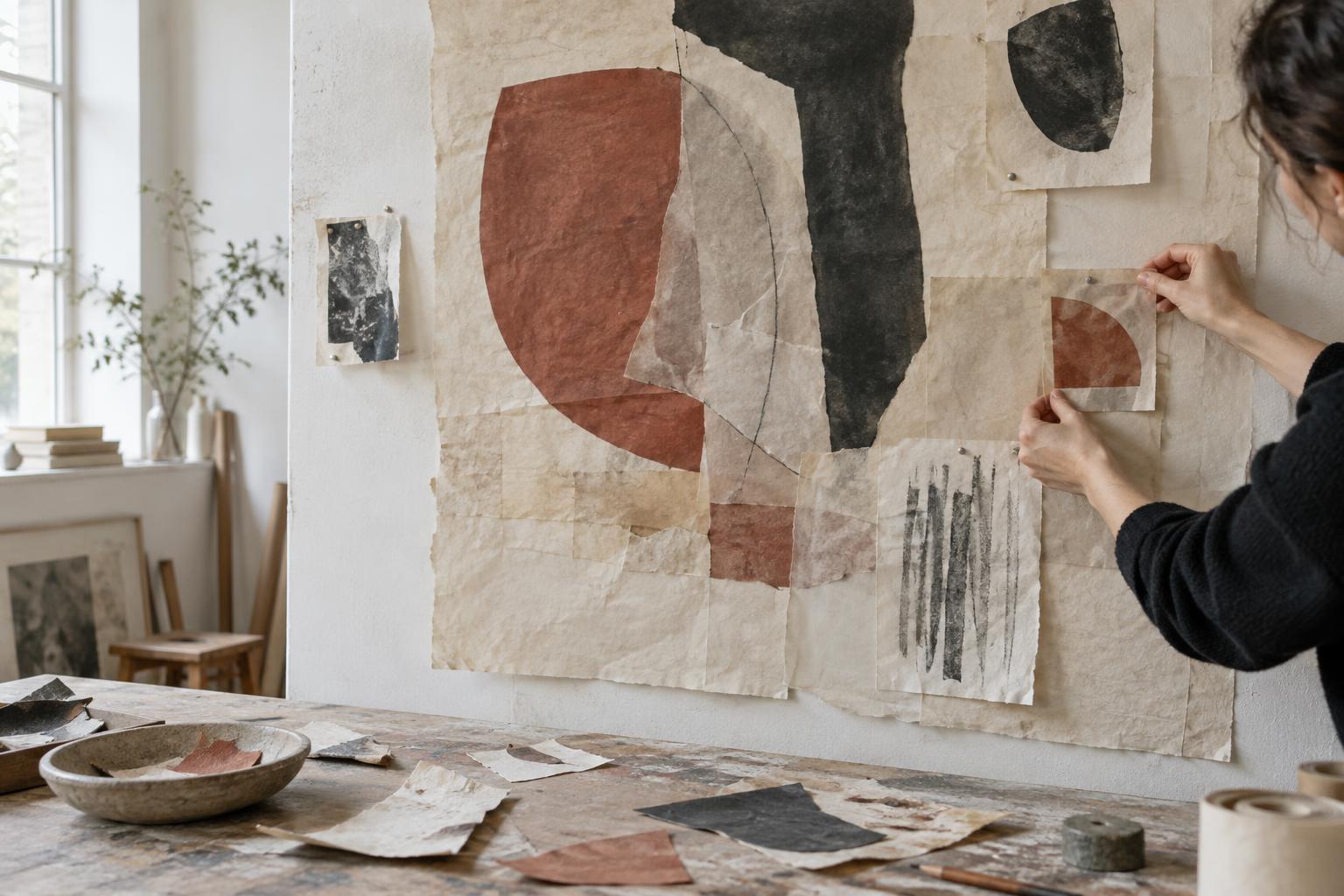
Creative PracticeRevision is more than fixing what looks wrong. A practical approach to identifying an artwork’s strongest decisions, testing changes with purpose, and removing elements that no longer serve the work.
Read article · 4 min↗
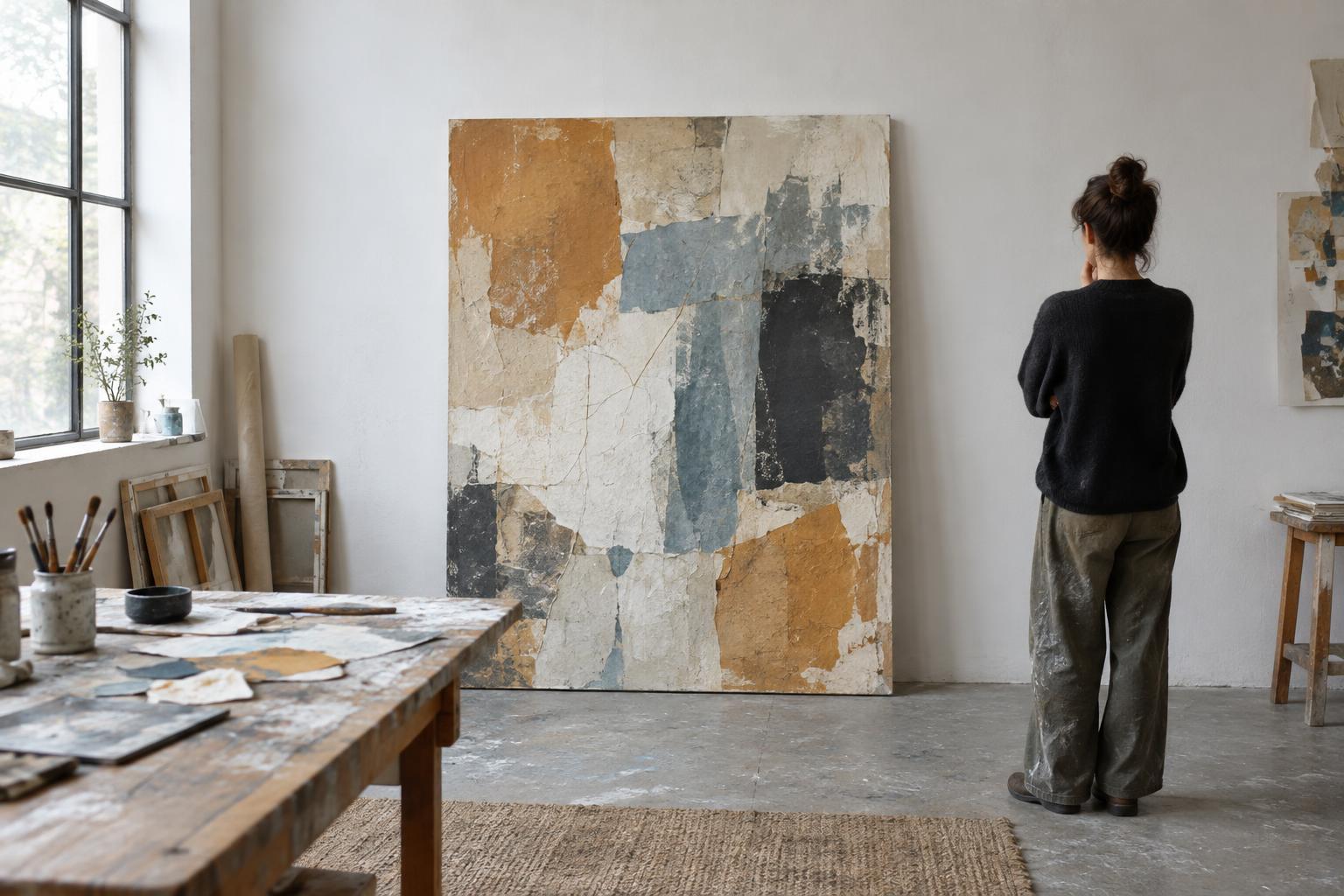
Creative PracticeFinishing an artwork is rarely a matter of making every detail perfect. These practical questions can help artists distinguish a useful revision from a habit of continuing, and decide when a work is ready to leave the studio.
Read article · 4 min↗
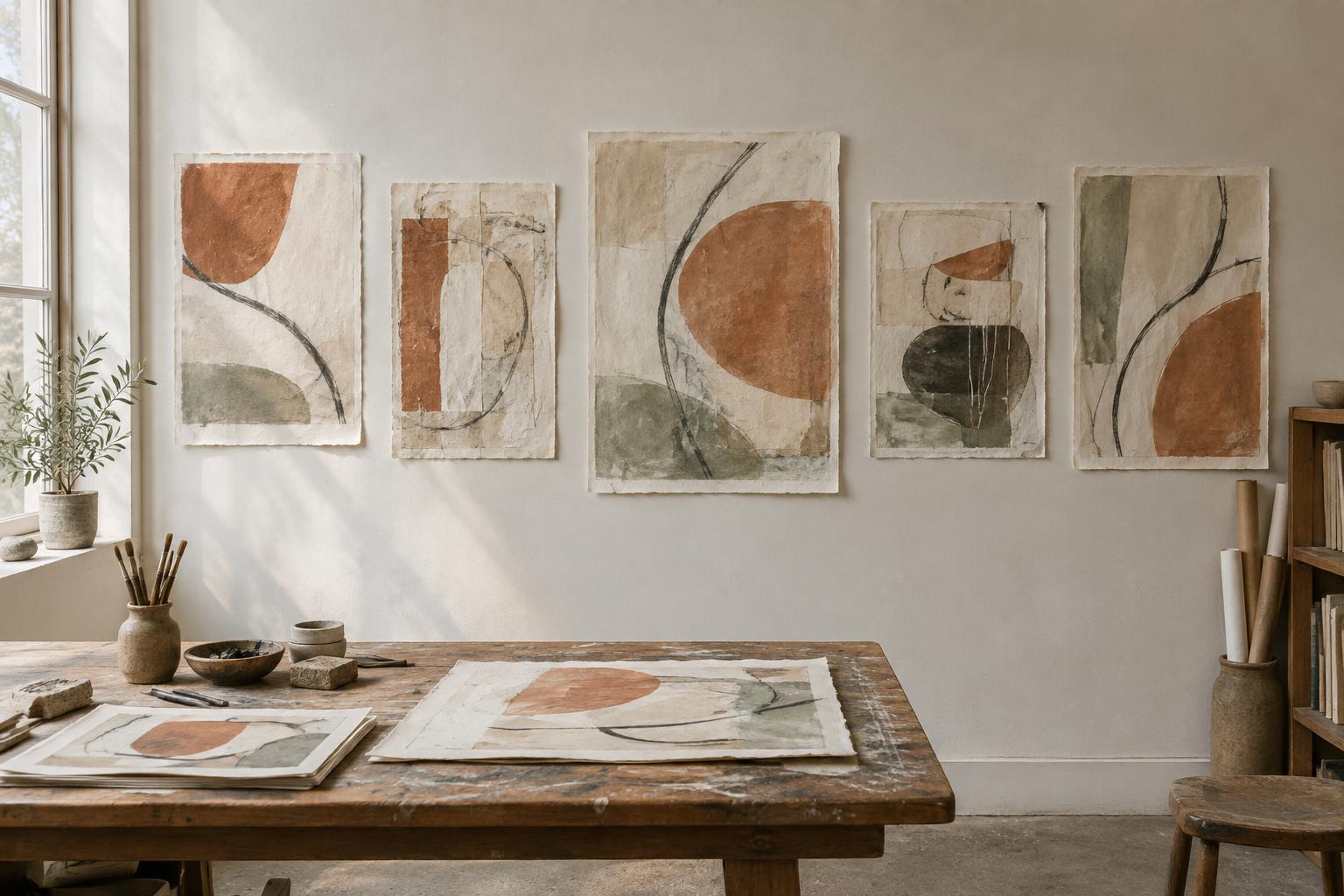
Creative PracticeA strong art series gives viewers a thread to follow while leaving room for each work to make a distinct contribution. Learn how to choose a guiding question, set useful constraints, vary your approach and decide when a series is complete.
Read article · 4 min↗
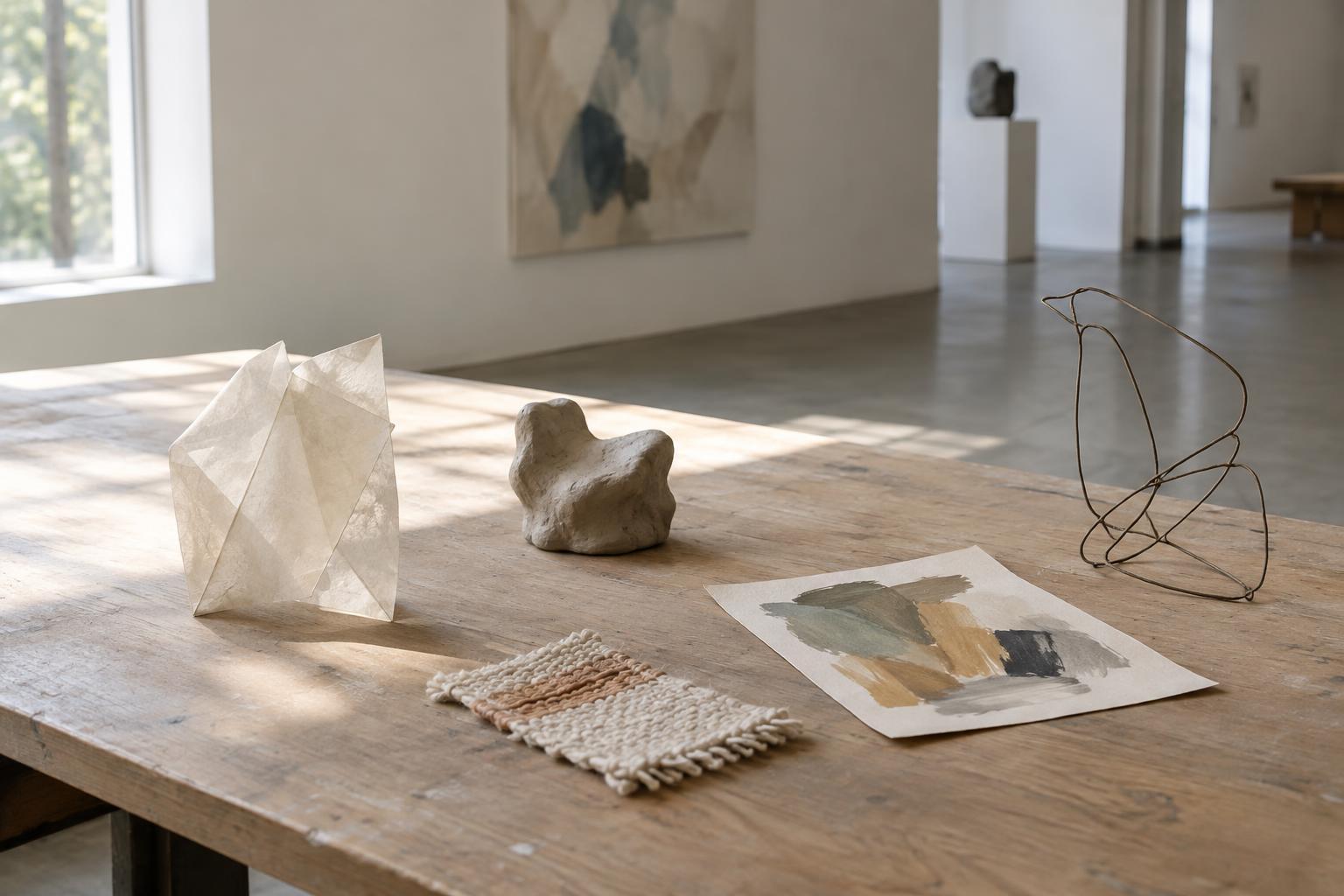
Creative PracticeA medium is more than a material preference. It shapes how a work occupies space, unfolds over time and meets its audience. This guide offers practical questions and small tests for choosing a form that serves the project.
Read article · 4 min↗
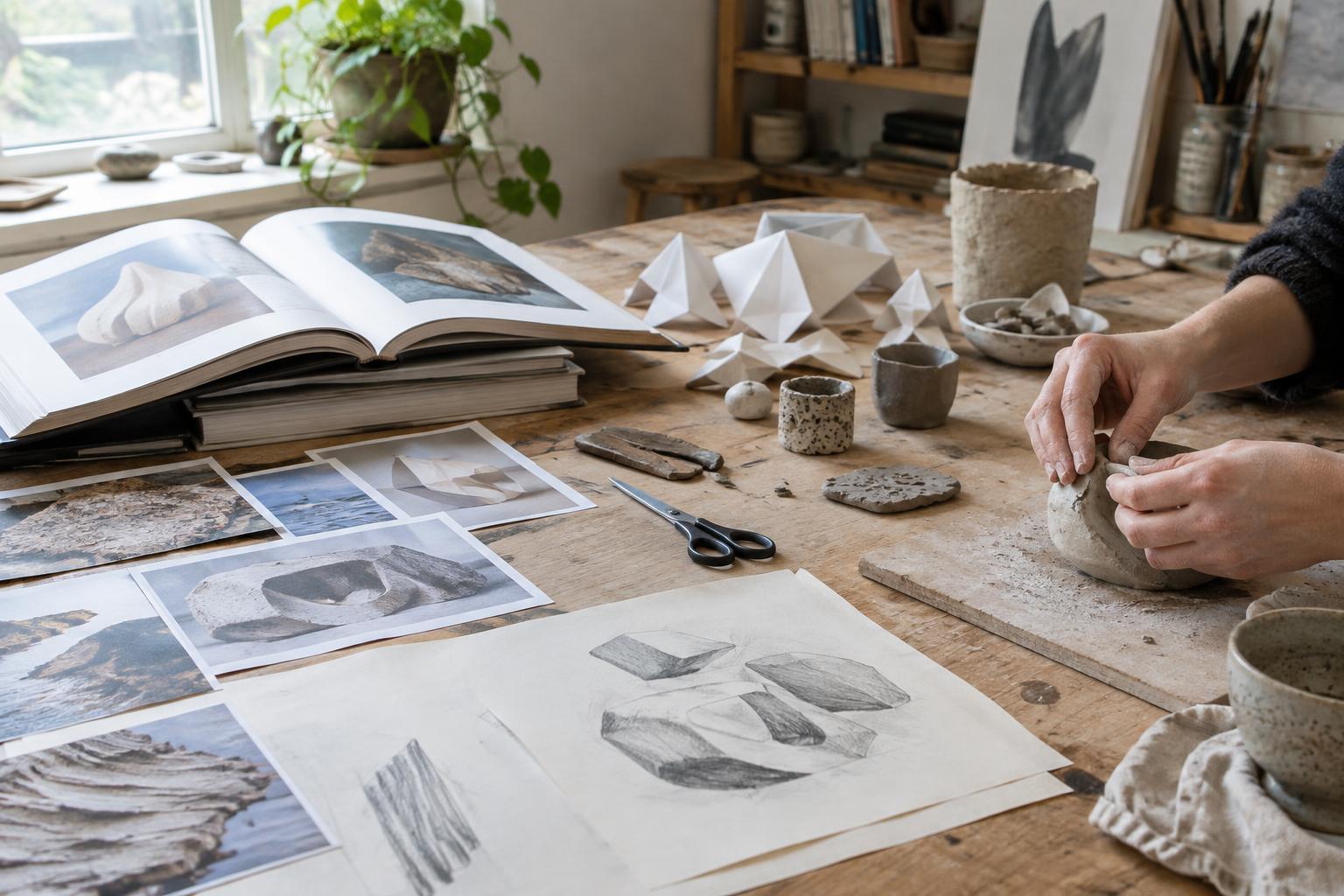
Creative PracticeResearch can deepen an artwork, but it can also postpone the moment when an idea meets a material. A practical approach to gathering references, setting boundaries, testing ideas and returning to the studio with questions worth making through.
Read article · 4 min↗
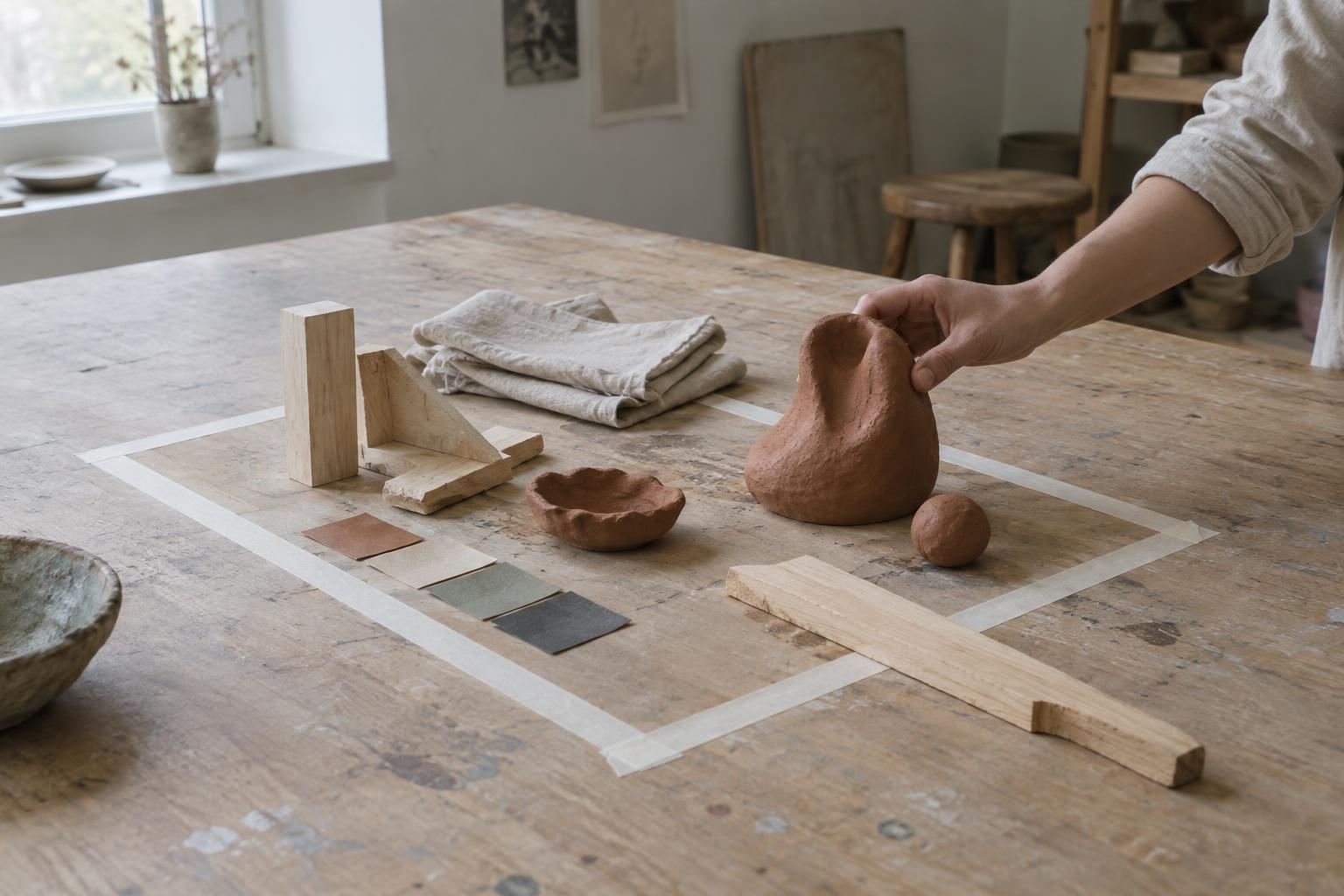
Creative PracticeA limited palette, a short deadline or an awkward room can give an artwork direction. But not every restriction is productive. This guide offers ways to choose, test and revise constraints in contemporary art practice.
Read article · 4 min↗
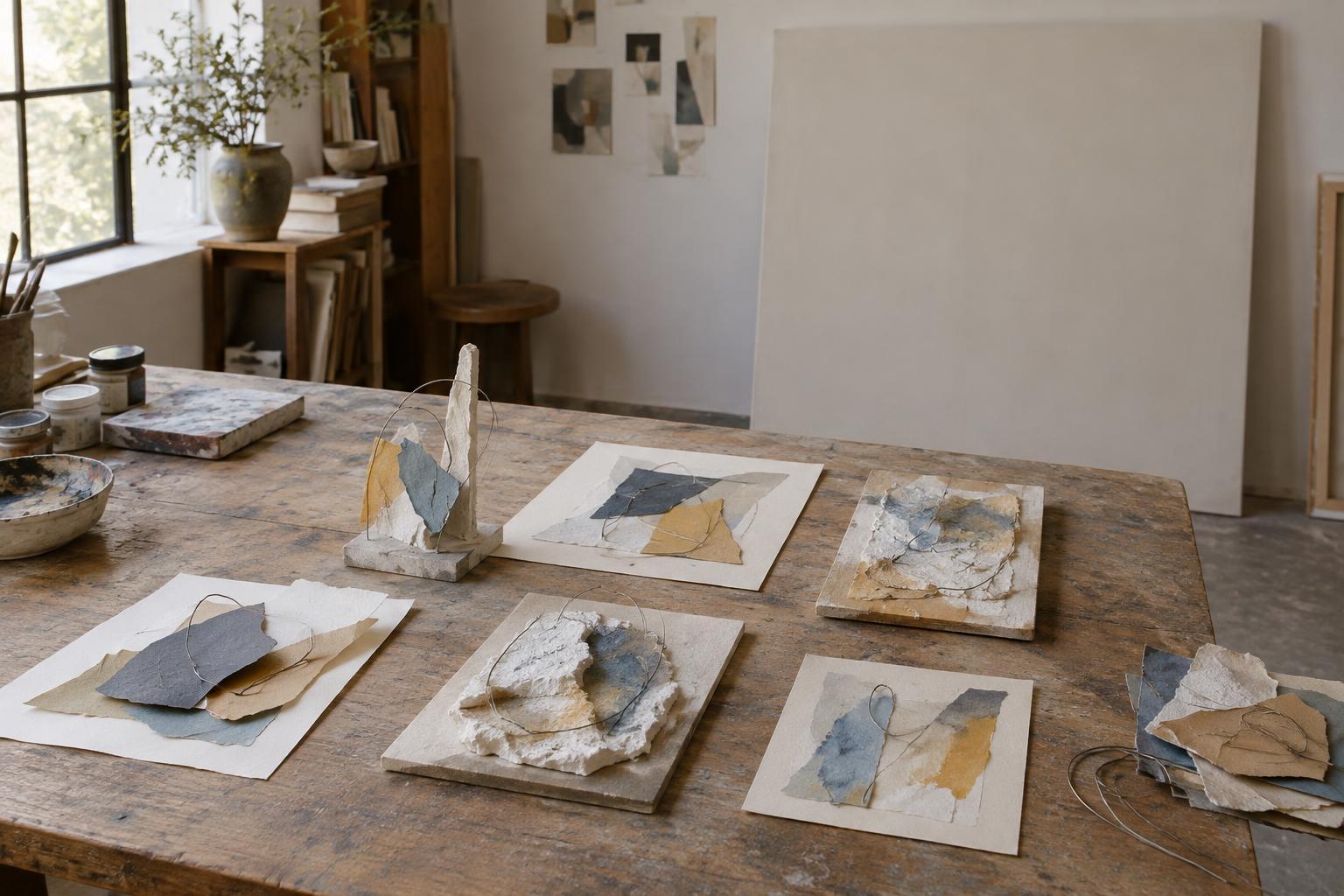
Creative PracticeA small study is more than a miniature version of a finished piece. It can help you test a material, a visual relationship or a viewer’s experience while changes are still easy to make. Here is a practical way to design studies that answer useful questions and guide the next stage of a work.
Read article · 4 min↗
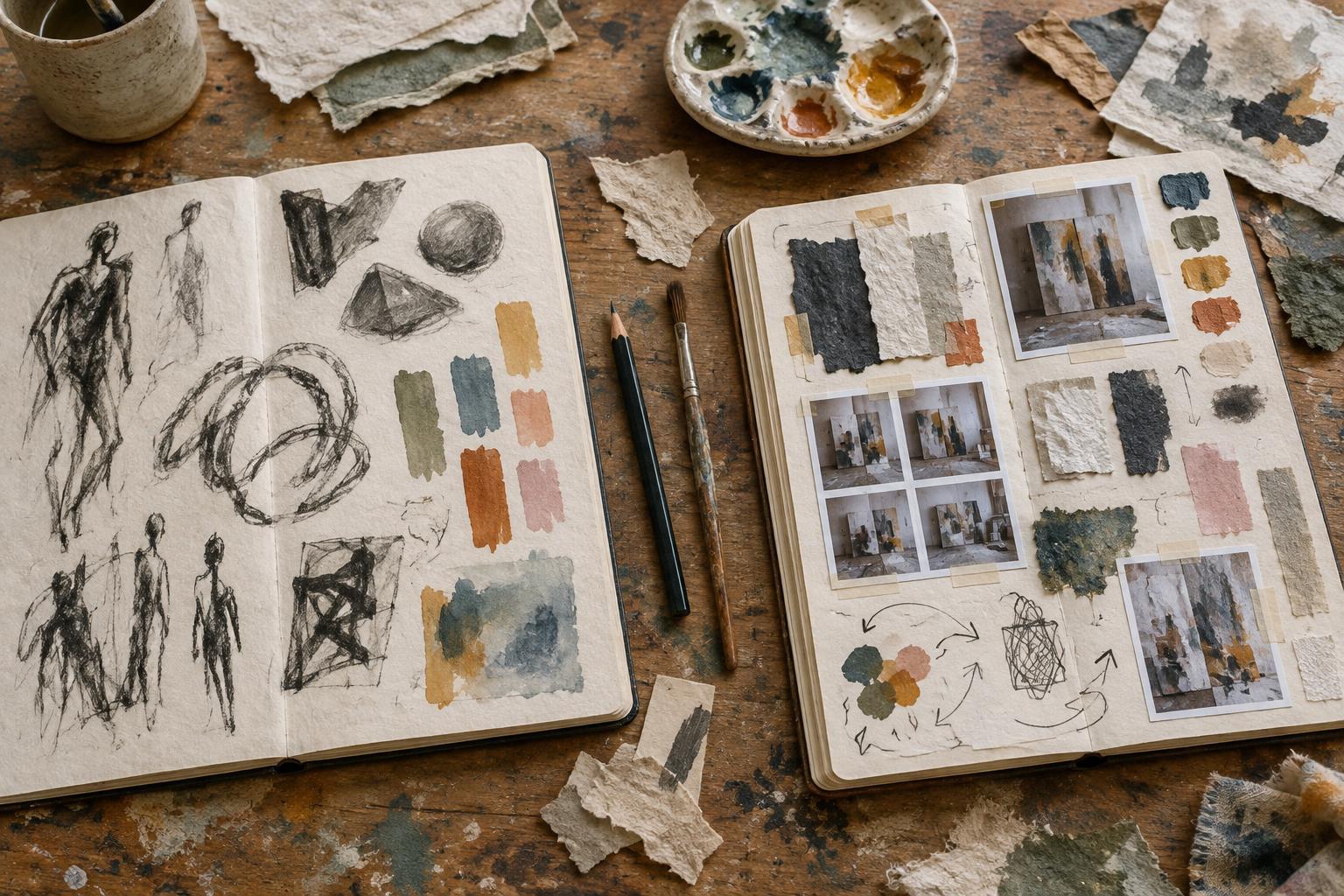
Creative PracticeA sketchbook gives ideas room to appear; a process journal helps an artist understand how those ideas change. Learn what to put in each, how they can work together, and when one notebook is enough.
Read article · 4 min↗
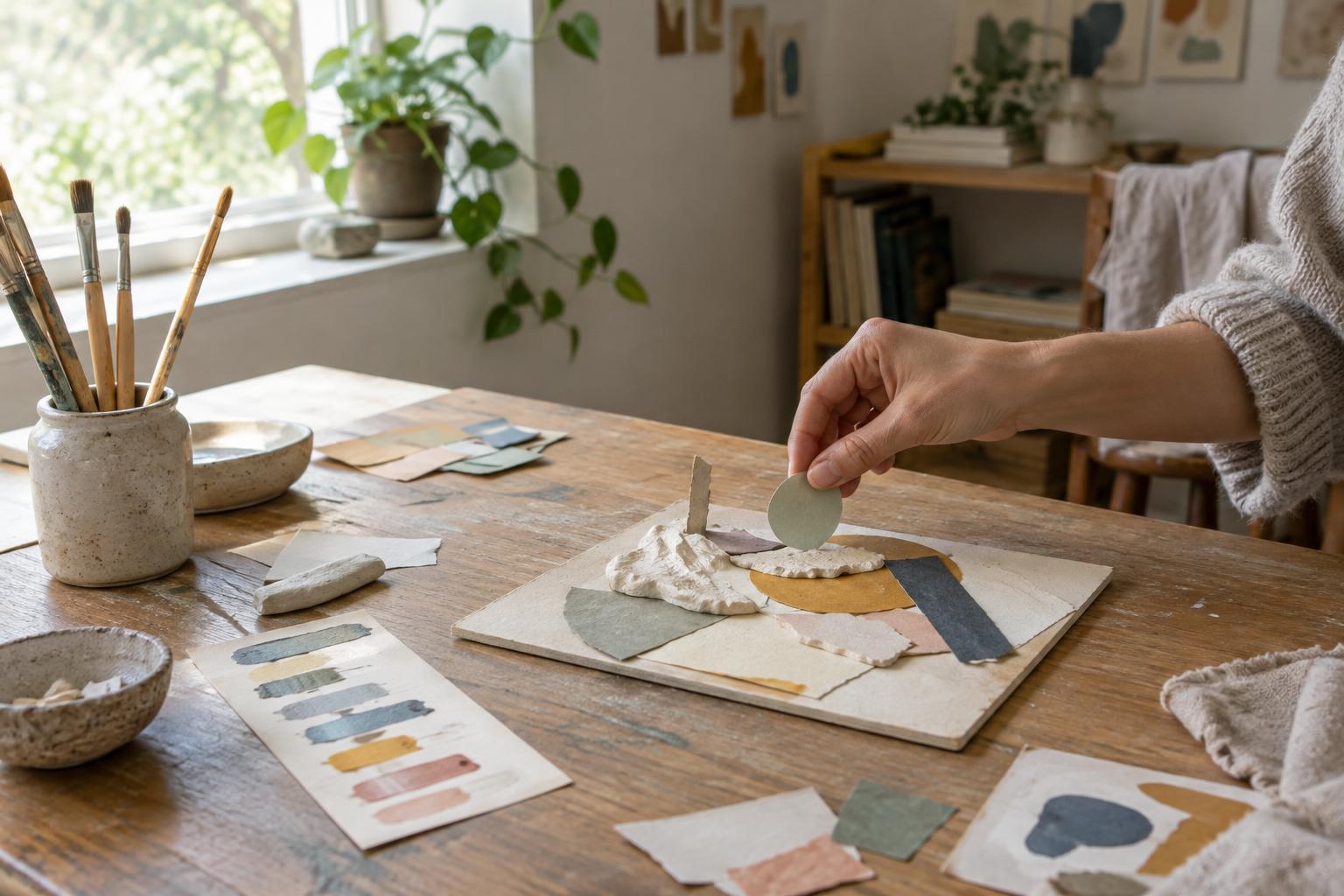
Creative PracticeA studio practice does not need long, uninterrupted days to develop. For artists working in short windows, a useful routine makes it easier to begin, protects time for experimentation and leaves a clear path back to the work.
Read article · 4 min↗
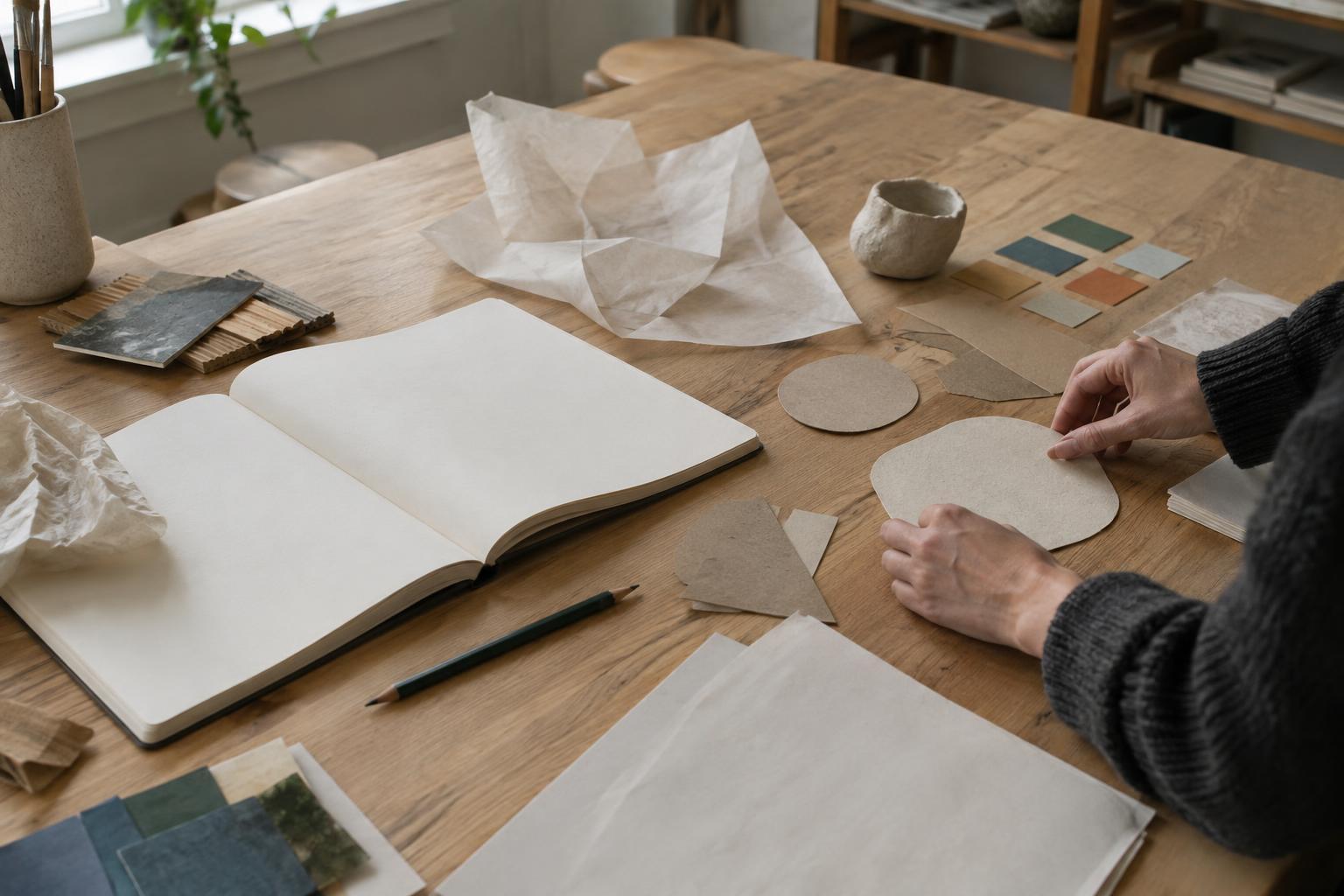
Creative PracticeA self-directed art brief can give an open-ended project enough structure to begin without deciding its outcome. These questions help artists define a starting point, choose useful constraints, plan tests and recognize when the work is ready to share.
Read article · 4 min↗
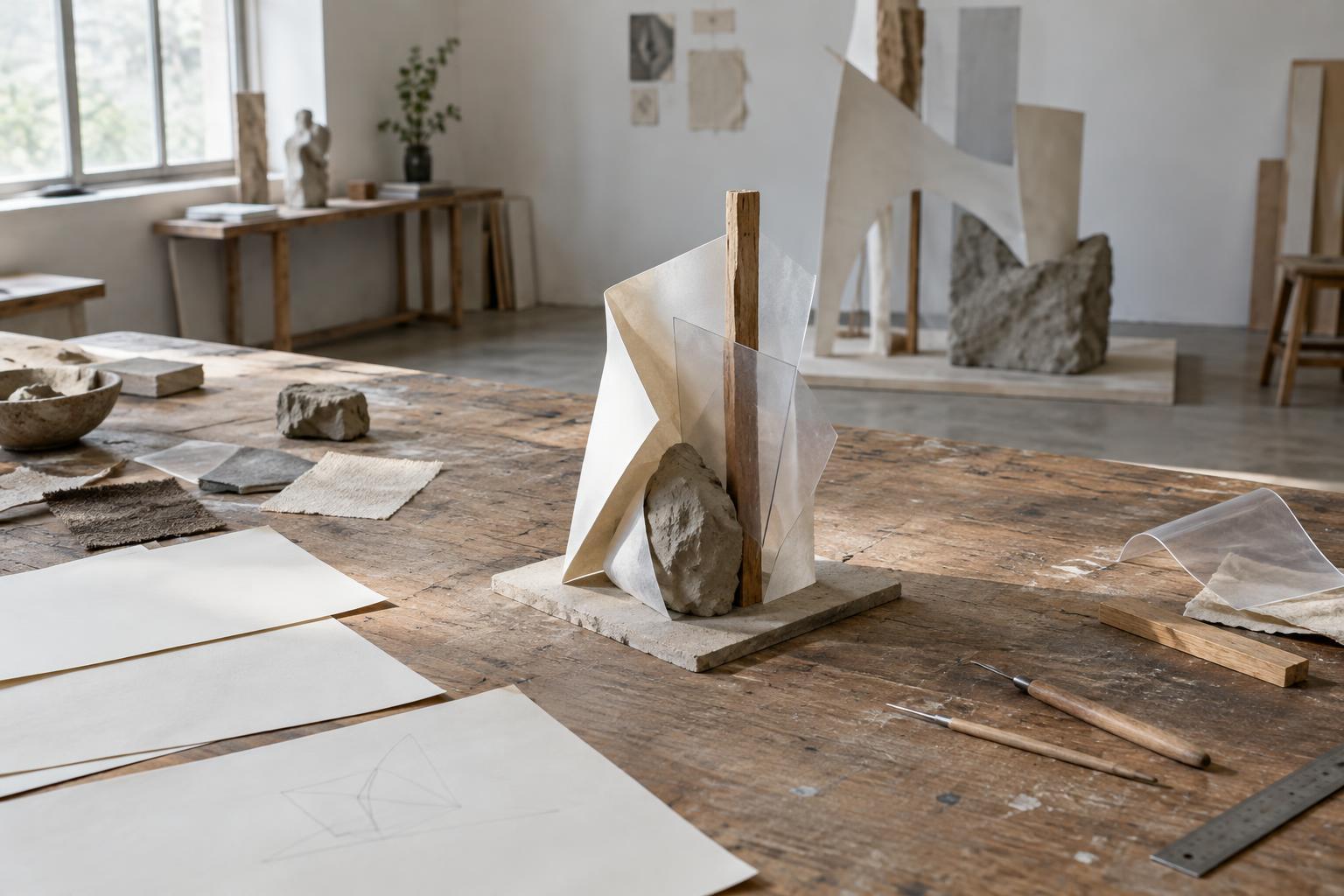
Creative PracticeAn art idea can begin as a question, an image or a material you want to test. Learn how to give that impulse a workable form without deciding every detail in advance.
Read article · 4 min↗