Begin with the experience, not the material
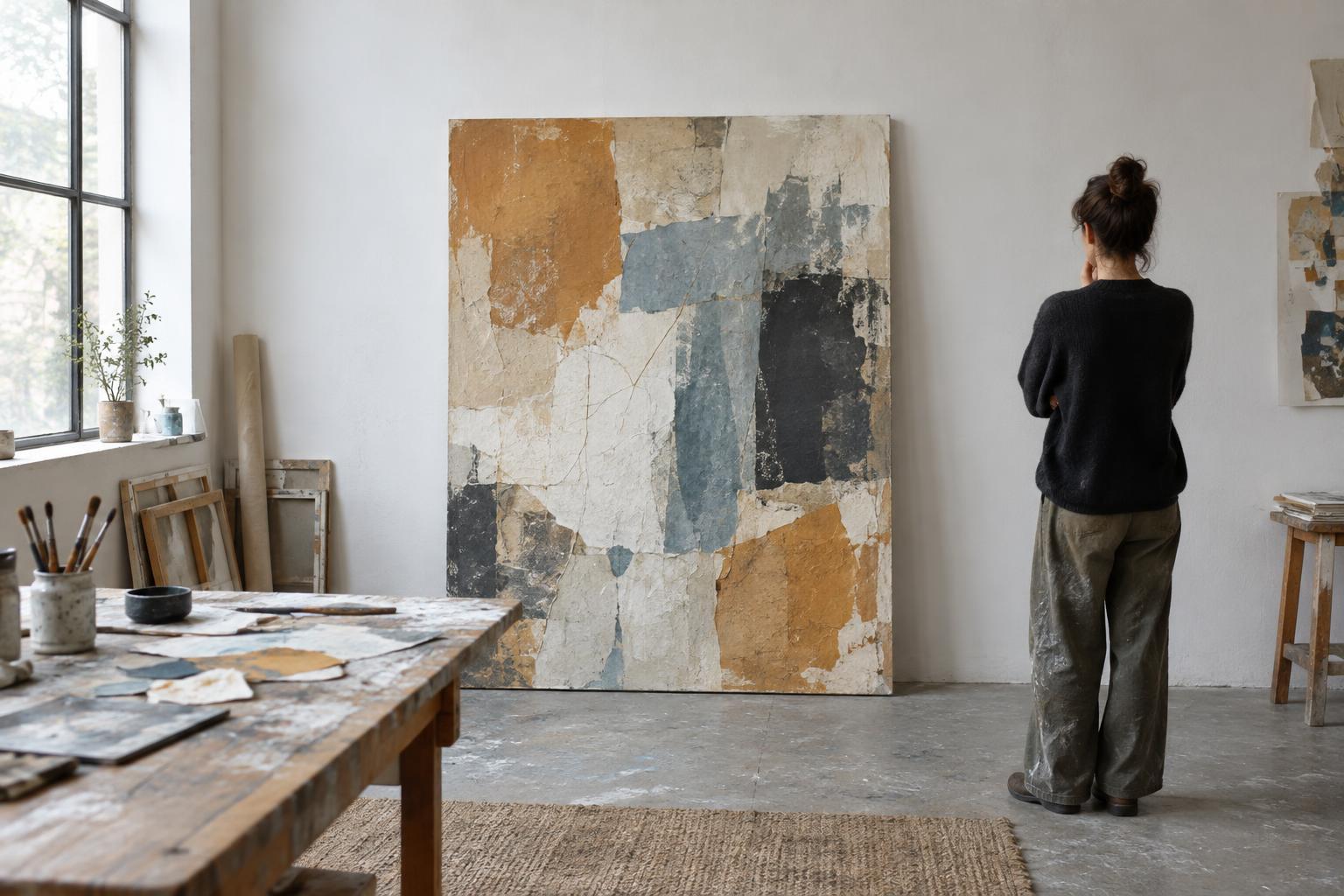
A project may begin with an image, a found object, a conversation or an urge to try a particular tool. Any of these can be a useful starting point. But the first medium that comes to mind does not have to become the final one. Before choosing paint, video, sound or installation, describe what the work asks someone to notice. Is the important thing a surface, a sequence, a relationship between objects or a change that can only be felt over time?
Try writing a short account of the encounter you hope to create without naming a medium. For example: “A visitor moves between fragments and gradually realizes they belong to one story.” That description leaves room for printed images, suspended objects, recorded voices or a combination of forms. It also gives you a way to assess each possibility: does it make the intended encounter clearer, or does it pull attention elsewhere?
Notice what each medium makes possible
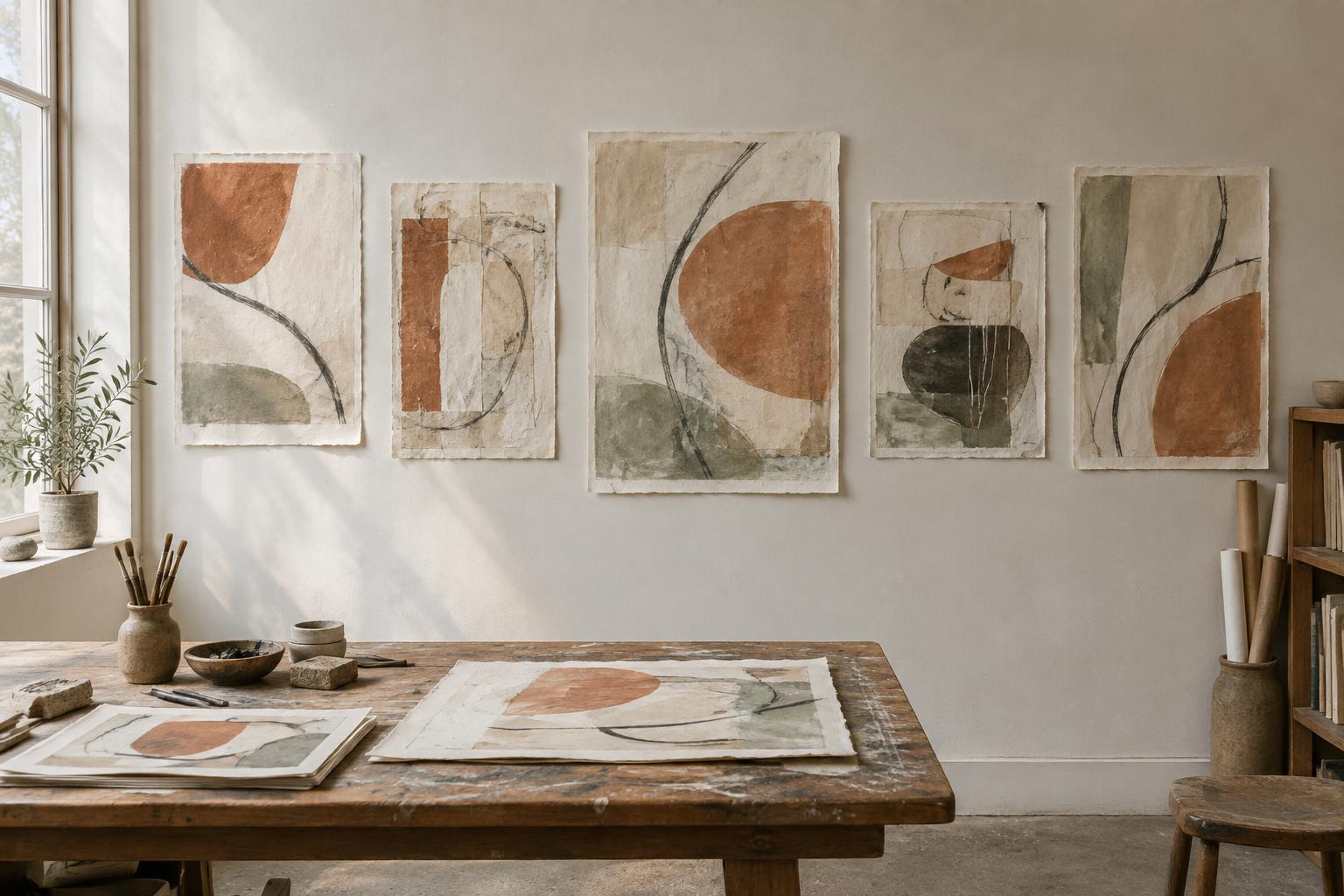
Mediums carry different kinds of attention. A drawing can keep a viewer close to a mark and the decisions behind it. A moving image can control duration and reveal a change in stages. Sound can occupy a space without requiring a viewer to face a single point. An installation can make distance, scale and movement part of the work. These are possibilities, not fixed rules; the way a medium is used matters as much as its familiar strengths.
Consider what your project would lose if translated into another form. If the order of events is essential, a single object may need some way to suggest that progression. If physical weight is central, a photograph might describe it but not let a visitor sense it directly. Translation can also reveal an unexpected advantage. A small model or written score, for instance, might communicate an idea more precisely than a large construction.
Account for the site and the audience
A work does not meet its audience in an abstract space. Available light, background noise, walking routes and viewing distance all affect how a medium functions. A quiet recording may struggle in a busy room; a delicate surface may be hard to see behind a barrier. If the work is intended for a public setting, think about who can encounter it without prior explanation and how the setting may shape their first impression.
Access is part of that decision rather than a finishing touch. Ask whether a viewer must stand for a long time, hear a particular frequency, read small text or use a device to understand the work. Not every project can offer every mode of access, but these questions can reveal where a second way in would strengthen it. A transcript, a clear route through the space or an alternative viewing height may change the work’s form in productive ways.
Test the idea before committing to production
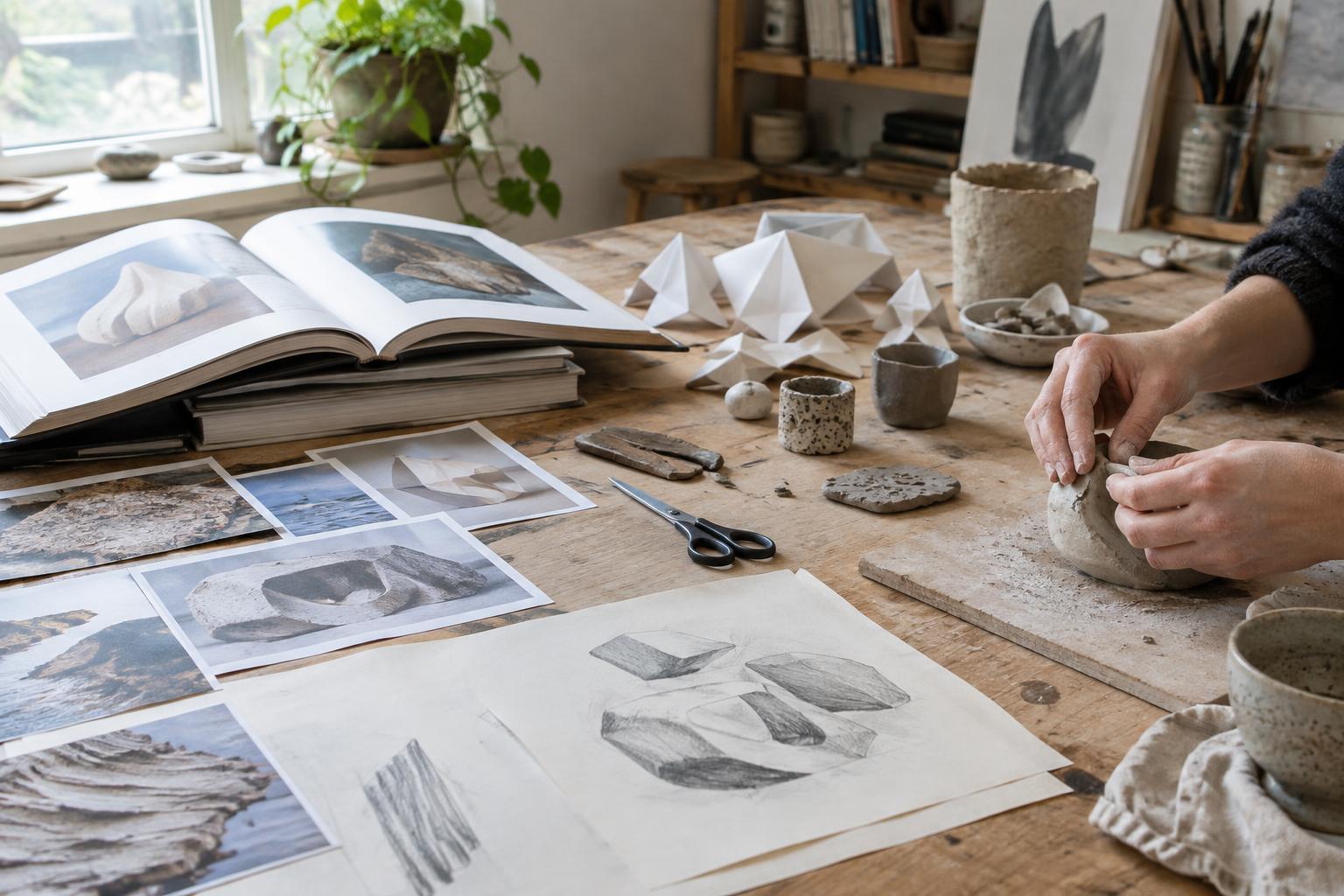
A modest trial can tell you more than a polished proposal. Make a rough version using what is already at hand: arrange paper shapes at full scale, play sound through an ordinary speaker, or ask someone to follow a simple set of instructions. Observe what holds their attention and what needs explaining. The aim is not to prove that the idea works; it is to discover which parts of the experience depend on the medium.
Test constraints as well as expressive effects. How long does assembly take? What happens when a material bends, fades or casts a shadow? Can a component be repaired or replaced? A medium that suits the concept but cannot survive the intended setting may need a different construction method. Conversely, an apparent limitation may become a useful feature when it supports the project’s meaning.
Choose deliberately, then stay open
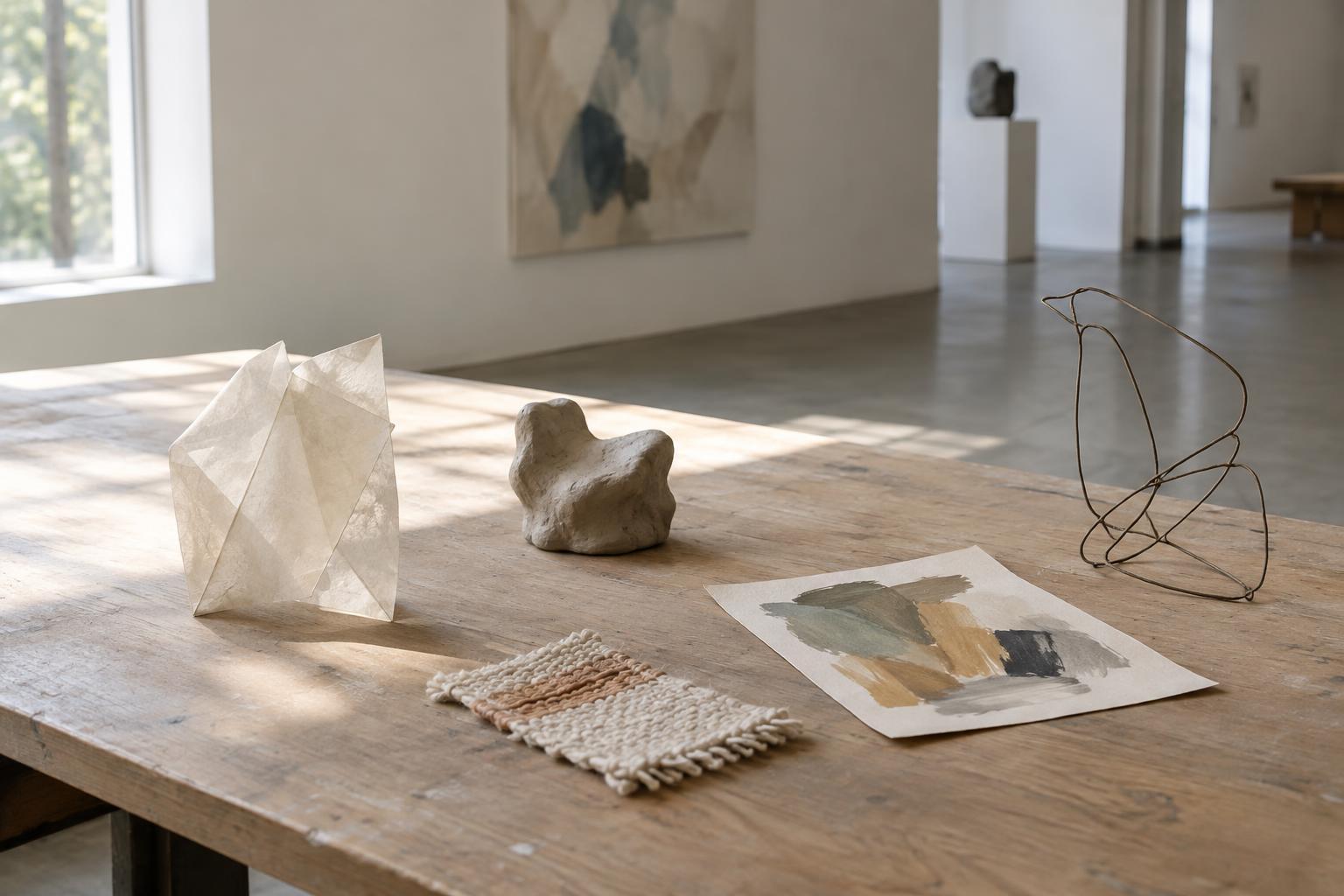
It can help to list two or three viable forms and give each the same questions: What can this form express well? What might it obscure? What does it require of the audience, the site and the maker? Include the resources you actually have, such as time, skills, storage and opportunities to test. Practical limits are not a failure of ambition. They can keep the work focused and prevent production demands from overwhelming its central idea.
Once you choose, let the medium influence the project without treating that choice as permanent. Materials often produce effects that were not visible in a sketch or plan. Keep the encounter you described at the beginning in view, but allow the form to change as you learn from it. The useful question is not whether you selected the most impressive medium. It is whether this form helps the work do what it needs to do.