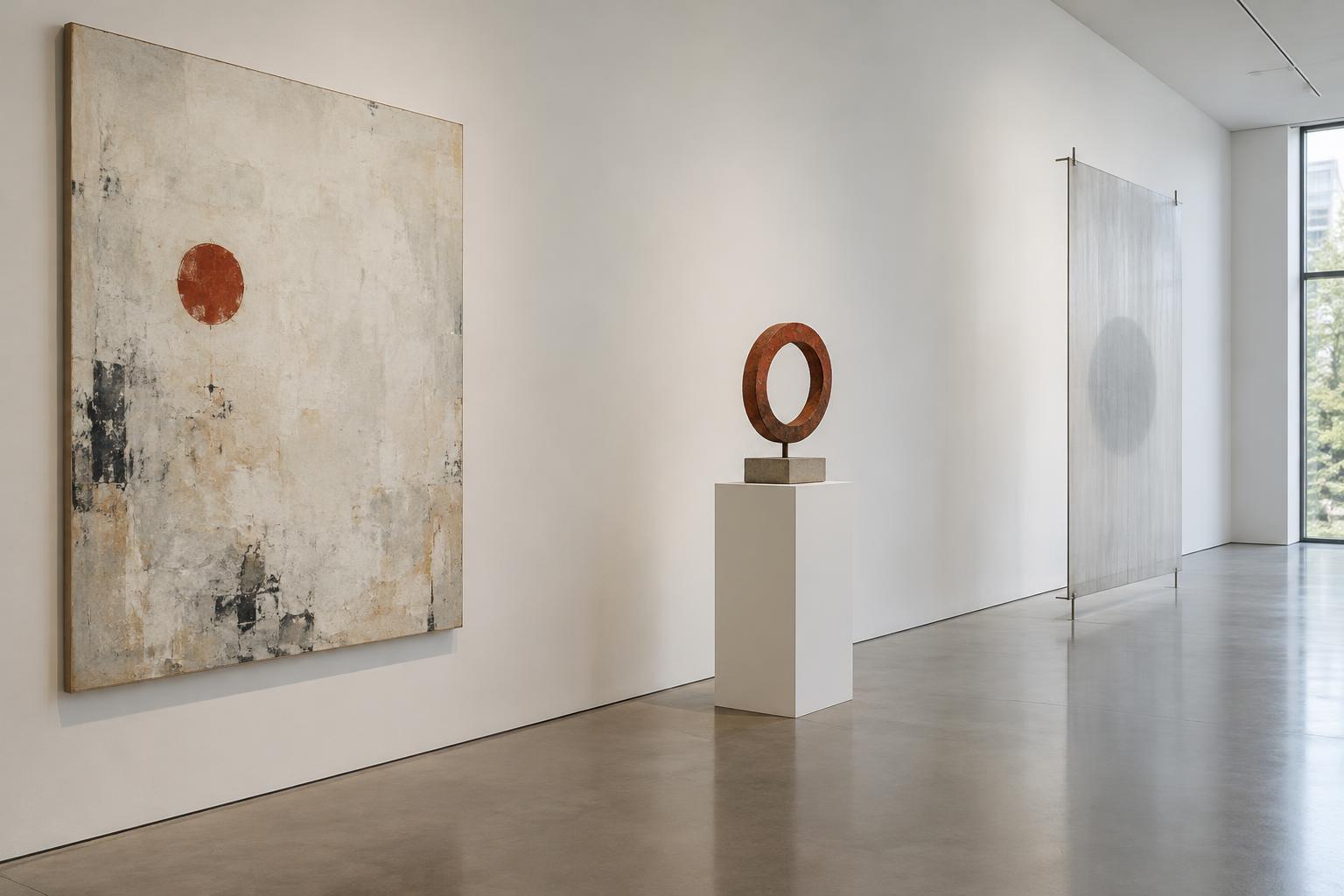
Exhibition InterpretationA shape, object or image that appears more than once in an exhibition can help you notice connections between works. Learn how to follow a recurring motif without assuming every resemblance has the same meaning.
Read article · 3 min↗
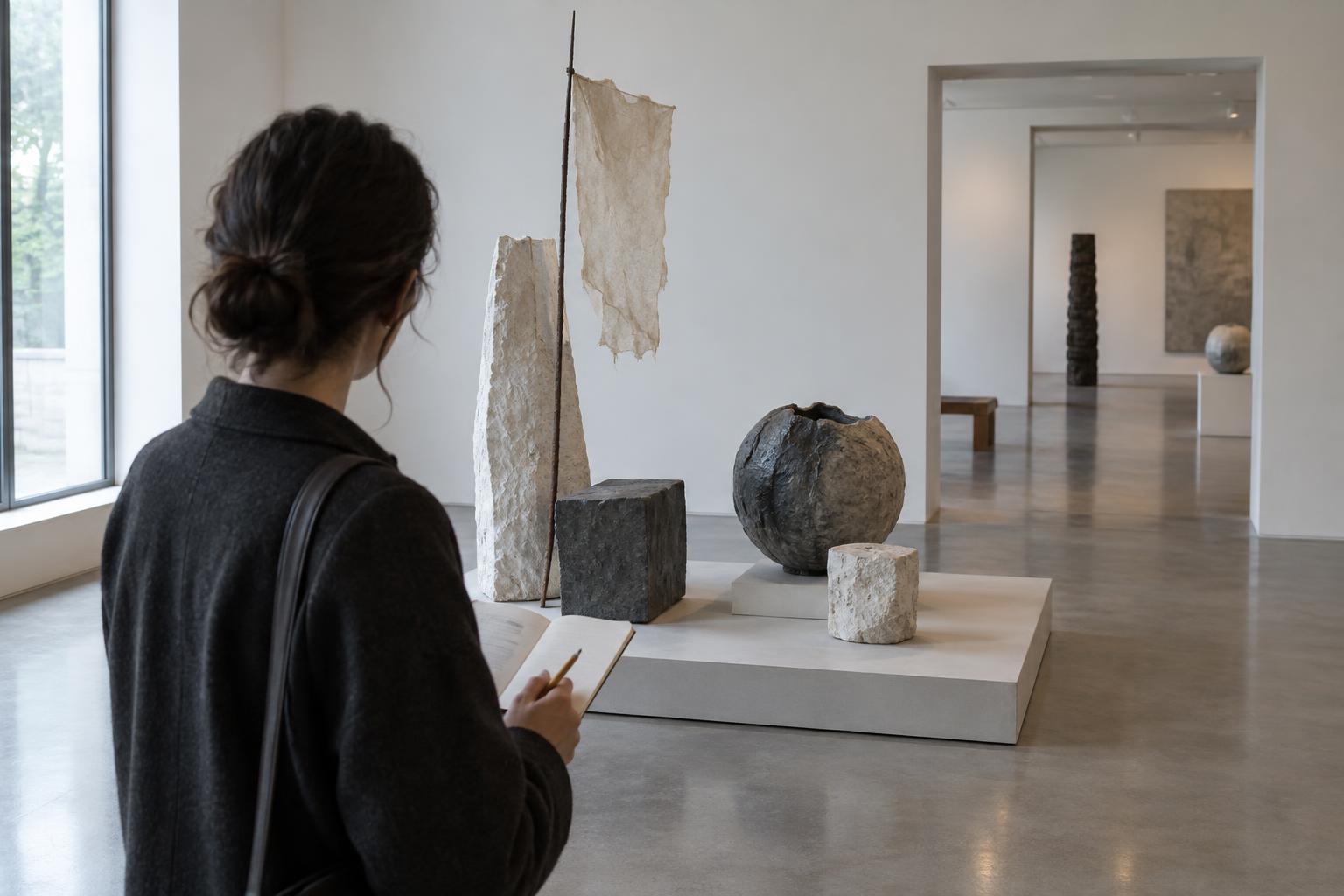
Exhibition InterpretationA useful exhibition review begins before the writing does. Learn how to record the layout, individual works, materials and your changing responses without letting note-taking get in the way of looking.
Read article · 4 min↗
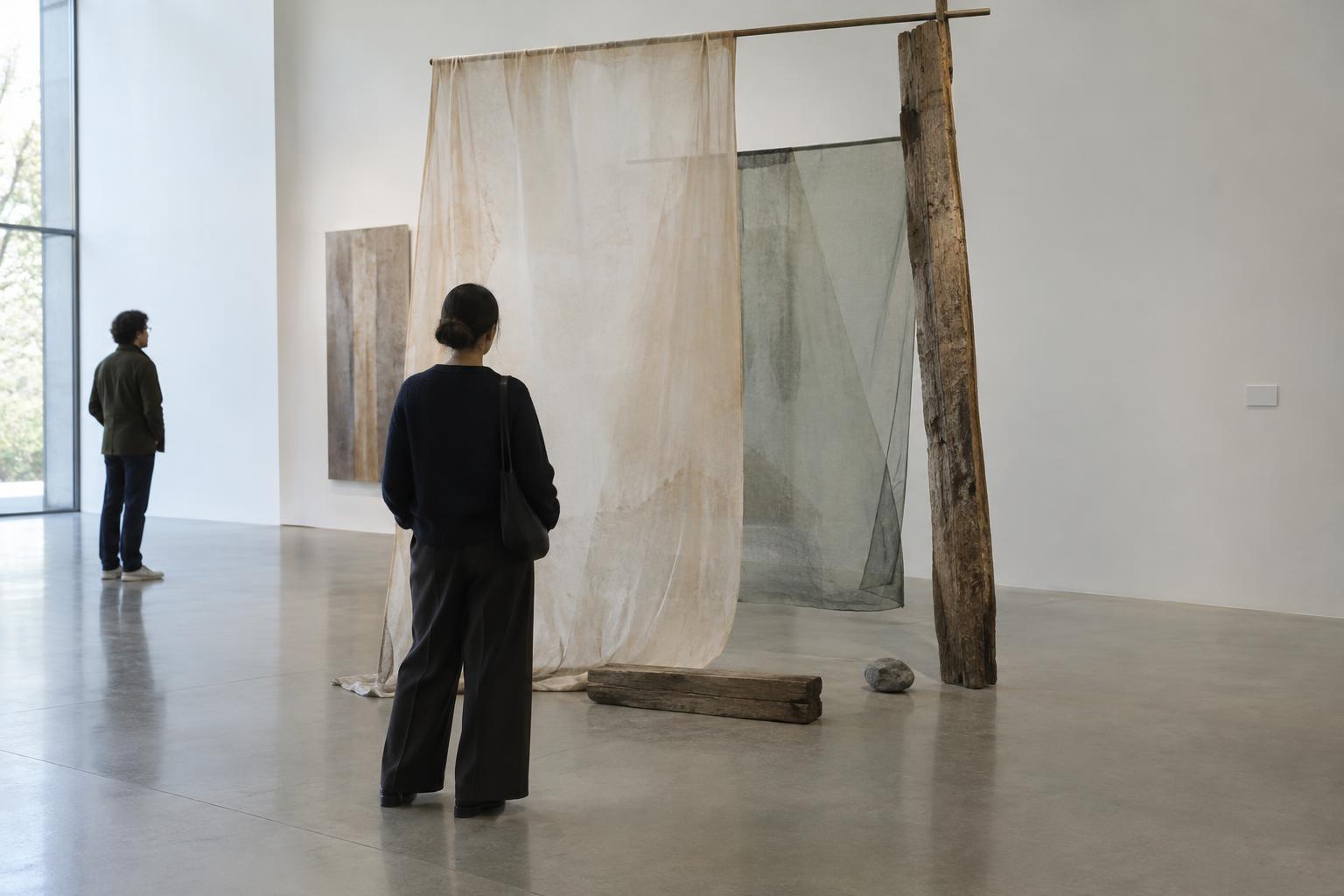
Exhibition InterpretationAn exhibition can invite many interpretations, but it rarely gives direct access to everything an artist meant. Learn how to read labels, materials and spatial choices without treating your first impression as a final answer.
Read article · 4 min↗
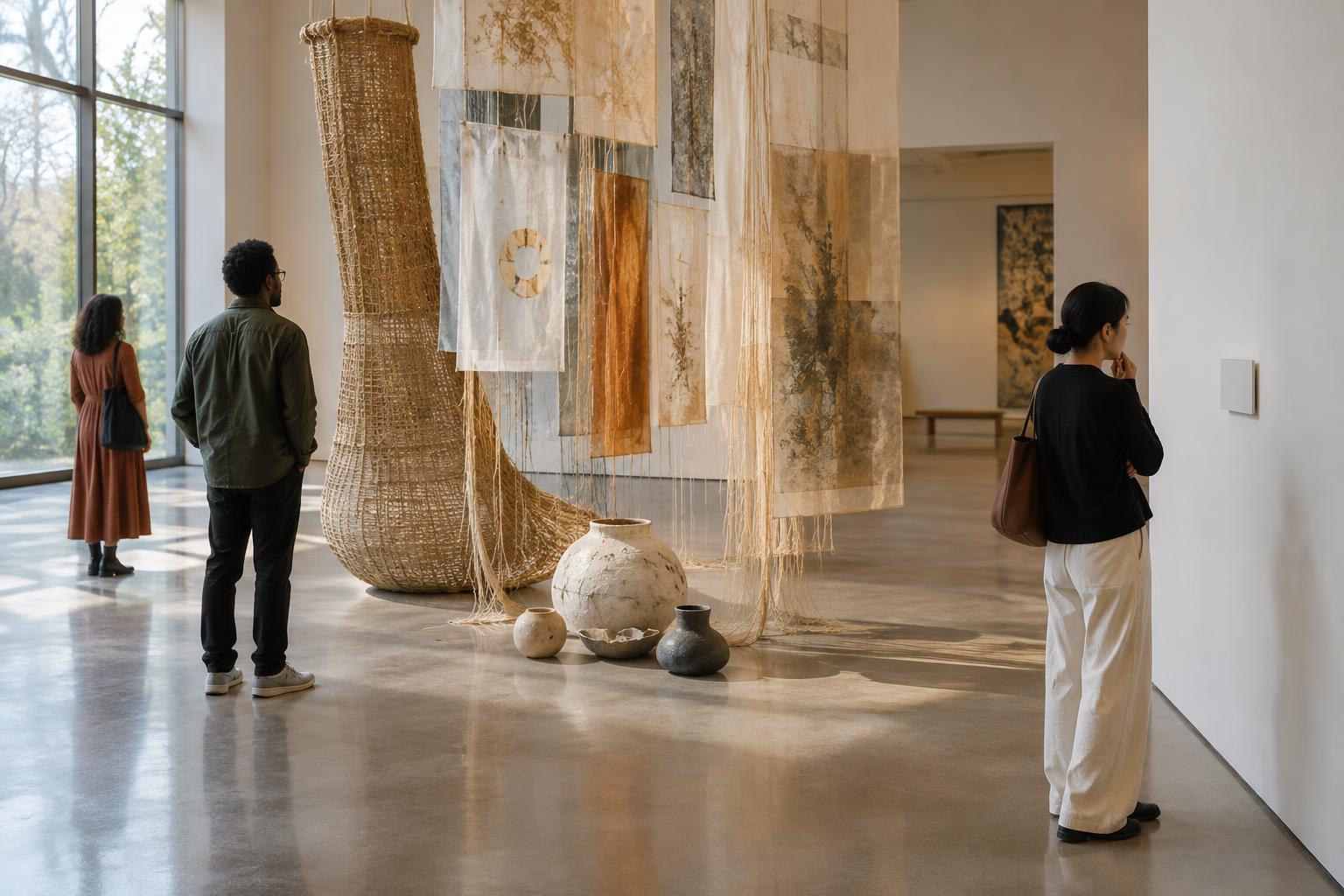
Exhibition InterpretationExhibition labels can help visitors find their bearings, but they cannot contain every meaning a work may hold. A practical guide to reading artworks, translations and curatorial choices with curiosity, care and room for uncertainty.
Read article · 4 min↗
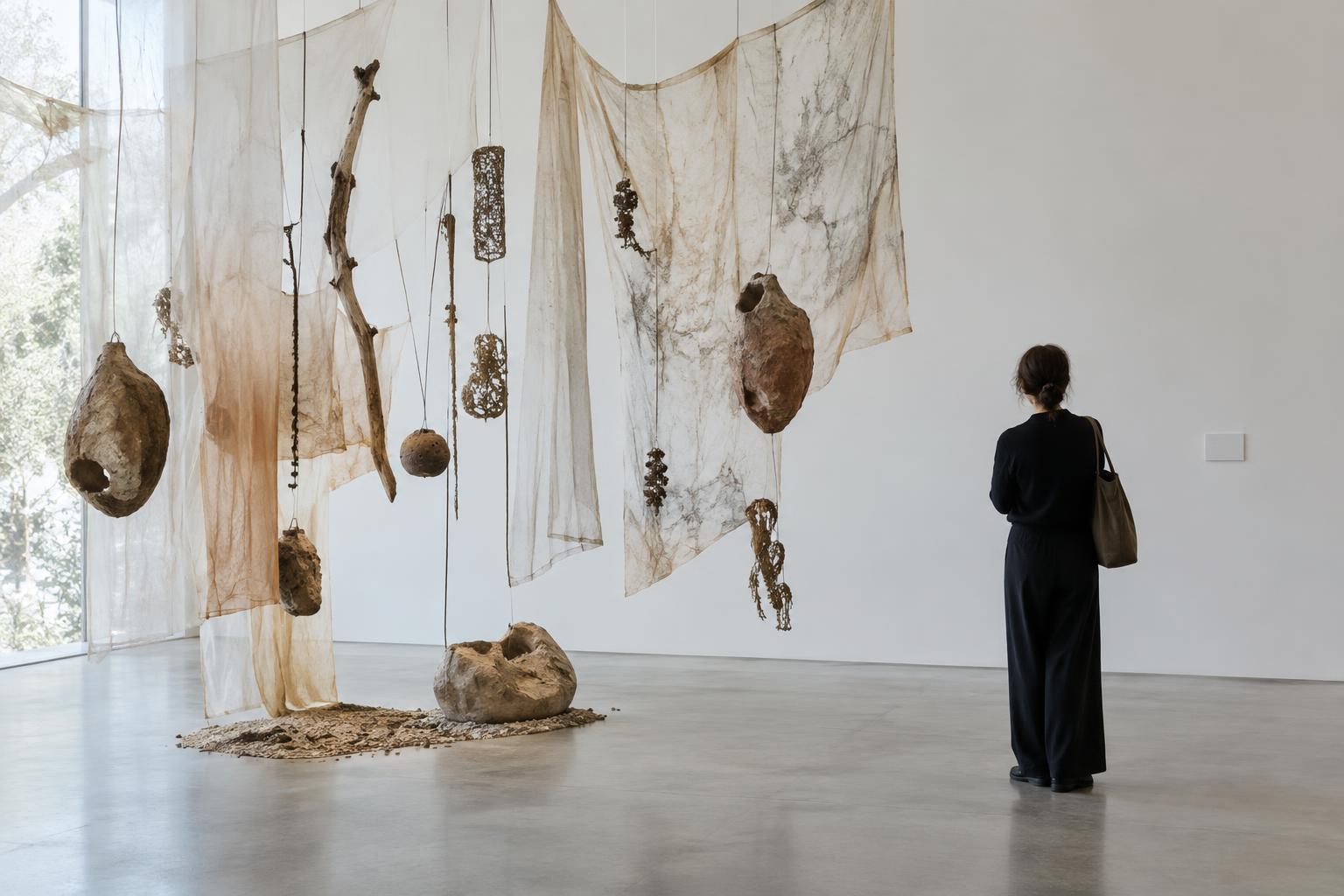
Exhibition InterpretationExhibitions often make claims about history, materials, communities and artistic intent. A thoughtful visitor can examine those claims while remaining open to what the work does beyond its labels.
Read article · 4 min↗
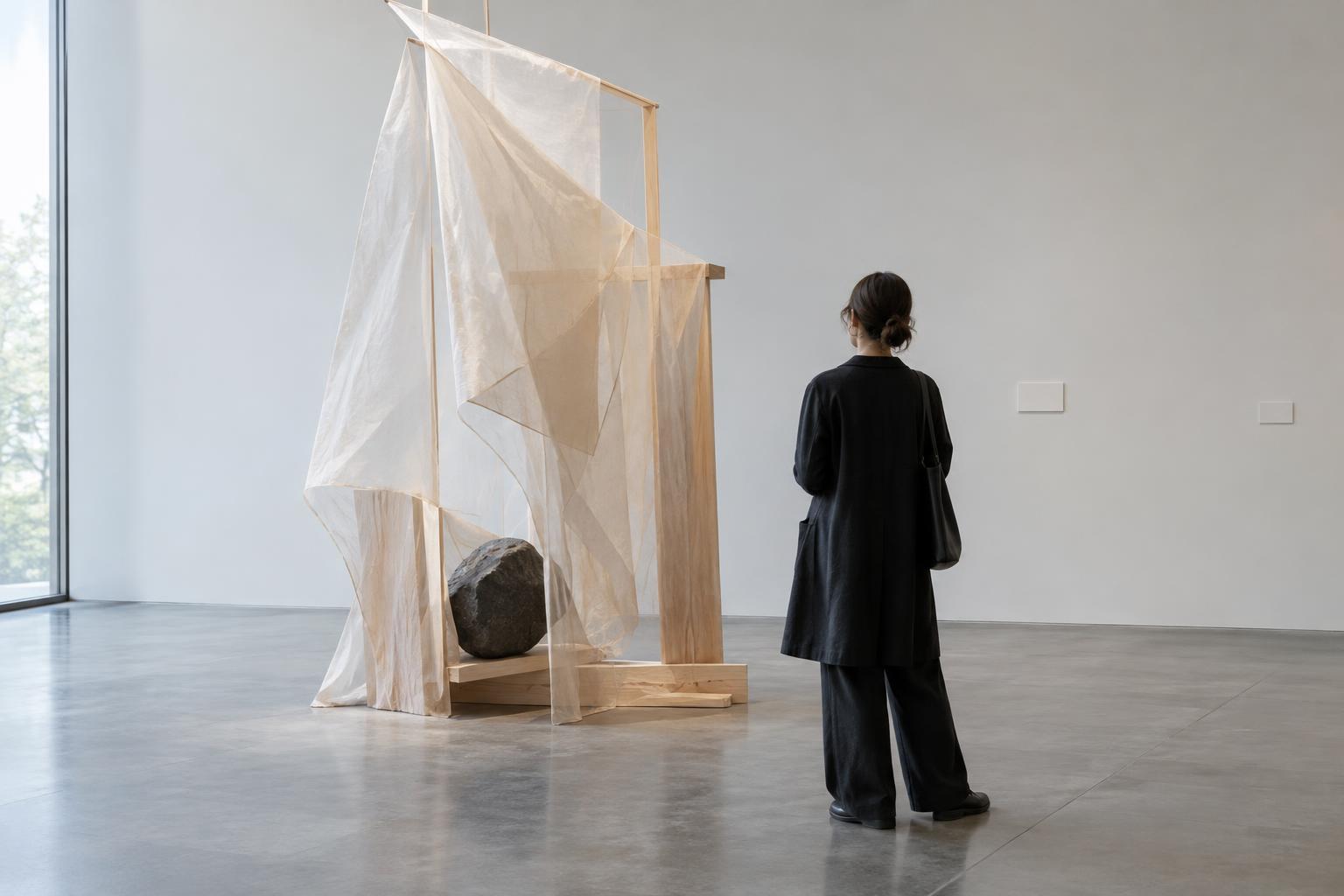
Exhibition InterpretationThe words beside an artwork can open up a new way of looking, but they also speak from a particular position. Learn how to distinguish artist statements from curatorial texts, notice where their perspectives overlap, and use both without letting either replace your own encounter with the work.
Read article · 4 min↗
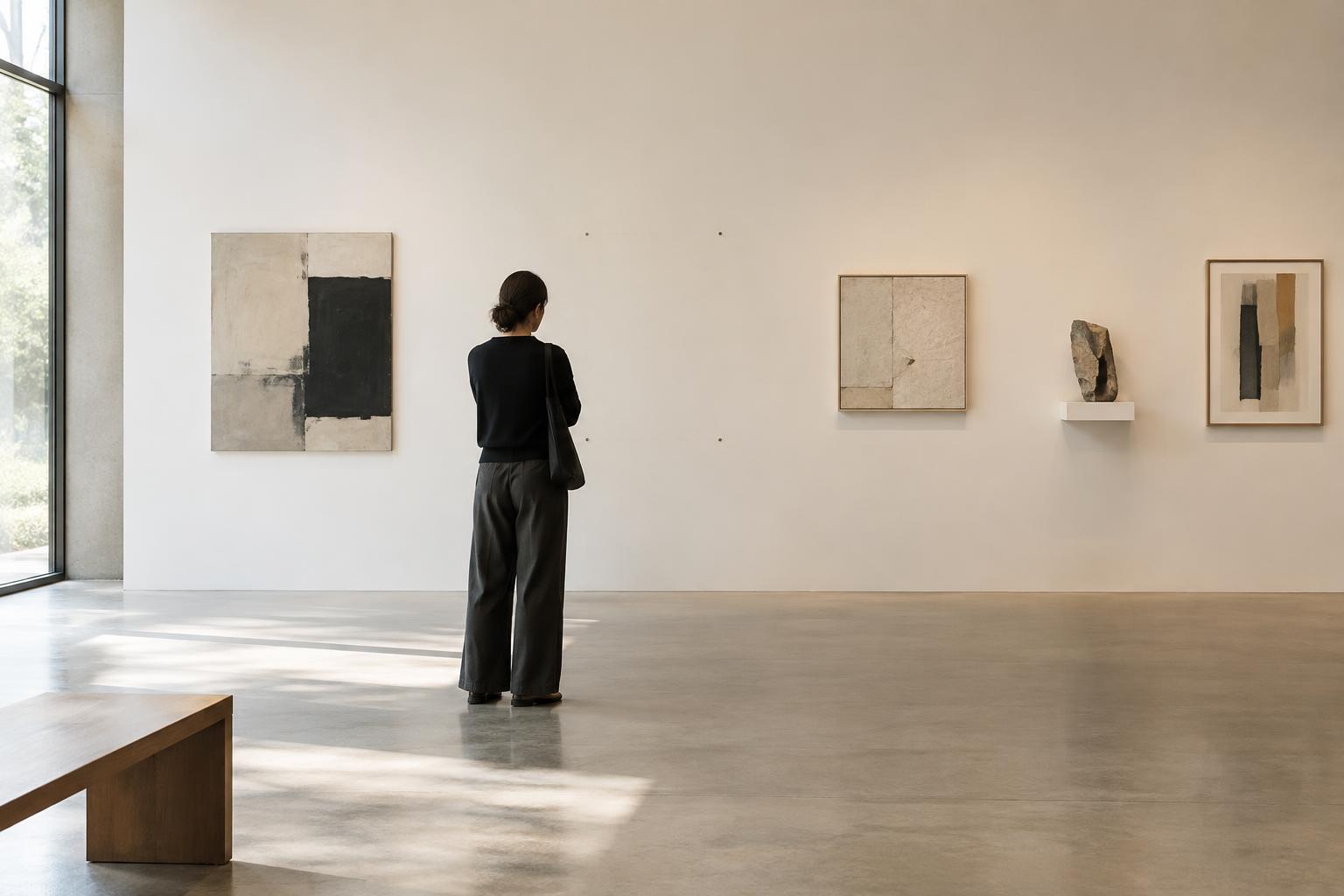
Exhibition InterpretationAn exhibition tells a story through what it includes, but its gaps can be revealing too. Looking at missing works, voices, contexts and materials can sharpen interpretation without turning every absence into an accusation.
Read article · 4 min↗
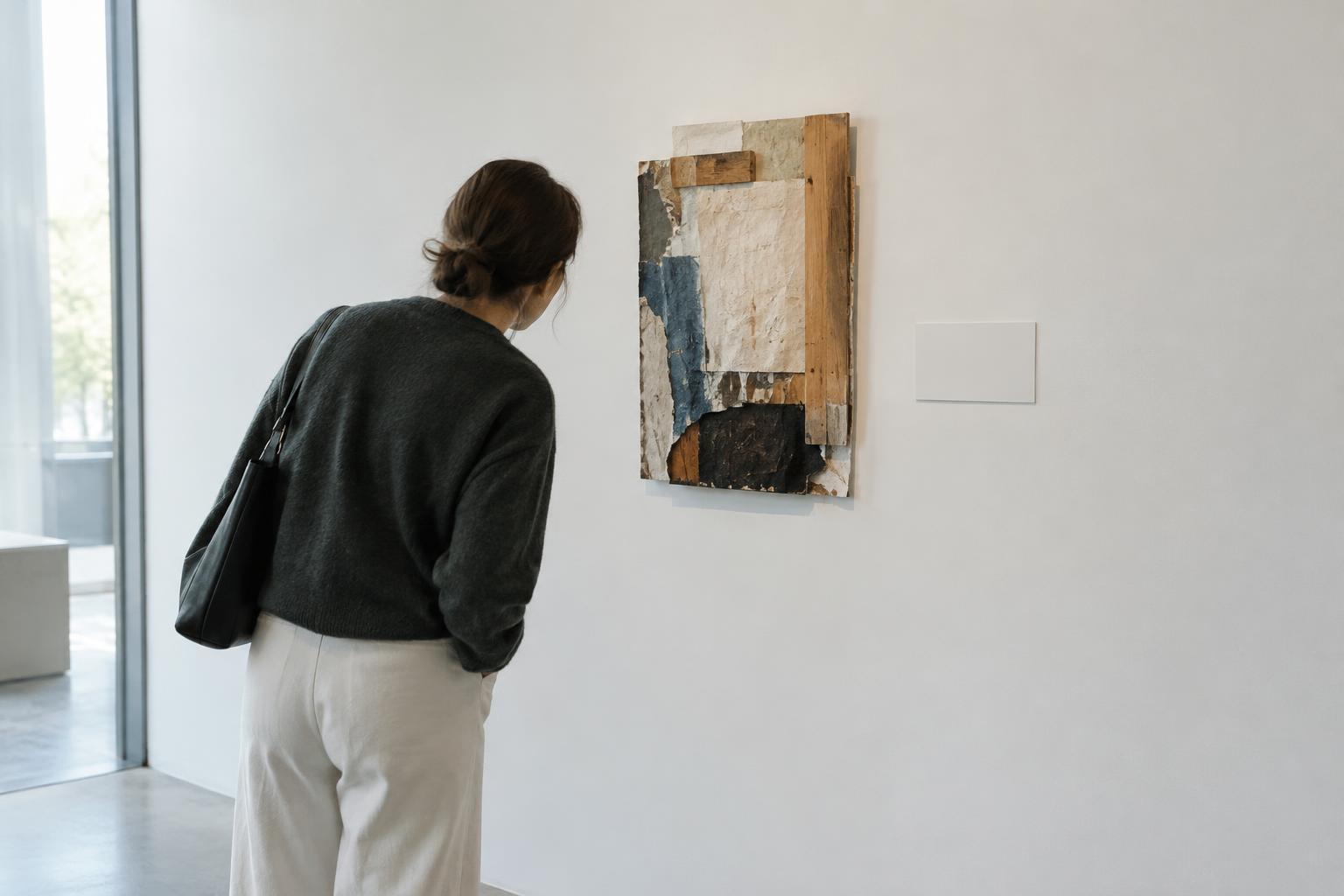
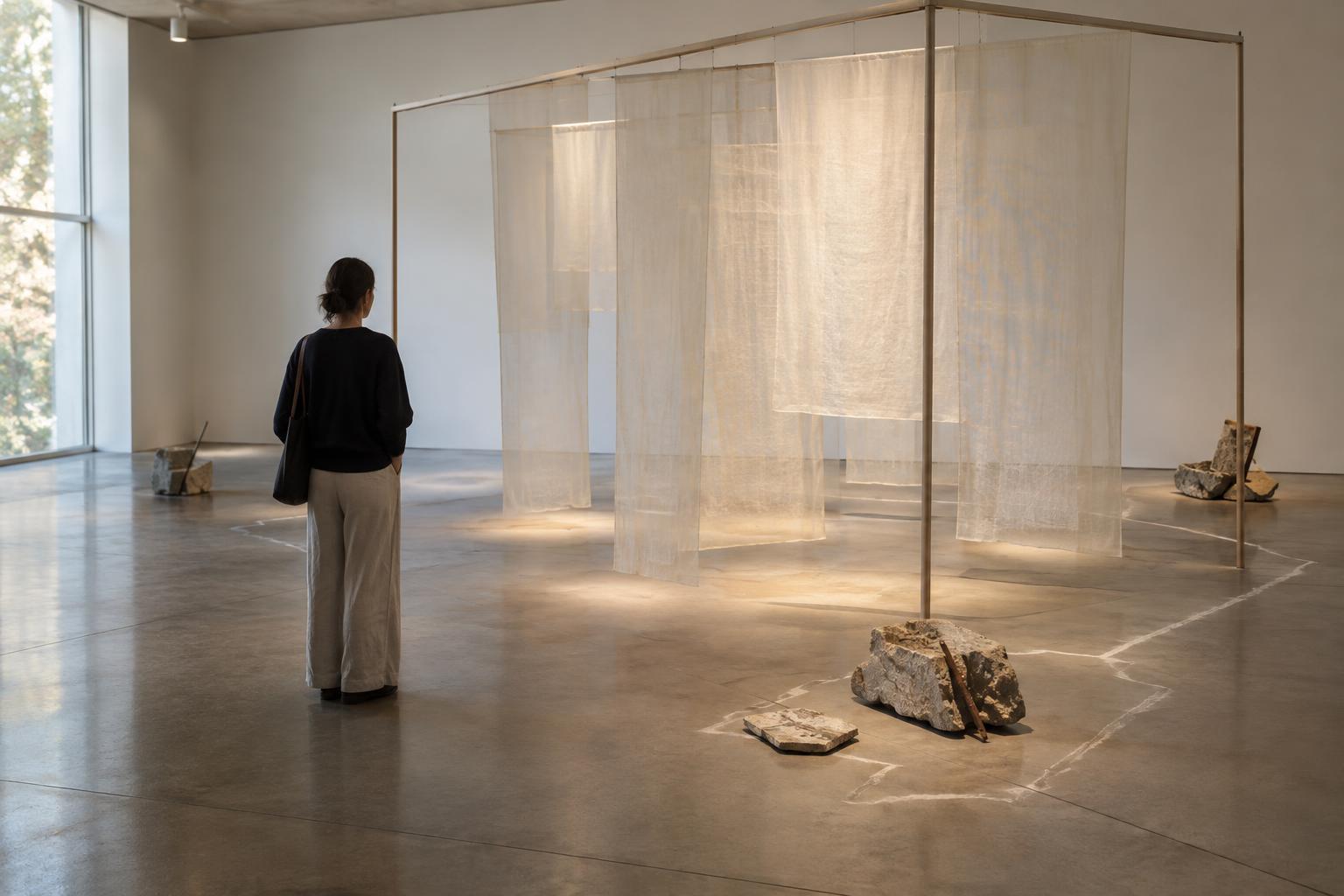
Exhibition InterpretationWhat does it mean to encounter a temporary artwork after its original moment has passed? This guide explores how re-creations can preserve, adapt, or reinterpret an artwork, and offers questions visitors can use to understand what they are seeing.
Read article · 4 min↗
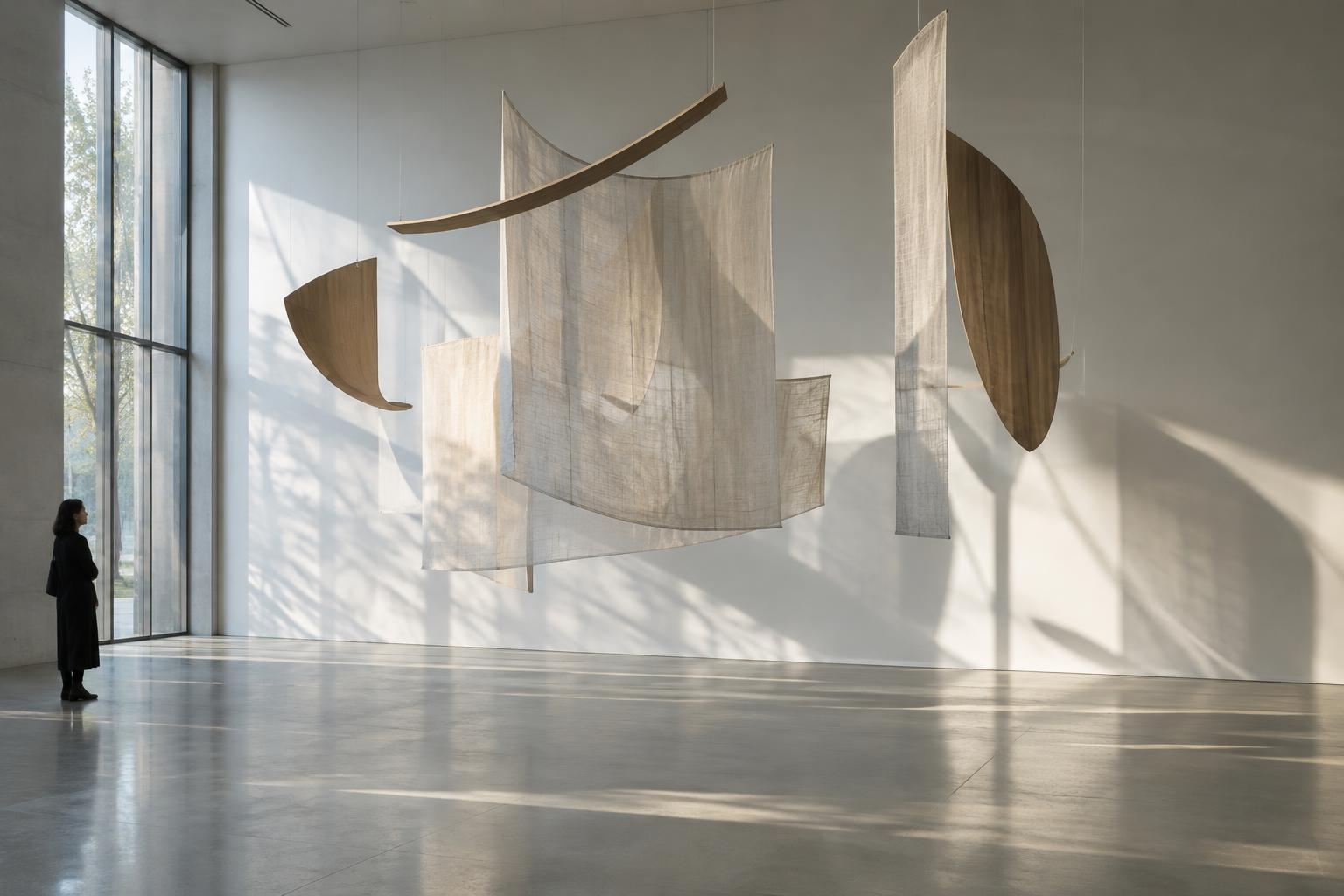
Exhibition InterpretationA commissioned artwork responds to an invitation, but its meaning is not fixed by that invitation. Learn how to look at the work, its setting and the exhibition’s framing without treating any one of them as the whole story.
Read article · 4 min↗
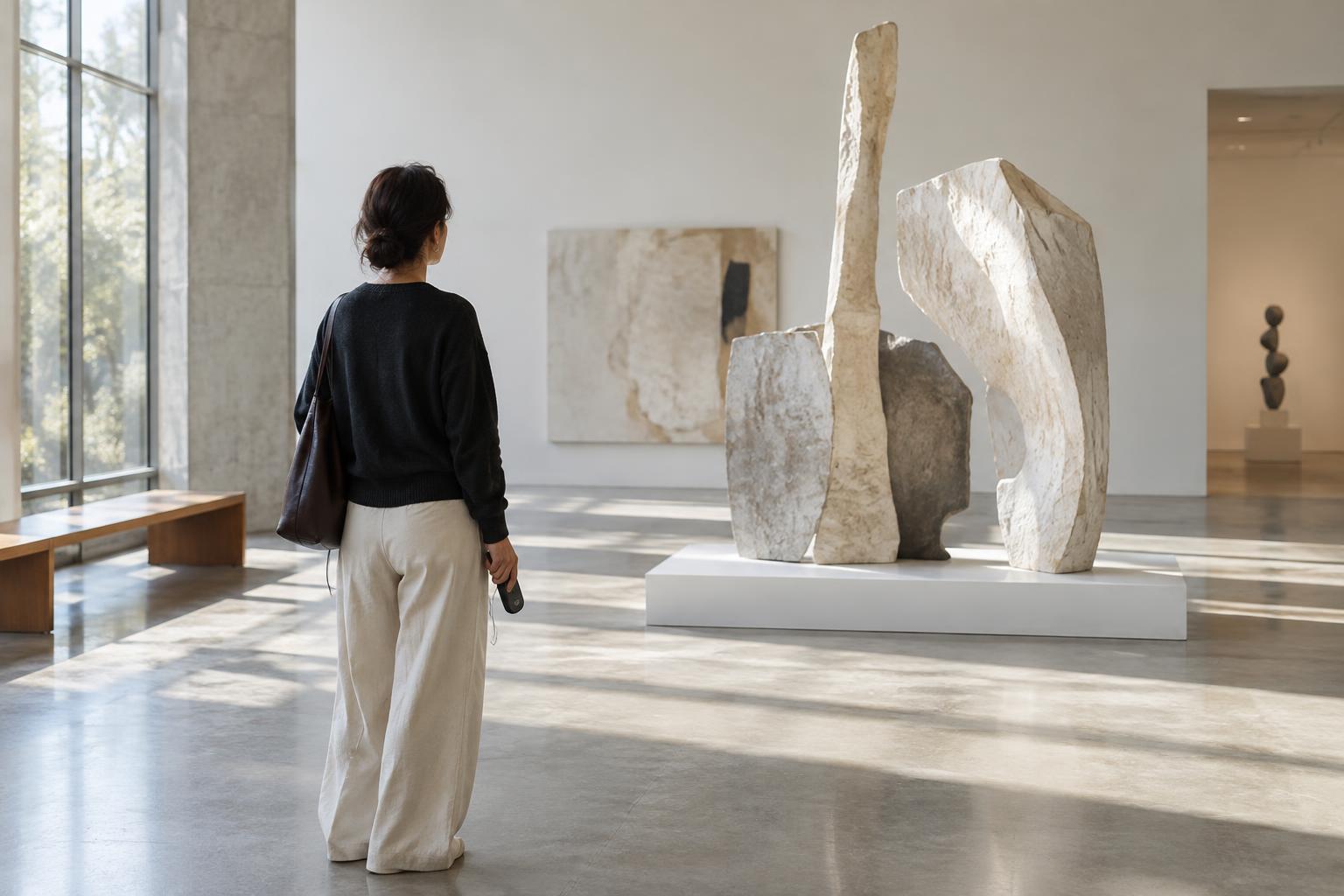
Exhibition InterpretationAn audio guide can reveal context you might otherwise miss, while looking without one leaves room for your own questions. Learn how to choose between them—or combine them—when visiting an exhibition.
Read article · 4 min↗
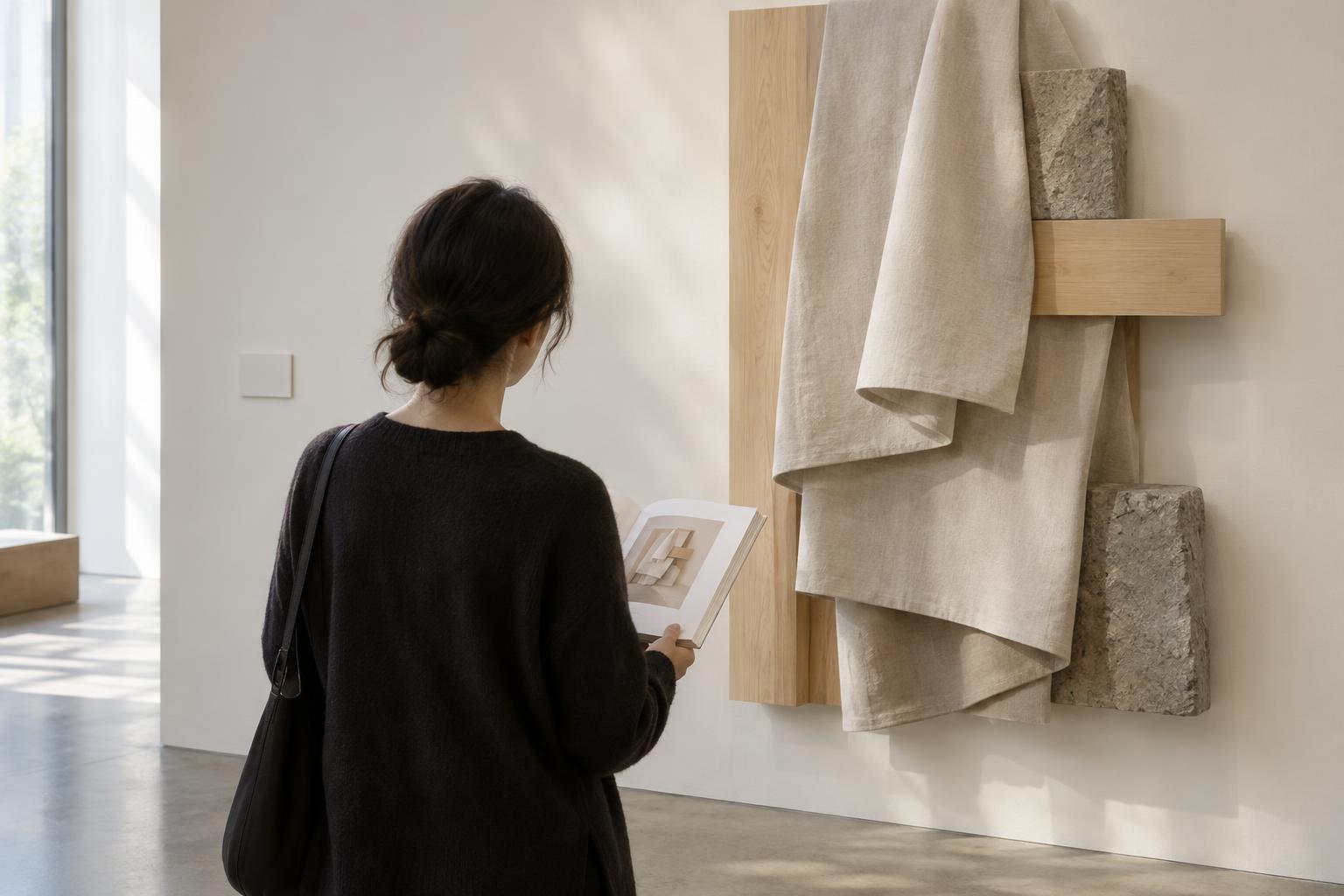
Exhibition InterpretationWall text and exhibition catalogues offer different ways into an artwork. Learn what each format does best, when to consult it, and how to keep interpretation open rather than letting the written word replace looking.
Read article · 4 min↗
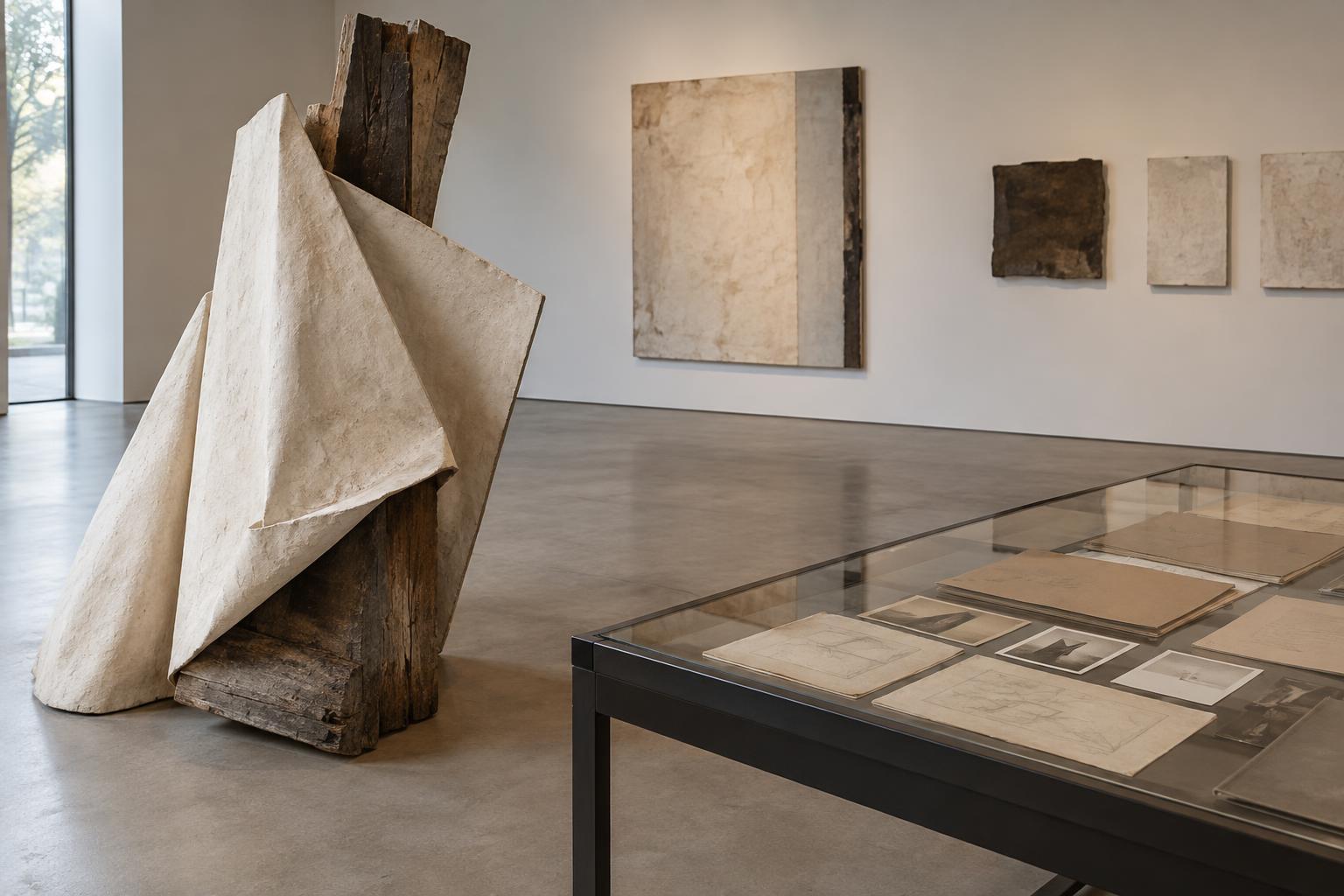
Exhibition InterpretationLetters, sketches, photographs and records can deepen an exhibition, but they can also steer viewers toward a single story. This guide offers practical ways to read archival documents alongside artworks while leaving room for uncertainty and direct experience.
Read article · 4 min↗
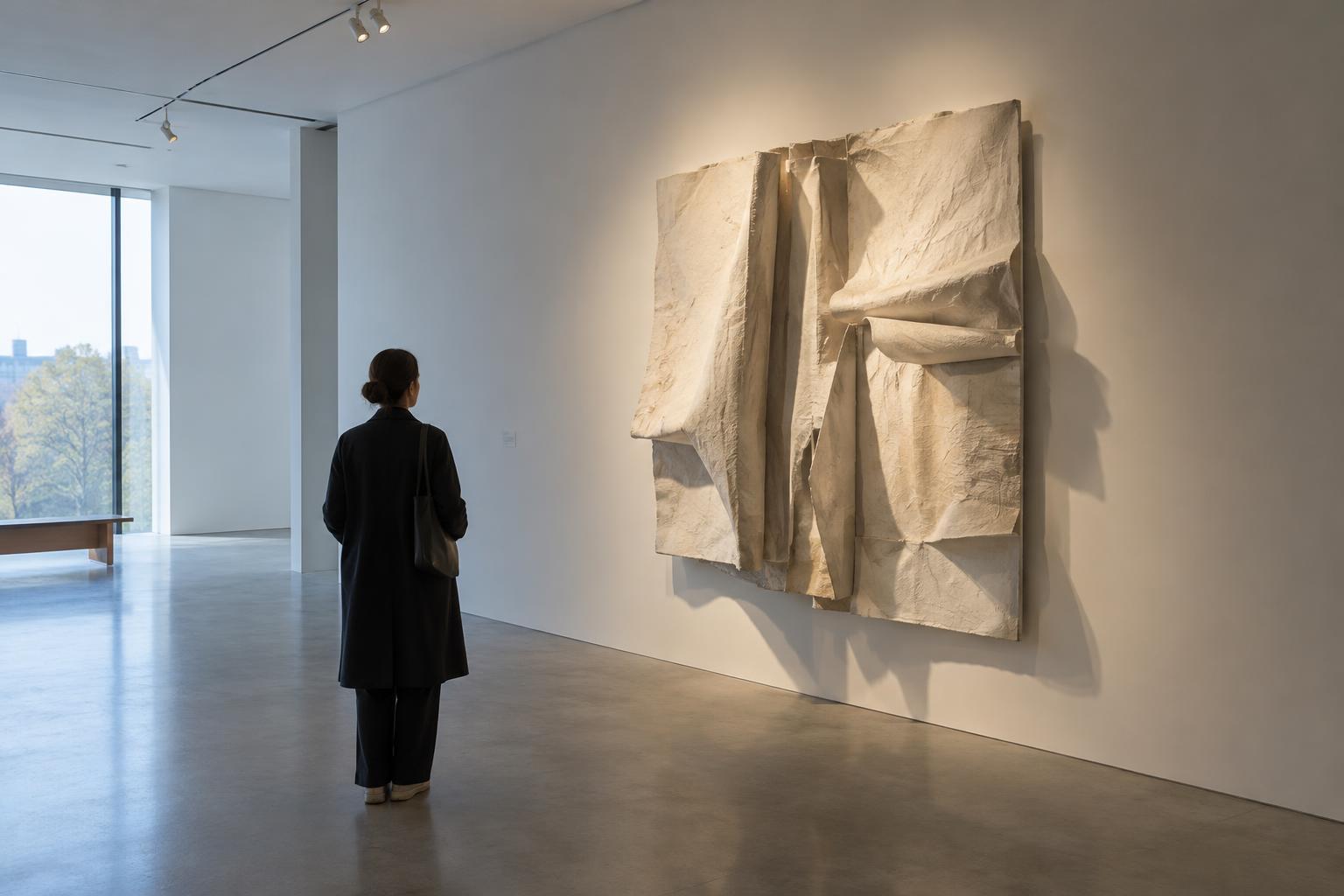
Exhibition InterpretationLight does more than make artworks visible. Its direction, brightness, color and relationship to the surrounding room can change what visitors notice and how they move. Understanding these choices offers a practical way to look more closely at an exhibition.
Read article · 4 min↗
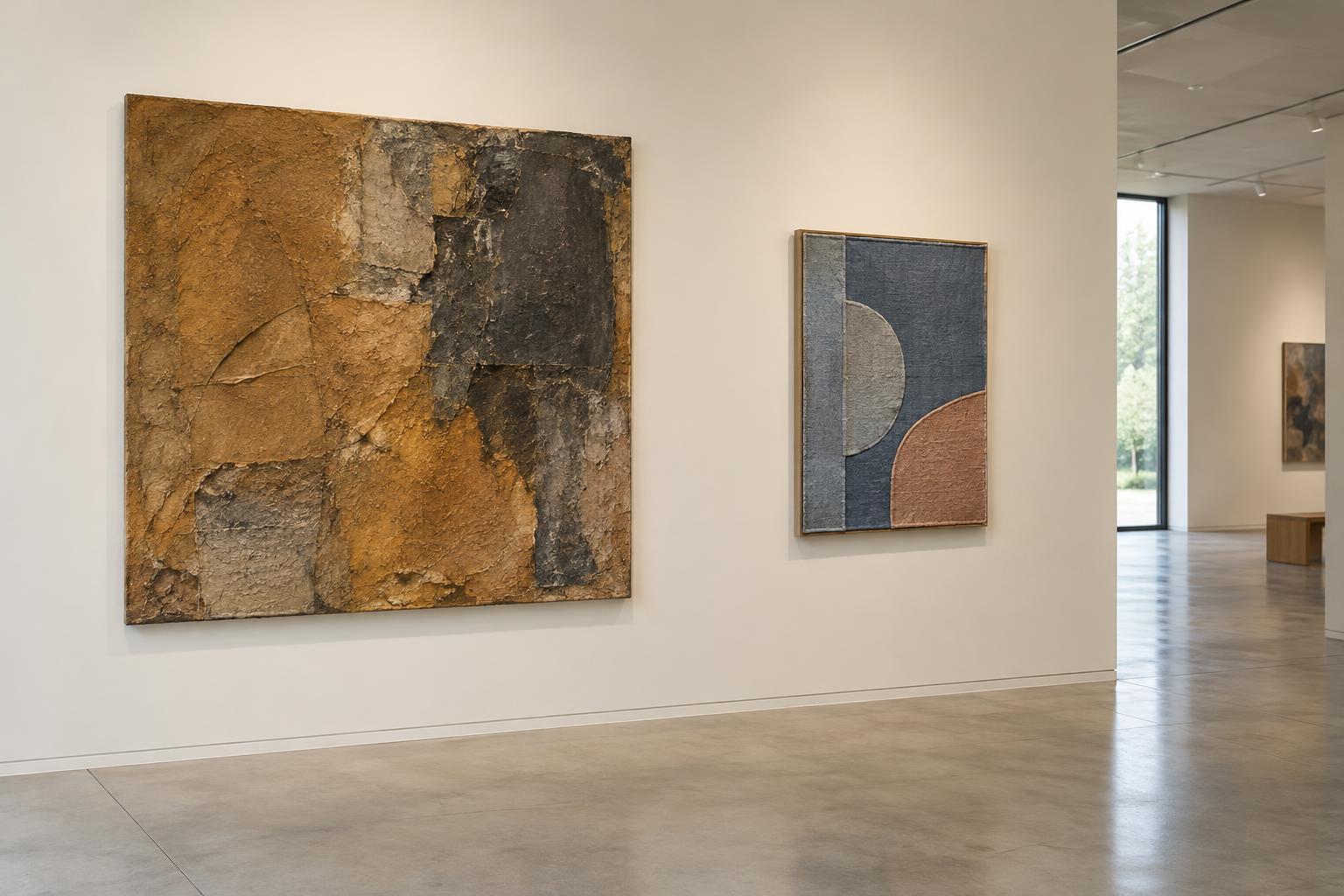
Exhibition InterpretationWhen two artworks share a wall or sightline, their placement can invite comparison without prescribing a single meaning. Learn how to read the relationships created by scale, material, subject, spacing and the route through an exhibition.
Read article · 4 min↗
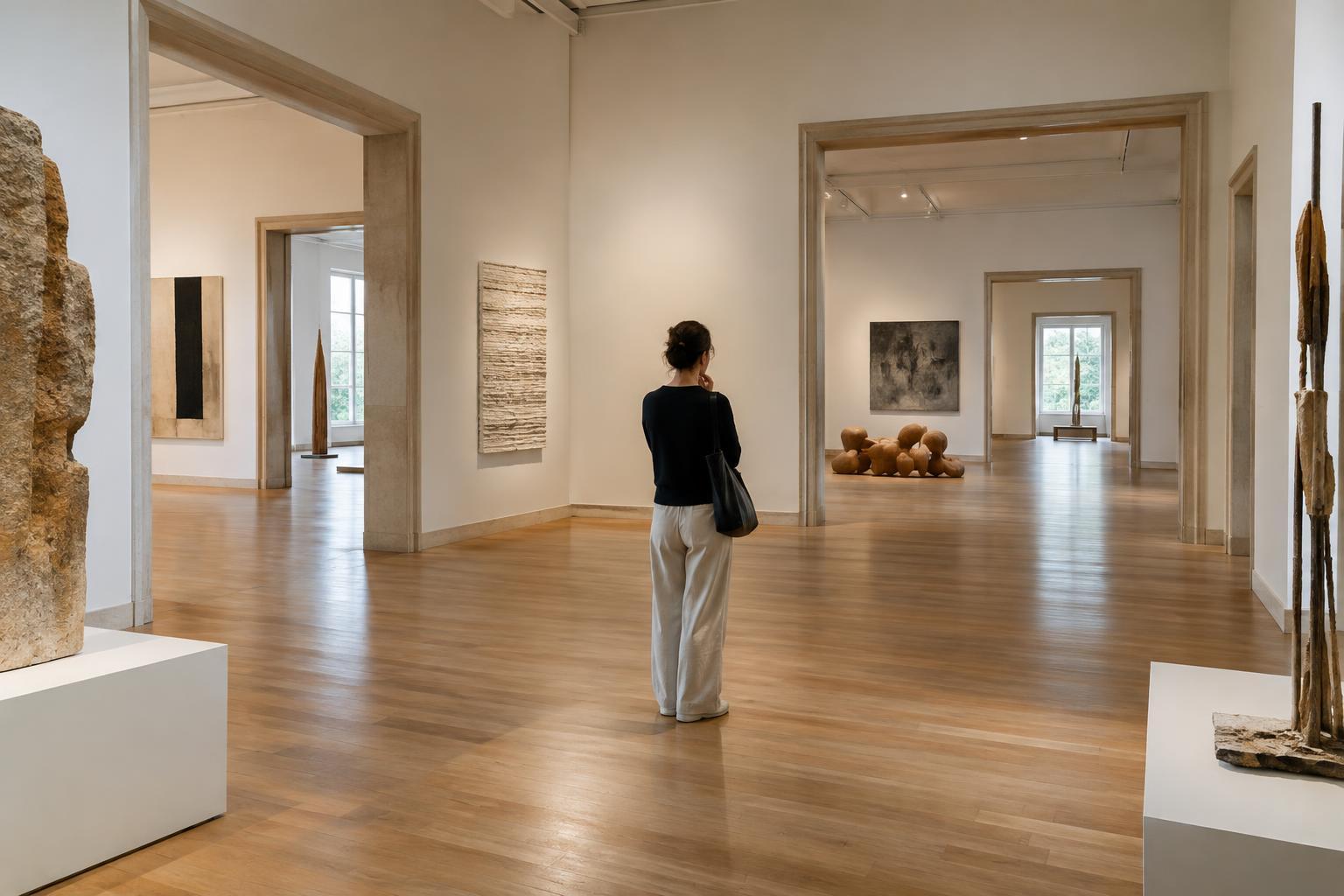
Exhibition InterpretationAn exhibition may suggest a direction without demanding that every visitor follow it. Learn how to notice spatial cues, choose your own pace and make sense of a show even when you begin in the middle.
Read article · 4 min↗
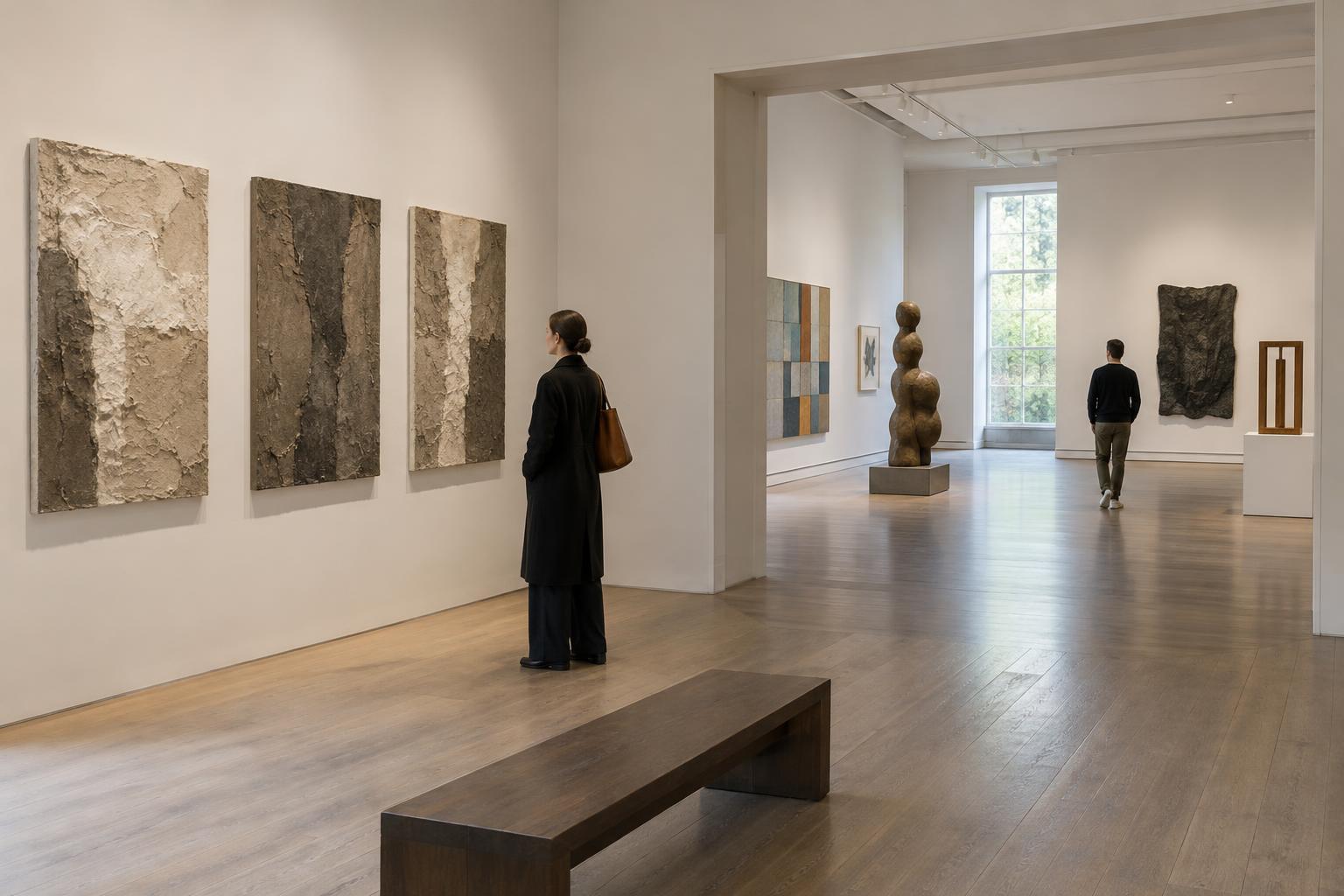
Exhibition InterpretationA solo exhibition and a group show invite different kinds of attention. Learn how to read an artist’s recurring decisions, compare works across artists, and use the exhibition space without treating the wall text as the only guide.
Read article · 4 min↗
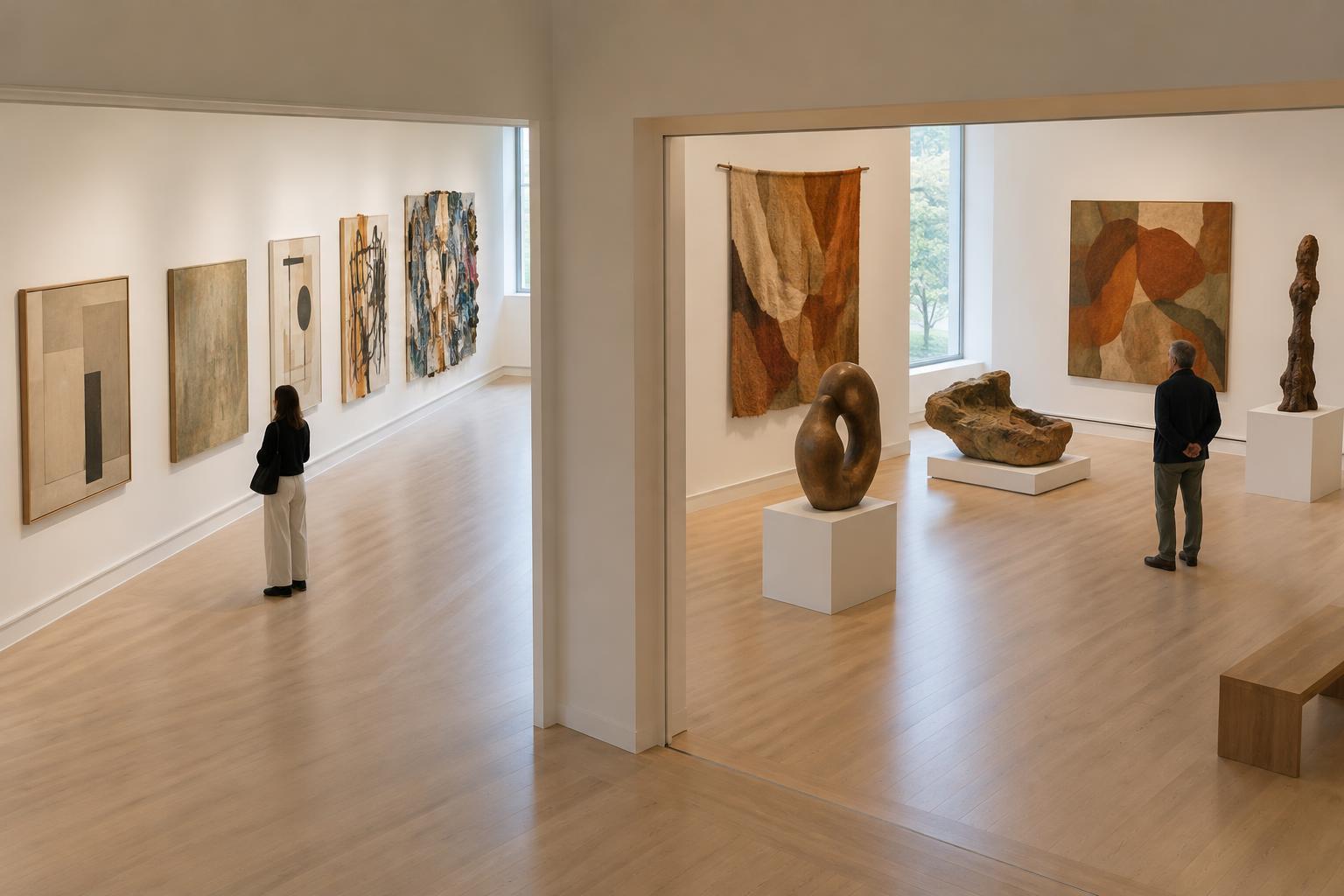
Exhibition InterpretationAn exhibition’s organizing principle changes the story visitors encounter. Chronological displays foreground change over time, while thematic displays draw connections across works, makers and periods. Understanding both approaches can help you look more closely—and notice what each arrangement leaves out.
Read article · 4 min↗
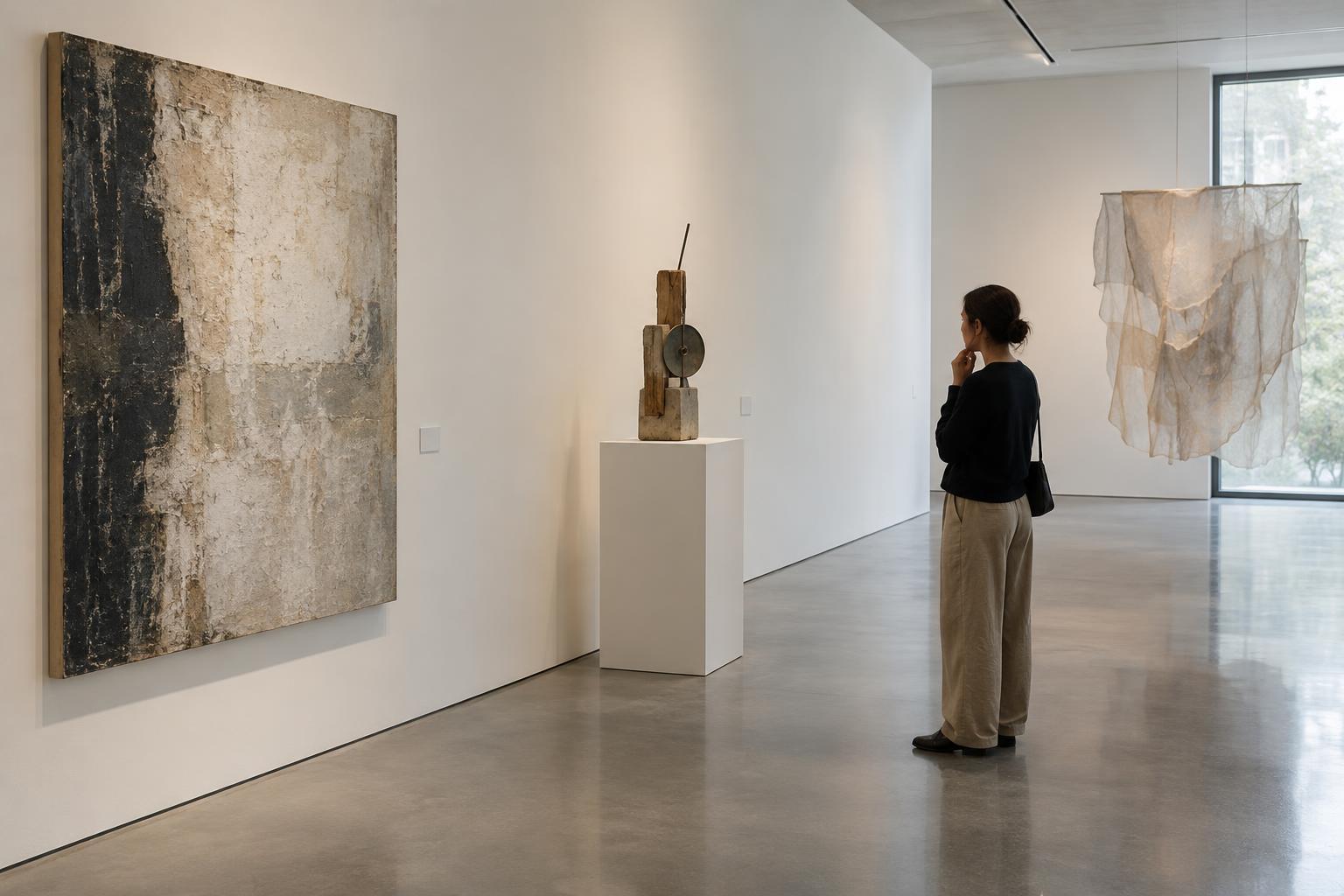
Exhibition InterpretationAn exhibition does more than bring artworks together. Its selection, layout, labels and contrasts can propose a way of understanding them. Learn how to trace that curatorial argument while leaving room for your own interpretation.
Read article · 4 min↗
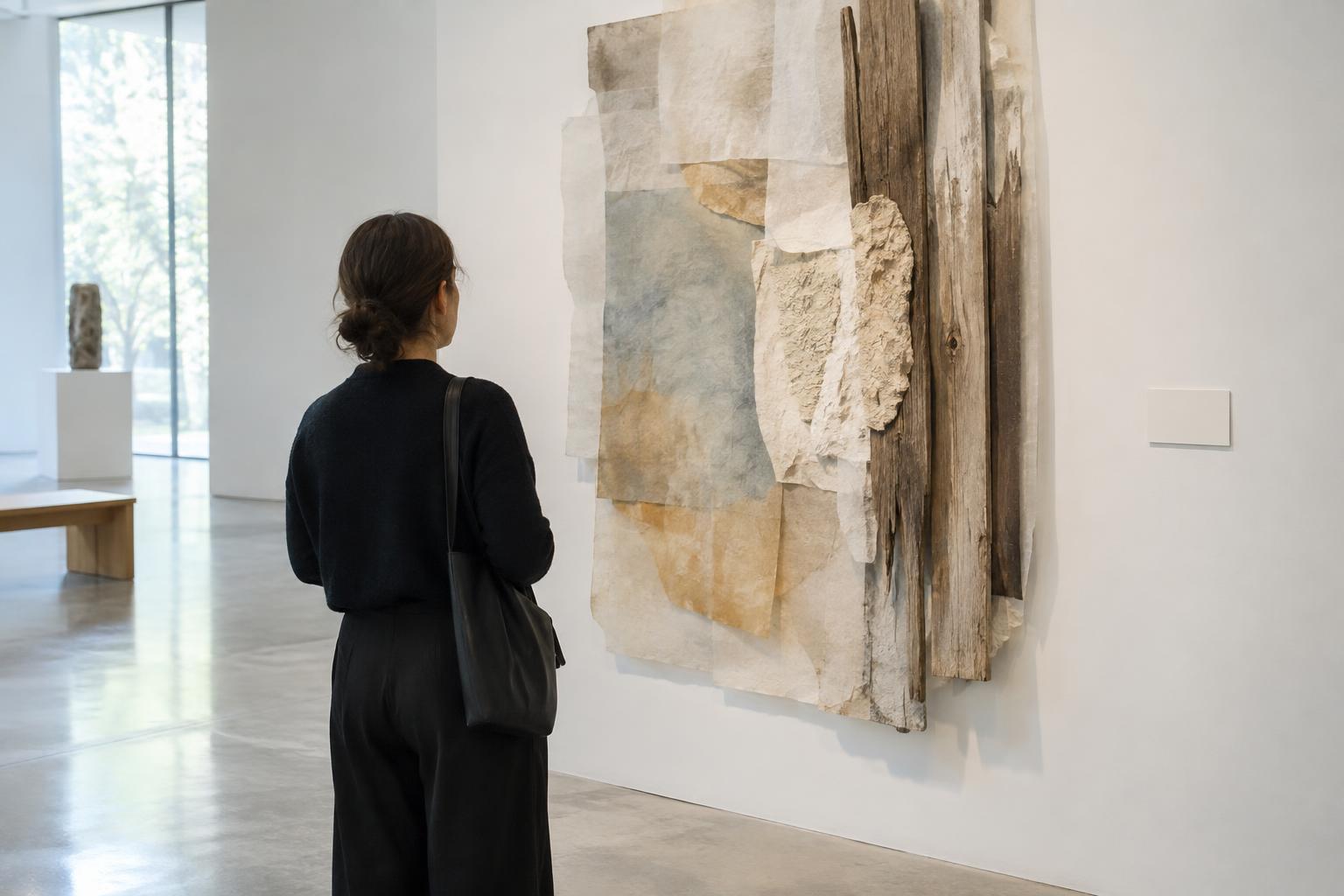
Exhibition InterpretationAn artwork label can give you a foothold without giving you a final answer. Learn how to use titles, dates, materials and curatorial text as clues while leaving room for your own observations.
Read article · 4 min↗
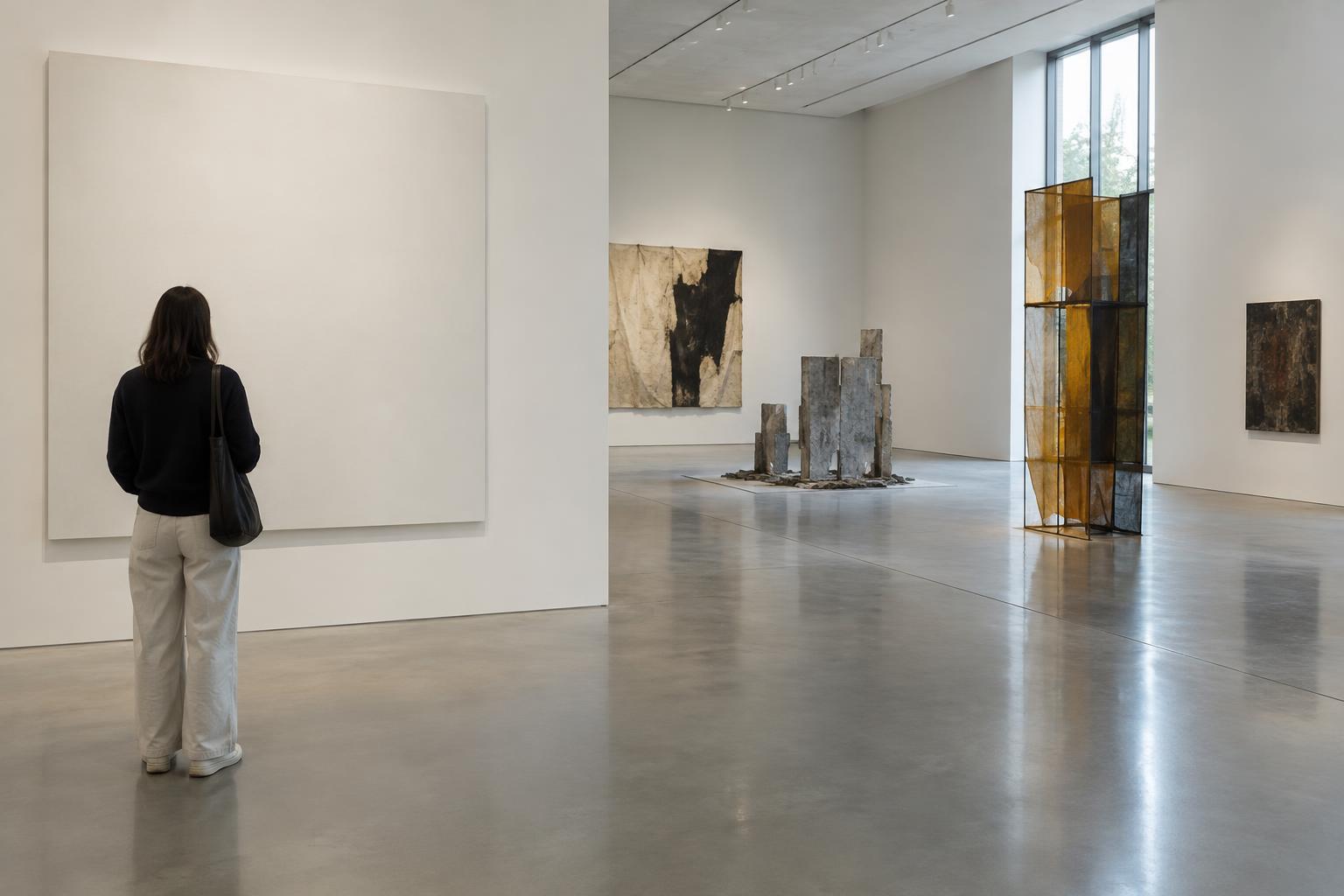
Exhibition InterpretationAn introductory wall text can orient a visitor without dictating what every artwork means. Learn how to use its title, context and curatorial language as starting points for looking, questioning and making your own connections.
Read article · 4 min↗