Begin with what the label can and cannot do
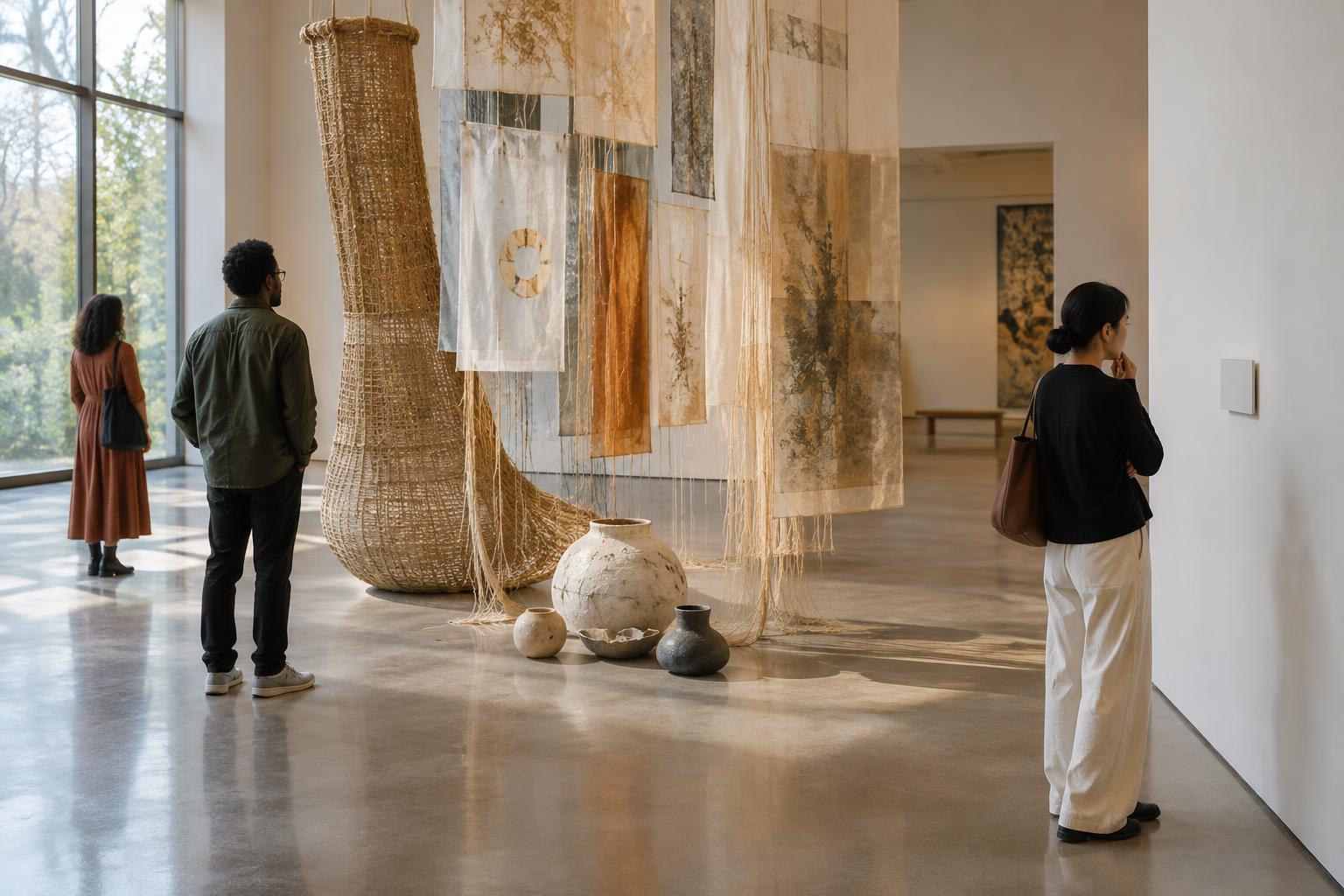
A label is a useful point of entry. It may identify an artist, name a material, translate a title or explain why a work appears in a particular room. It can also save a visitor from having to guess at basic information. But its brevity is a constraint: a few sentences cannot carry every history, disagreement or personal association that might shape an artwork. Reading across cultures begins by treating the label as one account, not the complete context.
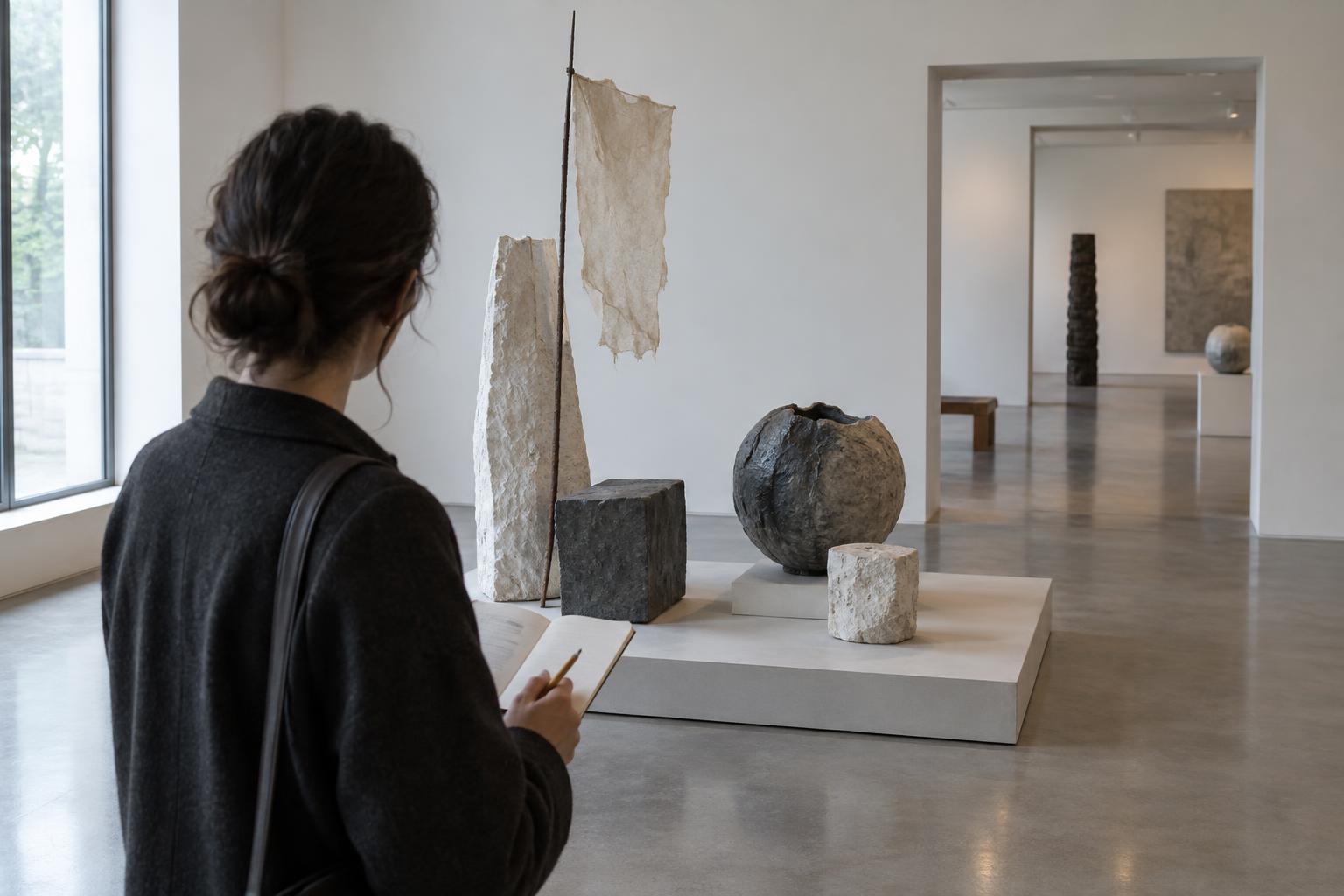
Before reading it, spend a moment with the work. Notice its scale, placement, sound, movement or relationship to nearby pieces. Then read the label and ask what changed in your understanding. Did it clarify something you observed, or direct your attention toward something you had missed? This sequence leaves room for both your encounter with the work and the information supplied by the exhibition.
Notice whose perspective organizes the room
Exhibitions make arguments through selection and arrangement, even when they do not state those arguments directly. A title may group works under a theme; a wall text may emphasize a shared history; a sequence of rooms may suggest a progression. These choices can be illuminating, but they are still choices. When an exhibition presents work from a culture unfamiliar to you, consider whether its framing leaves space for differences among artists, places and generations.
Look for the relationship between an artist’s words and the curator’s explanation. If both are present, do they emphasize the same concerns? If only one voice is available, that absence need not make the display untrustworthy, but it is worth noticing. Ask what the exhibition helps you understand and what questions it leaves open, rather than expecting it to speak for an entire community.
Treat translation as interpretation
A translated title or wall text makes a work more accessible, yet words do not always travel neatly between languages. A term may carry everyday associations, historical uses or a range of meanings that a short translation cannot show. This does not mean visitors must know the original language to respond thoughtfully. It means a translated phrase is worth reading with some flexibility, especially when the work itself seems to complicate the explanation beside it.
If an original title is displayed alongside its translation, notice whether one feels more specific or more open-ended. If pronunciation, names or place references are unfamiliar, resist turning that unfamiliarity into a story about the artist’s intentions. You can note a question without resolving it on the spot. A good exhibition visit can produce sharper questions as well as clearer answers.
Read materials and display conditions together
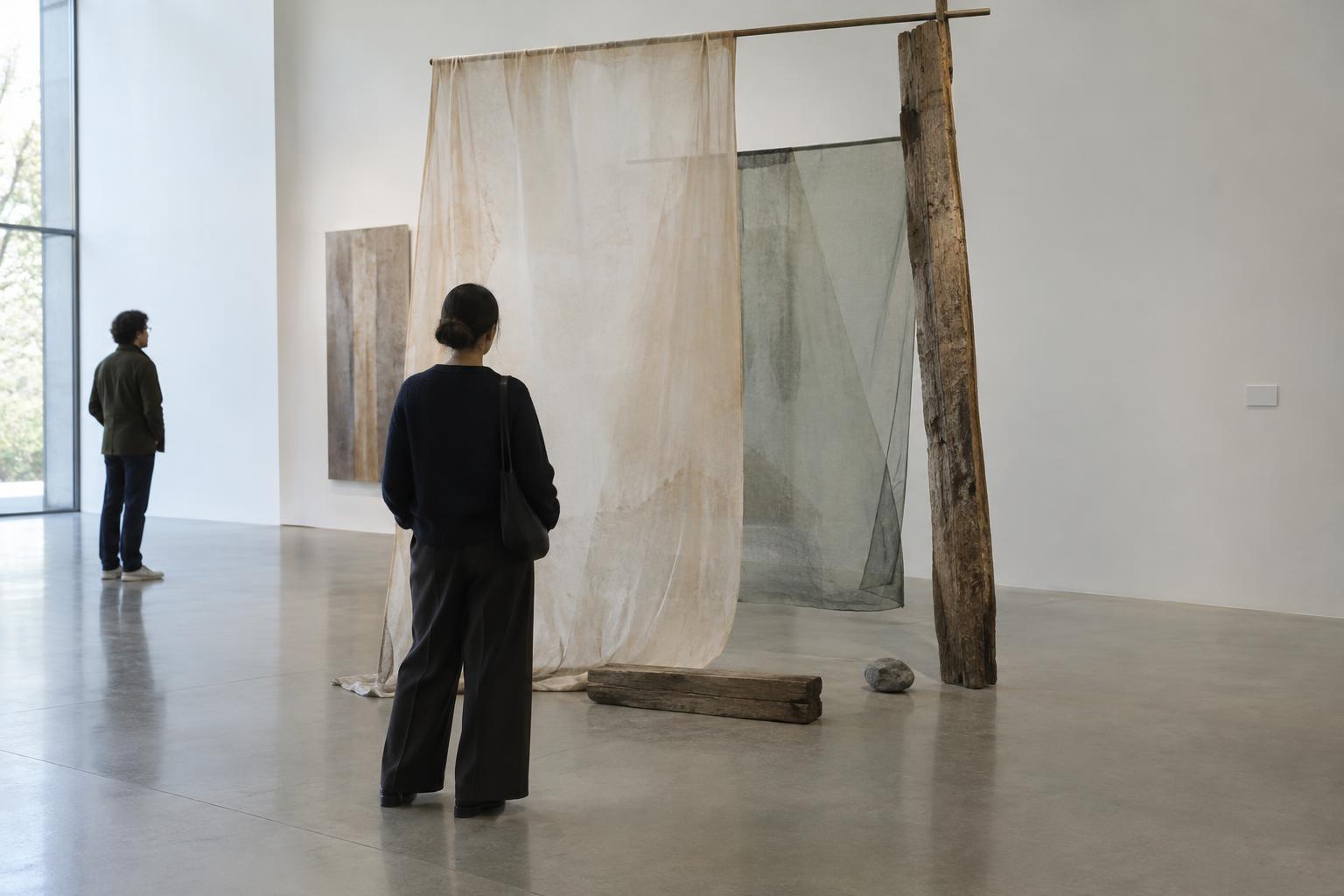
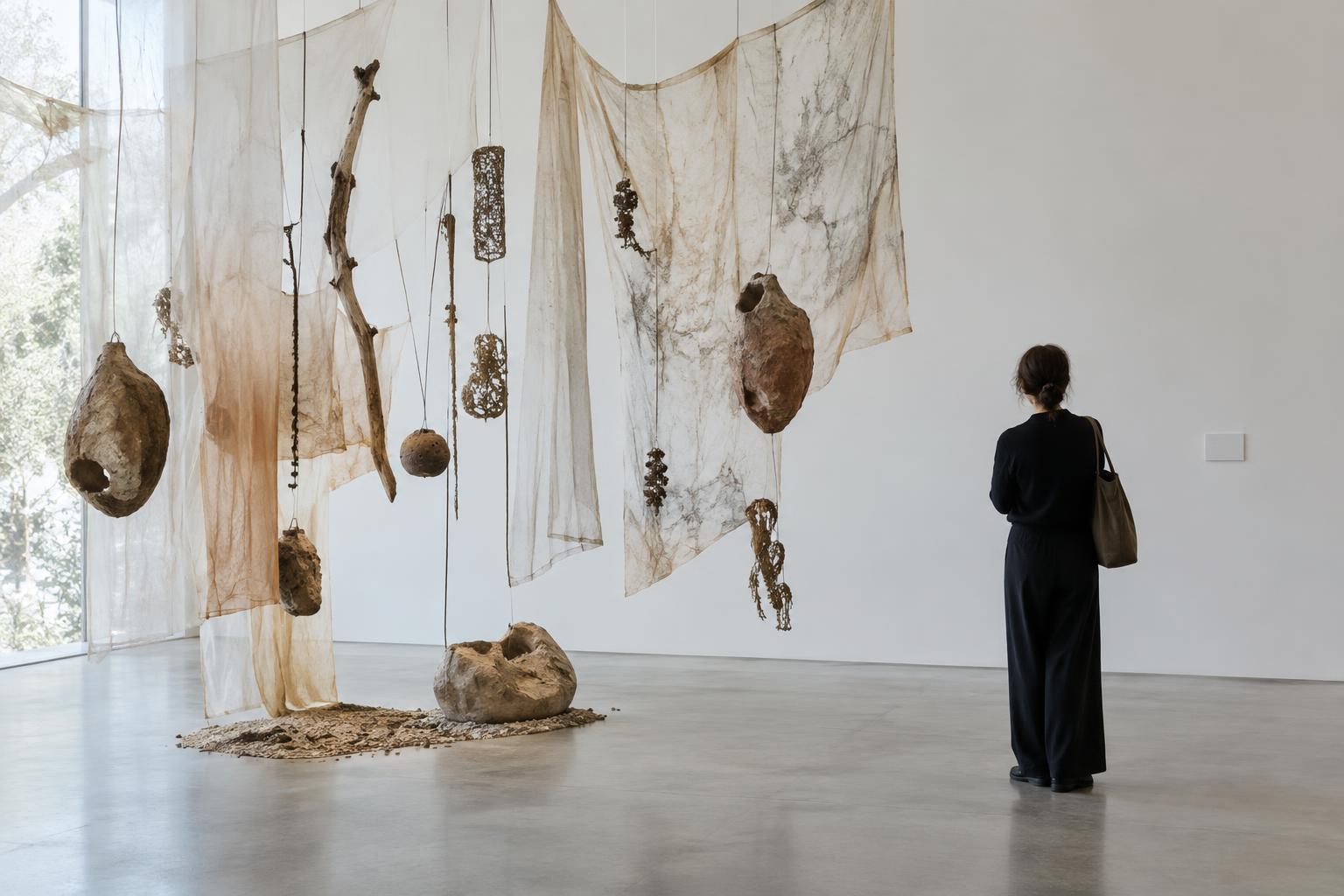
Materials can invite interpretation, but they do not have fixed meanings across contexts. Cloth, soil, found objects or digital images may connect to local practices, personal memories, production methods or formal experiments. A label might explain one of those connections. Avoid assuming that a material is traditional simply because it looks handmade, or that a work represents cultural identity simply because its maker comes from a particular place.
The exhibition space also affects what you see. Lighting can draw attention to a surface; a barrier can change how close you stand; sound from another room can become part of an installation’s experience. Ask which effects seem central to the work and which may result from the venue. This is especially helpful with installations adapted to different rooms, where meaning can emerge from the meeting between an artist’s decisions and a particular site.
Keep your interpretation open and accountable
You do not need to set aside your own response in order to be respectful. An artwork may remind you of a place you know or prompt an emotional reaction before you understand its references. The useful distinction is between saying “this is what I noticed” and claiming “this is what it means” for everyone. One describes an encounter; the other may close off meanings you have not yet had a chance to learn.
When discussing an exhibition with someone else, point to what supports your reading: a visible detail, a phrase in the text, a change between rooms. Be willing to revise it when another detail complicates your first impression. If further context is available through an artist statement, a catalogue or another work in the exhibition, it may deepen your view without erasing your initial observation. Reading across cultures is not a test of instant expertise. It is a practice of looking closely, using the context offered and recognizing where that context ends.