Separate the work from the words around it
An exhibition is more than a collection of objects. Titles, wall labels, room texts, lighting and placement all help shape what visitors notice. These choices can make an unfamiliar work approachable, but they can also encourage a particular conclusion. If a label says an installation “challenges the boundary between public and private space,” it is offering an interpretation, not a fact you must accept before looking.
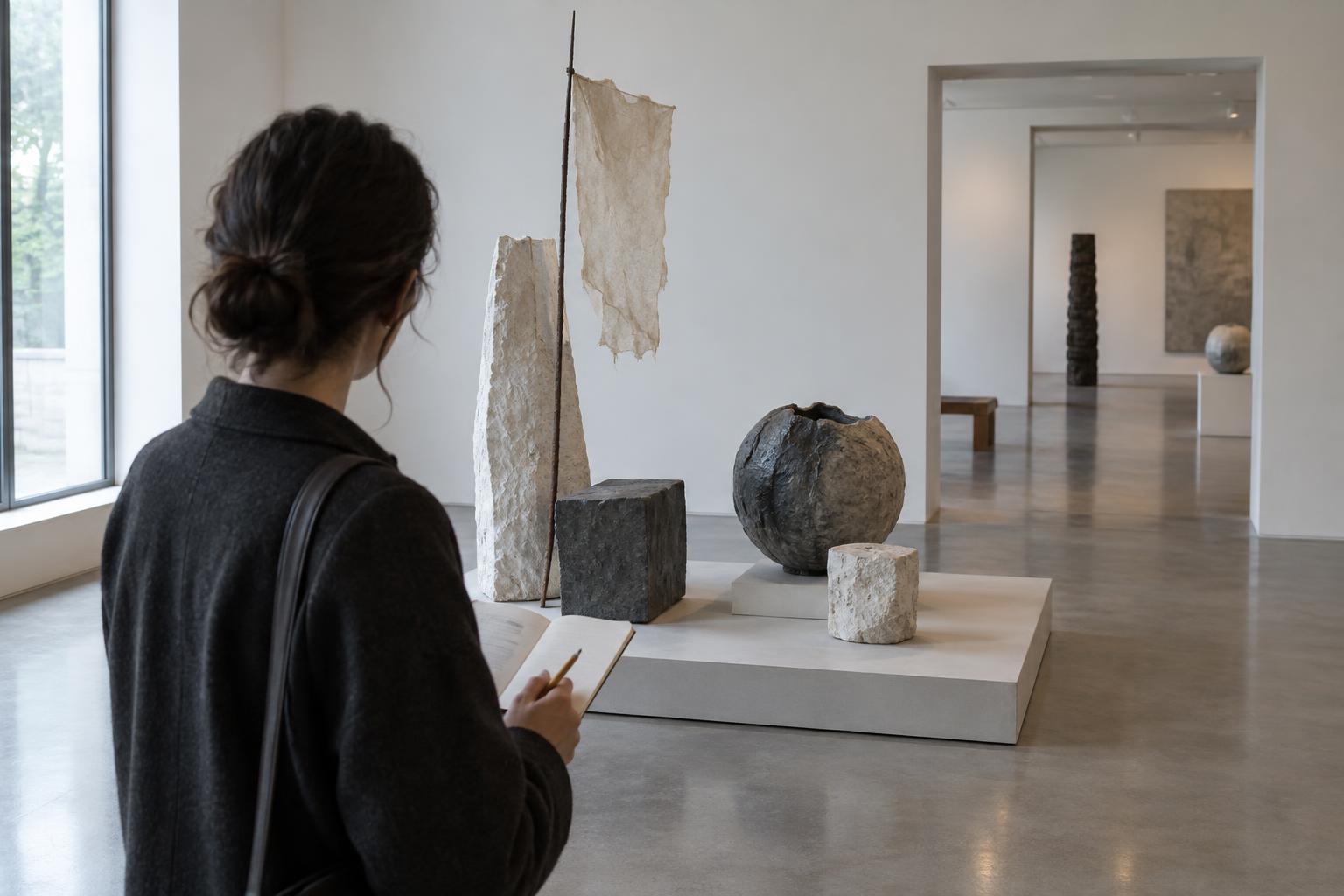
Start with the work itself. Notice its scale, materials, sounds, images and position in the room. What can you observe directly, and what does the exhibition ask you to infer? A claim may illuminate something you missed, or it may describe an ambition that the work does not fully realize for you. Holding those possibilities apart lets you question the text without treating the artwork as a failed illustration of it.
Identify what kind of claim is being made
Not every exhibition statement calls for the same kind of evaluation. A material claim, such as what an object is made from, is different from a historical claim about where an image originated. A statement about an artist’s stated intention differs again from a claim that a work changes how its audience understands an issue. Look for words that signal certainty: “is,” “represents” and “proves” leave less room than “suggests” or “invites.”
Ask what would help you assess the statement. A label naming a technique might prompt you to look closely at a surface. A broad claim about a community may call for more context than a short caption can provide. An interpretive claim can be tested against your experience: Which details support it, and which complicate it? You do not need to settle every question during a visit. Recognizing the type of claim is already a useful step.
Notice how the exhibition builds its argument
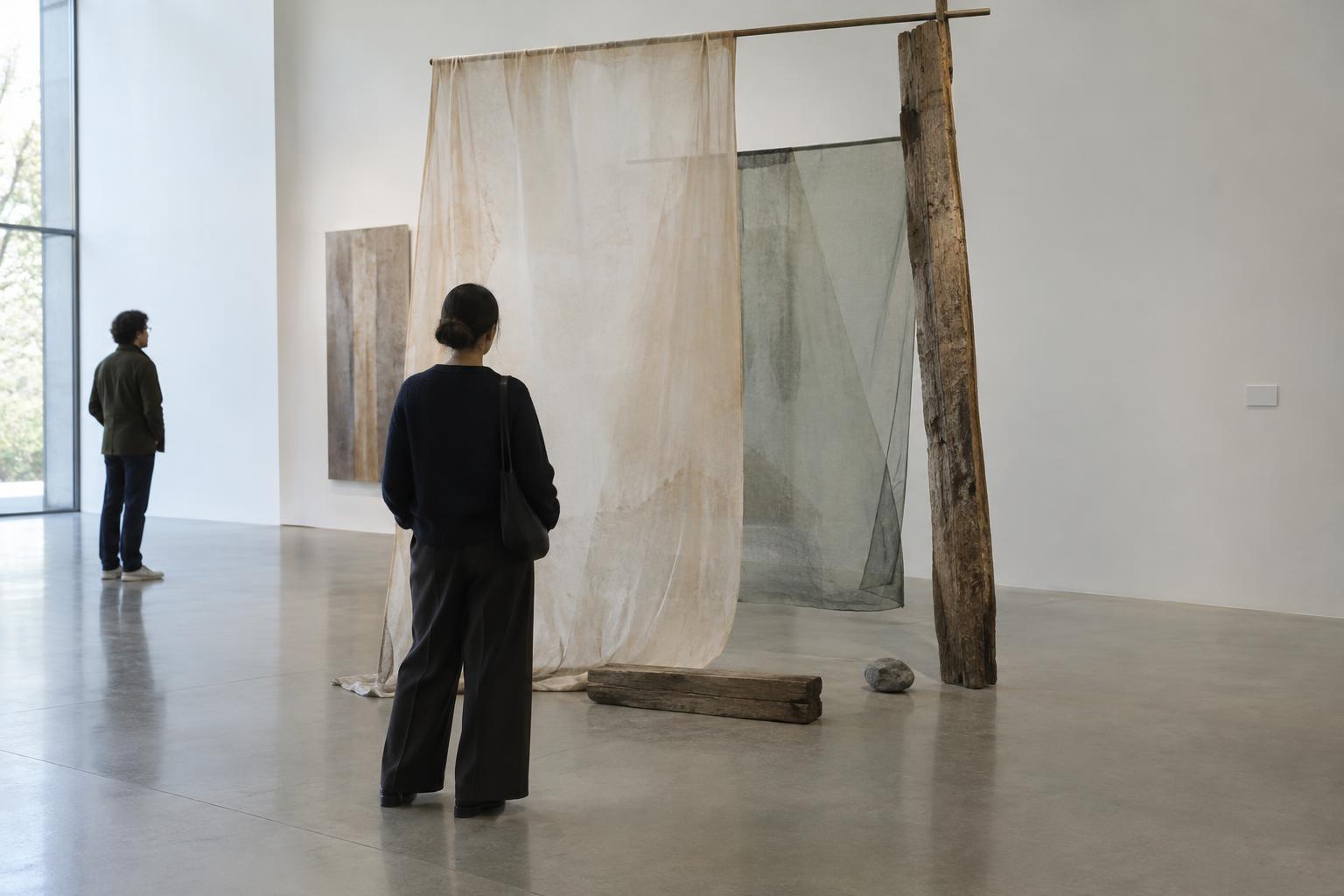
Curators often make arguments through sequence as well as text. Two works placed together may imply a shared concern; a small object given a room of its own may appear especially significant. Pay attention to what happens when you move between works. Does the grouping reveal a connection in form, subject or process? Or does the room text supply a connection that remains difficult to see?
It can help to imagine a different arrangement. Would your reading change if an installation were encountered before the photographs beside it, or if you could walk around an object rather than view it from one entrance? This is not an attempt to outguess the exhibition team. It is a way to see interpretation as something constructed through space. Once you notice those decisions, you can appreciate an effective arrangement and still ask whether it leaves other readings unexplored.
Question omissions without demanding a complete account
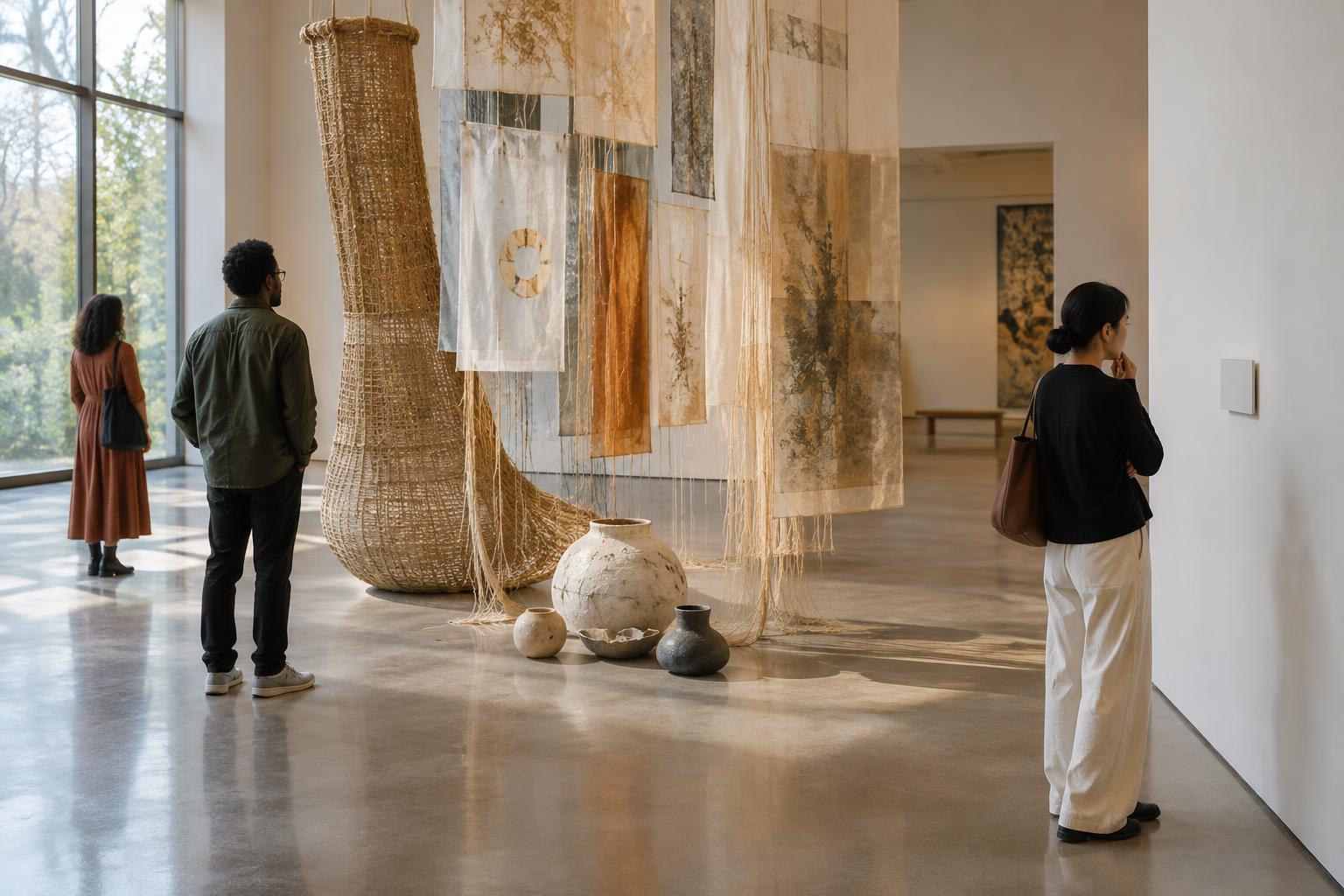
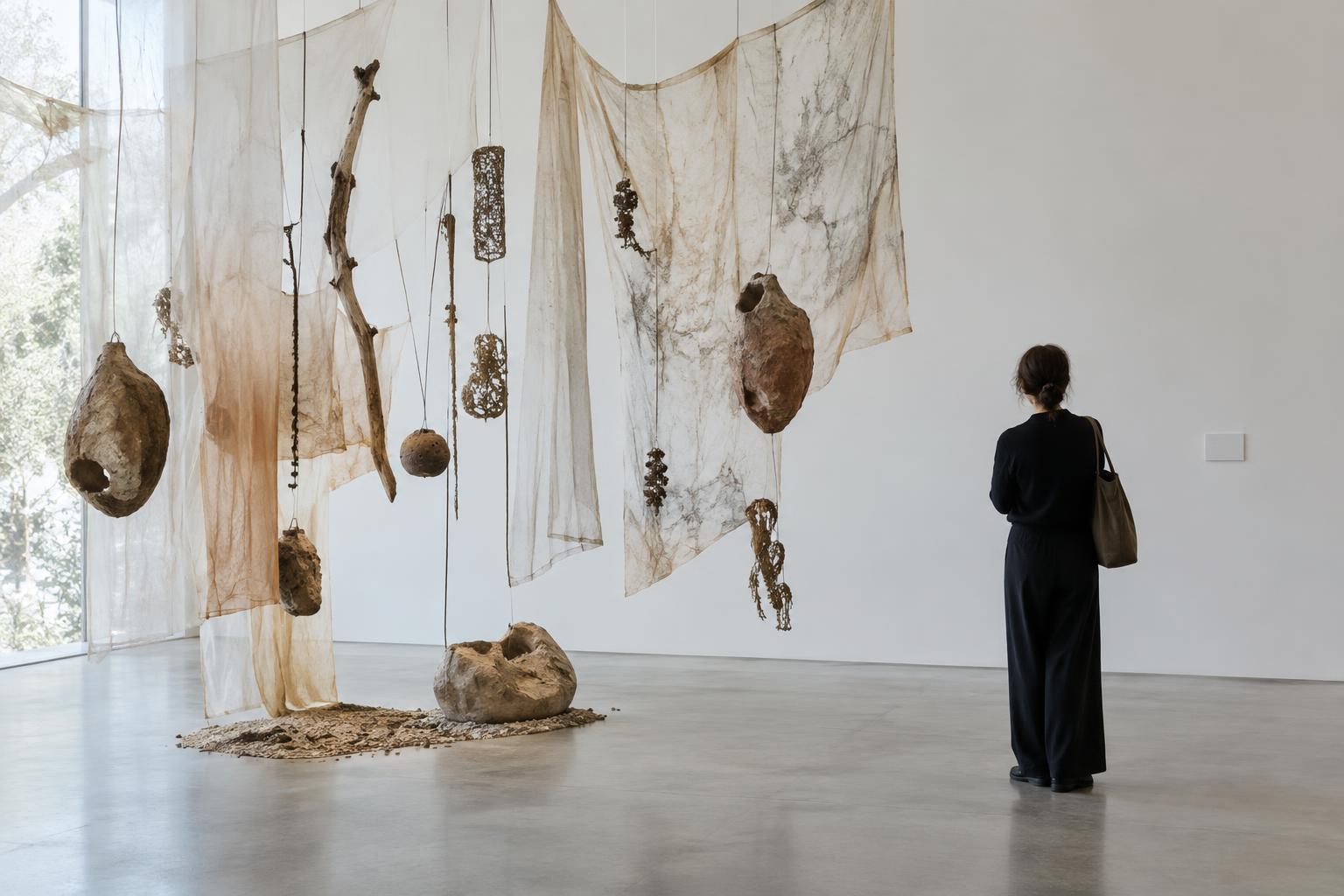
Every exhibition has limits. A short wall text cannot explain every artistic influence, production choice or social context. Still, omissions matter when a strong claim depends on information visitors are not given. If recycled materials are presented as central to a work, you might wonder how they were sourced or transformed. If a display speaks broadly about a place or group, you might ask whose perspective the language reflects.
These questions need not become instant verdicts. Try distinguishing “I would like to know more” from “this statement is unsupported.” You may find useful context elsewhere in the exhibition, or you may leave with an open question. Either outcome is compatible with being moved by a color, unsettled by a sound or absorbed in a work’s physical presence. Critical attention does not require emotional distance.
Keep your interpretation provisional
After looking and reading, try putting your response into two sentences: “The exhibition proposes…” and “I noticed…” The first captures the argument offered to you; the second records your own encounter. Where the sentences meet, you may find a convincing insight. Where they diverge, you have a productive question rather than an obligation to agree or reject.
You can revisit that question as you move through the exhibition. A later work may strengthen an earlier claim, while another may make it seem too narrow. The goal is not to catch the exhibition out or to protect the art from scrutiny. It is to give both the work and its framing careful attention. An exhibition can be compelling even when one of its explanations is incomplete, and disagreement can be a sign that you have looked closely.