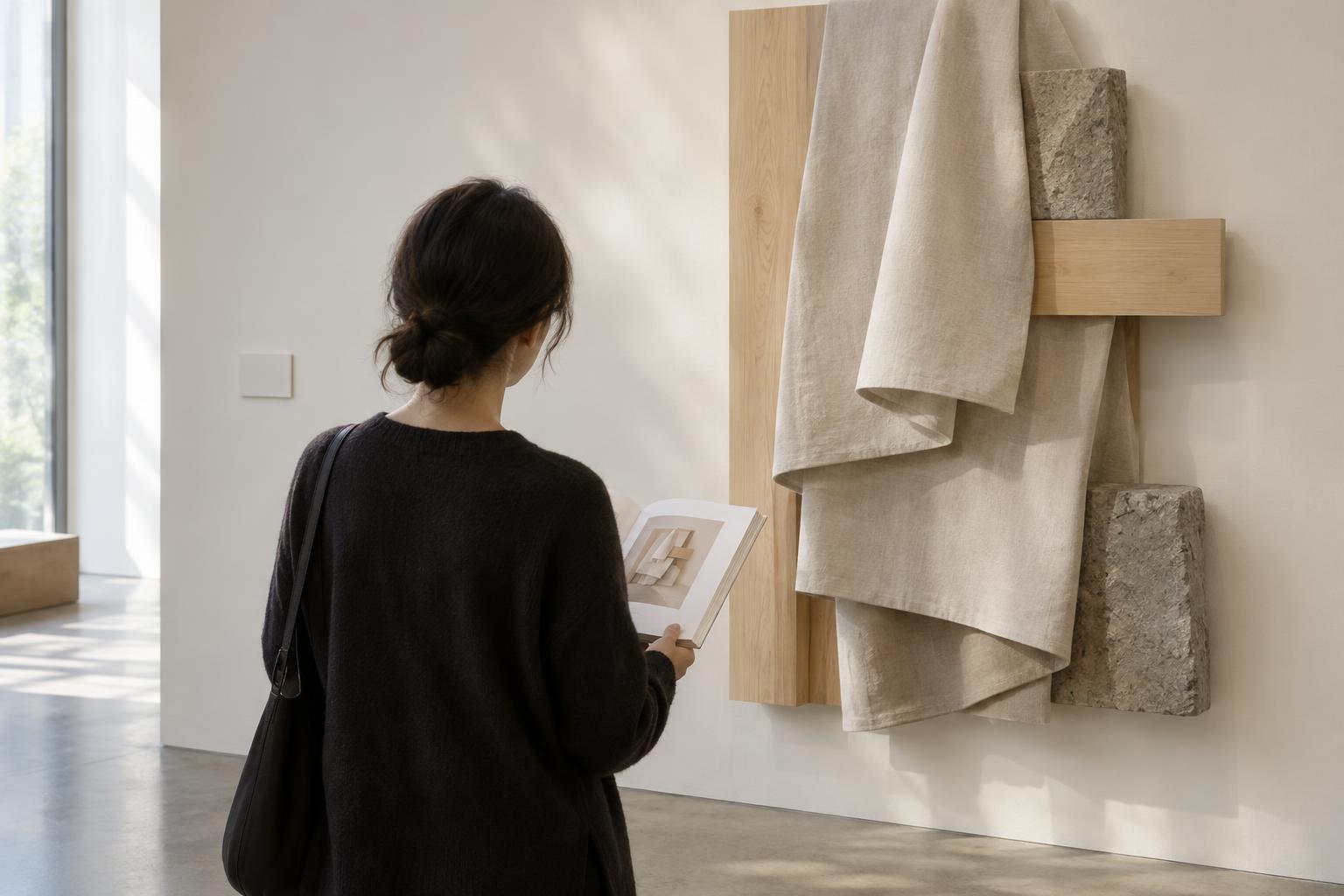
A route can be an invitation, not a rule
At the entrance to an exhibition, it is tempting to look for the beginning. A wall text may introduce a theme, an arrow may point toward the next room, or the placement of a large work may seem to announce where to go first. These cues can be useful, but they do not always add up to a single required route. Some exhibitions tell a story in a deliberate sequence; others bring works together so that visitors can discover connections from several directions.
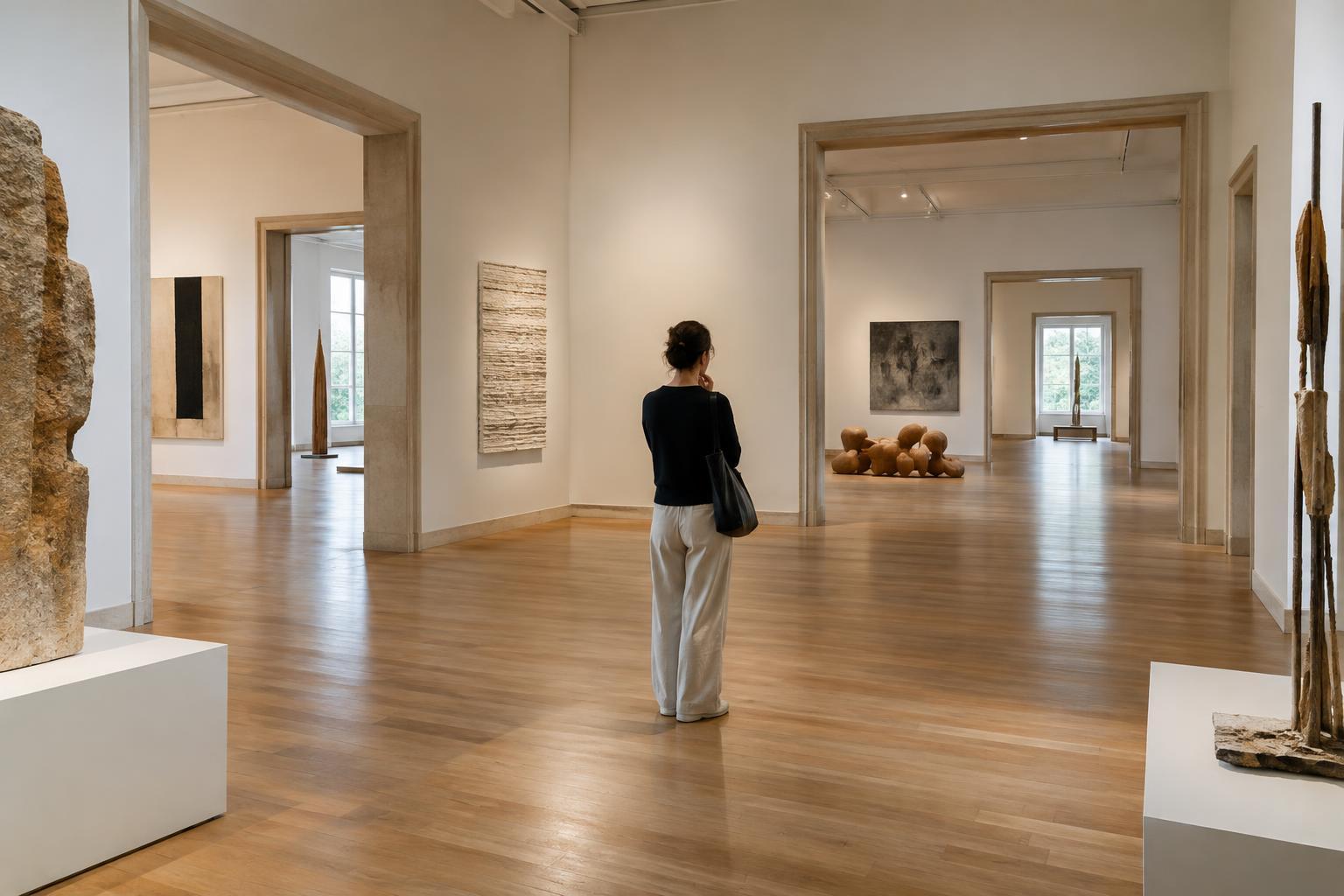
Start by taking a moment to look across the space. Where can you see into another room? Which works are visible from a distance, and which require you to move closer? Notice any signs that indicate a necessary direction, especially around narrow passages or timed installations. Where the space leaves you a choice, you can treat its suggested route as one possible reading rather than a test you need to pass.
Read the space as well as the labels
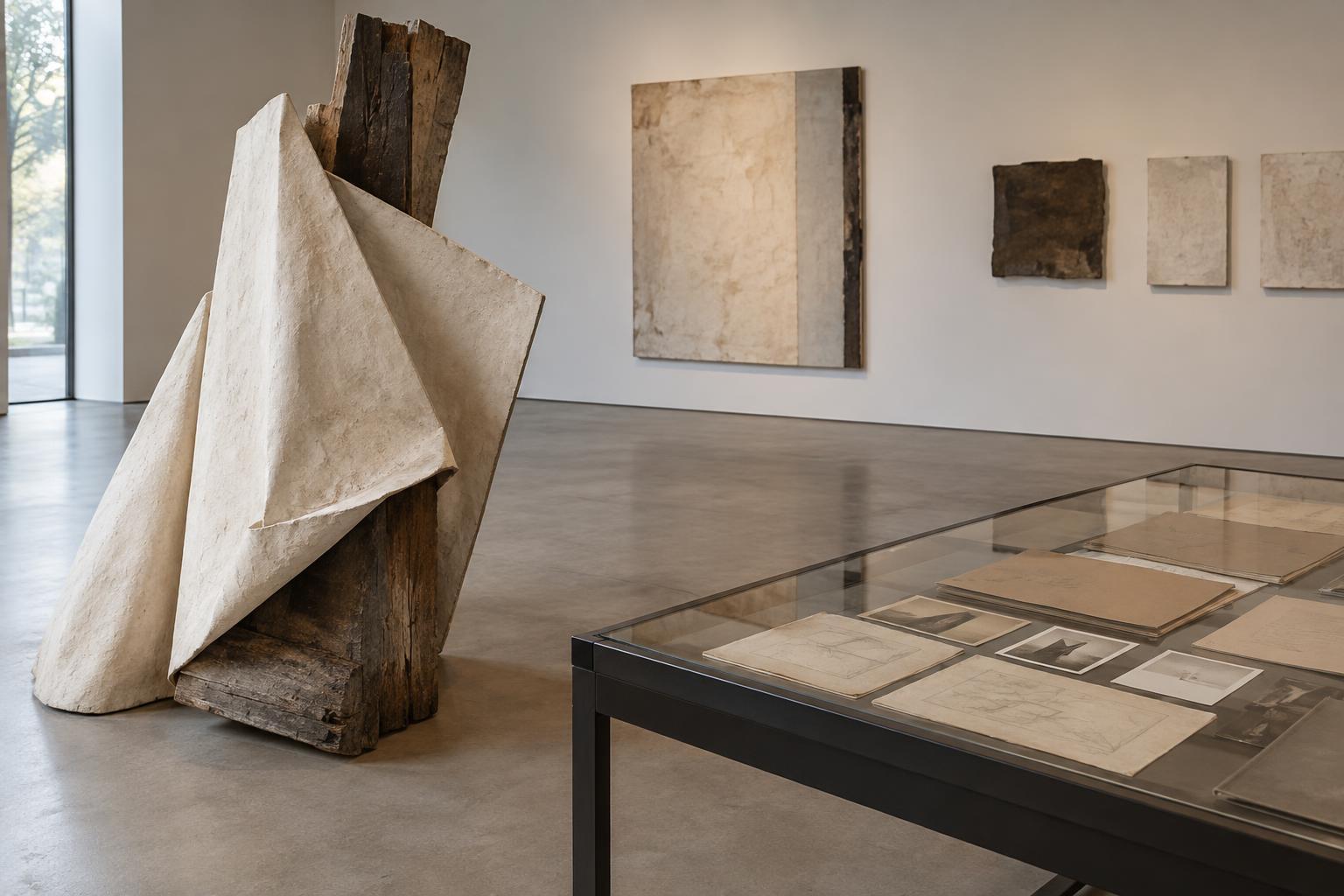
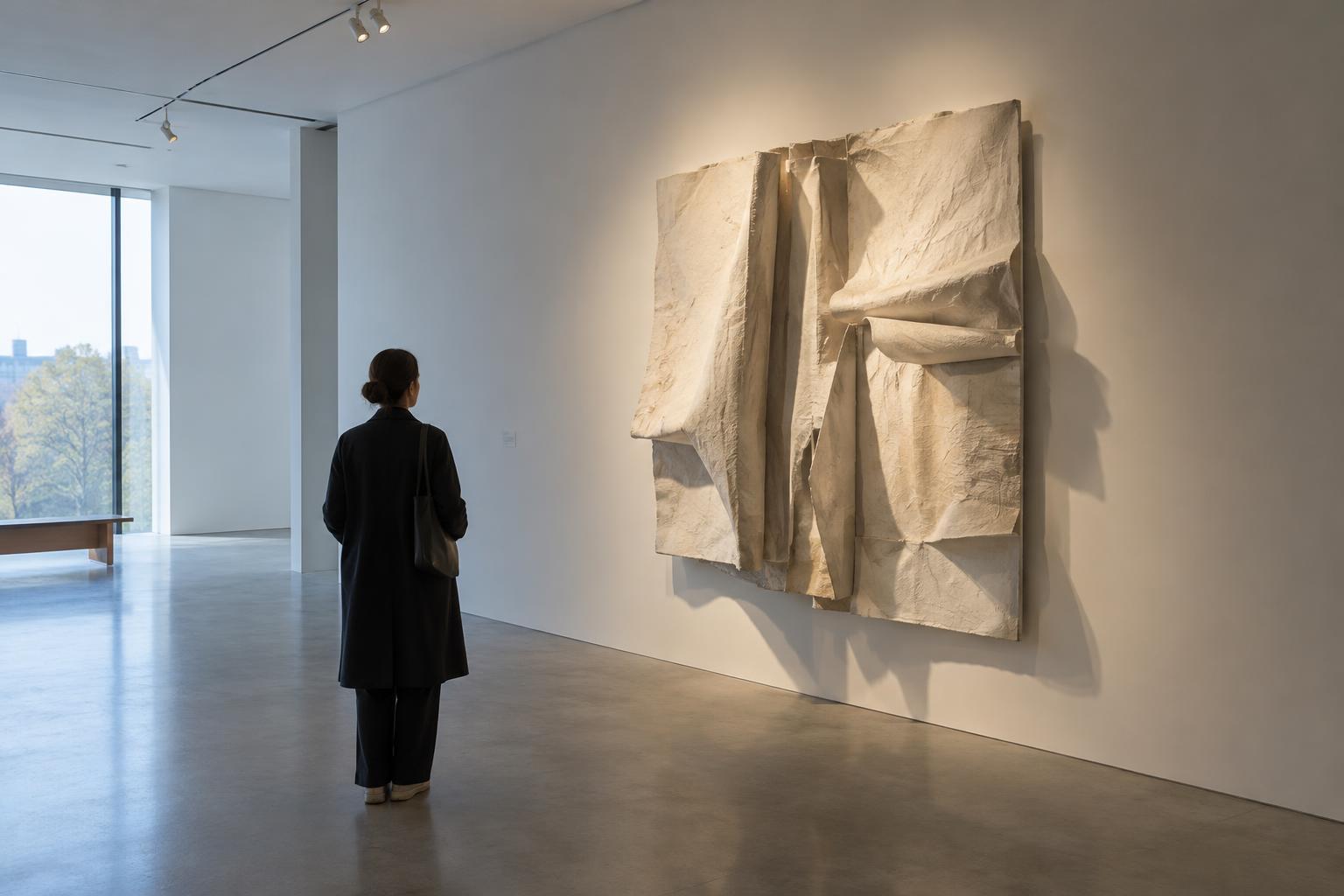
An exhibition’s layout can shape your experience before you read a word. A quiet room after a crowded one may give you time to absorb what you have seen. A work placed at the end of a long sightline might draw you forward, while a small object in a corner asks you to slow down. Changes in light, sound, scale and distance can create relationships between works without explaining those relationships explicitly.
As you move, ask simple questions: What caught my attention first? What changes when I approach this work from another side? Can I hear an installation before I see it? These observations give you a way to engage with the exhibition on its own terms. Labels can then add context, confirm a connection you noticed or challenge your first impression. You do not have to read every label before looking, or every label at all, to have a thoughtful visit.
Choose a path that supports your attention
Your route can follow curiosity rather than a checklist. You might begin with the work you can see from the doorway, then move toward a material or subject that interests you. In a large exhibition, it can help to choose a loose thread: repeated colors, ways of using sound, changes in scale or different treatments of the same idea. Following one thread gives shape to your visit without requiring you to cover everything.
Pace matters, too. If a video runs longer than you expected, you can watch for a while and return later. If a room feels busy, you might pass through it and come back when you are ready to look more closely. Practical needs are part of the experience, not a failure of attention. Seating, quieter areas and accessible routes may determine how someone moves through a show. A route that lets you engage comfortably is more useful than one followed only because it appears to be intended.
Notice what changes when you double back
Returning to a work can make the exhibition feel different. After encountering other pieces, you may notice a detail you missed or understand why two works have been placed near each other. This is especially true in installations, where sound may carry between spaces and a work may look different from the entrance, the side or the exit. Moving backward is not necessarily losing your place; it can be a way of testing a new interpretation.
You can also pause at a threshold and look in both directions. What does the room you just left seem to prepare you for? Does the next space continue its mood or interrupt it? Such questions help you see exhibition design as part of the experience. They do not require you to guess what the curator intended. Your observations are worthwhile even when you cannot settle on a single explanation.
Leave with questions, not a completed checklist
Before you leave, consider which work stayed with you and whether your path affected that response. Perhaps you saw it early, before you had much context. Perhaps you found it after passing several related works. Neither encounter is automatically better. Each can reveal something about how meaning develops as you move through an exhibition.
If you visit with someone else, comparing routes can open up a conversation: they may have noticed a connection you walked past, while you may have spent longer with a work they barely saw. The goal is not to agree on the correct journey. An exhibition can offer a structure while still leaving room for different bodies, interests and ways of paying attention. Following its route well may simply mean noticing the choices it offers and making yours deliberately.