Begin with what is in front of you
A document displayed beside an artwork can feel like a key: read it, and the work will open. Sometimes it does clarify a material choice, an earlier version or the circumstances of an exhibition. But a letter, sketch or photograph is not a complete explanation. It is another object to interpret, made for a particular purpose and brought into the gallery through a series of choices.
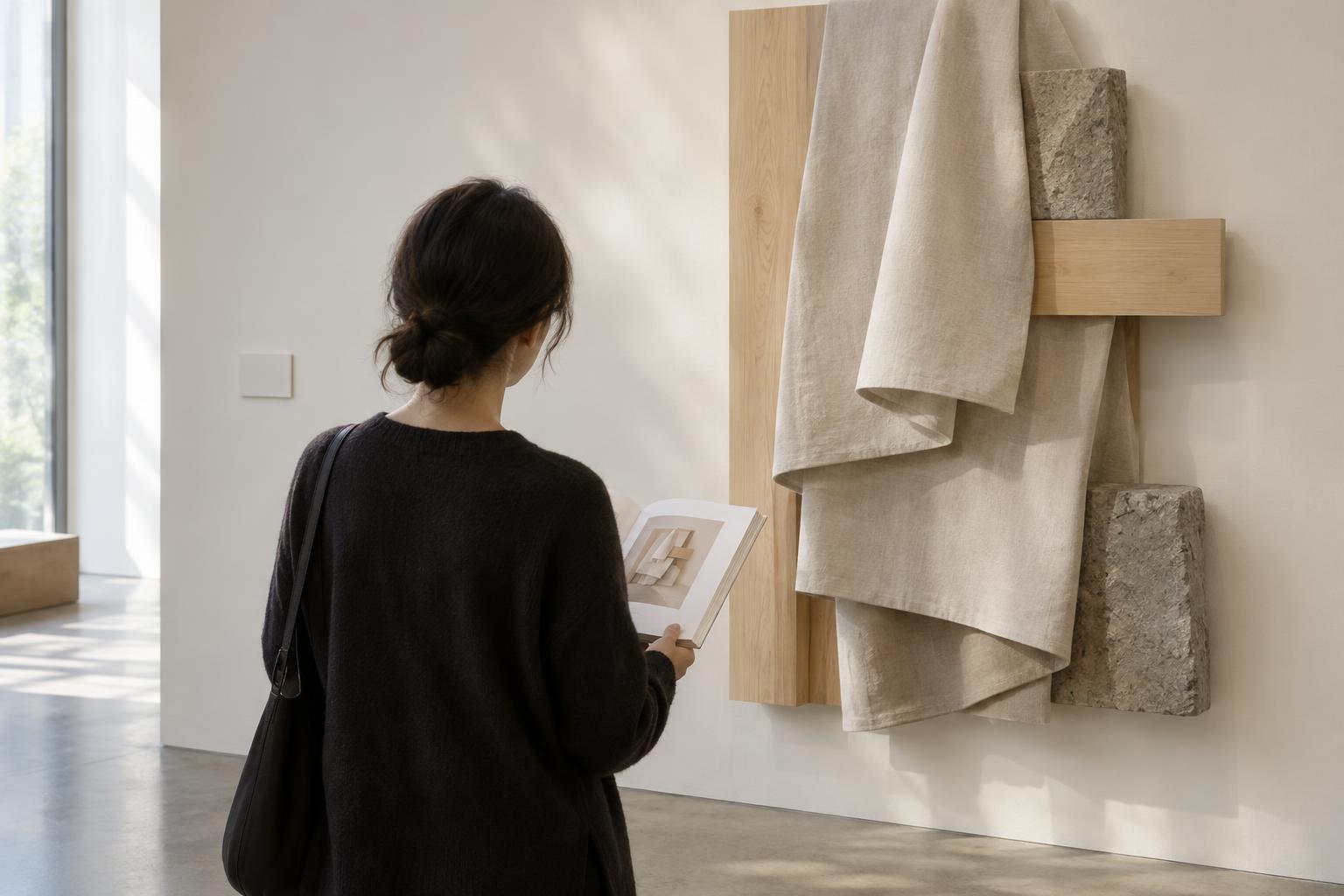
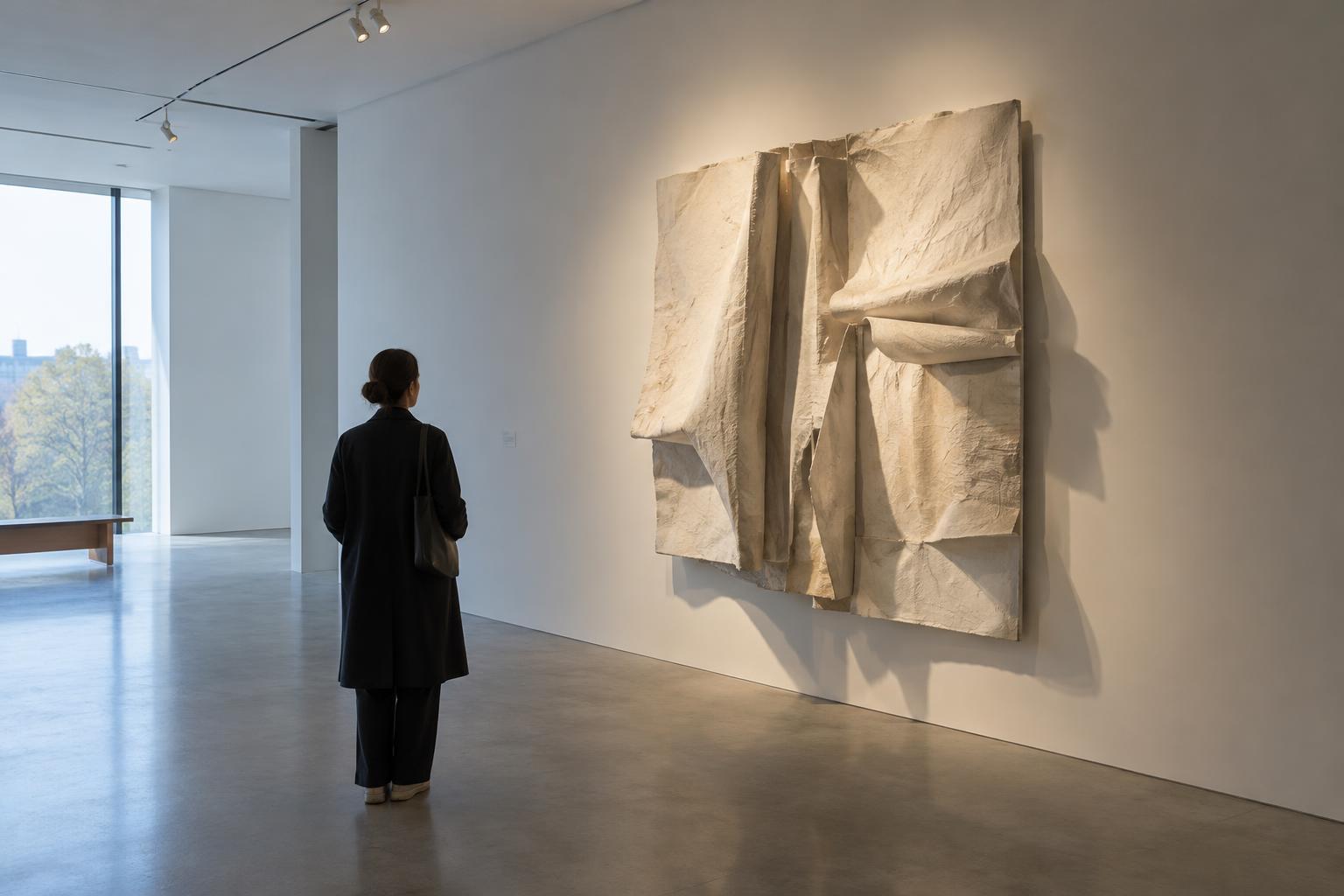
Start by looking at the artwork before turning to the archive. Notice its scale, materials, placement and effect on the space around it. Then ask what the document adds to that first encounter. Does it answer a question you already had, or suggest a question you had not considered? Returning to the artwork afterward helps prevent the document from becoming the only lens through which you see it.
Ask what kind of document you are seeing
Different records do different jobs. A working sketch may show a possibility the artist never pursued. A photograph may record an installation from one position while leaving out the rest of the room. A letter may address a practical problem rather than state an artistic intention. An inventory or exhibition plan can reveal how objects were organized without explaining what they meant to everyone who encountered them.
Pay attention to the document’s intended audience and original use. Was it a private note, a public announcement, an instruction or a record kept for administrative reasons? Its language and format may reflect that purpose. A marked-up plan, for example, might tell you where an artwork was meant to stand, but not how it felt to move around it. Reading the document in this way makes it informative without asking it to carry more meaning than it can support.
The physical form matters too. Handwritten changes can suggest a process of revision; a printed copy may have circulated beyond its maker. When a gallery shows a reproduction rather than an original, the information may remain useful, but details of size, texture and color can be harder to judge. A label that identifies the item and explains how it relates to the artwork can help you make those distinctions.
Notice how the display builds a narrative
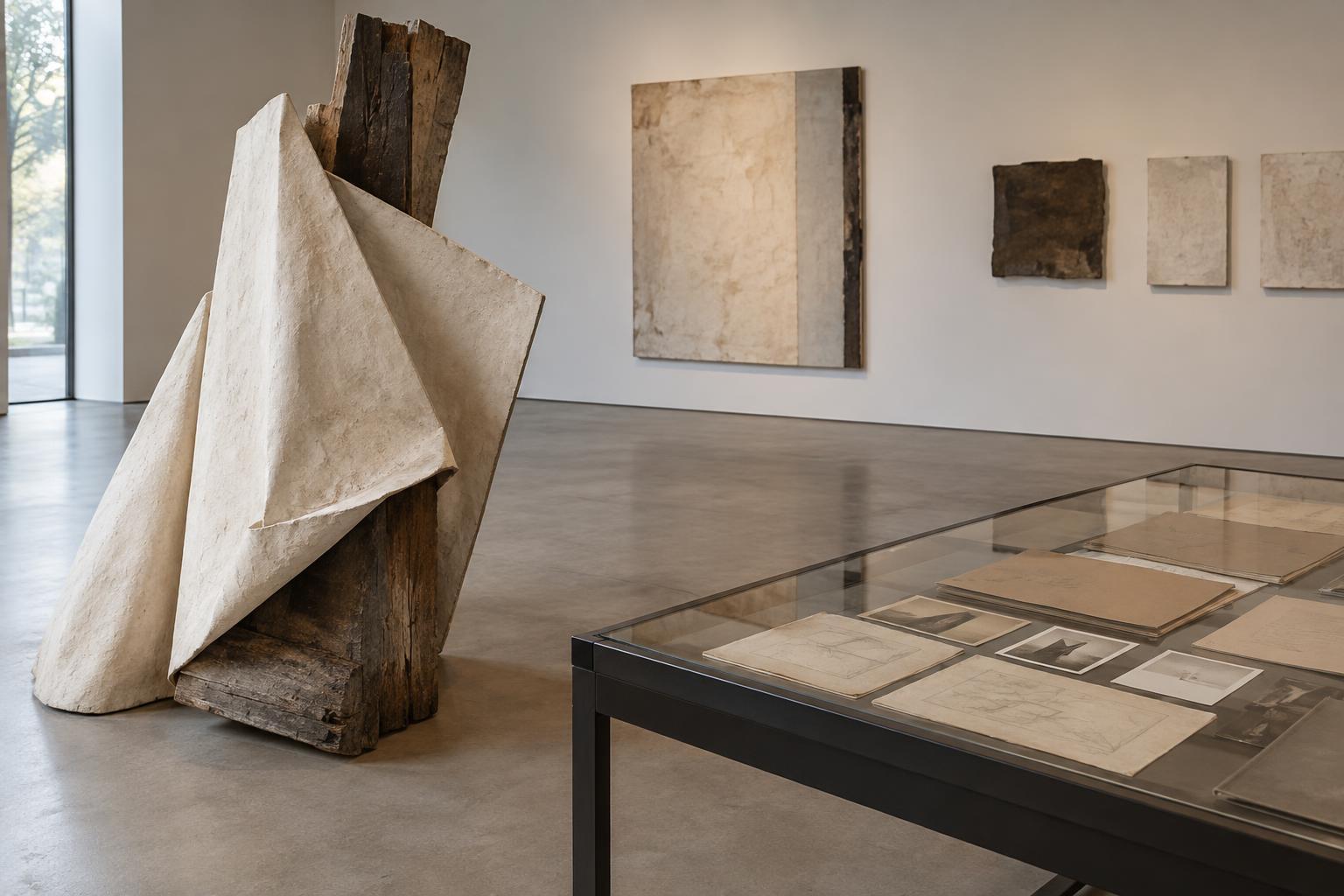
Archives do not arrive in an exhibition already arranged as a story. Someone selects, places, captions and sometimes enlarges the documents you see. A sketch positioned beside a finished work may invite a neat before-and-after reading, even if the actual process was less direct. A photograph placed at the entrance might frame every artwork that follows as a response to one moment or setting.
Look at the space between a document and an artwork as carefully as you look at each item. Are they paired closely, or does the display encourage you to compare several works? Is the document easy to read, or is it present mainly as a visual trace? These decisions shape interpretation. They can be helpful, especially when an artwork has changed location or form, but they are not neutral.
It is useful to distinguish between what a document shows and what a label proposes. A photograph might show materials gathered on a floor; a label might describe them as preparations for a particular installation. Both can inform your reading, but the second is an interpretation of the first. If the link is not clear, you do not need to fill the gap with certainty. You can hold it as an open question.
Make room for what the archive cannot show
A surviving record is only part of what happened. Conversations may not have been written down, temporary arrangements may not have been photographed, and some participants may have left fewer records than others. This is especially worth remembering with installations and public works, where movement, sound, weather and the presence of other people can be central to the experience. A document can point toward those conditions without recreating them.
Absence is not always evidence that something did not matter. If you see only one proposal for a work, there may have been other ideas that were never kept or displayed. If an exhibition includes photographs of a completed installation but little about its removal, that choice does not make the ending irrelevant. Asking what kinds of evidence are missing can broaden your reading without requiring you to invent an alternative history.
The richest encounters often let documents and artworks remain distinct. The archive may offer context, reveal a decision or complicate an assumption. The artwork may still resist the account the archive seems to provide. Rather than looking for a final answer, try leaving with two observations: one thing the documents helped you see, and one thing about the work they could not settle. That balance keeps interpretation attentive to evidence and open to experience.