Start with the work, then use the label
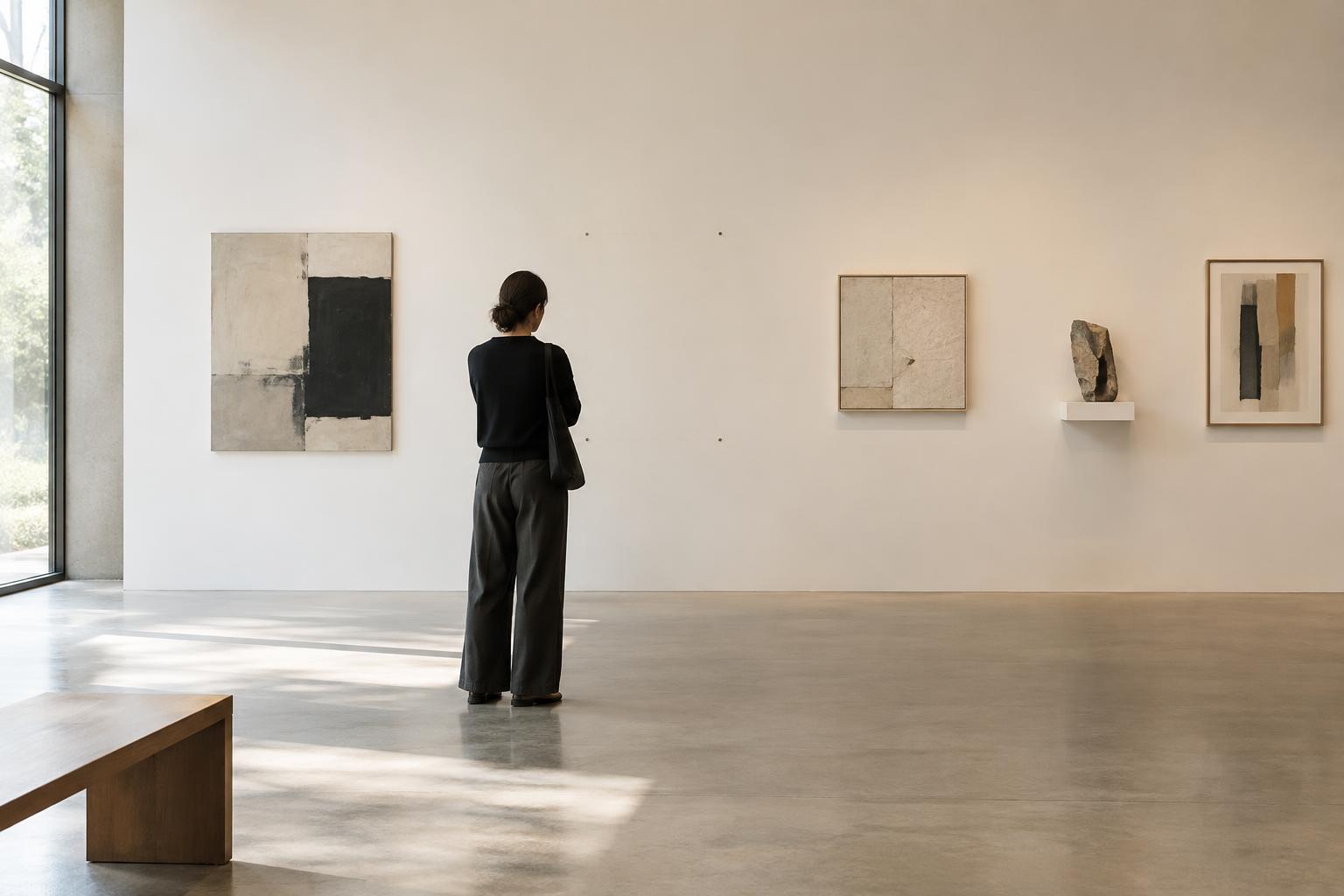
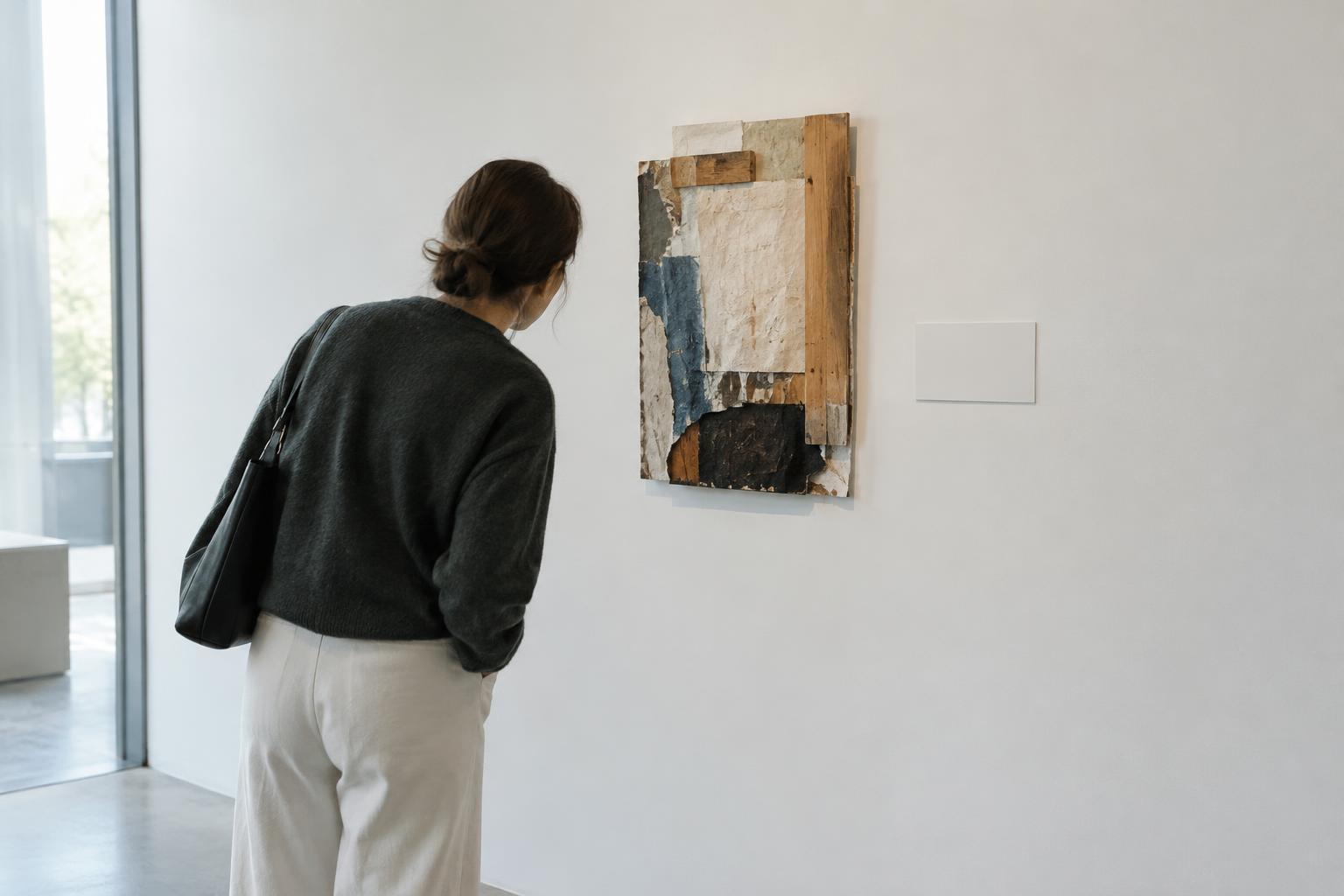
An exhibition label is a compact guide to an artwork, not a complete explanation of it. It may identify the maker, title, date, materials, dimensions, owner and people who helped bring the work into the exhibition. Those details can sharpen your attention, but you do not need to decode every line before looking. Try spending a moment with the work first. Notice its scale, surface, placement and any questions it raises; then return to the label to see what it clarifies.
Labels vary by museum, gallery and exhibition. Some separate basic facts from a short interpretive text, while others put everything together. The order may change, too. Reading a label is therefore less about memorizing a fixed format than recognizing what each kind of information can—and cannot—tell you.
What a date may refer to
A date beside a title usually refers to when the artwork was made, but a single year can simplify a longer process. A range of years may indicate that a work developed over time, or that it exists as a series or ongoing project. Words such as “circa” or “about” signal an approximate date. They are useful reminders that an exhibition label can reflect uncertainty rather than conceal it.
For photographs, films, prints and other works that can exist in multiple versions, look closely at dates attached to specific objects. A label might distinguish the year an image was made from the year a particular print was produced. An installation may also have an original date and a later date for the version on view. If that distinction matters to your interpretation, check whether the label, nearby text or exhibition guide explains it. Avoid assuming that the date of the object in front of you tells the whole history of the idea.
How to read a medium line
The medium line names the materials or processes used to make the work. Familiar terms such as oil on canvas describe both a substance and its support. Other entries might list found objects, sound, video, light or digital components. Read these descriptions as clues to how the work behaves. Is it fragile-looking or solid? Does it depend on electricity, movement, time or the room around it?
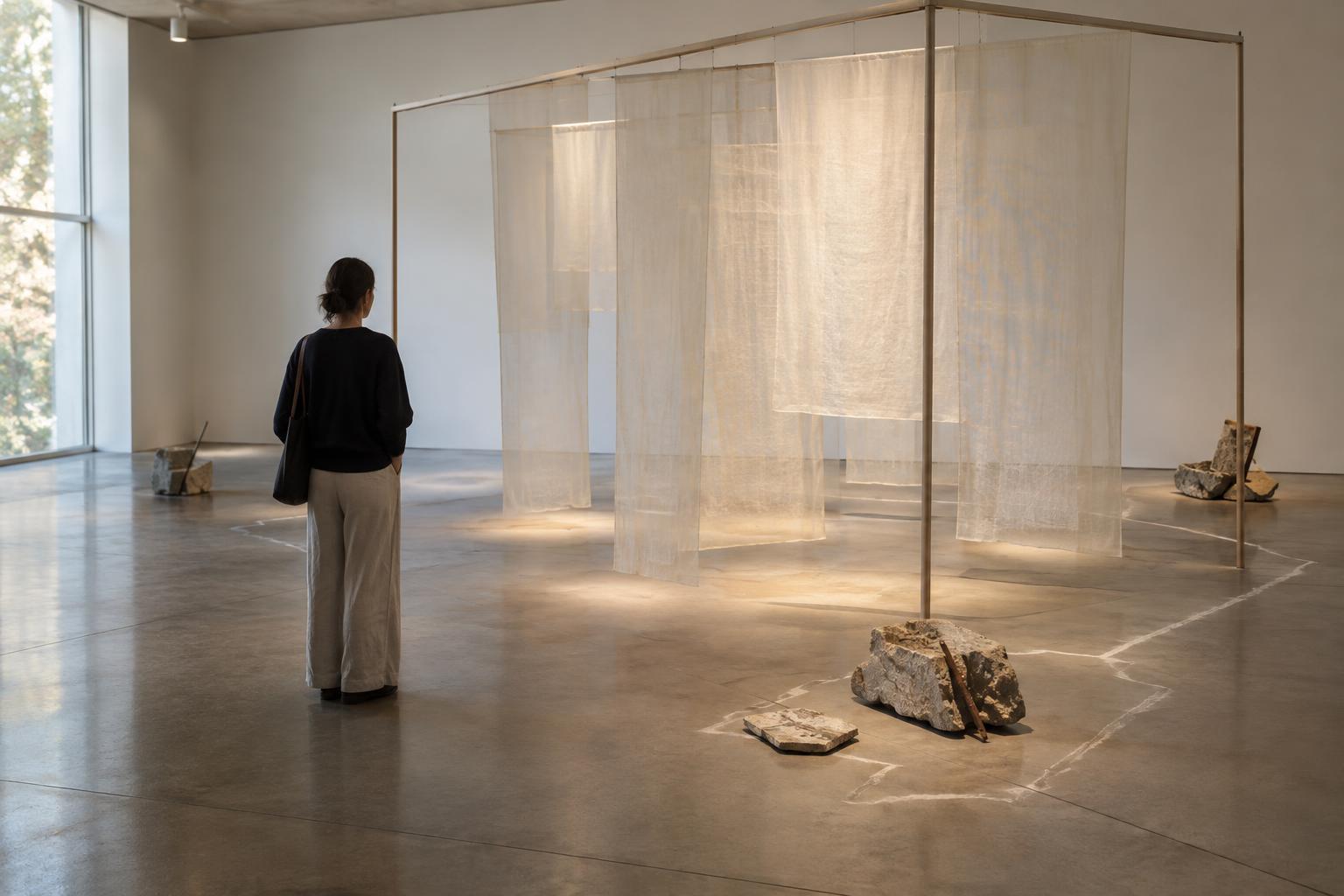
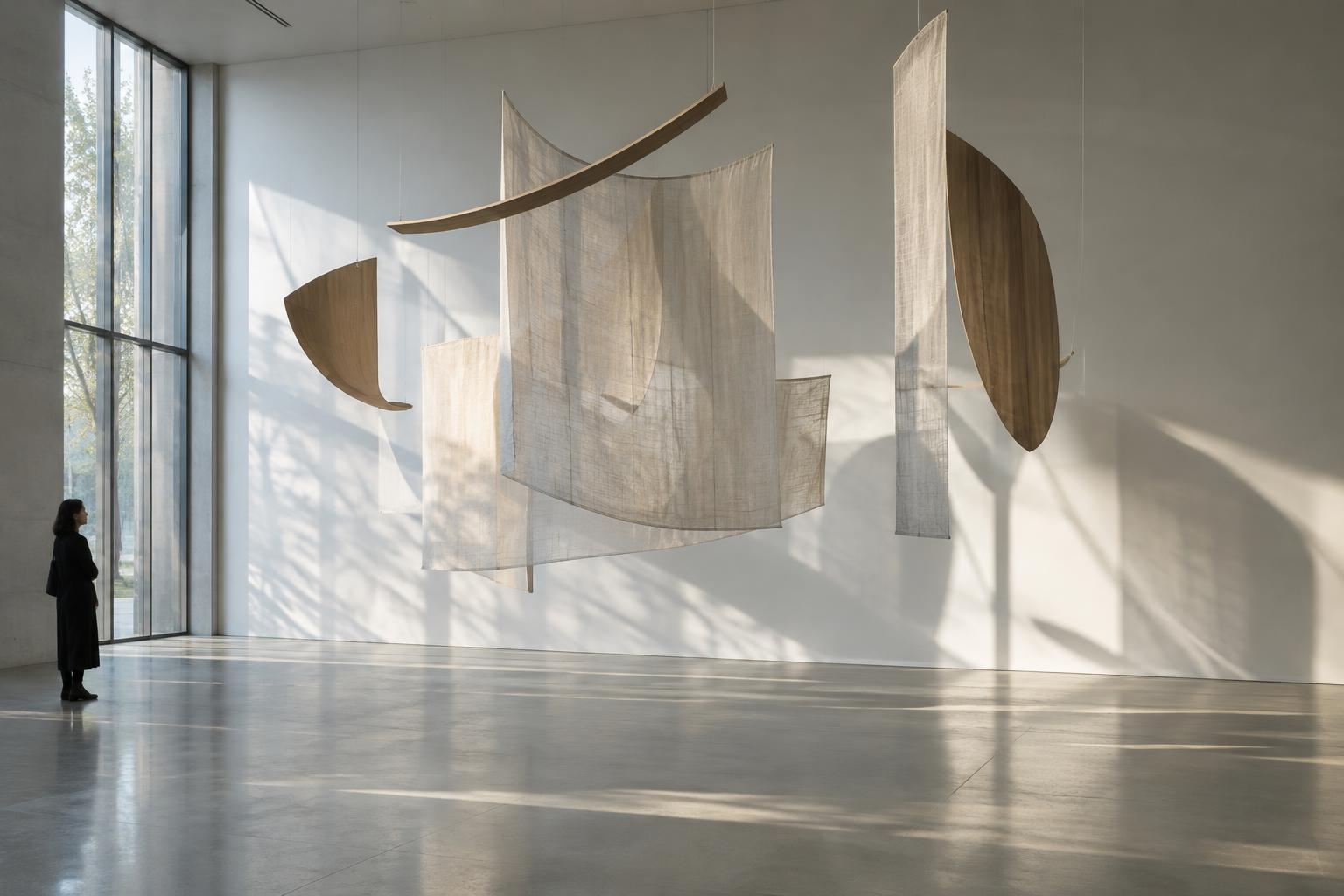
A list of materials does not necessarily tell you which choices the artist made alone or how every component was constructed. “Mixed media” may be used when several materials are involved, while “dimensions variable” often means that the size changes with the installation. For time-based work, a duration may help you decide how long to stay. None of these terms replaces close observation: two works made from similar materials can create very different experiences.
Dimensions and credit lines have different jobs
Dimensions describe the measured size of an object or installation, though the order and units used may vary. Before comparing the numbers with what you see, check whether the label specifies framed, unframed or installed dimensions. A large projection, for example, may be described differently from a small physical object associated with it. Measurements can help you understand a work’s relationship to your body without telling you how it should feel.
A credit line usually identifies an owner, lender, collection or acquisition information. Phrases such as “courtesy of” often point to an individual or organization that has made a work or image available; they do not, by themselves, explain every ownership arrangement. A named donor may indicate how an institution acquired a work. These lines acknowledge relationships that make exhibitions possible, but they are not endorsements or interpretations of the artwork.
Read the label as a starting point
Some labels also include copyright notices, edition numbers or separate photography credits. An edition number can tell you that an object belongs to a stated group of versions; it does not make all the versions identical in their display or history. A photography credit may refer to the image used in a publication rather than the artwork itself. When a line is unclear, its wording matters more than a quick guess.
After reading, look again. Perhaps the date changes how you think about an older technique used in a newer work, or the medium line draws your attention to a material you had mistaken for something else. Perhaps a credit line makes you curious about how the work came to be shown here. A useful label opens paths back to the artwork. Your own observations remain part of the interpretation.