Why a temporary artwork might return
Some artworks are meant to disappear. An installation may last only as long as an exhibition; a performance ends when its participants leave; a work made from perishable materials changes as those materials age. Yet the ideas behind such works can remain compelling long after their first presentation. A re-creation gives new audiences a way to encounter an artwork that can no longer be experienced in its original form.
The word “re-creation” covers several approaches. An exhibition might rebuild an installation using surviving plans, arrange a new performance from written instructions, or display a later version made with different materials. It might instead present photographs, objects, and accounts of the earlier work without attempting to reproduce it. These choices offer different kinds of access. A photograph can show what a room looked like, while a rebuilt room may help a visitor sense its scale. Neither necessarily captures everything about being there the first time.
What changes between the original and the new version
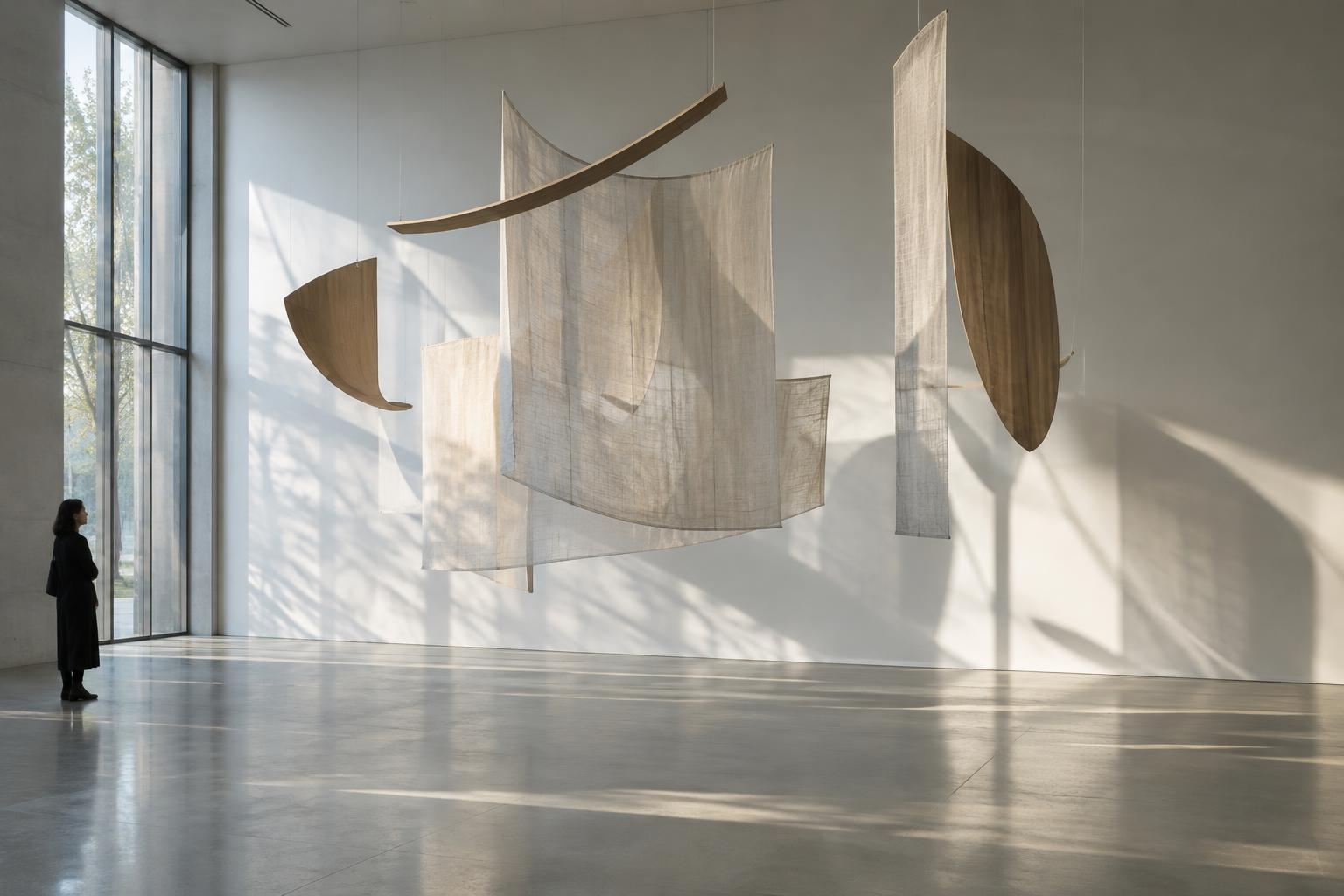
Place and time matter to temporary art. A work that once responded to a particular doorway, street, or social gathering may feel different in a museum gallery. Even when its dimensions are carefully followed, new lighting, sounds, routes through the space, and expectations about visitor behavior can alter the experience. Re-creation is therefore not simply a matter of putting objects back where they were.
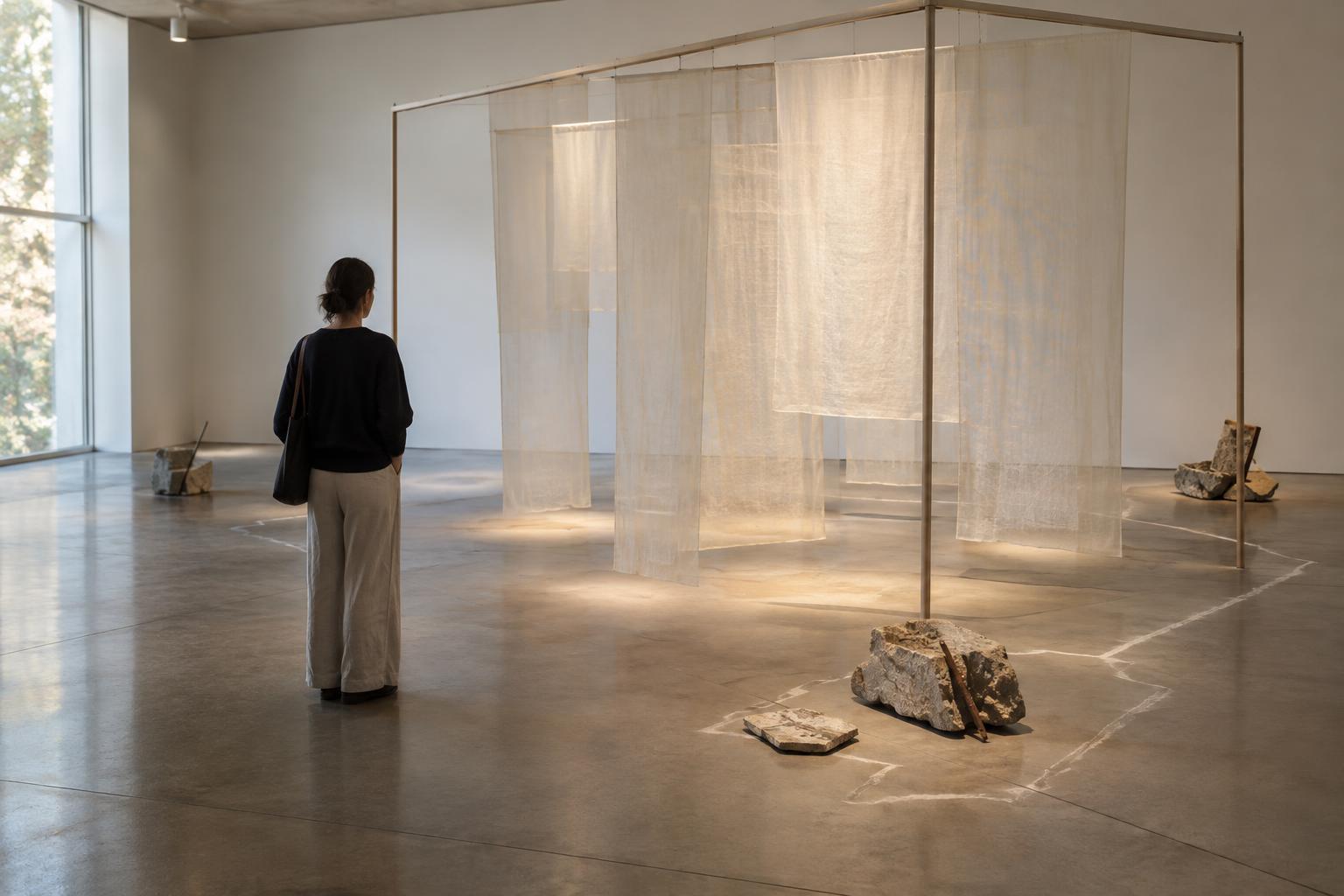
Materials introduce further decisions. An original component may be lost, fragile, unsafe to use, or impossible to obtain in the same form. A substitute might preserve a color or shape while changing a texture, smell, or method of construction. For some works, that difference may be minor; for others, the material’s behavior is central to the idea. When an artwork was designed to change or decay, making it look permanently new may be a significant interpretive choice.
People also shape a work’s return. Performers may bring their own movements and judgment to a set of instructions. Installers may need to decide how closely to follow incomplete records. An artist, estate, collaborator, or curator may have a view about which features are essential, but their roles vary from project to project. Understanding those choices helps visitors see a re-creation as a considered presentation rather than an automatic copy.
How an exhibition can make its choices visible
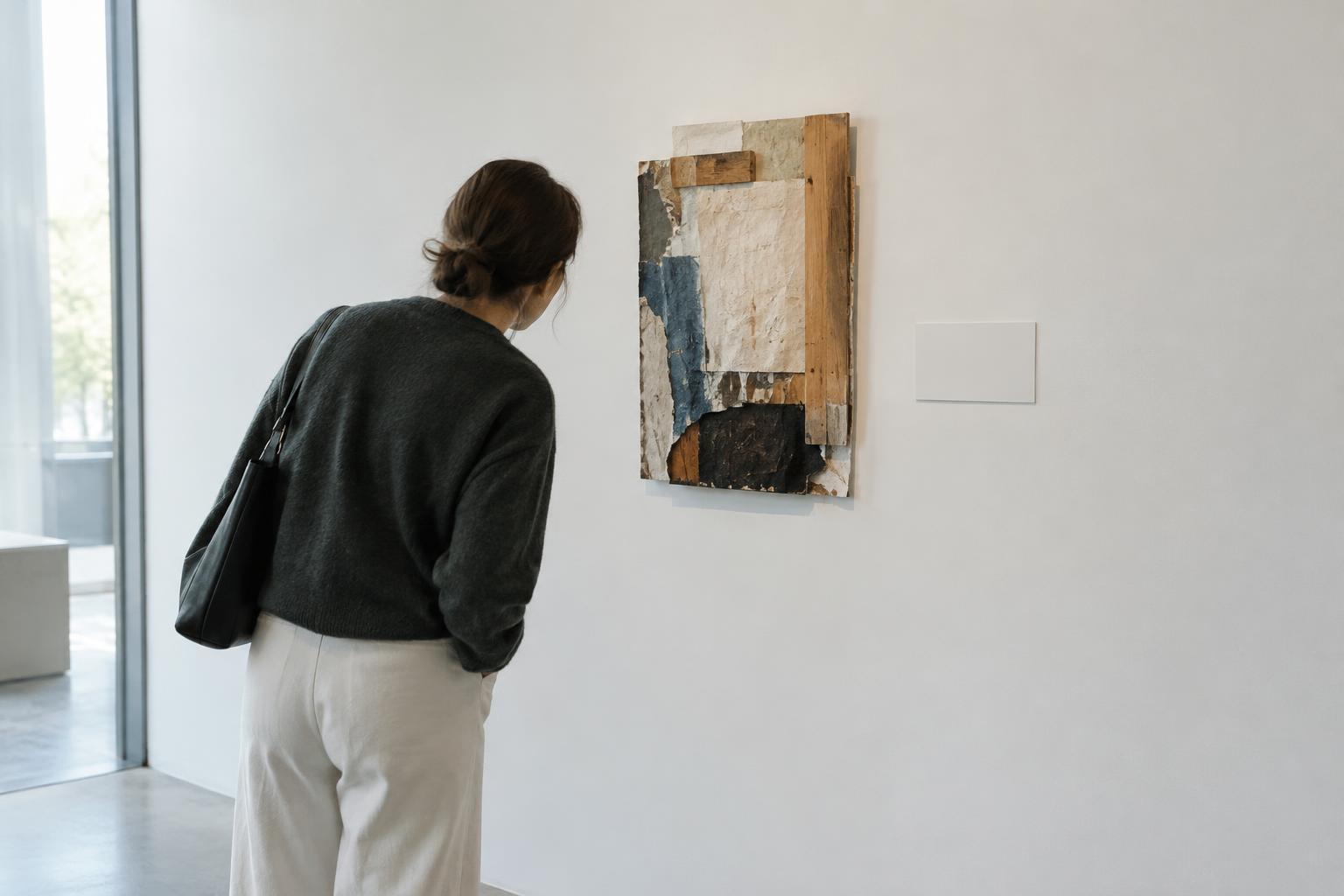
Clear labels can help distinguish an original surviving element from a newly made one. They can also explain whether a display follows a specific earlier presentation or combines information from several versions. Details such as who carried out the reconstruction, which materials changed, and what evidence was available give visitors a basis for interpreting what they see. Without that context, a convincing installation might appear to be an unchanged original.
Documentation can be useful alongside a re-creation, not just as proof that an earlier work existed. Sketches may show alternative plans; photographs can reveal how people moved around a work; written instructions may leave room for interpretation. Gaps and disagreements in these records are worth acknowledging. They remind us that the original event was experienced from many positions, and that no single record provides a complete view.
An exhibition does not need to settle every question to be informative. It can identify what is known, what has been inferred, and what remains open. That distinction lets visitors appreciate both the effort behind a new presentation and the distance between it and the artwork’s first appearance.
Questions to bring into the gallery
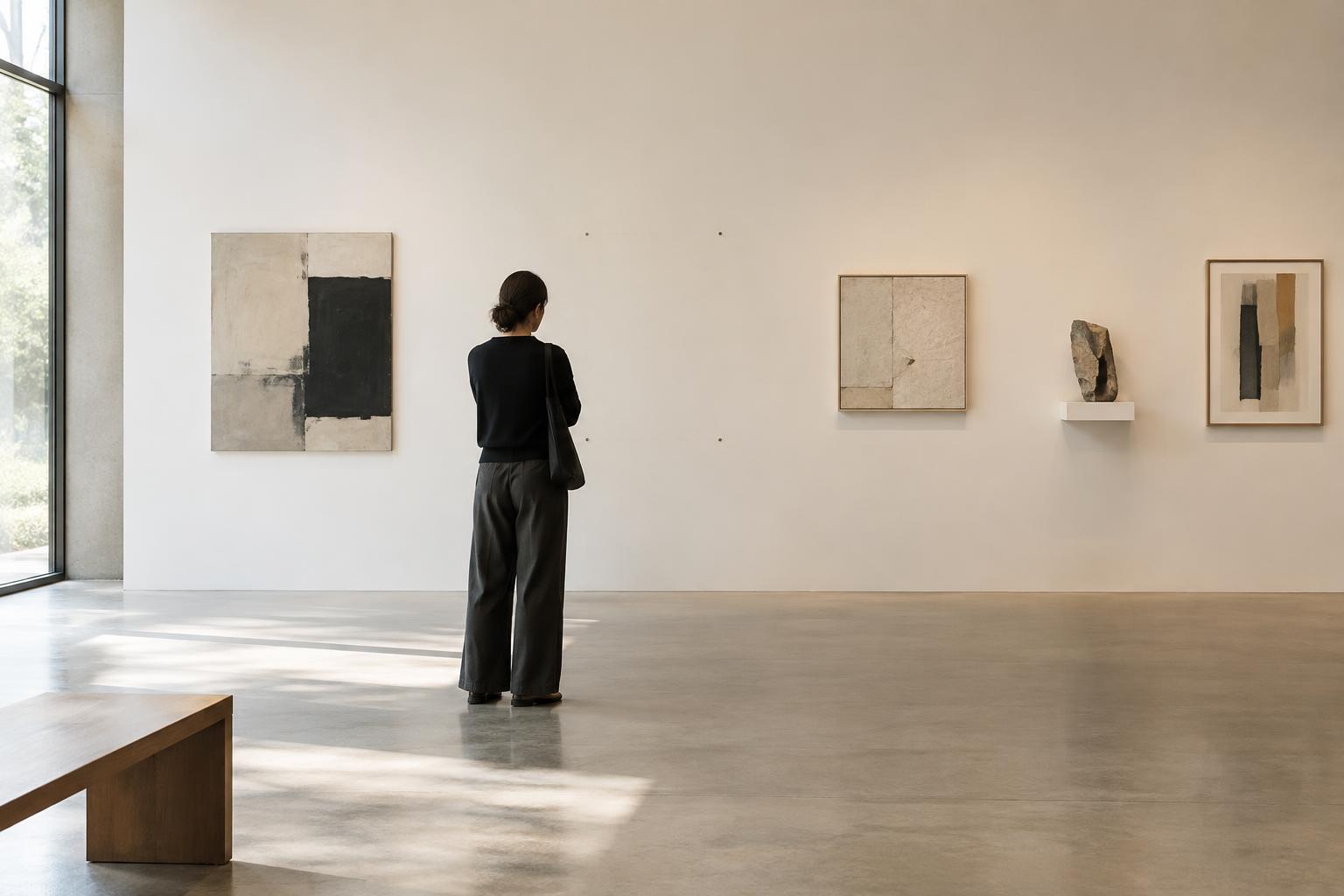
When viewing a re-created work, start with what is present. Can you walk through it, hear it, touch it, or watch it unfold? Then consider what the work originally asked of its audience. If its setting or mode of participation has changed, how might that shift its meaning? A quiet gallery encounter with a work first made for a busy public place, for example, may reveal formal details while losing some of its original interruptions and unpredictability.
Next, look for signs of the decisions behind the display. Which parts are original, newly fabricated, performed again, or represented through documentation? Does the exhibition explain why it chose this form of presentation? These questions are not a test of authenticity with a single right answer. They help clarify what kind of encounter the exhibition offers.
A re-creation is often most rewarding when viewed as both an artwork and an interpretation of an earlier one. It can make a temporary idea tangible again while showing how much an artwork depends on context, materials, and people. Paying attention to what has been preserved, changed, and left unknowable makes room for a richer experience than asking only whether the new version is exactly the same.