Light is part of the encounter
An artwork does not meet every viewer under identical conditions. A painting seen beside a window may appear different from the same painting under a focused lamp. A sculpture can seem compact from one side and expansive from another as its shadows move across a wall. Even when the object stays still, lighting affects which details become prominent and which recede. For this reason, light is not merely a practical tool for seeing; it is part of how an exhibition is experienced.
Lighting also helps establish relationships between works. An evenly lit gallery may encourage visitors to compare several pieces, while a bright work in a dim room can command attention before anything else comes into focus. Neither approach has a single, fixed meaning. The effect depends on the artwork, the space and the route a visitor takes through it. Noticing these conditions can make an exhibition easier to interpret without assuming that every lighting choice carries a hidden message.
Brightness directs attention and sets a pace
Differences in brightness create a visual hierarchy. A spotlight may draw the eye to a small object in a large room, giving it a sense of importance or isolation. Softer, more even light can invite a slower search across a surface, allowing details to emerge without a single obvious focal point. In an installation, a darkened entrance followed by a brighter area may make the transition between spaces feel especially pronounced.
Brightness affects looking in less deliberate ways, too. It can take time for eyes to adjust when moving between a sunlit corridor and a dim gallery. A visitor might initially miss a quiet work near the doorway or find it difficult to read a label beside a luminous screen. If this happens, pausing and looking again may reveal details that were hard to see on first entering. The sequence of spaces matters as much as the light falling on any one work.
Direction, shadow and surface change what appears
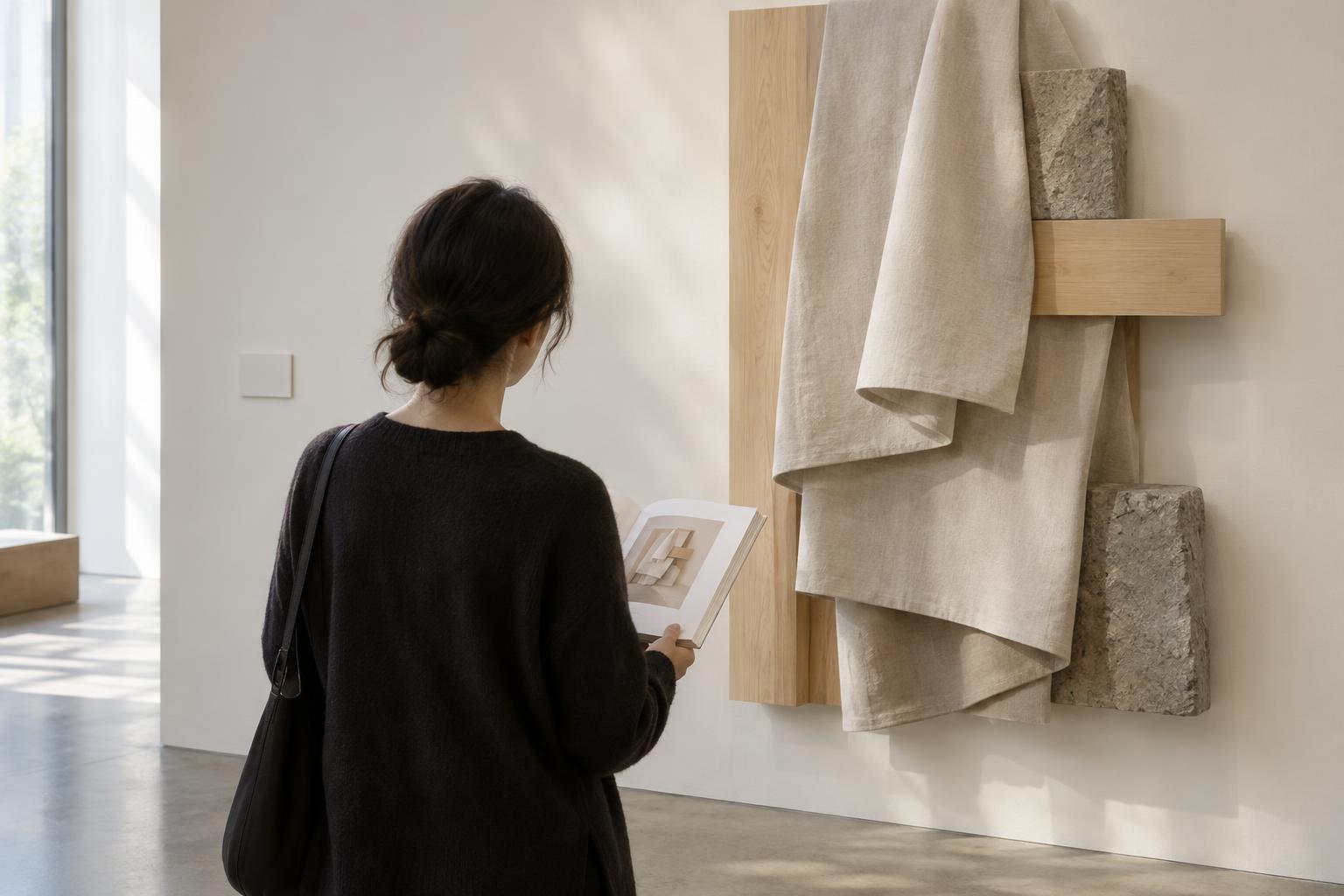
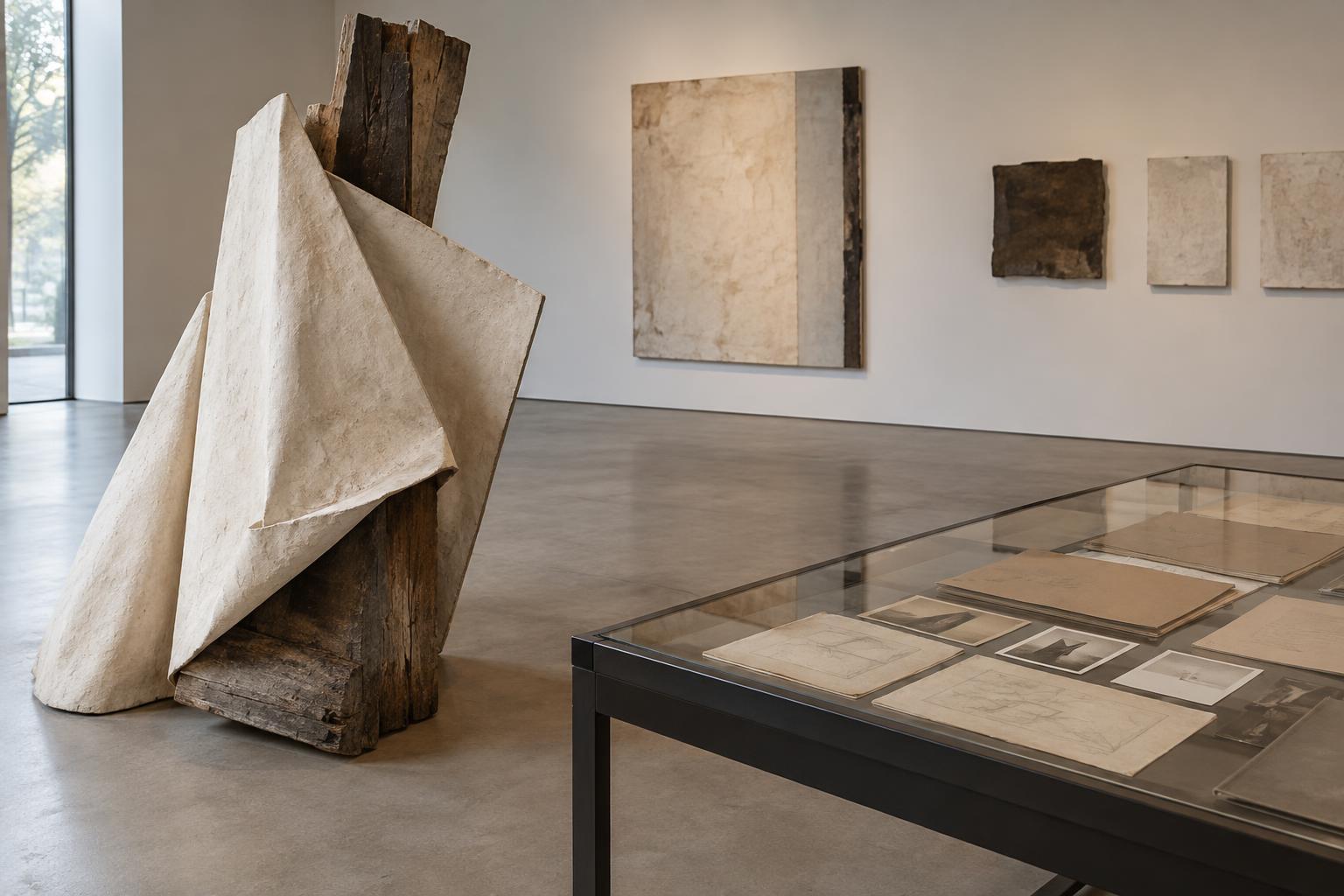
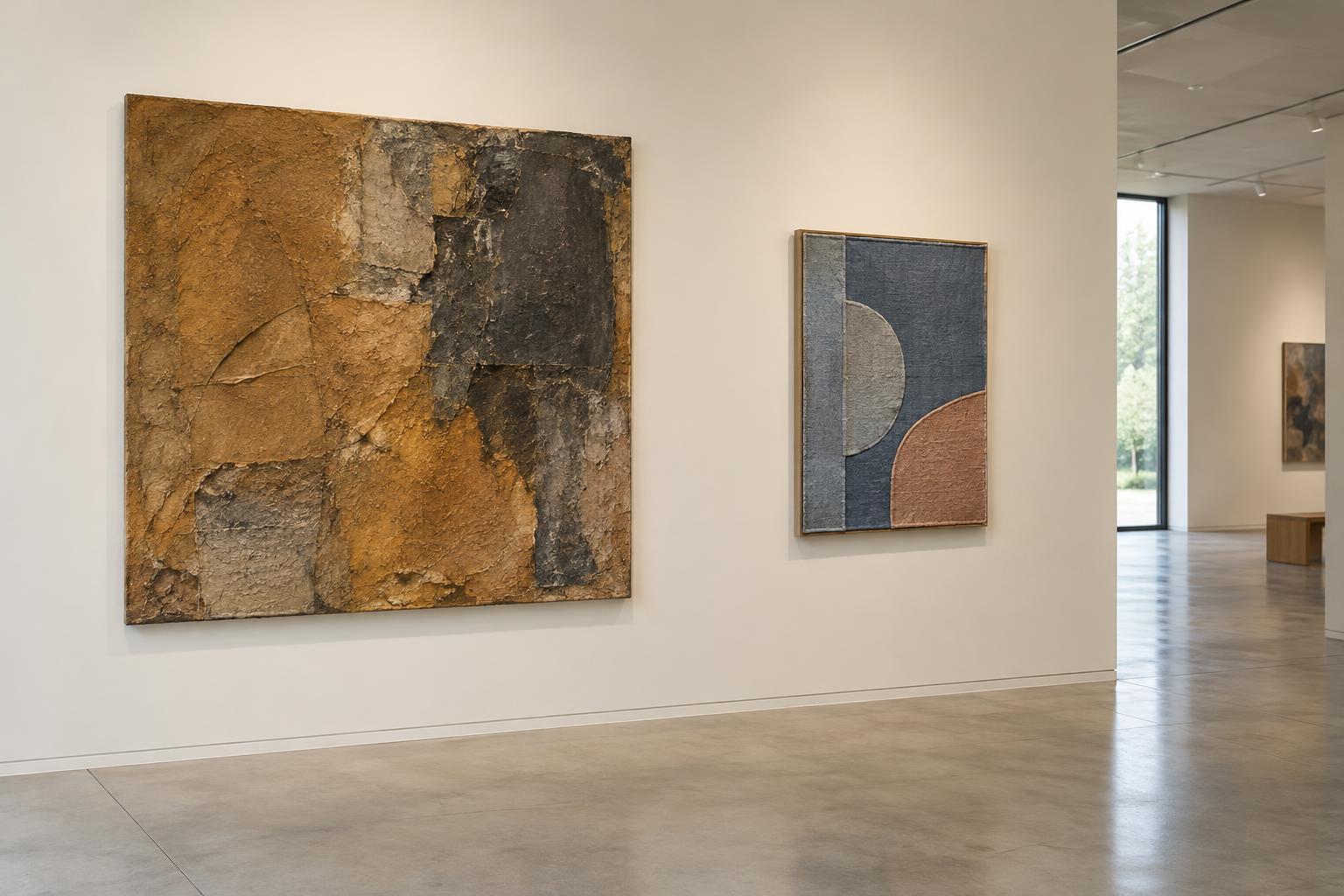
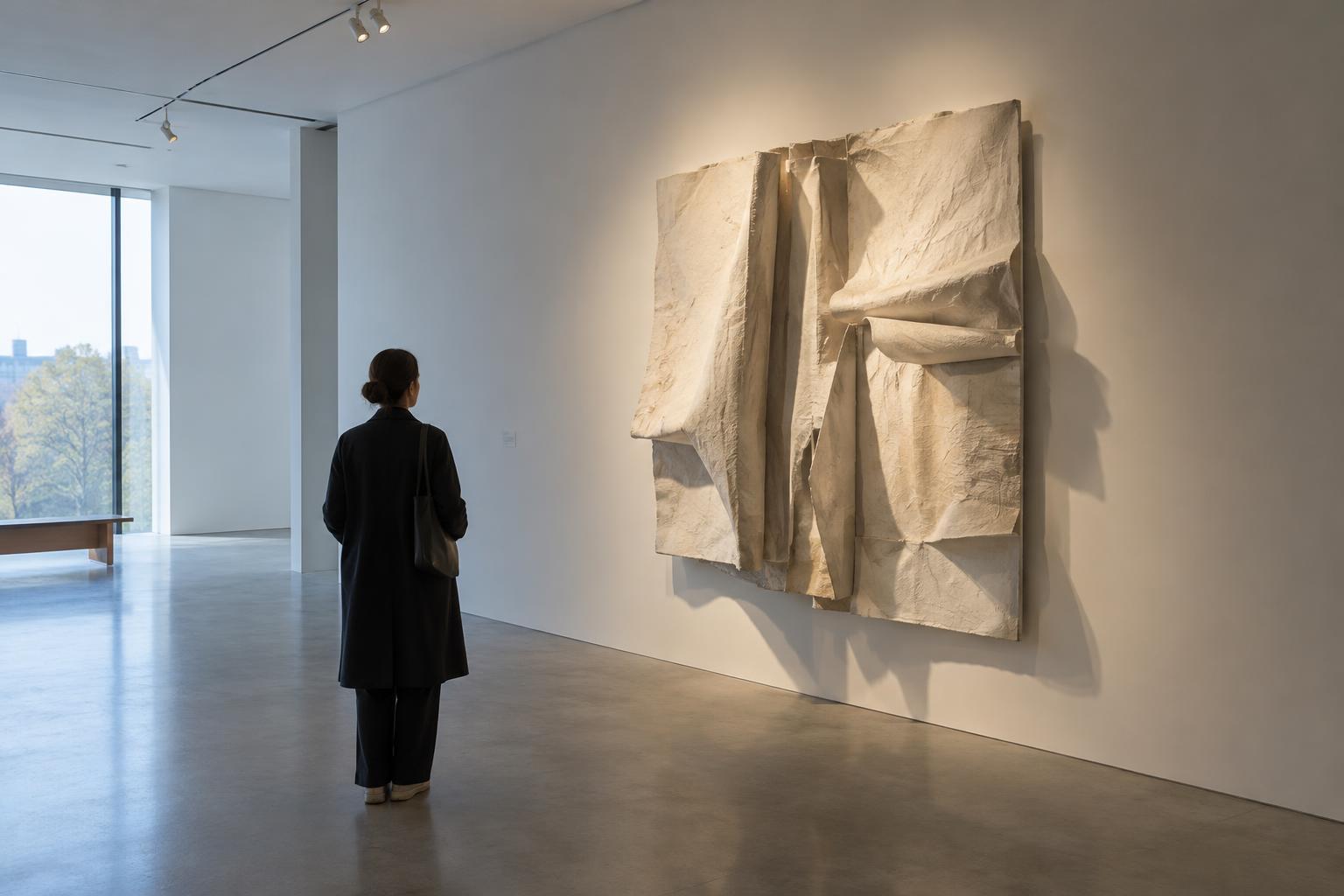
Where light comes from can alter the apparent form of an artwork. Light from the side may emphasize the ridges in thick paint, the fibers of a textile or the unevenness of a handmade surface. Frontal light can make those same features less pronounced. On sculpture, a cast shadow may clarify an outline, visually extend the object onto a wall or complicate the boundary between the work and its surroundings.
Reflective materials make these effects especially noticeable. Glass, polished metal and glossy coatings may reveal different aspects of a work as a visitor changes position. A reflection can briefly obscure an image, then become part of the experience of viewing it. Rather than treating every reflection as an obstacle, it can be useful to ask what becomes visible from different angles. At the same time, persistent glare may simply make a work harder to see, reminding us that lighting decisions involve practical compromises.
Color and atmosphere influence interpretation
The color of light can affect how colors within an artwork appear. A warm-looking source may bring out some tones while making others seem subdued; a cooler-looking one may change the overall impression. Colored light can go further, tinting both the work and the room around it. This can be central to an installation whose materials, walls and illumination are intended to be encountered together.
Atmosphere, however, should not be confused with a definitive reading. Dim light might make a space feel intimate to one person and uneasy to another. Bright light might suggest clarity or make a room feel exposed. These responses are useful observations, but they do not replace attention to the work itself. Looking at how light interacts with scale, material, sound and the path through the gallery can lead to a more grounded interpretation than relying on mood alone.
A simple way to look at exhibition lighting
On entering a room, notice where your eye goes first. Then look away from the brightest area and scan the edges of the space. Ask whether the light helps you compare works, isolates one object or guides you along a particular route. For a three-dimensional work, try viewing it from more than one permitted position and observe how its shadows and reflections change. For a painting or textile, look for surface details that become clearer when you shift your viewpoint.
Finally, consider what the lighting makes difficult. Can you distinguish the artwork from its shadow? Is a label readable? Does glare interrupt your view? Some light levels may reflect concerns about sensitive materials, while other effects may be integral to an artist’s work or an exhibition’s design. Visitors cannot always tell why a choice was made, and they need not. Describing what the light allows you to see, and what it leaves uncertain, is already a meaningful way to engage with the exhibition.