Start with the work, not the commission
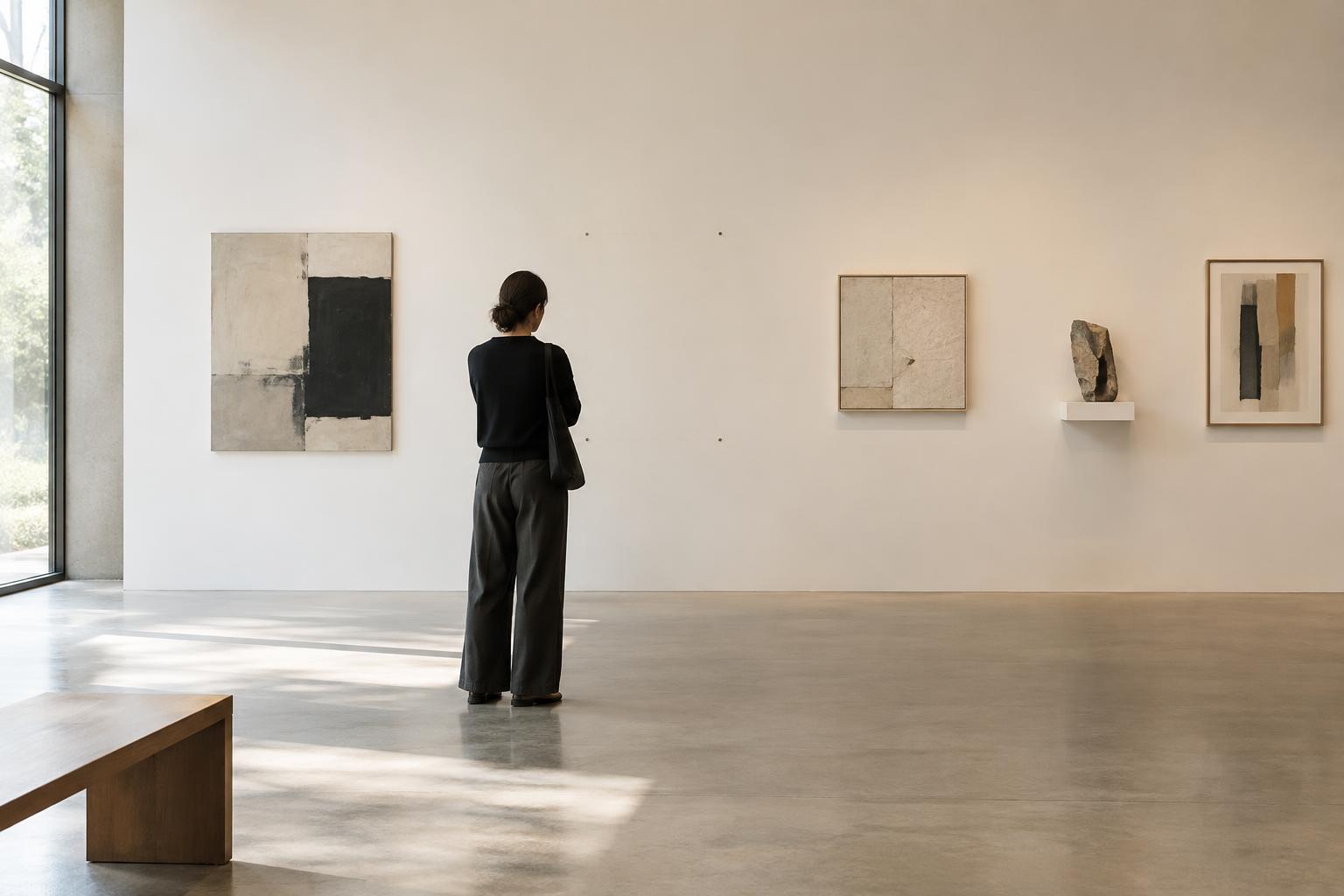
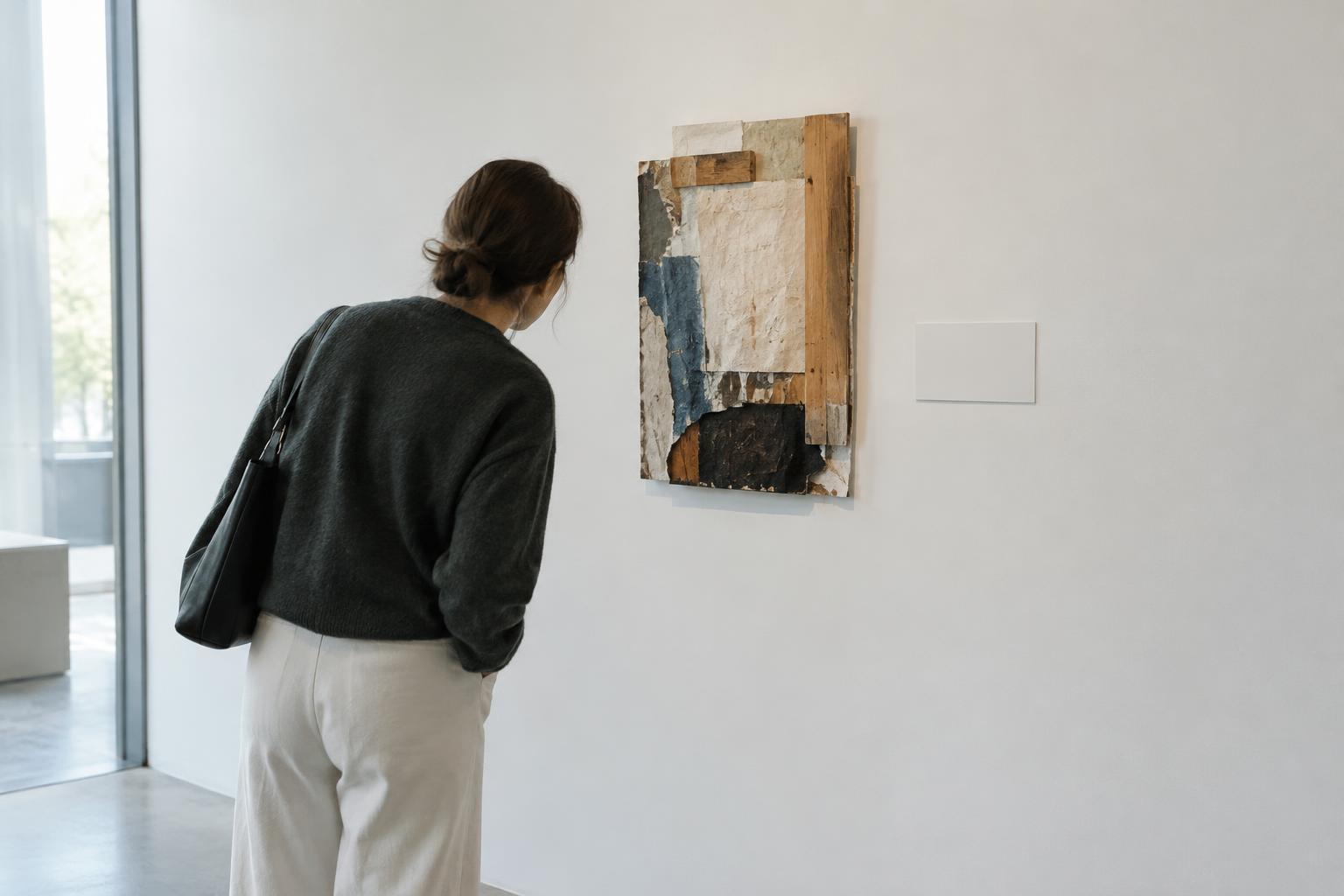
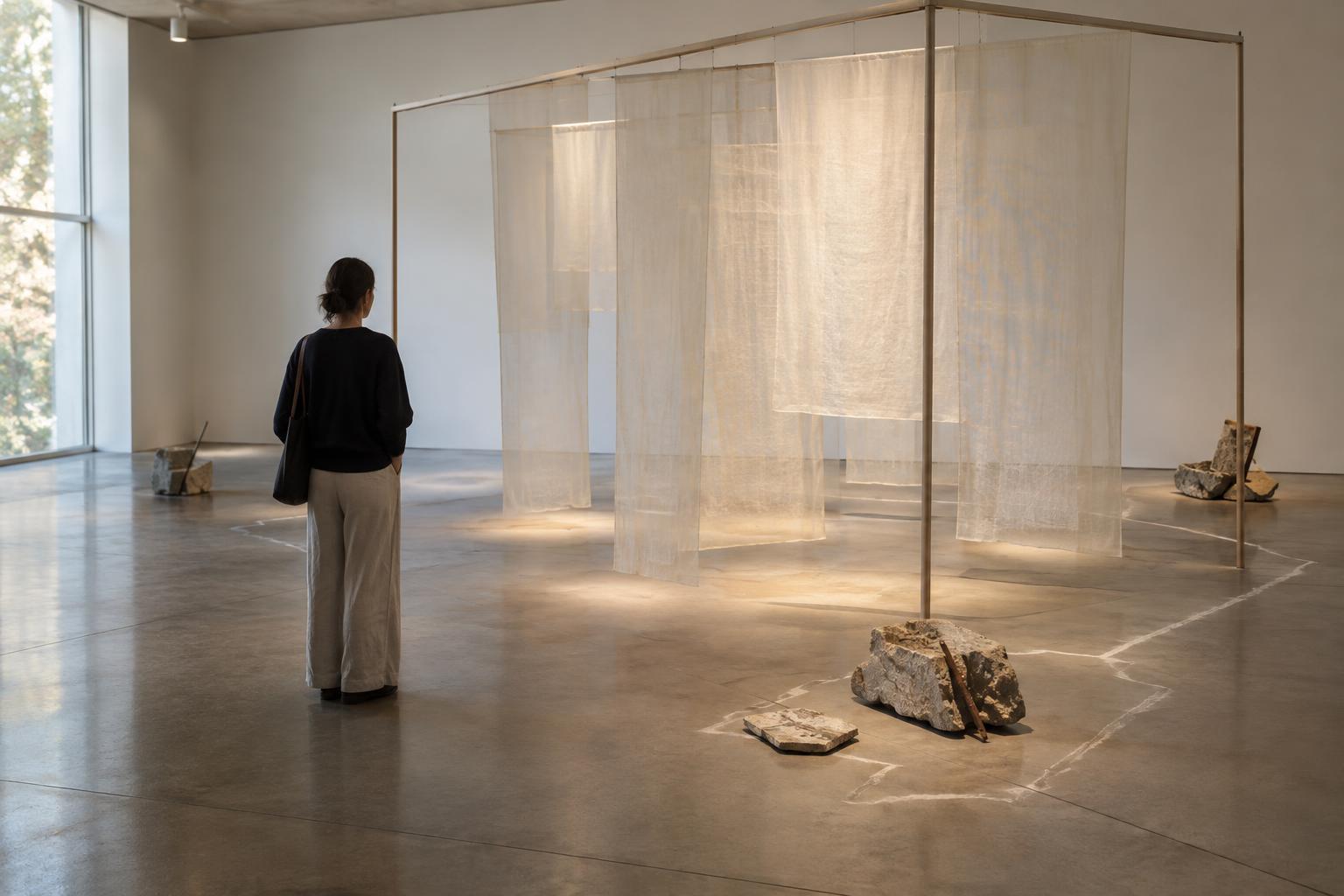
A work commissioned for an exhibition is often introduced through the circumstances of its making: an artist was invited to respond to a theme, a room or a particular collection. That information can be useful, but it need not be your starting point. First, spend time with what is actually present. Notice its scale, materials, sounds, images and placement. If you can move around it, consider how your view changes. If you encounter it over time, notice what becomes apparent only after a few minutes.
Try putting your observations into plain language before reading the wall text. What does the work ask you to do: approach, wait, look upward, listen or keep your distance? This first account does not have to be an interpretation. It gives you something concrete to compare with the exhibition’s explanation later. A commission may have a stated purpose, but the artwork can do more than illustrate that purpose.
Identify what the invitation made possible
The word “commission” describes a relationship, not a visual style. It usually means that an institution or organizer invited an artist to make work under particular conditions. Those conditions might include a location, an exhibition theme, a timeframe or access to specific materials. They can shape a work without determining every artistic choice.
Ask which features seem connected to the invitation. Does the work occupy an awkward corner that a freestanding object might ignore? Does it use a building’s light, acoustics or circulation? Does it refer to other objects in the exhibition? Such connections can reveal why the work takes this form here. At the same time, avoid assuming that every detail was required by the commission. An artist may accept a brief, challenge it or use it as a starting point for an unexpected question.
Read the room as part of the encounter
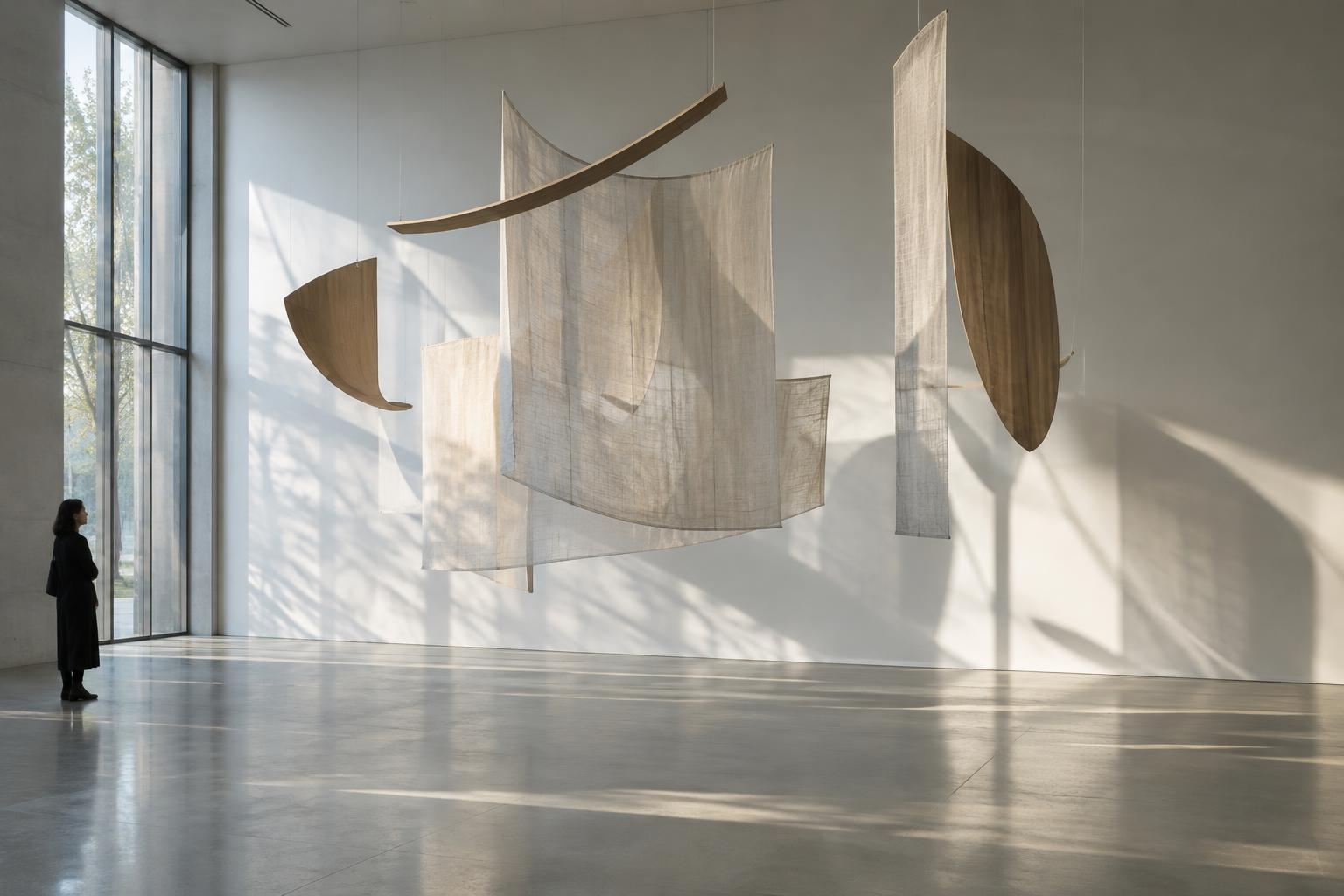
An exhibition commission is experienced alongside entrances, sightlines, neighboring works and other visitors. Walk away and return, if possible. Notice what you see before reaching the work and what remains in view when you leave it. A large installation may guide movement through a room; a quiet intervention may depend on how easily it can be overlooked. Neither effect can be understood fully from a close-up view alone.
Consider practical features as well as atmosphere. Lighting may bring a surface forward or make it difficult to see. Seating can invite a long encounter, while a narrow passage may encourage a brief one. These effects do not always express a single intended meaning, but they influence how the work is encountered. If the artwork could be moved to another gallery, ask what would remain the same and what would change. That question helps distinguish the work’s portable elements from its relationship to this exhibition.
Use exhibition texts as evidence, not a final answer
Wall labels, catalog essays and exhibition titles can clarify a commission’s context. They may tell you what the artist was invited to address or point to a connection you missed. Read them after looking, then return to the work. Can you see the relationship the text proposes? Does the work complicate it? A useful interpretation can hold both the stated premise and your own observations without forcing them into perfect agreement.
Pay attention to whose voice you are reading. An artist’s statement describes one perspective on the work; a curator’s text frames it within an exhibition. Both can offer insight, but neither accounts for everything a visitor may notice. If information about the brief is limited, keep your conclusions modest. You can describe a strong connection between a work and its setting without claiming to know precisely what was requested or intended.
Build an interpretation that leaves room for change
To bring your observations together, try forming a sentence that connects form, setting and possible meaning: “By placing this material here, the work makes me notice…” Then test it against details that do not fit. Perhaps a playful color disrupts an otherwise solemn reading, or a sound reaches beyond the area assigned to the work. Those details may strengthen a more nuanced interpretation rather than weaken it.
Finally, consider the work’s life beyond the exhibition. Some commissions can be reinstalled, while others depend heavily on a particular room or group of neighboring works. Photographs and descriptions may preserve aspects of the encounter, but they cannot necessarily reproduce its scale, movement or duration. Interpreting a commissioned work means taking its occasion seriously while recognizing that no exhibition brief, label or photograph can exhaust what the work offers.