An exhibition is an argument made in space
The order in which you encounter artworks matters. A painting seen after an early sketch may appear to be the result of years of experimentation. The same painting placed beside a work by another artist may instead invite a comparison of color, subject or technique. Neither arrangement changes the object itself, but each gives visitors a different starting point for interpreting it.
Two common approaches are chronological and thematic organization. A chronological exhibition follows time: it might trace an artist’s practice from early to later work or show how an art form changed across decades. A thematic exhibition groups works around an idea, question or shared concern, even when they were made at different times. In practice, many exhibitions combine the two. Recognizing the organizing principle helps you see the choices behind what may initially feel like a natural path through the gallery.
What a chronological route makes visible
Chronology can make development easier to notice. When works are presented in sequence, visitors can compare recurring subjects, shifts in scale, changes in materials and experiments that did not continue. An early use of a material may feel tentative beside a later work that handles it differently. A sequence can also place artworks alongside relevant changes in the maker’s circumstances or in the wider setting in which the work was produced, when that context is documented and clearly explained.
The risk is that time can start to look like a story of steady progress. Later works are not necessarily more accomplished than earlier ones, and artists often return to old ideas rather than leaving them behind. Dates may be uncertain, works may be missing, and practical limits may determine what can be shown. As you walk through a chronological display, look for detours as well as apparent turning points. Ask whether the route allows for repetition, contradiction and unfinished questions.
What a thematic route brings together
A thematic exhibition invites visitors to begin with a subject rather than a timeline. A show about shelter, for example, could bring together sculpture, photography, installation and drawing. Seeing unlike works near one another can make a familiar motif less predictable. It can also give equal attention to artists who worked in different periods, rather than placing one at the beginning and another at the end of a single historical narrative.
That freedom requires care. A broad theme can make differences in place, purpose or material seem smaller than they are. Two works may both depict a doorway, yet use that image for distinct reasons. Useful thematic displays give visitors enough context to understand both the connection and its limits. When a pairing catches your eye, identify the specific feature the works share, then look for what resists the comparison.
Notice how the space supports the story
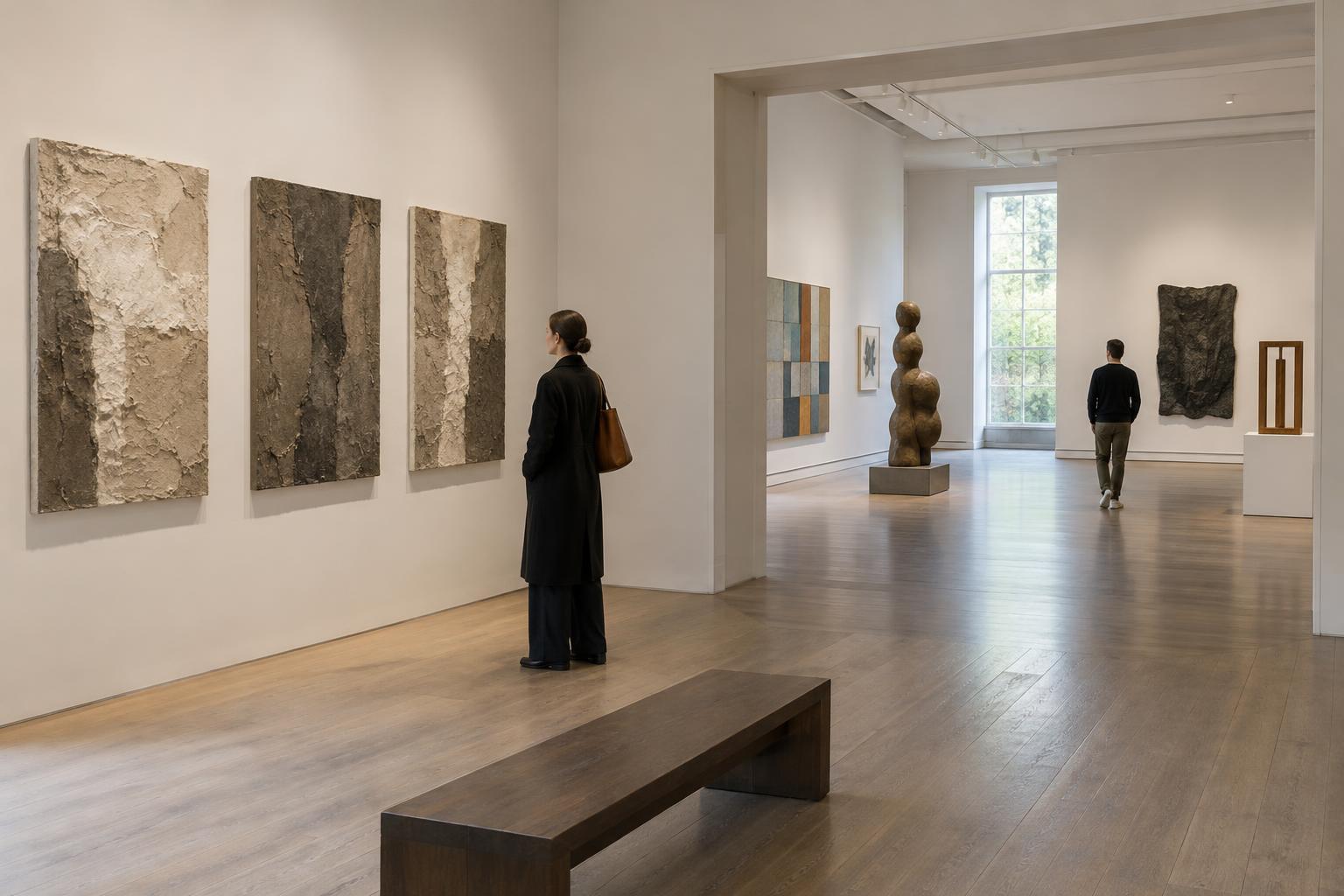
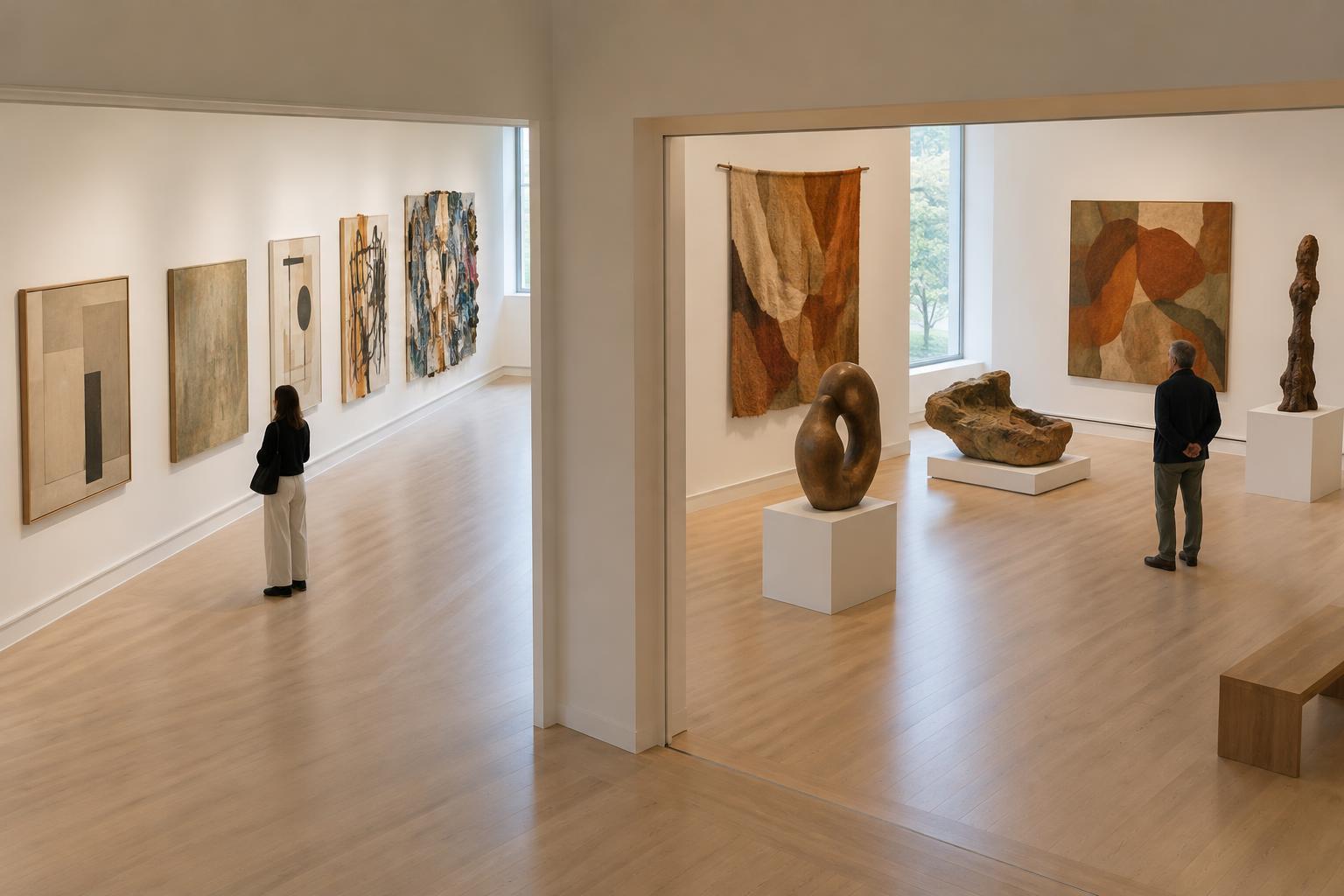
Interpretation is not carried by labels alone. Doorways, sightlines, lighting and the distance between works can reinforce an exhibition’s structure. A chronological route may encourage movement in one direction, with dates acting as markers. A thematic display may use rooms as chapters, allowing visitors to move between related questions. Large installations can complicate either plan: their scale or sound may shape what you notice before you read a single label.
Try pausing at the entrance to each room. What does its title ask you to expect? Which work do you see first, and which works can you see together? Then consider what happens when you change your route. Walking back through a room can reveal a relationship that the intended sequence made less obvious. This is especially useful when a display blends themes and chronology rather than announcing a strict choice between them.
Use the structure without being confined by it
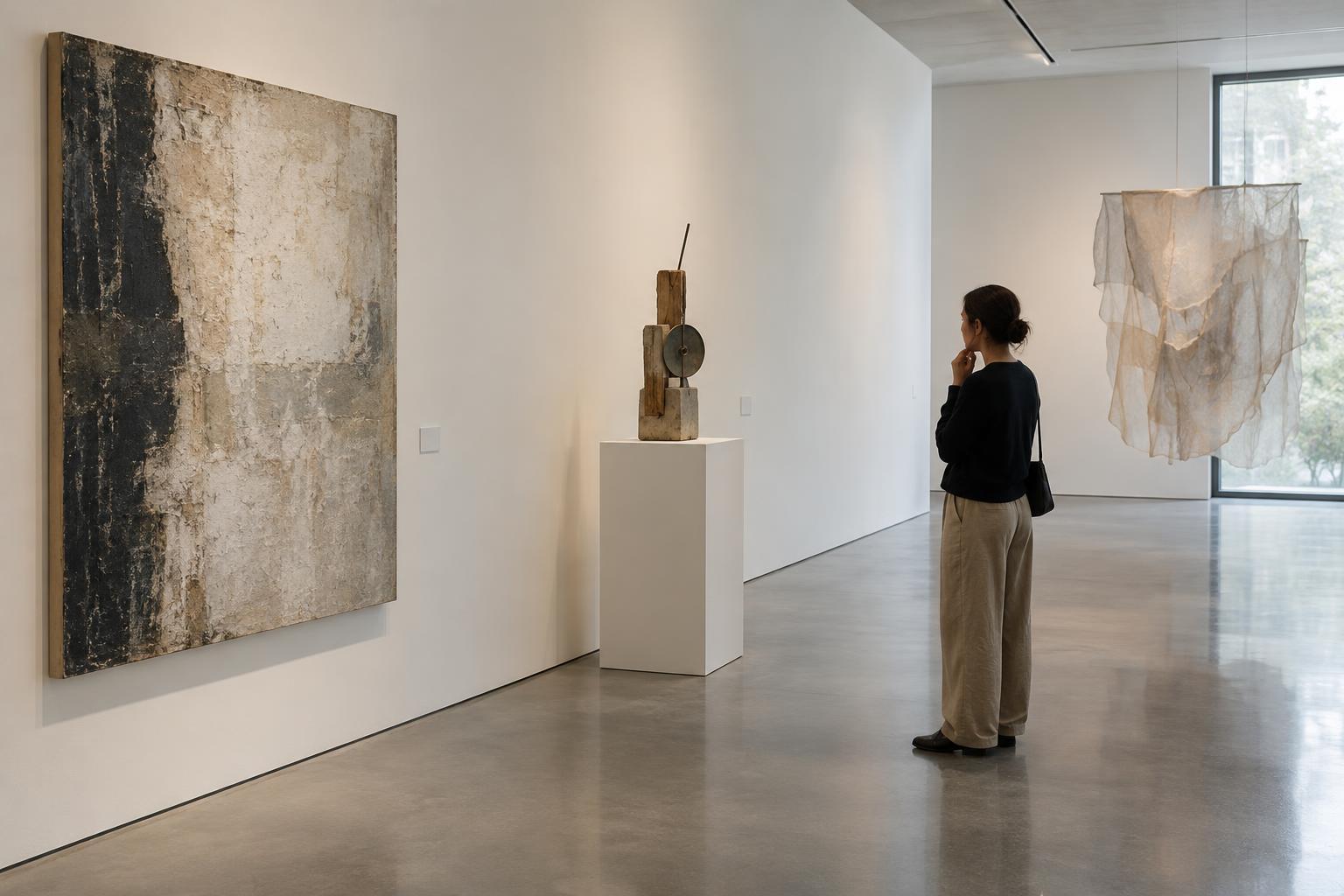
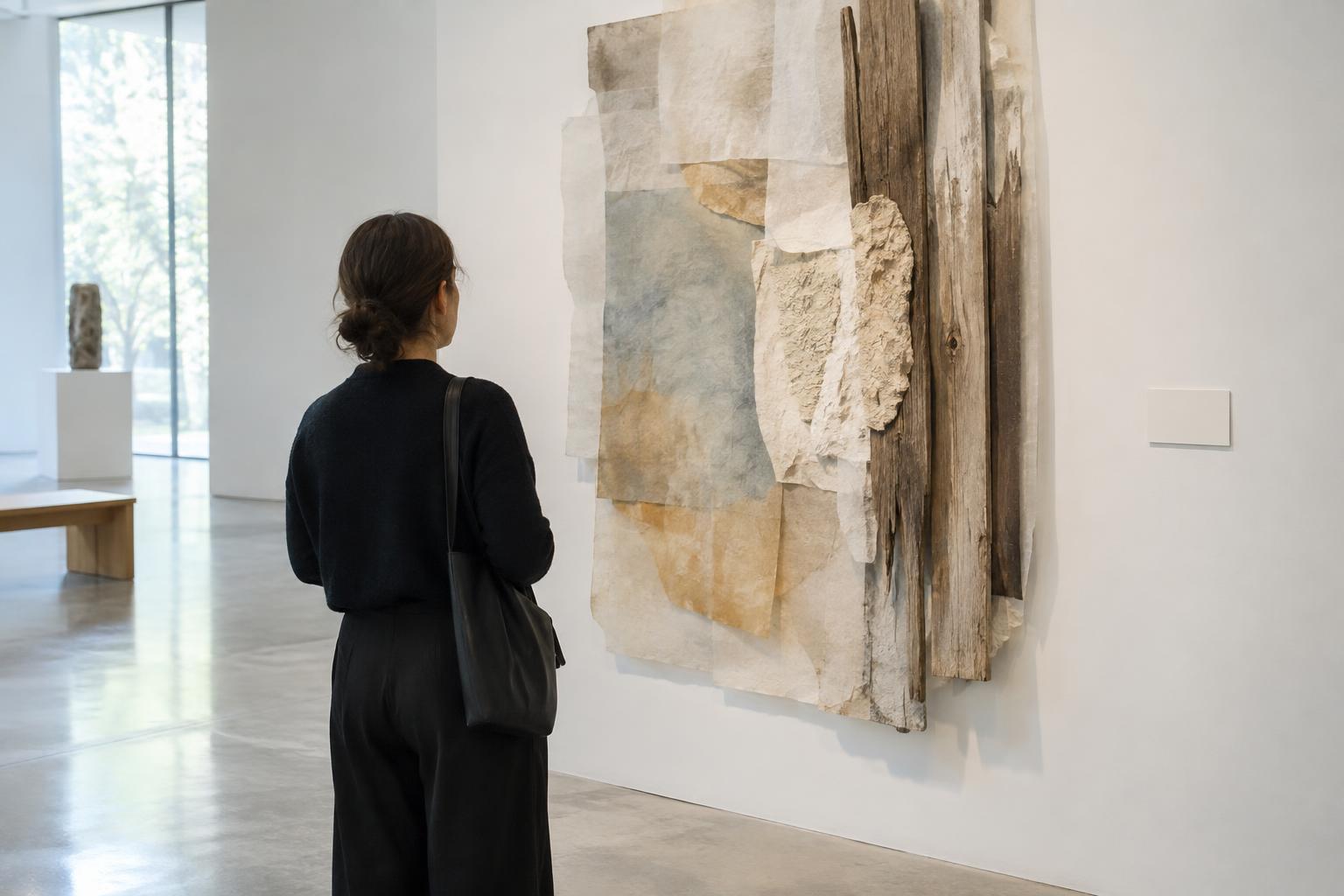
A practical way to read any exhibition is to separate observation from the explanation offered around it. Spend a moment with a work before reading its label. Note a material, gesture or spatial choice that interests you. Then read the label and ask what it adds. Does it clarify a decision you noticed, introduce a context you could not have known, or steer you toward a different question?
Finally, imagine moving one work elsewhere in the exhibition. In a chronological show, what changes if it sits beside a work made years earlier? In a thematic show, would another theme bring out a different aspect of it? These small thought experiments do not require you to reject the curator’s interpretation. They help you treat it as one considered way of looking—and leave room for your own attentive response.