Begin by describing what the work already does
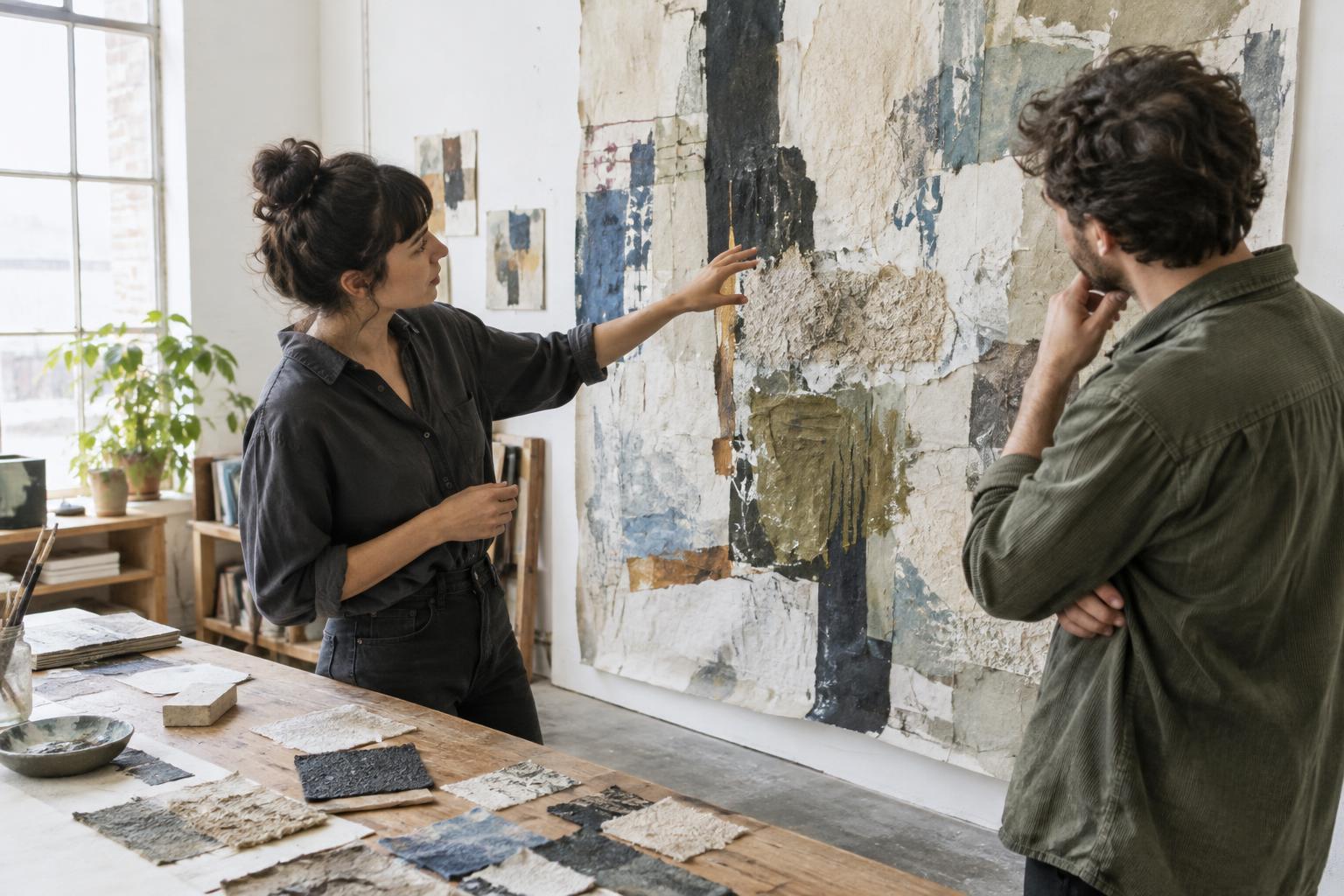
Before changing an artwork, spend time with it as it is. Set aside the story of what you meant to make and describe what a viewer can encounter: a dense patch of color, an awkward pause between objects, a surface that changes in the light. For an installation, walk through the space from more than one direction. Notice what draws attention first, where the eye or body goes next, and where interest fades. These observations give revision a clearer starting point than a general feeling that something is unfinished.
Then name the question at the center of the work. It might concern scale, repetition, an unstable material, or the relationship between a private object and a shared space. The question does not have to become a statement for an exhibition label. It is a working guide: a way to ask whether a proposed change makes the artwork more capable of holding the experience you want it to offer.
Keep what gives the work its character
An element can be worth keeping even if it feels unresolved. A rough edge may make a carefully arranged composition less predictable; a gap between objects may give a visitor room to notice their own movement. Look for decisions that create attention, tension or useful ambiguity. These are not always the most polished parts. If you are unsure, cover an element temporarily or imagine the work without it. What becomes flatter, less specific or too easy to read?
It can help to record a few anchors before revising: a material relationship, a particular rhythm, a surprising contrast, or a spatial encounter. These are not rules that every detail must obey. They are reminders of what you would regret losing. Keeping an element does not mean leaving it untouched, either. A fragile detail might need a different support or placement so that a viewer can actually encounter it.
Change one relationship at a time
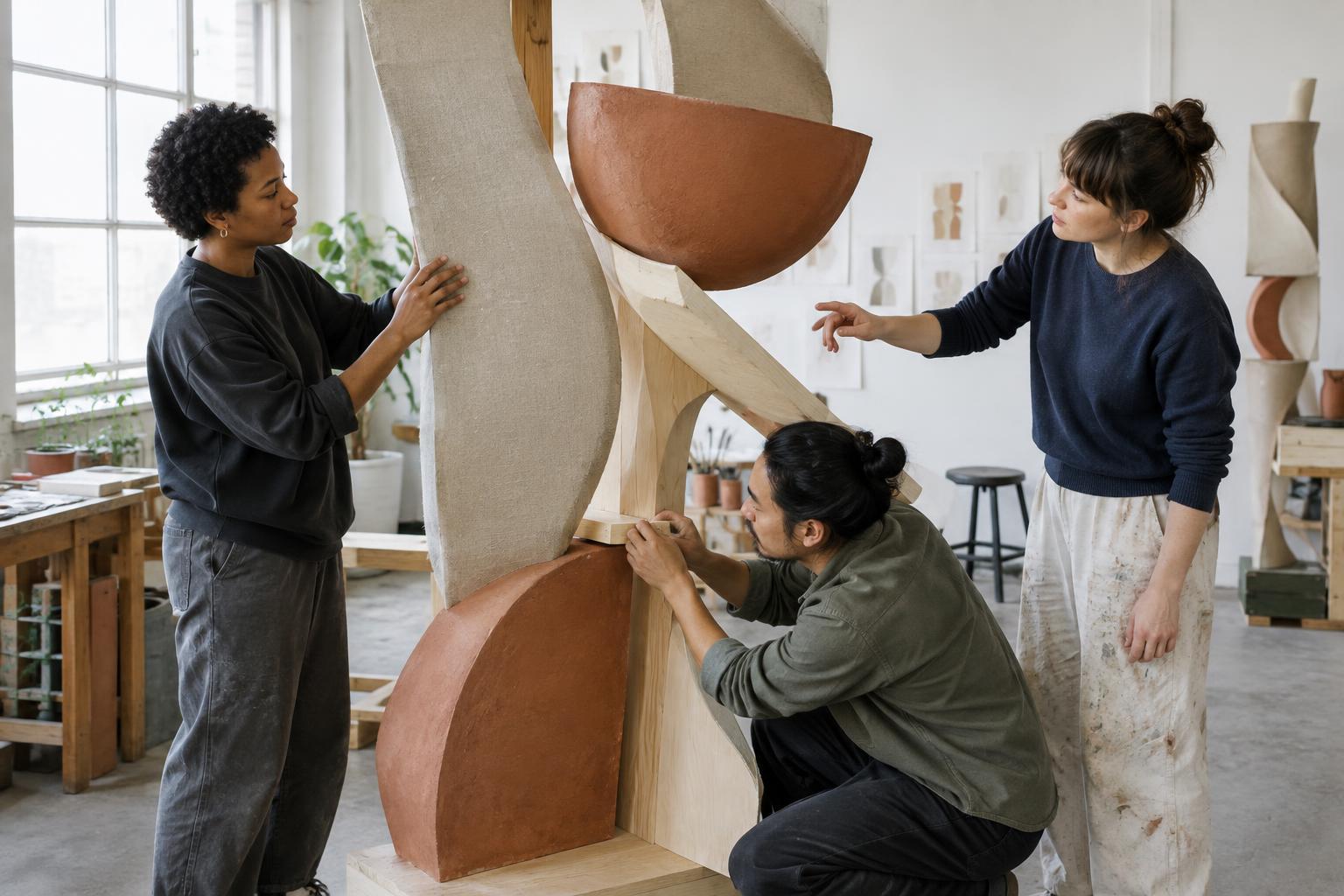
When the work has a compelling core but does not quite hold together, revise relationships before replacing everything. Try moving one object, changing the interval between repeated marks, adjusting a light source, or reducing the area occupied by a dominant color. Small changes can affect the whole work because they alter how its parts speak to one another. Make a quick photograph or note before each test so you can compare versions rather than relying on memory.
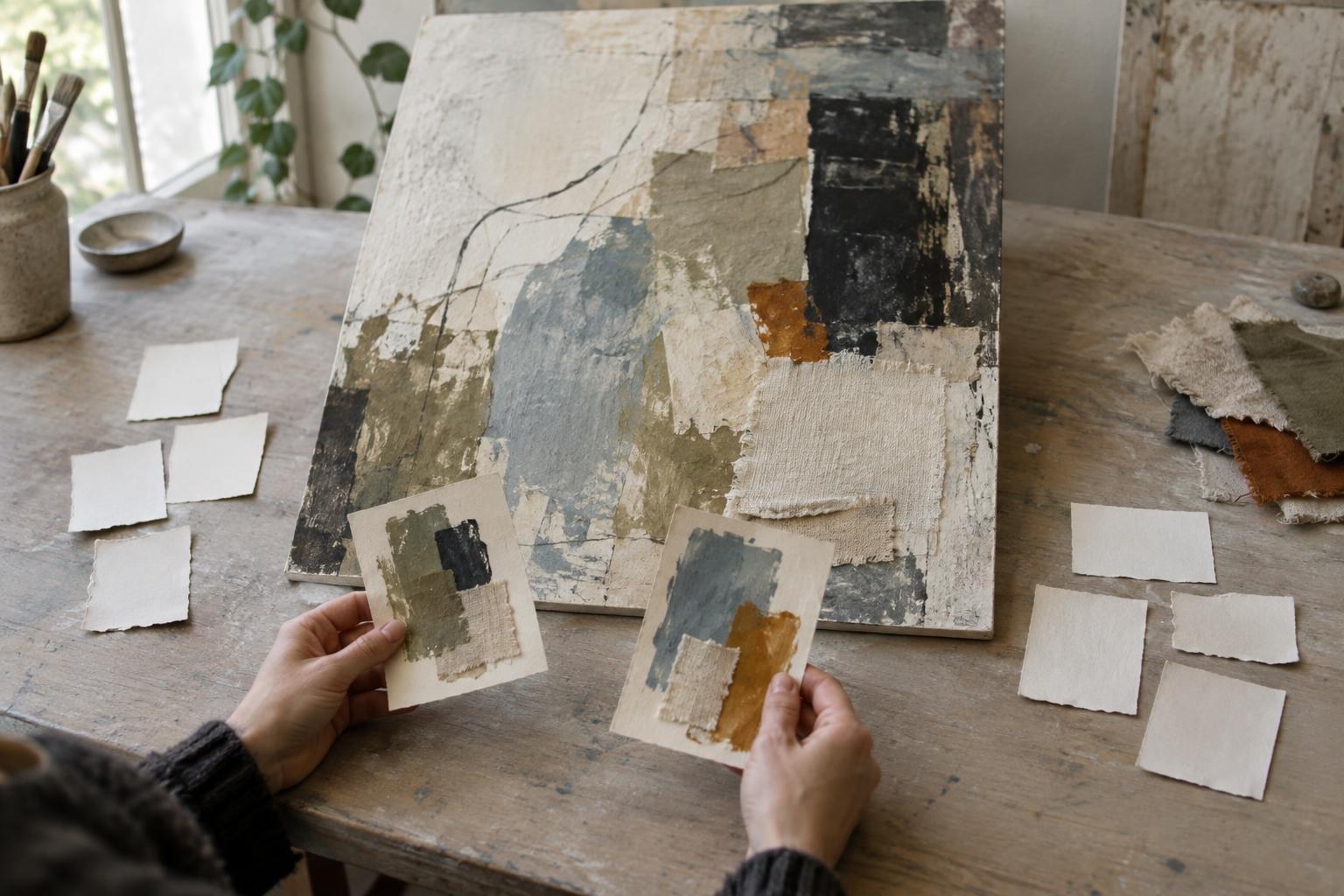
Give each test a reason. Instead of asking whether a change makes the piece better, ask a narrower question: Does this spacing make the sequence easier to follow? Does a quieter surface let the material carry more weight? If several things change at once, it becomes difficult to tell which decision mattered. Some revisions are best made in a sketch, model or temporary arrangement before committing to a cut, attachment or coat of paint.
Remove what competes without contributing
Removal is not simply a move toward minimalism. A crowded artwork may need every part, while a sparse one may still contain an unnecessary gesture. Consider removing something when it repeats information already present, directs attention away from a more interesting relationship, or explains an idea the work could leave open. In an installation, an extra object may interrupt a path through the room; in an image, a detailed corner may pull attention from the stronger tension elsewhere.
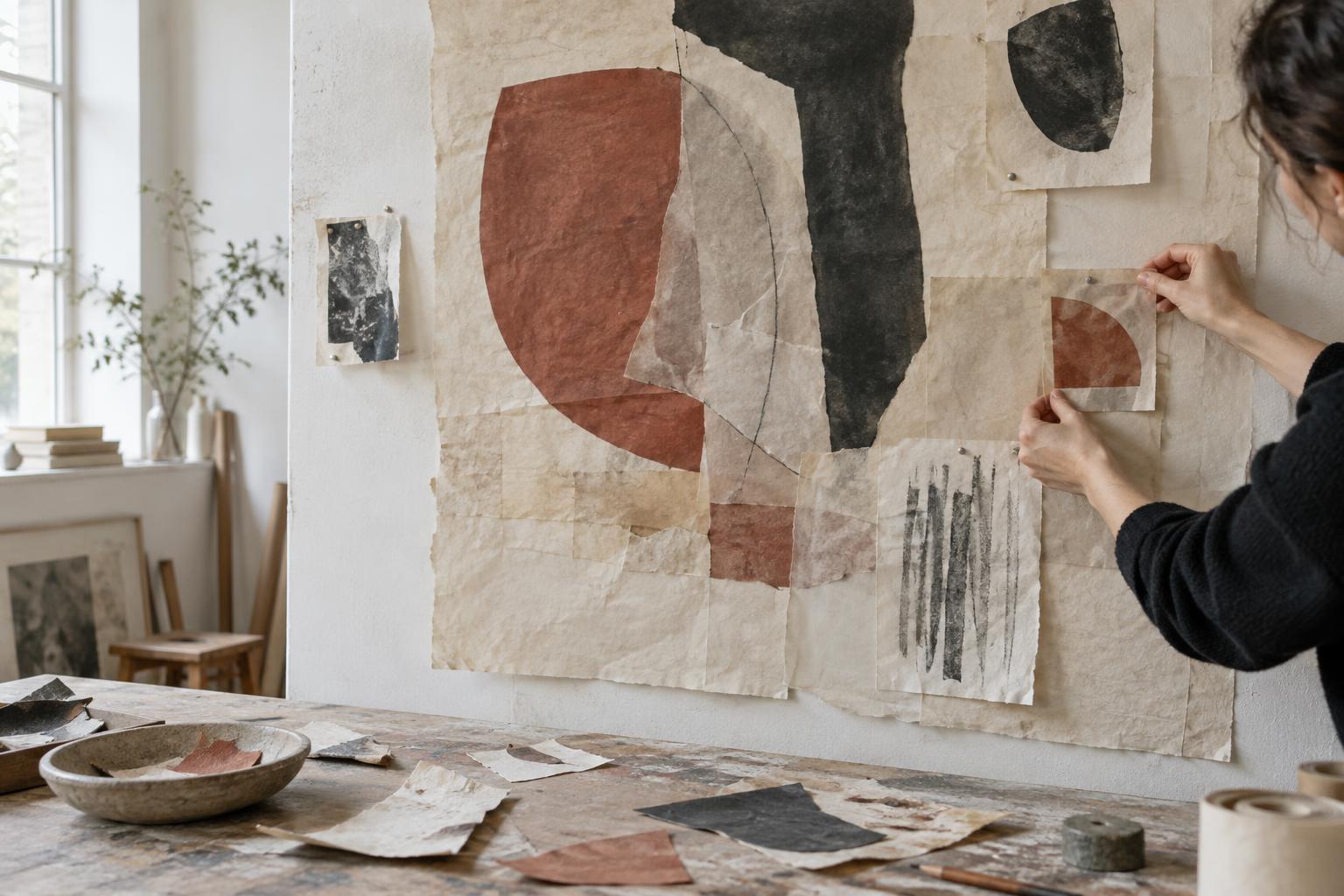
Test removal without making it permanent when possible. Turn an object toward the wall, mask an area in a photograph, or take a component out of the room for a day. Then look again at what remains. Has the work gained focus, or has it lost a productive complication? Keep a record of removed elements. They may belong in another piece, and knowing they are not gone forever can make it easier to judge the present work on its own terms.
Know when to stop revising
Revision can become a way of postponing the discomfort of showing work. Set a condition for stopping that relates to the artwork rather than to a hope that it will feel perfect. Perhaps its main relationships are legible, its materials can hold up to the intended display, and further changes mostly trade one interesting quality for another. Step away, then return under conditions close to those in which someone else will see it: on a wall, at a distance, or from the entrance to the space.
A finished version does not settle every question. It gives the work enough clarity to support attention while leaving room for discovery. Keep notes on ideas that emerged too late to include; they can begin the next work instead of being forced into this one. To revise well is to make deliberate choices about what this artwork needs now, including the choice to let it stand.