An object in space, or space as part of the work?
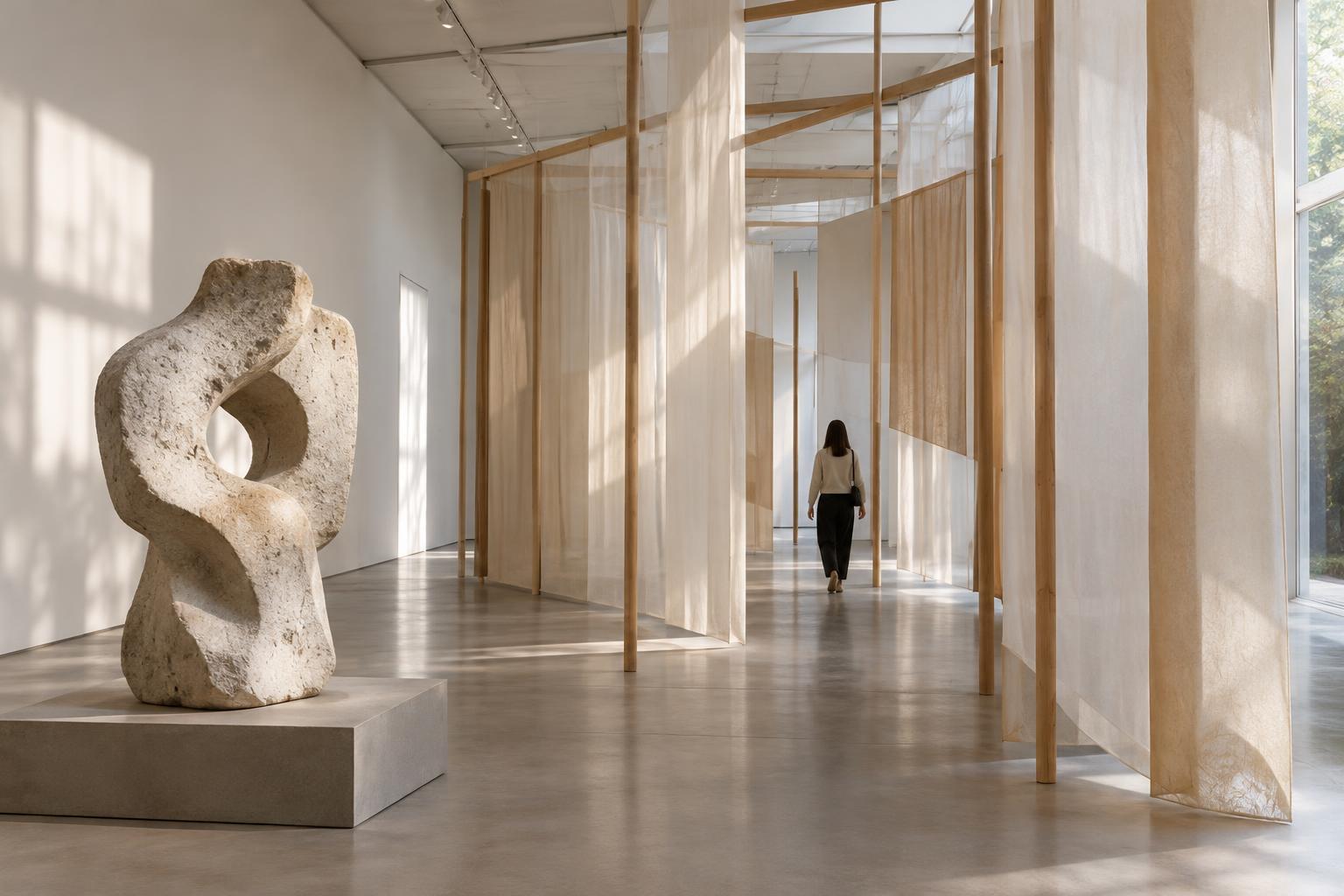
Sculpture and installation art can look remarkably similar. Both may use wood, metal, fabric, light or found objects. Both can be large enough to walk around, and neither has to stand on a pedestal. The difference is less about materials than about the role of the surrounding space. A sculpture is often understood as an object with its own form, encountered in a setting. In an installation, the setting may be one of the work’s essential materials.
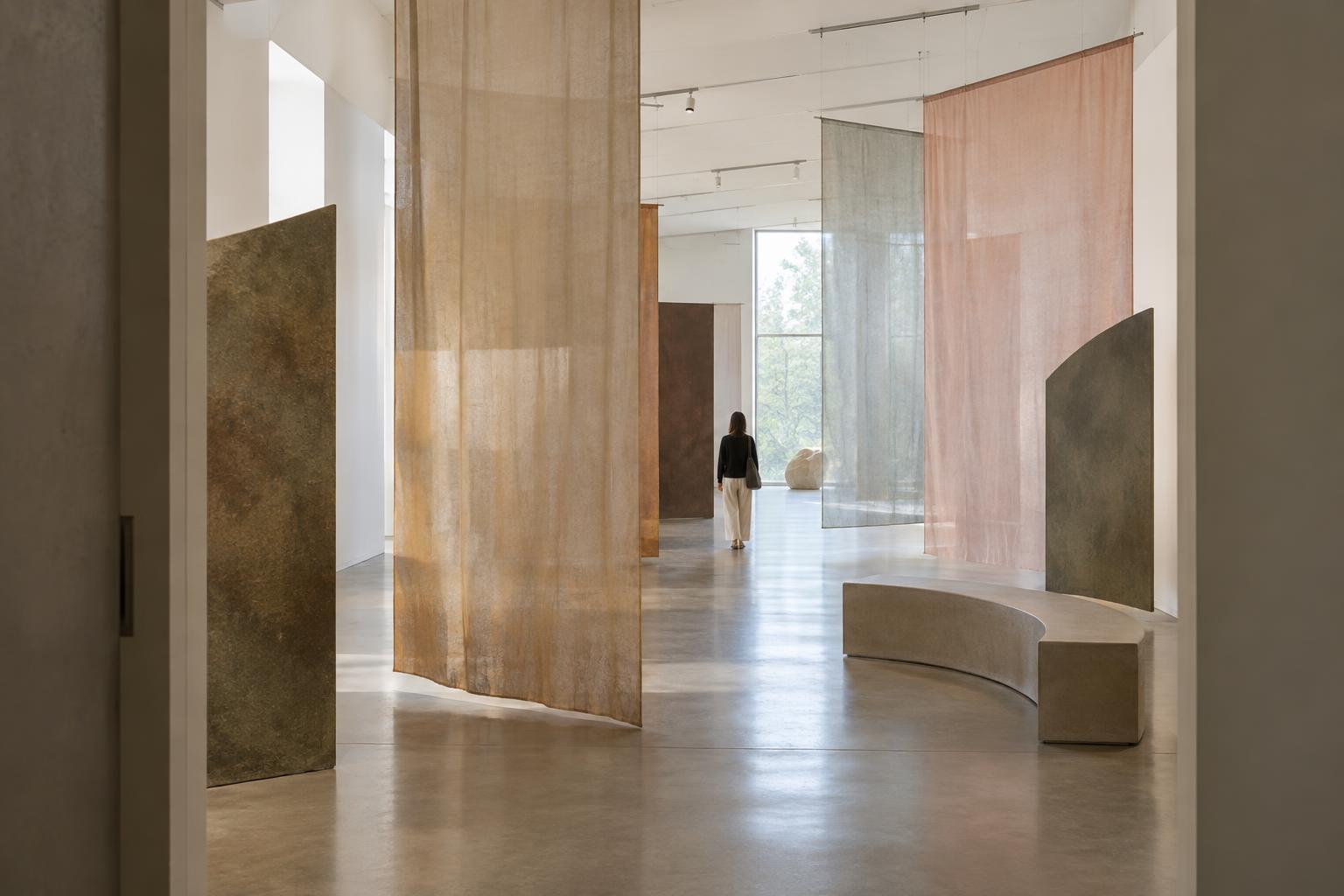
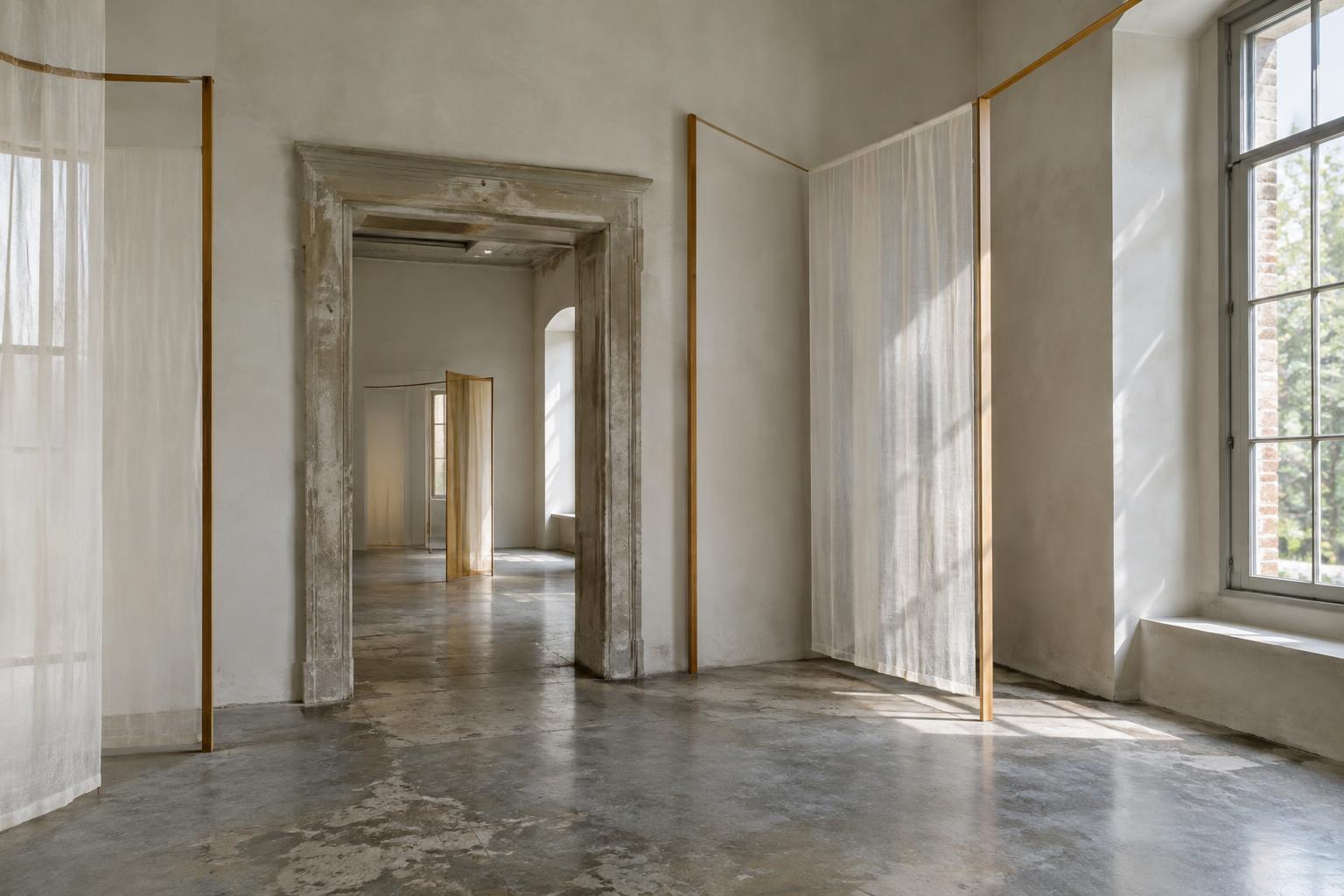
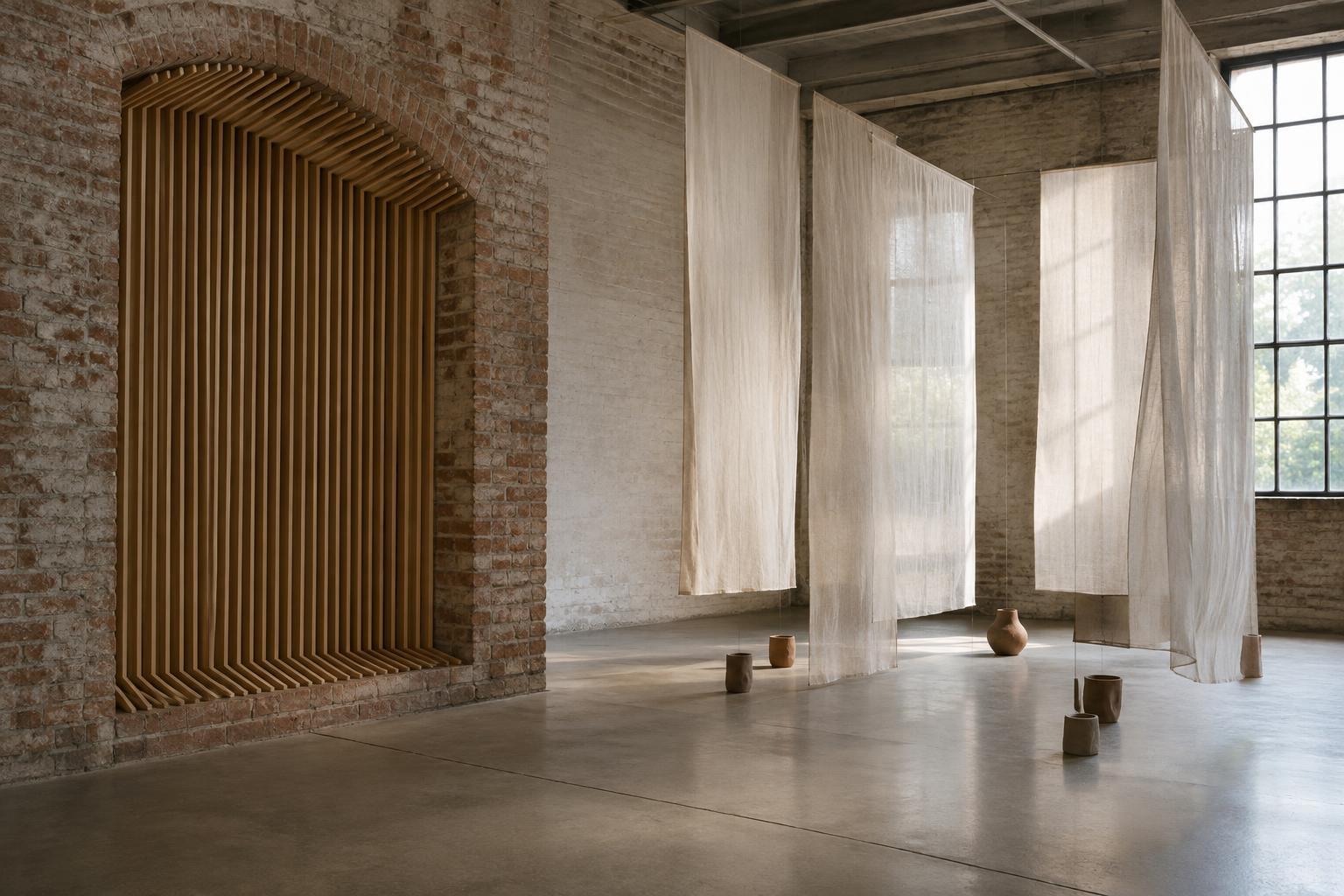
Imagine a group of suspended fabric forms. If each form is intended to be viewed from several angles and could be displayed in different rooms without much change to its meaning, sculpture may be the more useful description. If the fabric divides a particular room into narrow passages, alters the light and determines how visitors reach the exit, installation may describe it better. These are not fixed rules. Many works sit between the two, and the artist’s intentions and display choices matter.
How movement changes what you see
A viewer can usually change position in relation to a sculpture: move closer to see a surface, step back to grasp its shape or circle it to discover a hidden side. In installation art, movement may do more than reveal the work. It can become part of its structure. A low ceiling might prompt someone to slow down; a sequence of openings might make one area visible only after another. The work unfolds through the visitor’s route rather than appearing all at once.
This does not mean installations must be immersive or that sculptures are meant to be seen from a single spot. A sculpture can be experienced through bodily movement, while an installation may be quiet and spare. A useful question is whether changing the layout would merely change the view or would change the work’s basic experience. If moving a wall, doorway or cluster of objects would alter its rhythm or meaning, space is doing substantial artistic work.
Site, scale and the boundaries of a work
Some installations are made for a particular site. An artist might respond to a room’s windows, the sound of a stairwell or the way people cross a public square. In such cases, relocating the work could require more than finding an area of similar size. The new site might lack the feature that gives the arrangement its force. Other installations are adaptable: their components can be reconfigured while preserving a set of relationships, such as a pathway, a sound sequence or a contrast between crowded and empty areas.
Sculptures can also have strong ties to place. An outdoor sculpture may frame a view or invite people to gather beside it. The distinction is not that sculpture ignores context, but that context can play different roles. It may enrich the encounter with a sculpture without defining the object itself. In an installation, the floor, walls, air between components and visitor’s path may be difficult to separate from what counts as the work.
A practical way to look at both
When encountering an unfamiliar work, begin with what is present rather than trying to label it immediately. Notice where its edges seem to be. Do they stop at the surface of an object, or extend into the light, sound and circulation of the room? Consider what you can see from the entrance and what becomes apparent only after you move. Look for deliberate gaps as well as solid forms; an empty stretch of floor may be as important as a constructed element.
Next, imagine the work somewhere else. Would it remain largely the same, or would its relationships need to be rebuilt? This thought experiment cannot reveal everything about an artist’s intent, but it helps identify how much the setting contributes. It also leaves room for ambiguity. Calling something a sculpture can draw attention to its weight, shape and making; calling it an installation can emphasize the conditions of encountering it. Neither term replaces the experience of looking. The most rewarding observation may be how a work moves between the two: giving you an object to study while making you aware of the space you occupy.