Start with the view from the entrance
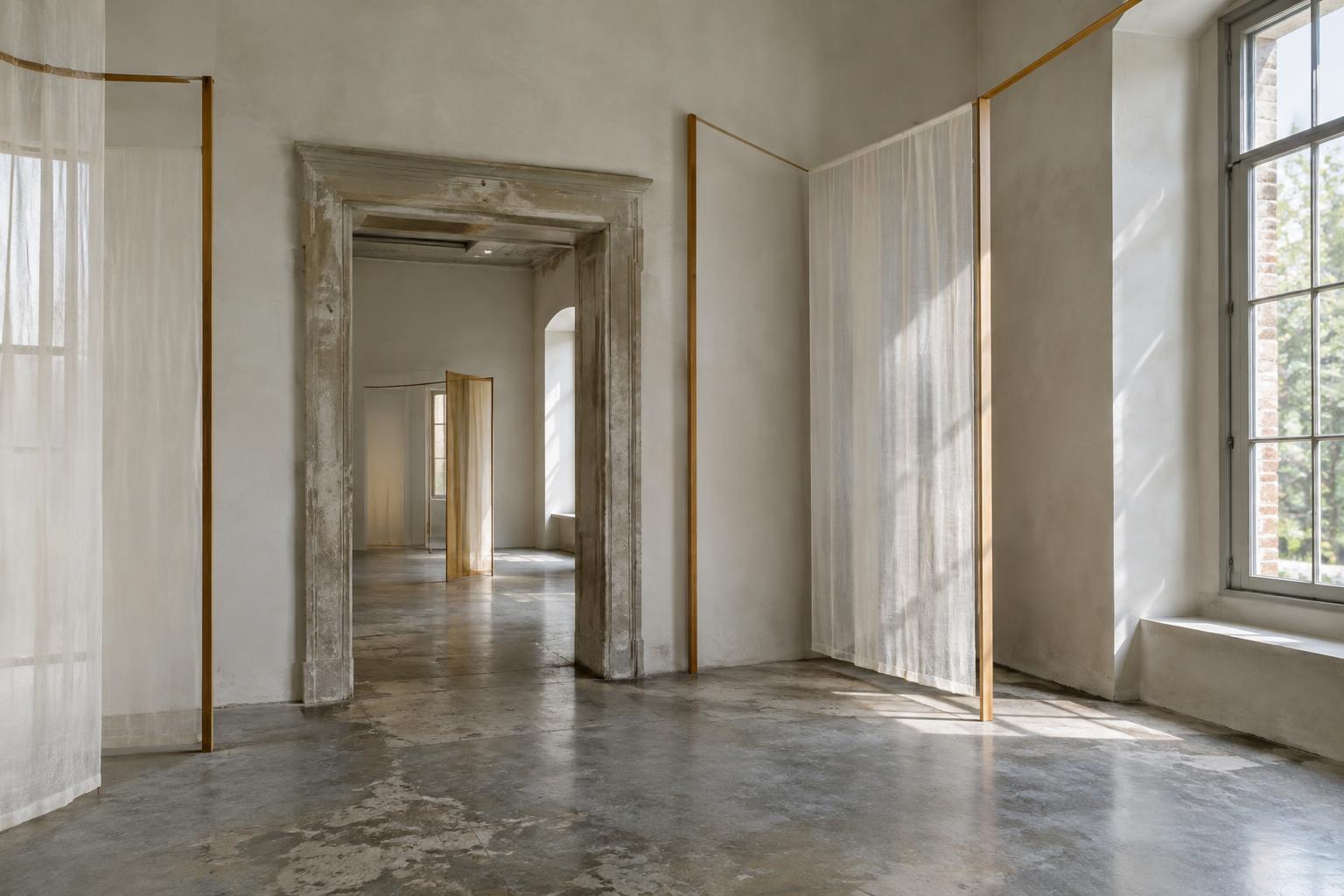
A viewer rarely encounters an installation all at once. The doorway, corridor, or edge of a gallery frames an initial view before the viewer has decided where to go. That first sightline can introduce the work’s central relationship: a suspended object against a wall, a narrow opening beyond a larger form, or a patch of light that draws attention into the room. Planning it does not mean revealing everything immediately. It means deciding what the space communicates before anyone steps inside.
Stand at each likely entrance and note what is visible at a glance. Look for elements that merge awkwardly, such as two objects that appear to be one from the threshold, or a label that seems attached to the wrong work. Then move a few steps to either side. An entrance is not a single fixed point: people may pause near a wall, arrive in a group, or look in while passing. Sketching or photographing these positions can make unintended overlaps easier to spot.
Plan for movement, not just a perfect viewpoint
A floor plan records where objects sit, but sightlines describe how those objects change in relation to a moving viewer. A low form may hide a detail until someone approaches. A screen might separate two areas while allowing a glimpse of color or motion beyond it. These changes can give an installation a rhythm of anticipation and discovery. They can also cause confusion if an essential component remains concealed from the path most people take.
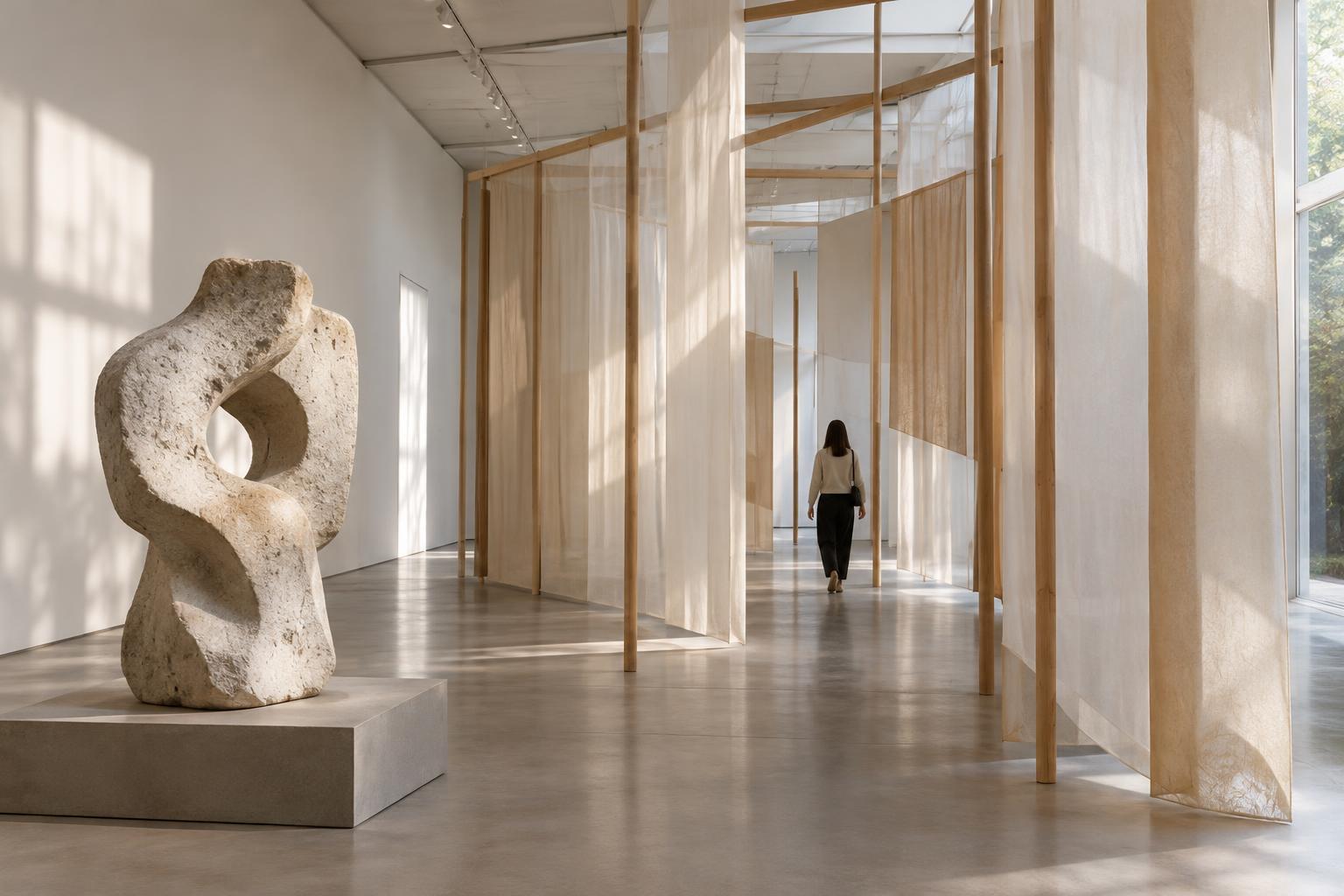
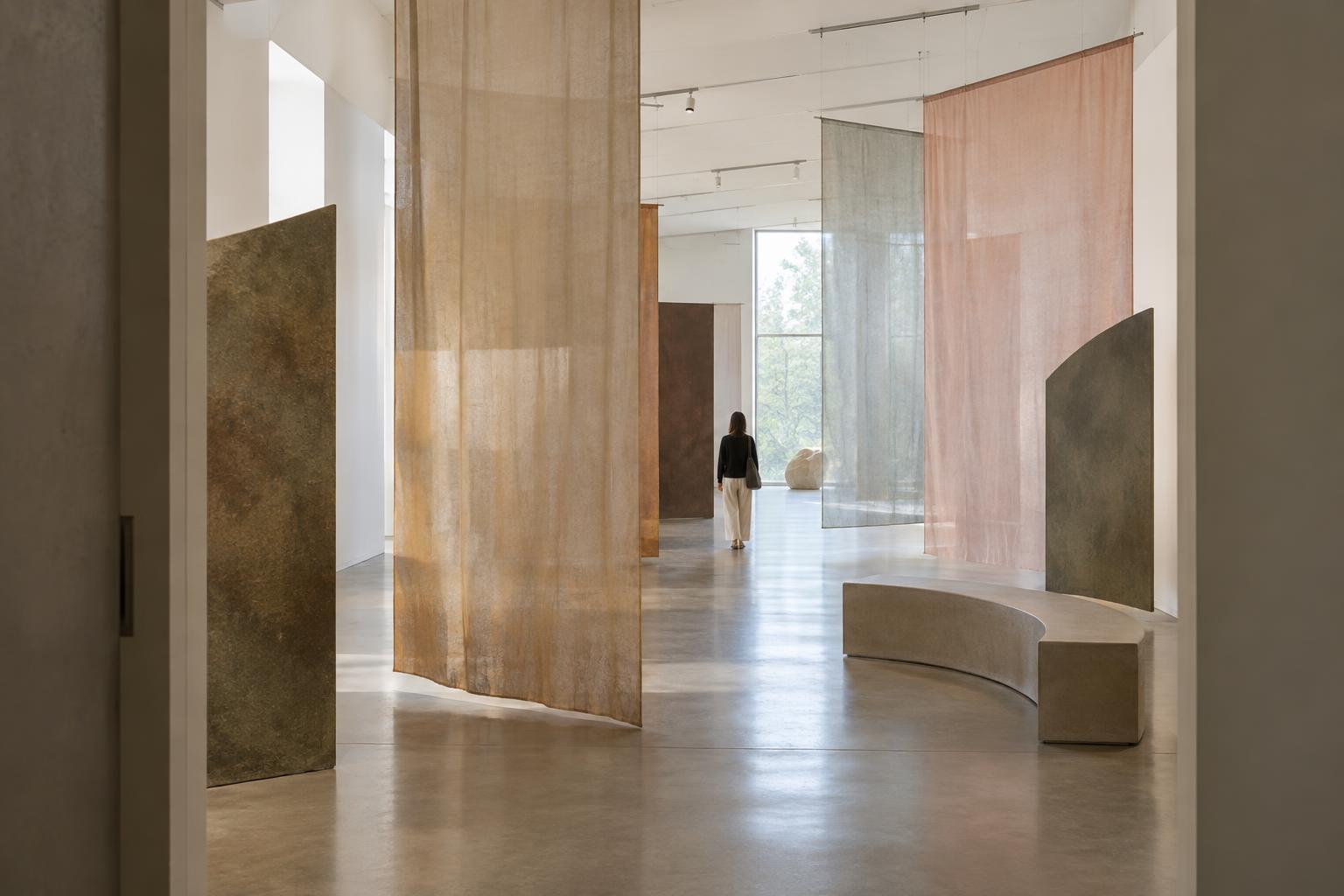
Trace a few plausible routes through the space rather than assuming everyone will follow one sequence. Include a direct route, a slower route along the walls, and a route that begins by turning toward the least prominent area. At several points on each route, ask what draws the eye, what blocks it, and whether the next step feels inviting. Sightline planning works best when it helps people choose how to explore instead of forcing them to find a single correct place to stand.
Use concealment with intention
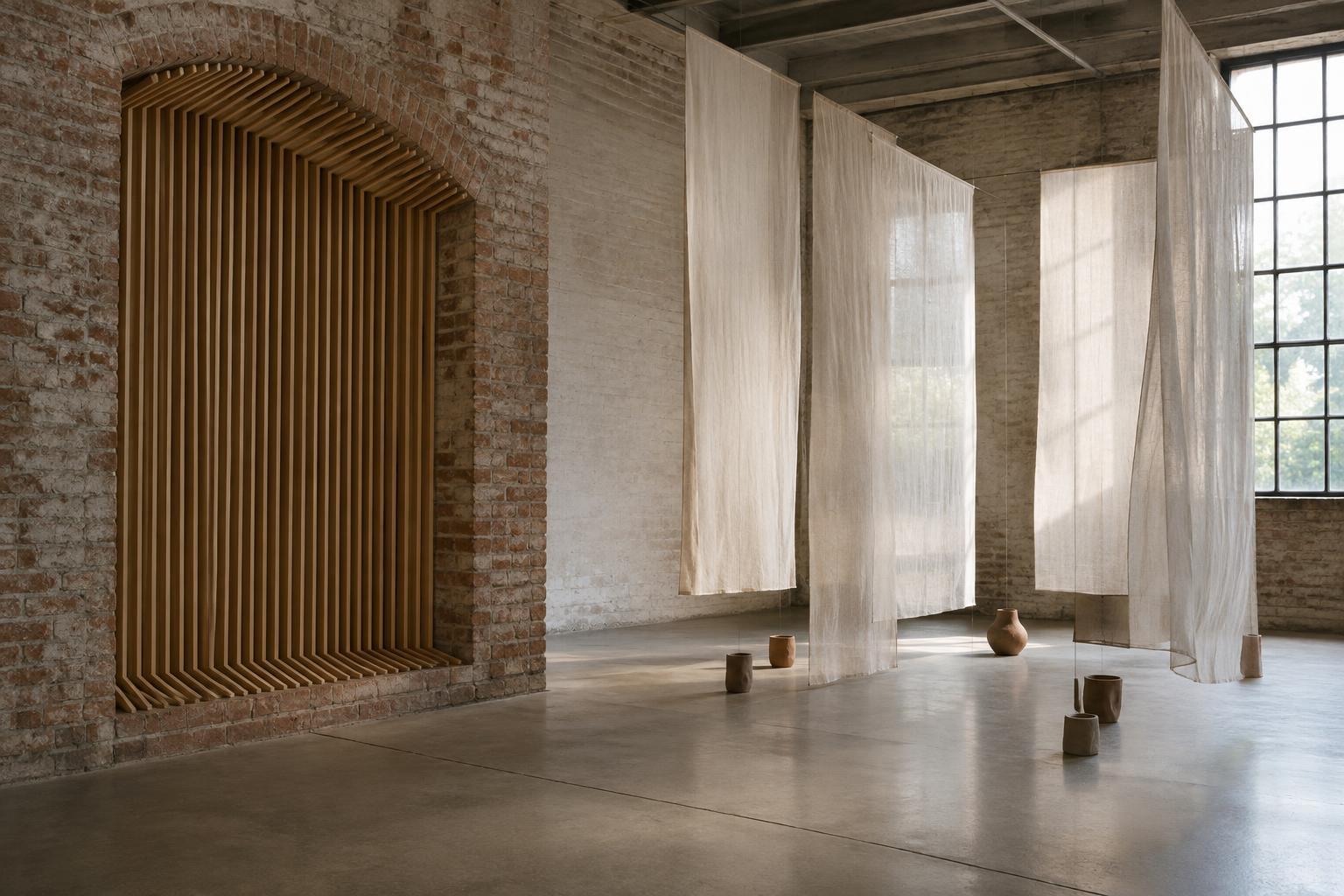
Not every obstruction is a problem. A partition, curtain, column, or large sculpture can withhold part of an installation and make a later reveal more meaningful. Partial views may connect areas that are physically separate: a small opening can let a viewer notice that a shape or color continues elsewhere. The important distinction is between deliberate concealment and accidental blockage. If a hidden element carries essential information, there should be a reasonable way to encounter it.
Check how edges line up from more than one position. A projected image may be clear from the center of a room but cut across by a support when viewed from the side. A reflective surface may unexpectedly show equipment or an adjacent work. Temporary markers made from tape, cardboard, or movable objects can help test these relationships before final placement. When possible, test under the lighting conditions intended for the installation, since shadows and glare can alter what appears visible.
Consider different heights and ways of looking
Eye level varies. A sightline that works for a standing adult may change for someone seated, a shorter visitor, or someone viewing from a greater distance. An object placed behind a plinth may disappear entirely from one of those positions. Wall text, video, and fine details can pose similar problems when their meaning depends on a narrow viewing angle. Checking several heights is a practical way to understand the work more fully, not merely a final adjustment.
Try viewing the installation while seated as well as standing, and from positions where a visitor can pause without blocking a route. Consider whether important details require someone to lean over an obstacle or enter a tight space. If a particular perspective is central to the work, make that relationship legible without assuming every viewer can occupy it. An alternate view or a clear visual connection to the same idea may preserve the experience for more people.
Test the room as a changing composition
A sightline test should include more than empty-room photographs. People become moving elements in an installation: they interrupt projections, appear in reflective materials, and temporarily block views. Lighting can shift as bodies pass through it, while sound or movement may pull attention toward something outside the intended frame. Observing a few people walk through a mock-up can reveal effects that are hard to predict from a plan.
After testing, make small changes before major ones. Rotating an object, shifting a partition, or moving a label may resolve a blocked view without weakening the overall arrangement. Revisit the entrance and several points along each route after every change; improving one angle can diminish another. The goal is not to make every element visible from everywhere. It is to understand how views open, close, and overlap, so that those changes support the installation’s experience.