Start with the site, not just the object
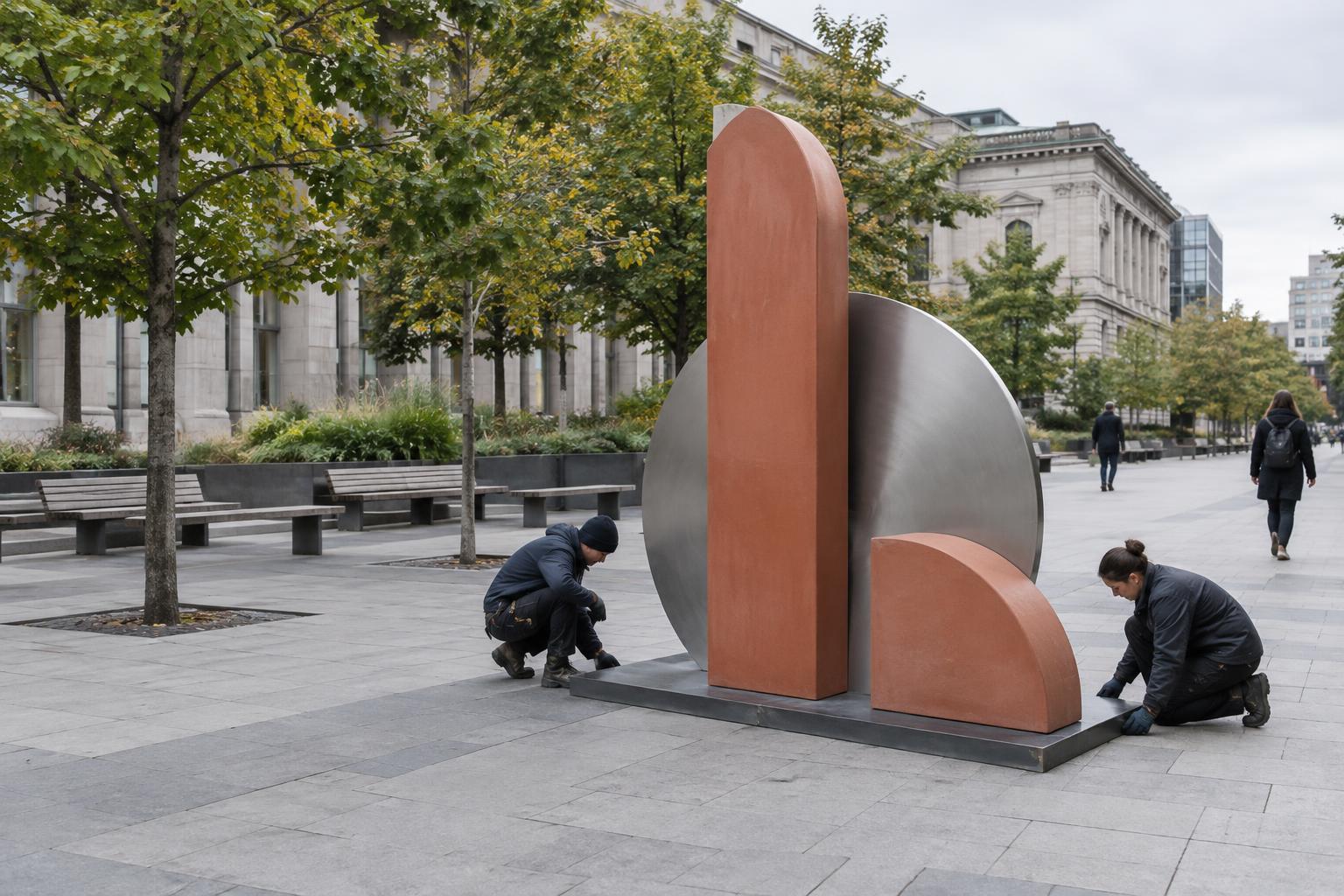
An installation changes how people move through and notice a place. A plaza, pavement, park or transit-adjacent space is not an empty gallery: it has regular users, cleaning routines, deliveries, weather exposure and sometimes other events. Before settling on a form, visit the site at different times if possible. Notice where people pause, which routes need to stay clear, what surfaces are available and how the work might look from several approaches.
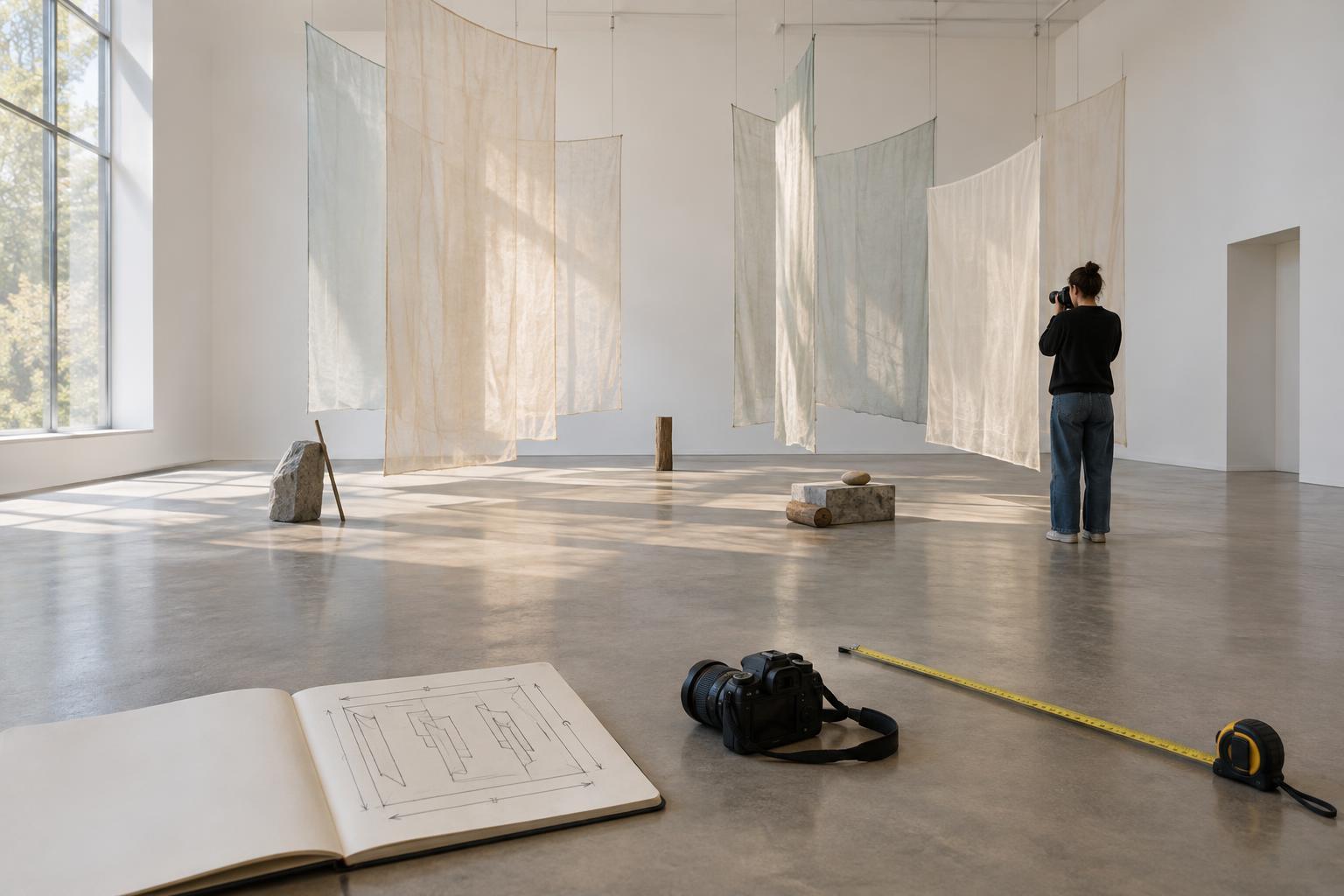
Sketch the installation as a relationship with its surroundings. Include its footprint, height, attachments, lighting, sound and the time needed to set it up. A proposal that accounts for these details is easier to discuss with a site manager than a compelling image alone. It can also reveal a better artistic solution: a work may become more engaging when it frames an existing view rather than competing with it.
Identify who can say yes
Being open to the public does not necessarily mean a place is available for an installation. The landowner, building manager or public-space administrator may control what can be placed there, while separate teams may oversee events, utilities, heritage features or routine maintenance. Permission to display a work may also differ from permission to attach it to a surface, connect power or leave it overnight.
Begin with a short description of the idea and ask who handles temporary art at the proposed site. Then prepare a concise project packet: drawings or a simple model, dimensions, materials, installation method, proposed duration, access needs and a removal plan. Ask what approvals and documents are required rather than assuming one conversation covers everything. Requirements vary by location and by project; when terms are unclear, seek guidance from the relevant site authority or a qualified adviser before committing resources.
Design for people who did not choose to enter
Unlike gallery visitors, passersby may encounter an artwork unexpectedly. Consider whether the work narrows a route, blocks sightlines, creates a tripping point or invites climbing. Think about wheelchair access, people using mobility aids, children and visitors who may not read a label before approaching. Sound, flashing light and strong scents can also affect people beyond the installation’s footprint.
Materials and construction choices matter as much as the concept. Freestanding pieces need a suitable means of stability; suspended elements and attachments need careful planning. Edges, cables and temporary barriers should be considered from the perspective of someone crossing the space in poor light or in a hurry. These questions do not have to flatten an ambitious idea. They can shape it into a work that welcomes attention without requiring the public to navigate avoidable obstacles.
Plan for weather, labor and upkeep
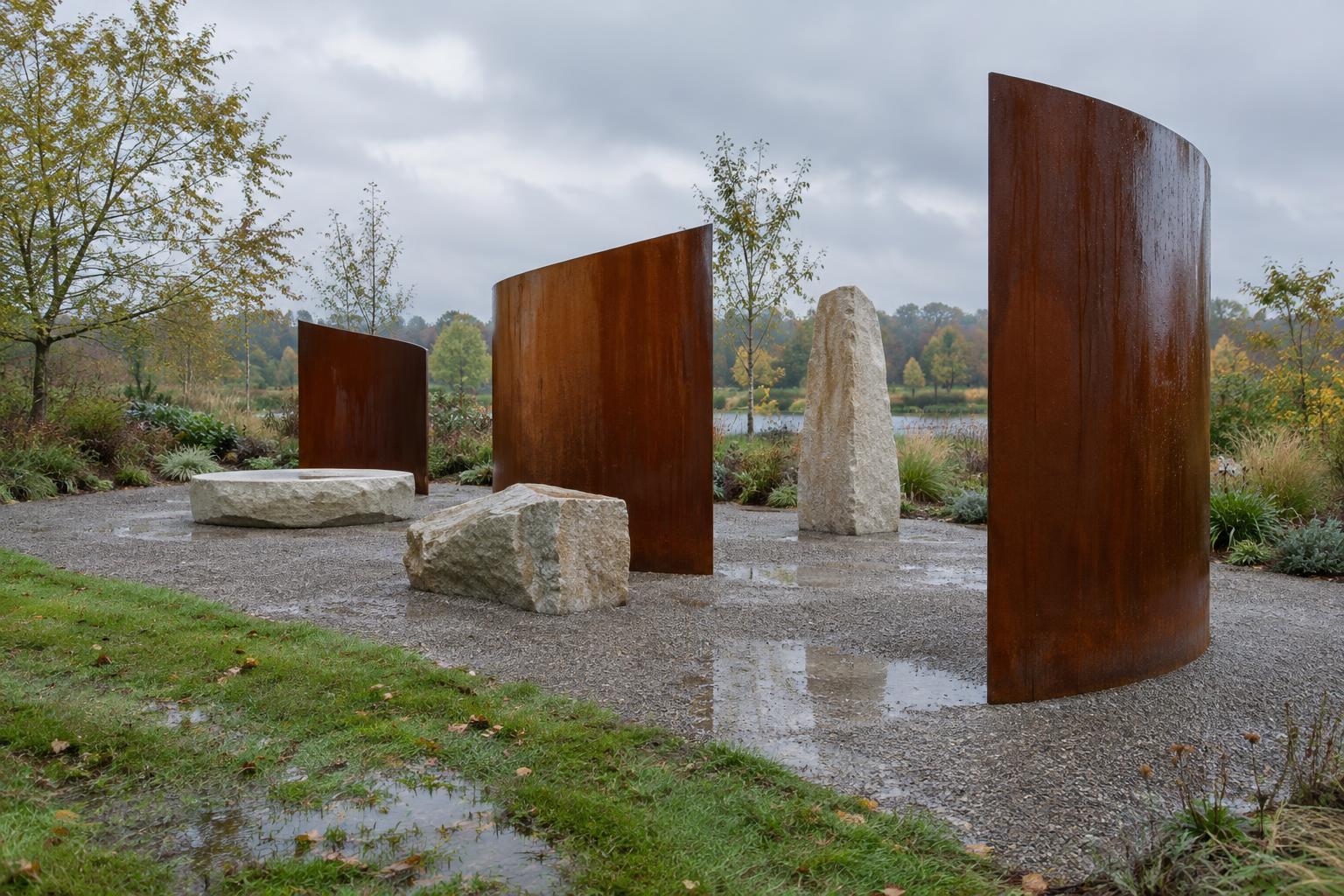
A public installation continues to change after its opening. Rain, wind, sunlight, dust and repeated touch may alter materials or legibility. If that change is part of the work, describe what is intentional and what would call for repair or removal. Test samples where feasible, especially if color transfer, water absorption or surface wear could affect the site.
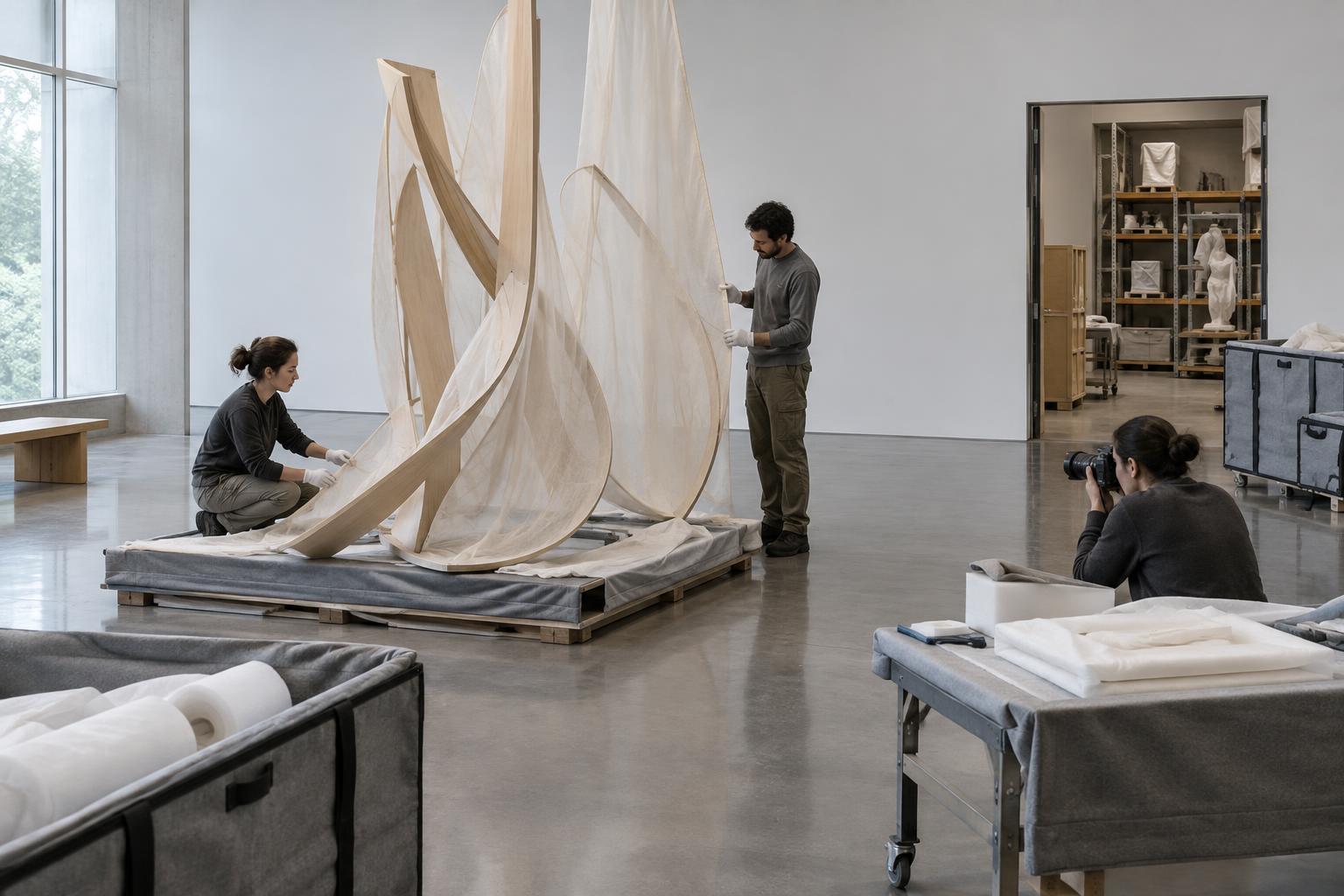
Map the work of installing and caring for the piece. Who transports it, brings tools, supervises setup and checks it during the display period? How long will the space be occupied during installation, and where will packaging go? A maintenance plan can be simple, but it should name a contact, inspection routine and response for damaged or displaced components. Budget time for these tasks alongside fabrication. Even a small work can become demanding if every adjustment requires a site visit.
Treat removal as part of the artwork
Temporary art needs a clear ending. Decide how components will be detached, moved, reused, stored or disposed of, and how the site will be left afterward. Avoid assuming that a removable material is harmless to paving, planting or painted surfaces; test or confirm its suitability before installation. Documenting the site before and after the display can help everyone agree on what has changed.
Public-space constraints can feel like interruptions to creative work, but they also clarify its purpose. A strong installation responds to the people who use the place, the systems that keep it functioning and the limits of its own materials. When permissions, access and upkeep are considered early, they become part of the design process rather than last-minute obstacles.