Begin with the work, not an imagined visitor
Installation art often asks visitors to do more than stand before an object. A work may fill a room, change as someone moves through it, or depend on sound, light, scale or proximity. That range of possibilities makes access a creative and practical question: what does a visitor need to know to approach the work, and what choices can the space offer?
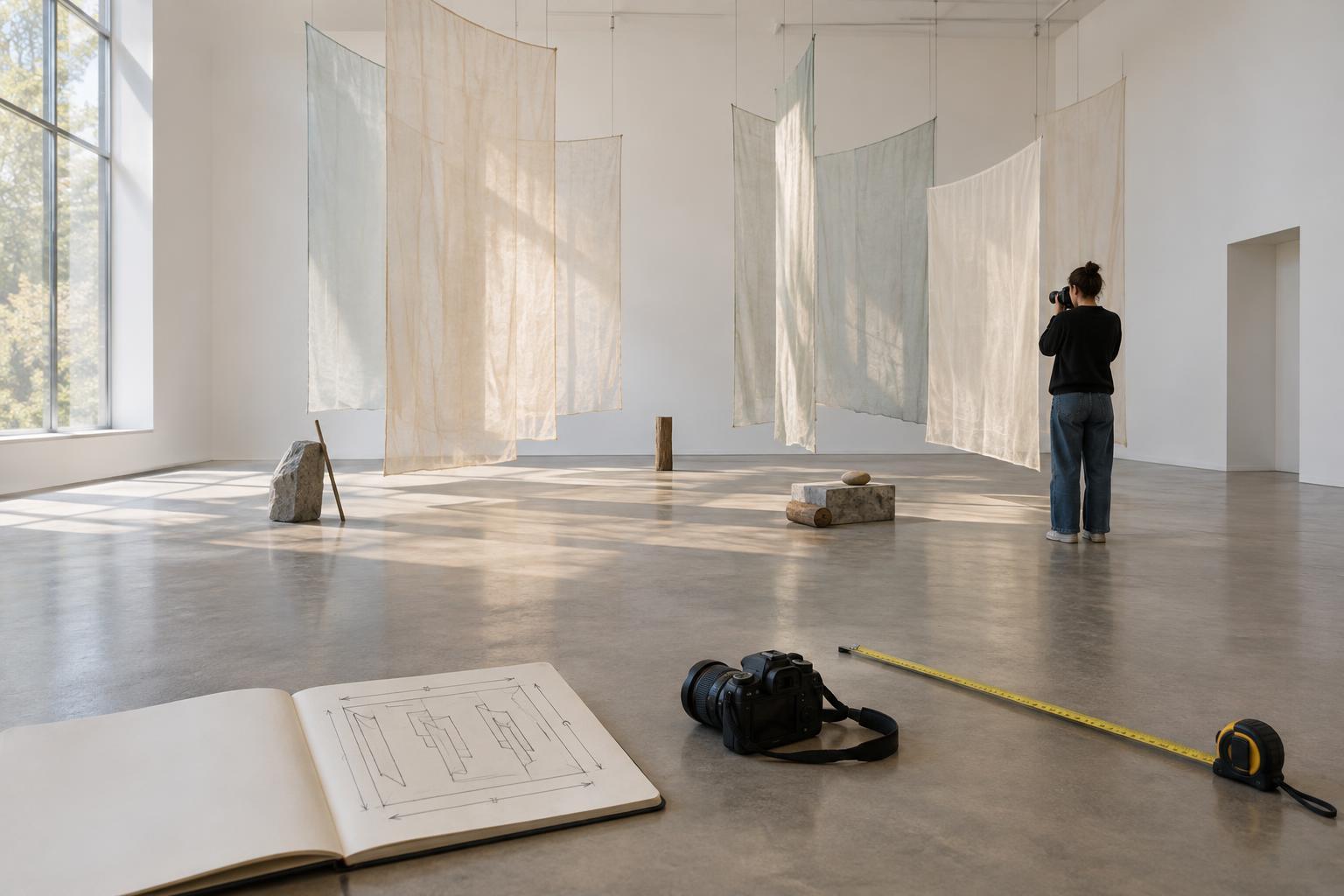
There is no single accessible version of an installation. A step-free route may matter to one person, while another needs a place to sit, a description of a visual element, or advance notice of intense sound. Start by identifying the work’s essential relationships rather than assuming how a visitor should encounter them. Is its meaning tied to walking around it, noticing a change over time, or comparing what can be seen from different positions? Those questions help separate an artistic intention from an avoidable obstacle.
Make the conditions of the space clear
Useful access information is specific. Before a visit, a description might explain whether entry involves a narrow passage, whether the room is dark, whether sound plays continuously, and whether seating is available. It should also say if visitors can leave and re-enter. Clear information lets people plan for themselves; a vague assurance that a space is “accessible” cannot convey every condition that might affect a visit.
Within the exhibition, orientation matters as much as advance information. Entrances, exits and any changes in floor level should be easy to identify. Labels and directions should be placed where people can reasonably read them without blocking a route or standing in a difficult position. When low light is important to the work, it may still be possible to clarify the path into and out of the room. The aim is not to remove every uncertainty from the art, but to avoid making basic navigation an unintended puzzle.
Offer more than one way into the work
A written description can help visitors understand the arrangement, materials and changes within an installation, including details they may not be able to see from their position. For a sound-based work, a transcript can communicate spoken words and identify significant nonverbal sounds. For a visual sequence, a concise account of what changes can provide a point of entry. These are not replacements for the installation; they are additional ways to engage with its structure and ideas.
It helps to make these options available without prescribing their use. Some visitors may want context before entering, while others may prefer to encounter the work first and read afterward. If an alternative format is offered elsewhere, tell visitors where to find it. Descriptions should distinguish observable details from interpretation, leaving room for viewers to form their own responses. Access can expand an encounter without insisting that everyone arrive at the same understanding.
Treat movement and rest as part of the experience
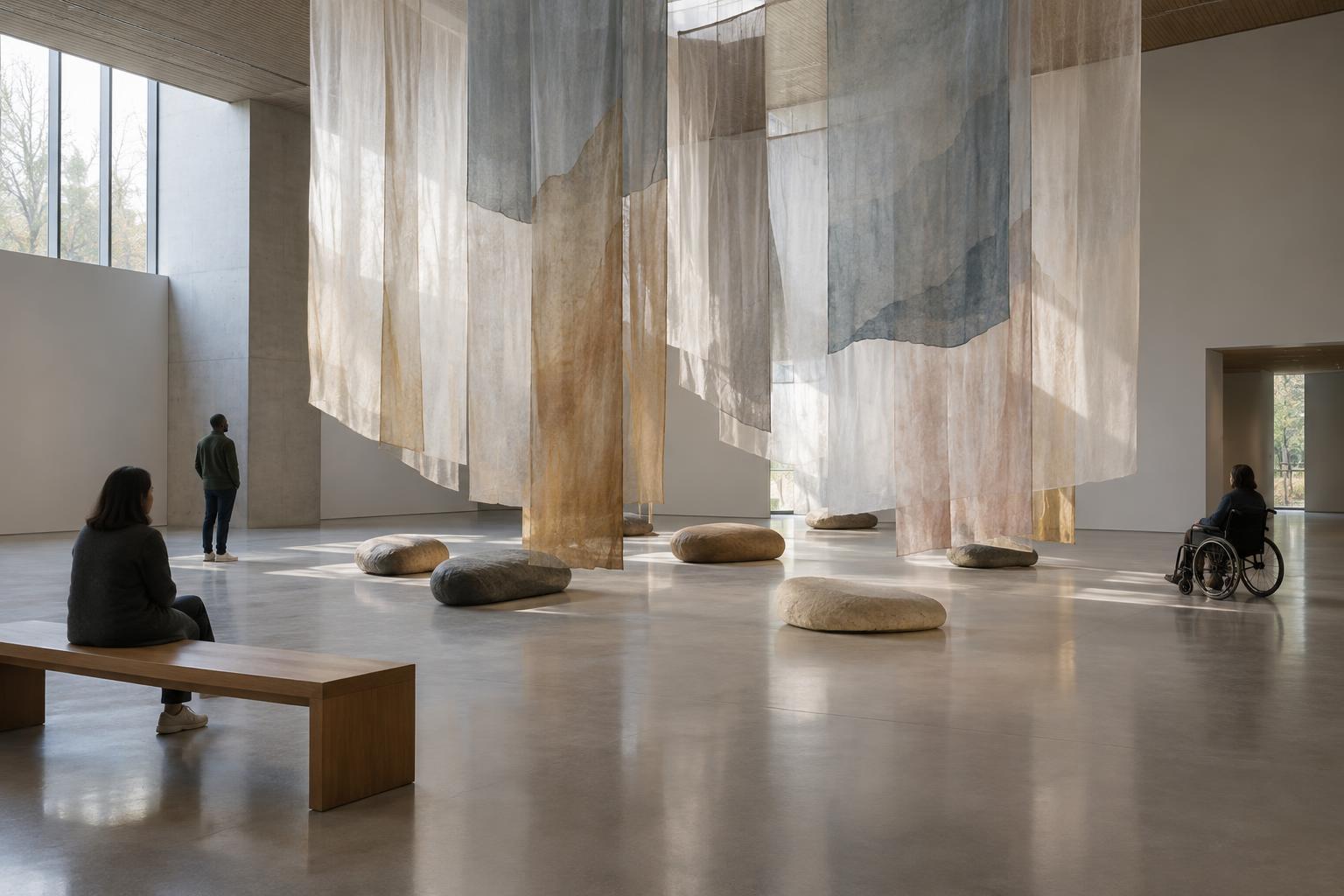
Installations can quietly assume that visitors will stand for a long time, turn quickly, crouch, or follow one continuous route. Looking at the work from several positions may be rewarding, but it should be clear when a particular action is optional. Seating, space to pause and a route that does not require every visitor to retrace a crowded path can make an extended encounter more possible.
A single prescribed route can also conceal the fact that the work changes with viewpoint. Where practical, consider what someone can perceive from a seated position or from the edge of a room. If an important element is only apparent from one location, a description can make that relationship legible without pretending that every viewpoint is identical. Accessibility does not require all experiences to be the same. It asks that differences in position do not automatically become exclusions from the work’s central ideas.
Keep access open to revision
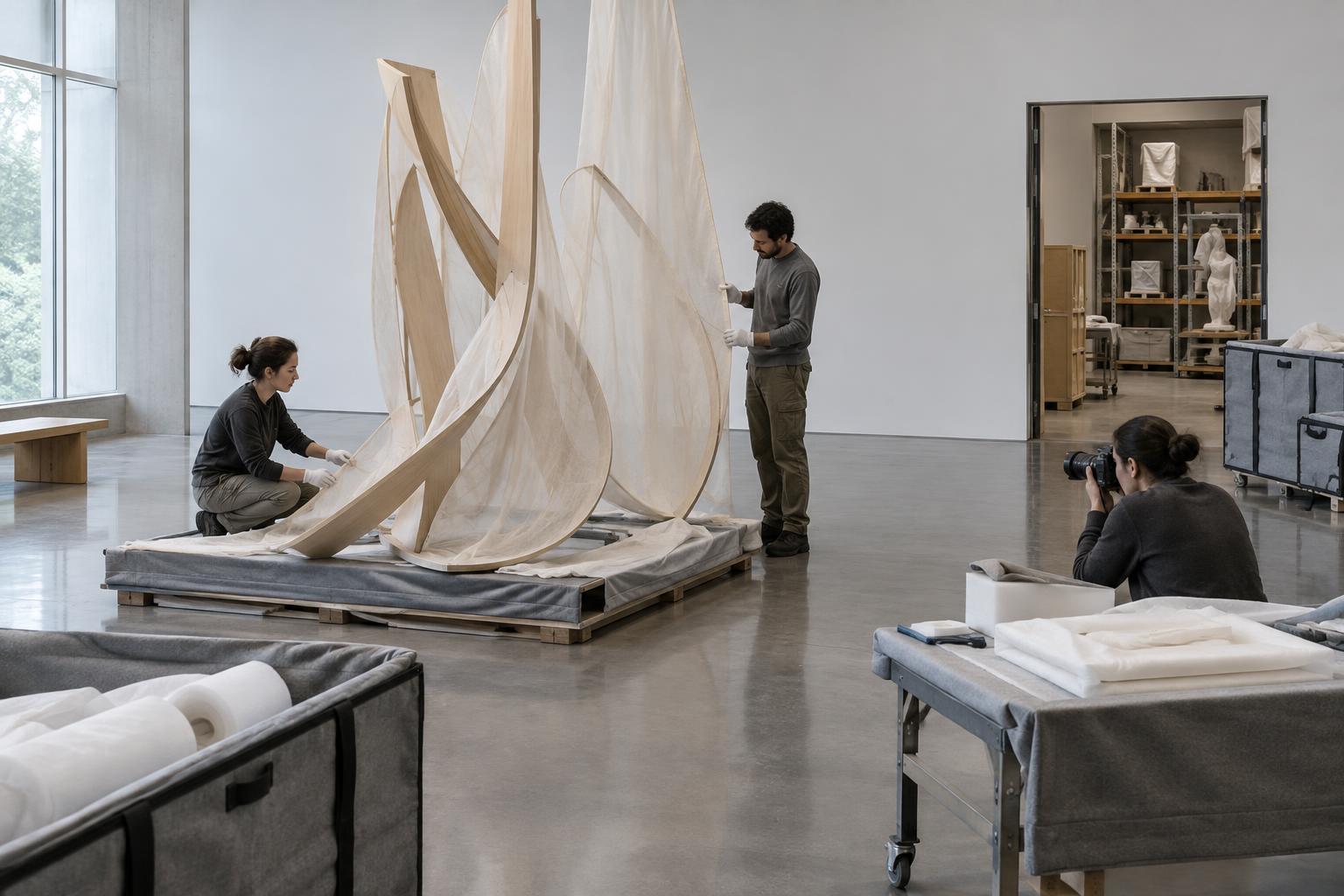
Access decisions are often made during planning, but they should not become fixed simply because an exhibition has opened. Watching where visitors hesitate, asking for feedback without demanding personal disclosures, and checking whether promised formats are actually easy to find can reveal problems a floor plan missed. Artists, installers, interpreters and visitor-facing staff may notice different barriers; their observations can be brought together without treating any one person as a stand-in for all visitors.
The strongest approach is neither to solve accessibility with a checklist nor to use artistic ambiguity as a reason to withhold basic information. Installation art can remain surprising, demanding and open-ended while giving people clearer routes, meaningful alternatives and the freedom to choose how closely or how long to engage. Access, understood this way, is part of shaping the encounter rather than an explanation added after the work is complete.