Art that includes the space around you
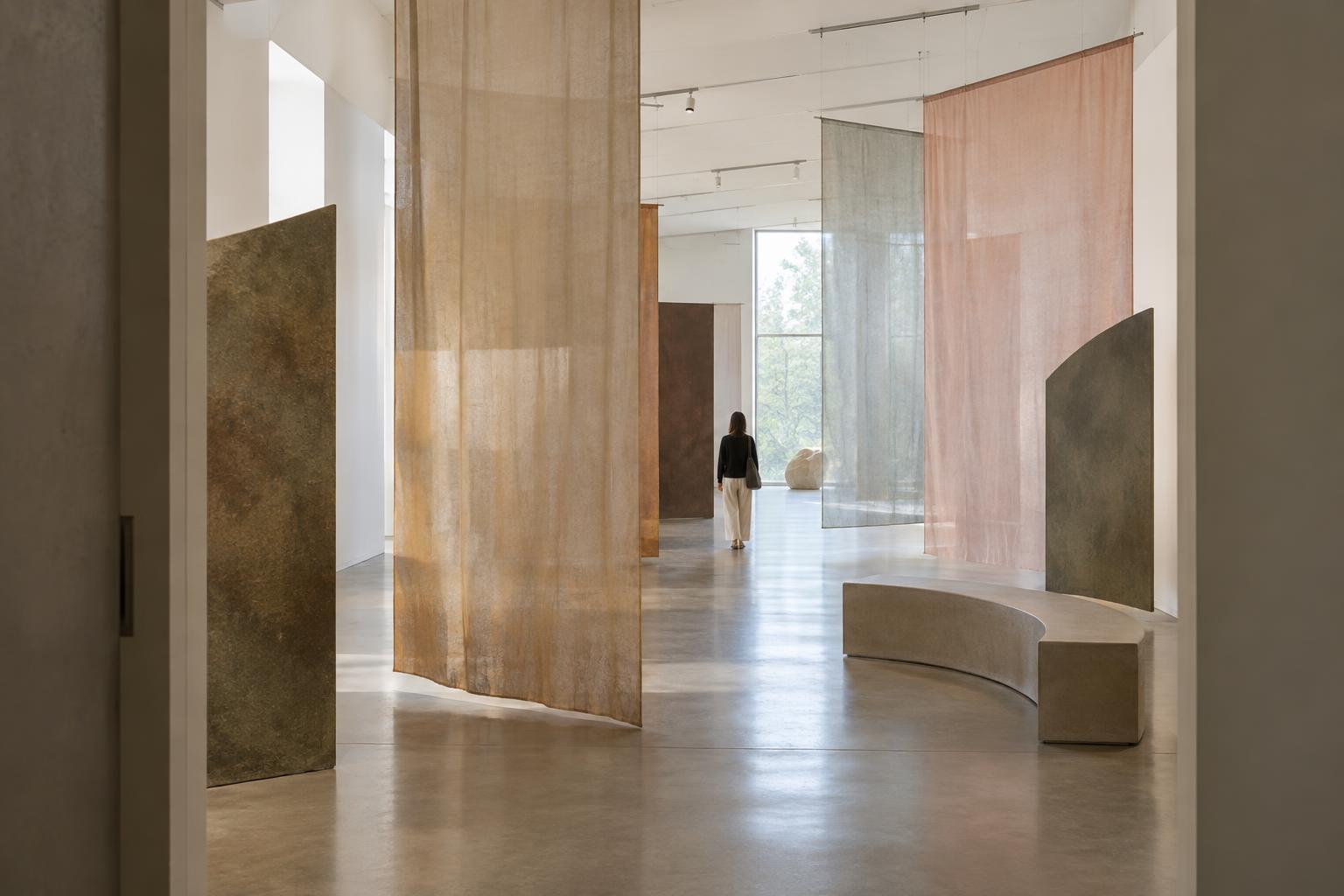
Installation art is artwork arranged in a space so that the space itself becomes part of the experience. Rather than looking only at an object on a wall or a sculpture on a plinth, you may walk into a room of suspended fabric, follow a line of light across a floor, or hear sounds that change as you move. The work is not necessarily something you can enter physically, but it asks you to notice the relationship between its elements and their surroundings.
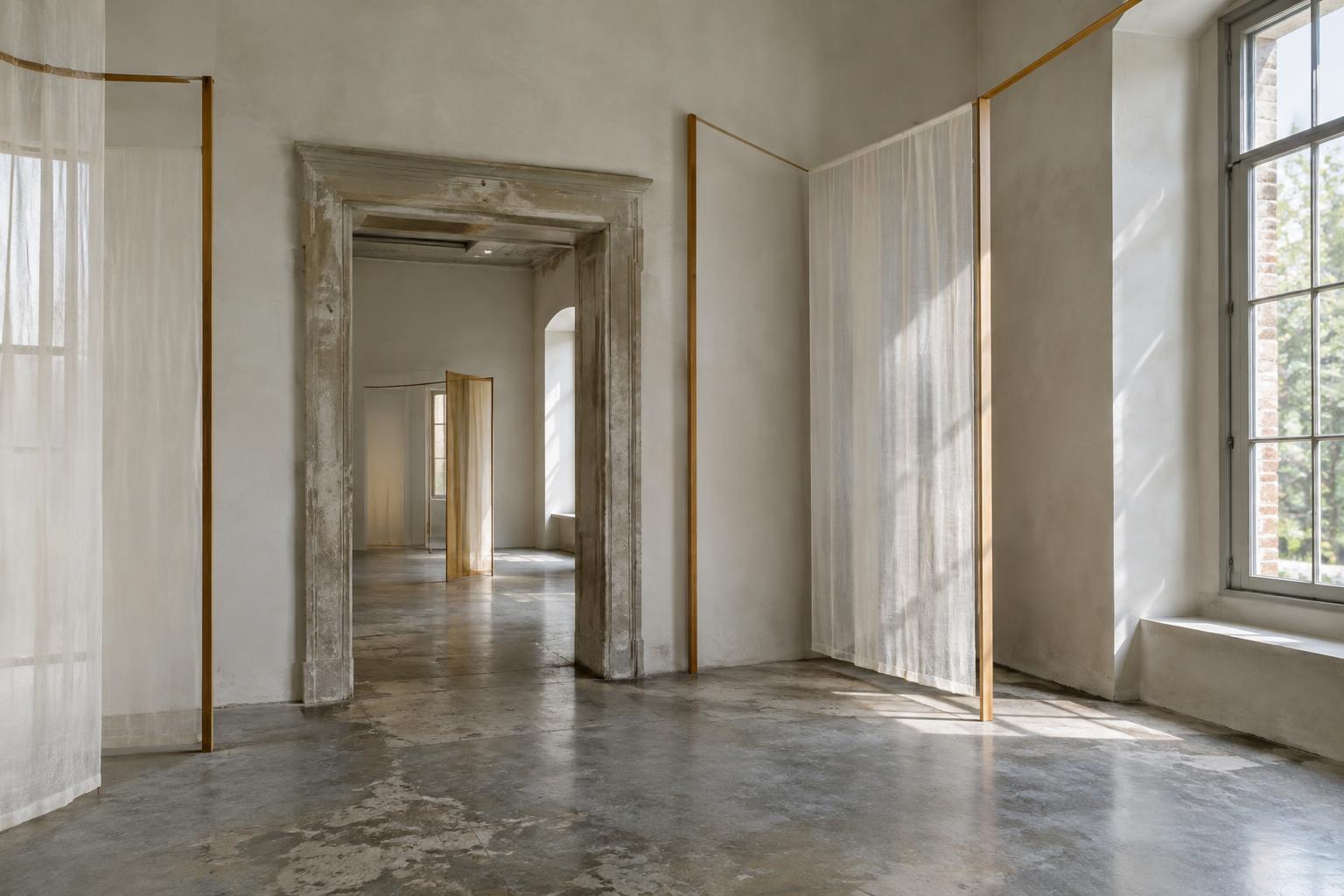
An installation can occupy a gallery, a hallway, an outdoor site or another setting. It may be made for one particular place, or adapted when shown elsewhere. Its boundaries can be difficult to identify: a doorway might frame your first view, while an empty corner might be just as deliberate as a cluster of objects. A useful starting question is not simply “What is it?” but “What has been arranged here, and how does that arrangement affect me?”
Why your position matters
In many installations, there is no single best viewpoint. What you see from the entrance may differ from what you see after turning a corner or crouching to look beneath a structure. Your pace matters too. A reflective surface may reveal something only as you pass it; a sound may become clearer when you stop. These changes make your movement part of how you encounter the work, even if you are not actively changing it.
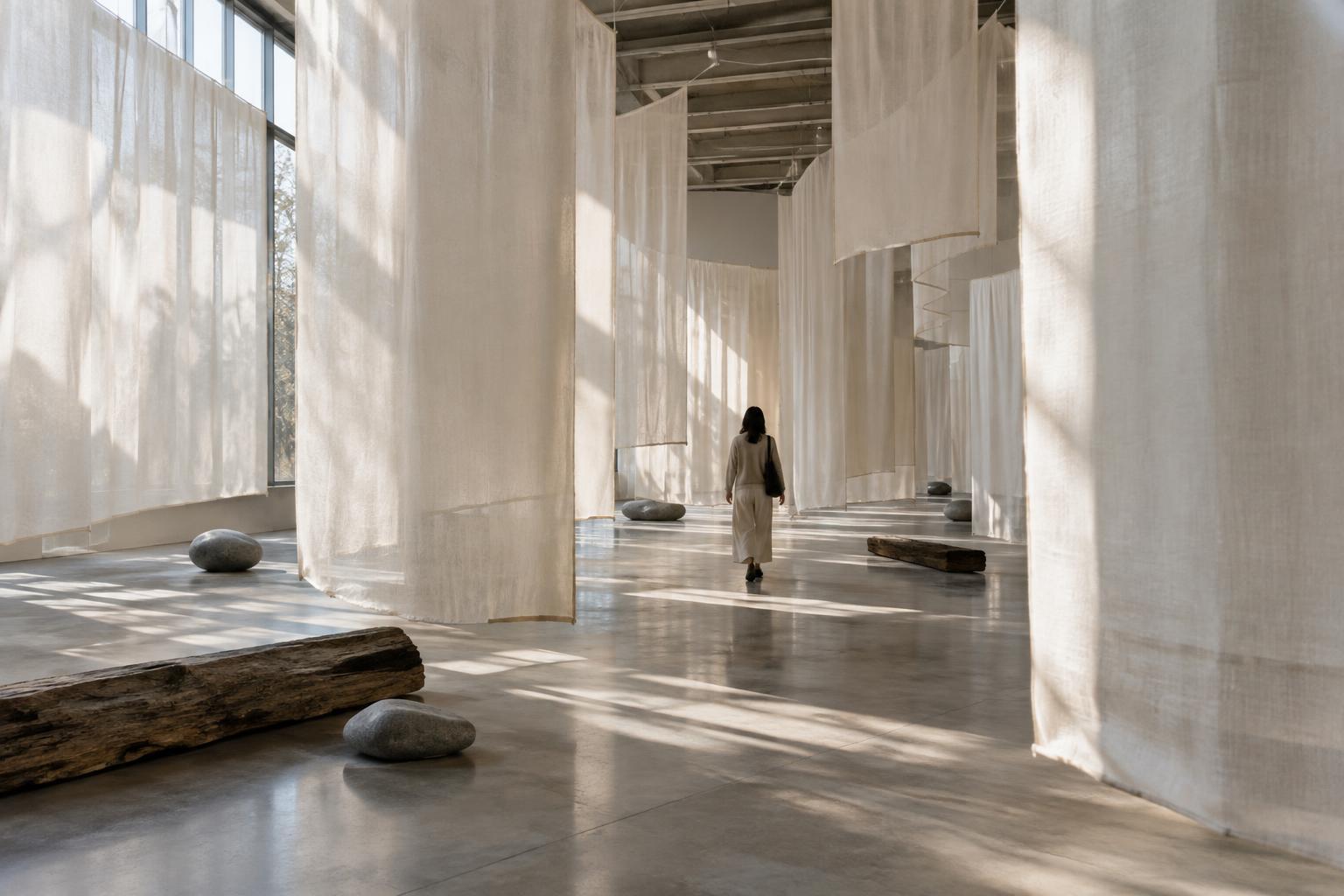
Pay attention to the route the space suggests. Are you invited to move freely, guided along a narrow path, or kept at a distance? Each choice can shape feelings of openness, curiosity or unease. Other visitors may affect the experience as well: they can block a view, cast shadows or make the scale of an otherwise empty room easier to sense. You do not need to find a hidden message in every detail. First, notice what changes as your position changes.
Materials do more than fill a room
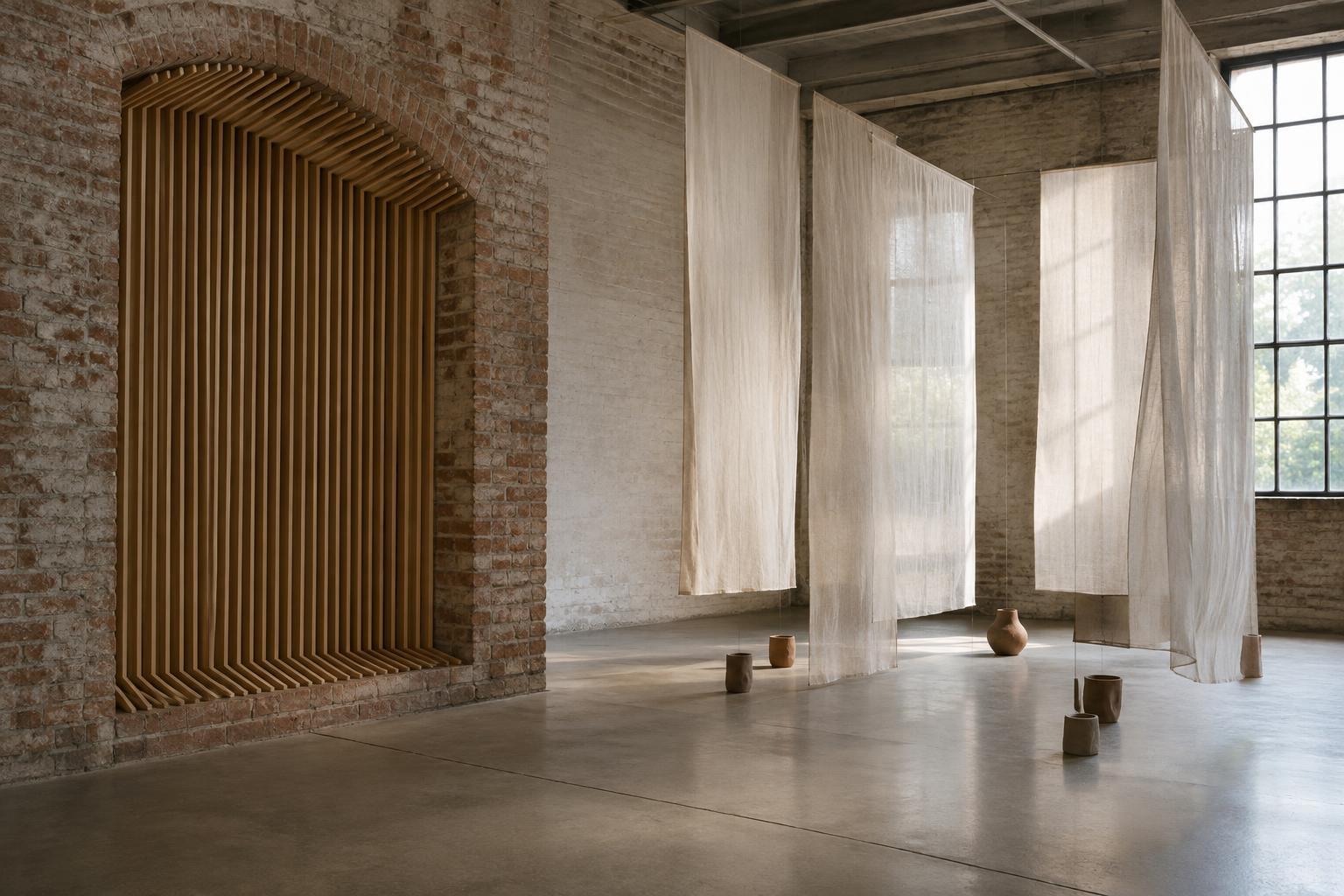
Installation artists may work with familiar materials such as paper, cloth, wood and found objects, or with light, video, sound and air movement. The material choices help establish how a place feels. Soft fabric might slow your gaze and soften a hard-edged room. A repeated object might create a rhythm that draws you across a floor. The same material can suggest different things depending on its quantity, placement and lighting.
Try separating what a material is from what it does. A sheet of plastic might reflect light, divide a room, rustle when air moves through it, or make the space beyond it seem unreachable. Those effects may be more important to your experience than the material’s everyday use. You can also look for contrasts: heavy and light, smooth and rough, dense and sparse. Such relationships often give an installation its structure without telling a single, fixed story.
Reading the site and the choices behind it
Some installations respond closely to their location. A work might draw attention to a high ceiling, interrupt a familiar walkway or use the changing daylight of an outdoor setting. In these cases, imagining the same objects elsewhere helps clarify the role of the site. Would the work still feel the same in a smaller room, under different light or away from the surrounding activity?
An exhibition label can offer a title, materials or context, but you can begin with your own observations. Look for what seems intentionally included and what has been left open. Notice whether you can see how the work was assembled, or whether its construction is concealed. These are not tests with one correct answer. They are ways to move from an initial impression toward a more specific account of what the work is doing.
How to visit an installation
Before stepping in, check any signs or guidance about where you may walk and what you may touch. Being able to enter a work does not automatically mean its objects are interactive. Then take a moment at the edge to look and listen. Move through at a comfortable pace, pause at a few points, and look back toward where you started. A return view may make the arrangement easier to understand.
If the experience feels puzzling, describe it in concrete terms: where the light falls, which sounds are near or distant, what your body must do to navigate the space. You might then ask how those details connect to an idea or mood. Installation art does not require you to solve it before you can appreciate it. It offers a different kind of attention—one in which the room, the artwork and your presence meet.