Two practices with a shared public focus
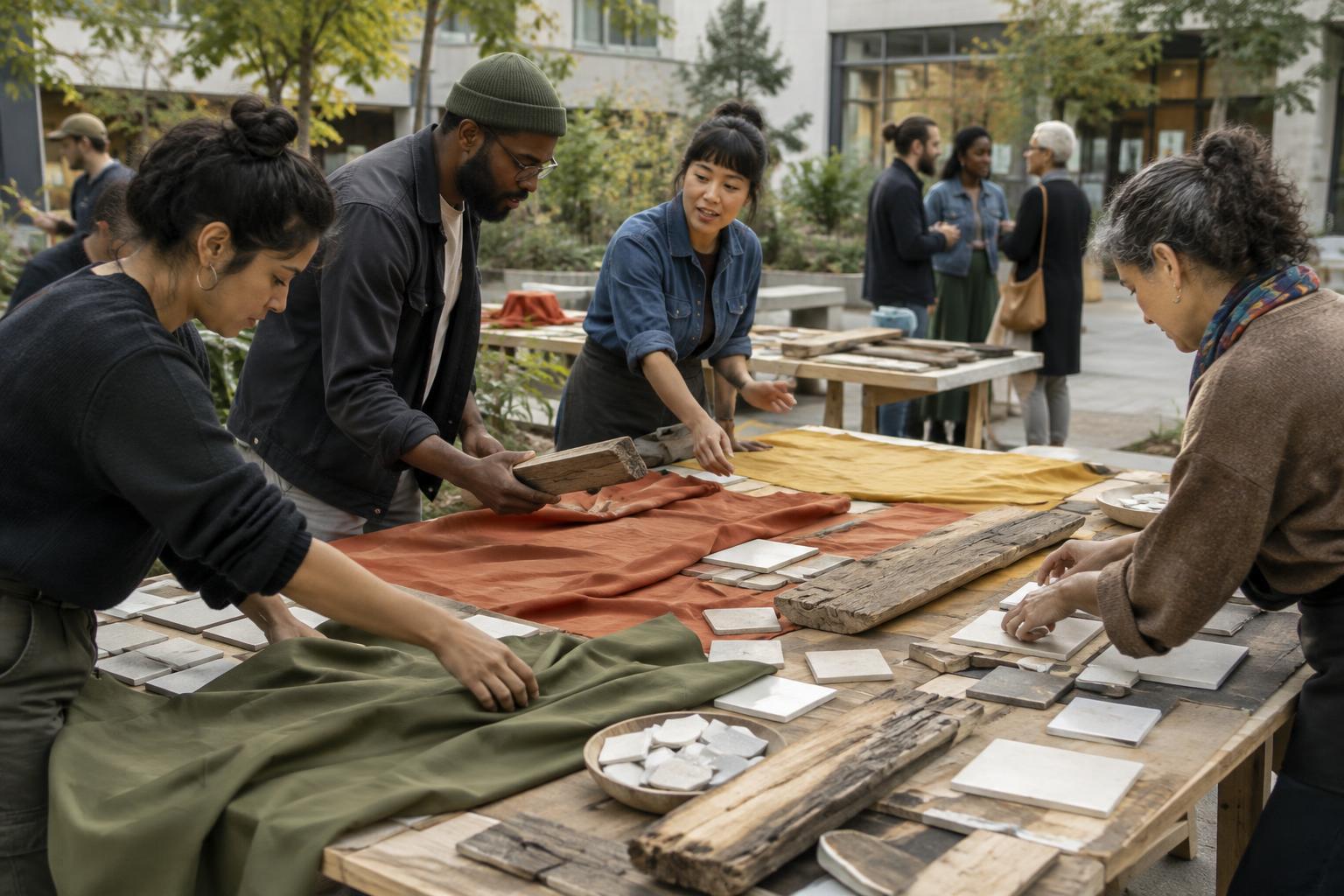
Social practice art uses relationships, participation, and collective activity as part of an artwork. A project might take the form of a shared meal, a temporary gathering place, a workshop, or a process for exchanging stories. Its materials are not limited to physical objects: time, conversation, trust, and the conditions of a meeting can also shape the work.
Activism, broadly understood, is organized effort to change a social condition, policy, institution, or public attitude. It may involve education, mutual aid, protest, or other forms of collective action. Like social practice art, it often depends on people working together in public. Both can ask who has power, who is heard, and what might be done differently.
That overlap can make labels difficult. A participatory artwork may support a campaign, while an activist action may be visually inventive and emotionally affecting. Neither a gallery setting nor an artistic appearance settles the question. It helps to ask what a project is trying to do, how it works, and to whom it is accountable.
Different measures of success
An activist project generally has a change it seeks to advance, even if that change is long-term or difficult to measure. Its participants may judge progress by whether a demand gains support, a resource reaches people, or an institution alters its behavior. Clear aims can help a group decide which actions are useful and when to change course.
Social practice art may also seek change, but it can leave more room for ambiguity, reflection, or outcomes that were not planned in advance. A project might create a setting in which neighbors encounter unfamiliar views without proposing a single solution. Its value may lie partly in the experience of participation, the questions it opens, or the ways it makes ordinary social arrangements visible.
These are tendencies, not rules. An artwork can have concrete objectives, and activism can involve experimentation and open-ended learning. The distinction becomes most useful when a project claims both artistic and social value. Asking what success would mean to the artist, participants, and affected community can reveal whether those groups share the same expectations.
How context changes the encounter
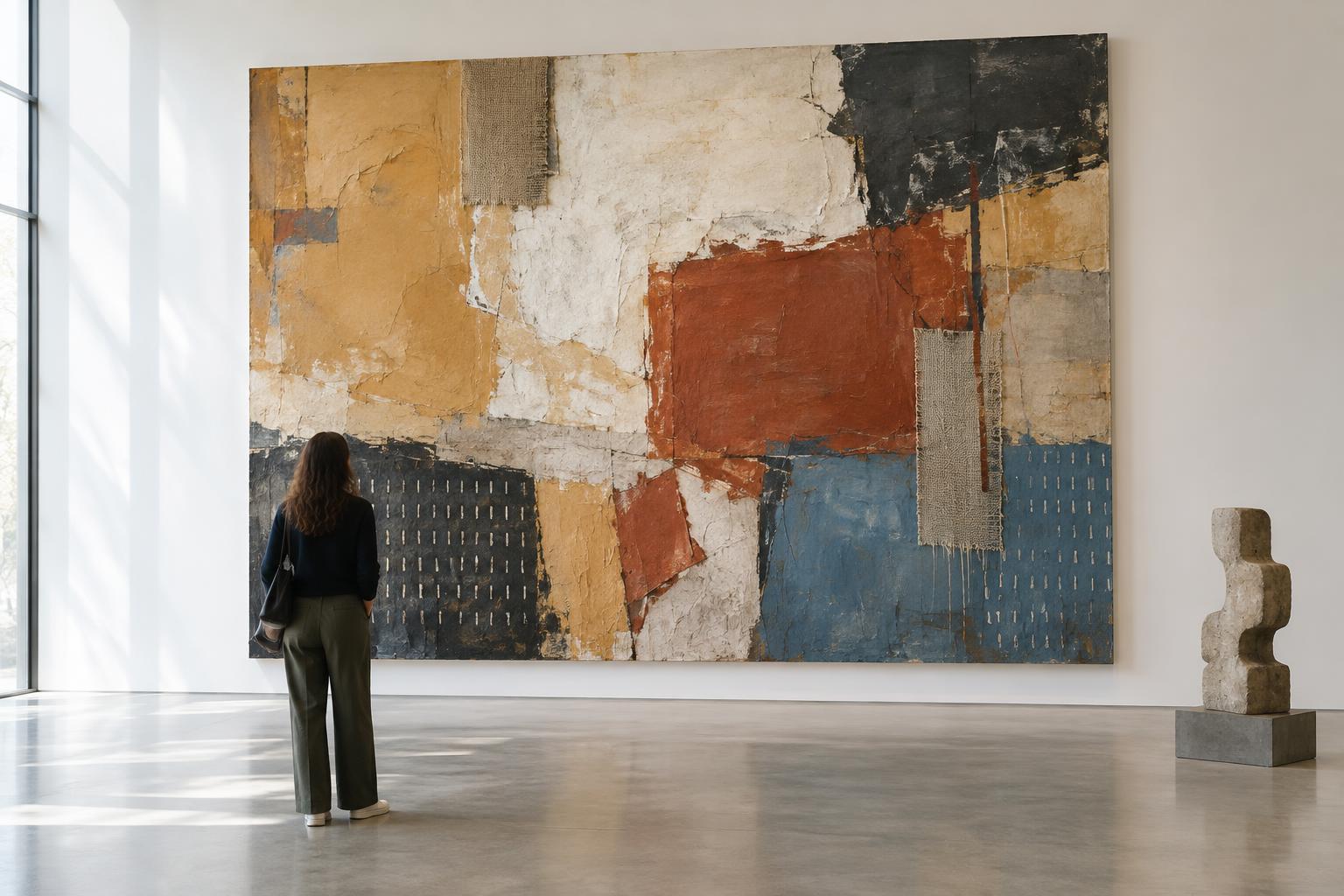
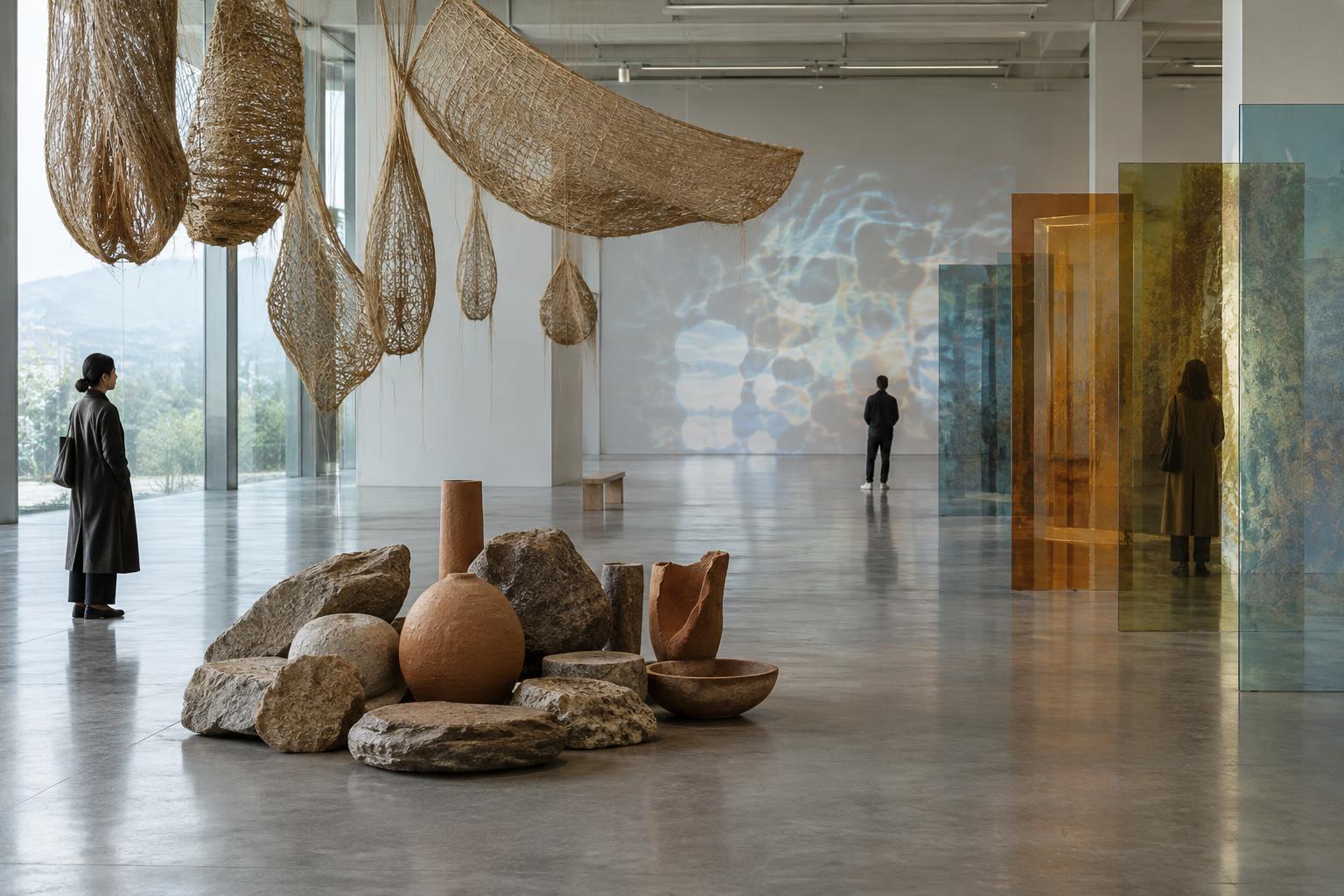
Where a project happens influences how it is understood. In a museum, visitors may expect to interpret an activity as art, even when it resembles a meeting or a service. Outside an art venue, people may encounter the same activity as a neighborhood event, a campaign, or simply a useful place to spend time. Neither reading is automatically more accurate; each draws attention to different parts of the project.
Institutional support also brings practical questions. A gallery may provide space, funding, and visibility, while setting limits on hours, access, or decision-making. A community organization may offer local knowledge and ongoing relationships that an exhibition cannot provide. When partners bring different resources to a project, it matters who gets to define its purpose, document its results, and receive credit.
For viewers, the most revealing details are sometimes modest ones. Who invited participants? Could they decline or change the activity? What remains after the event ends? Such questions move interpretation beyond whether a project looks like art or activism and toward the structure of the encounter itself.
Participation carries responsibilities
Calling participation an artistic material does not make participants interchangeable. People bring their own needs, histories, and reasons for taking part. A conversation that seems generative to an artist may feel demanding or exposed to someone asked to share a personal experience. Clear invitations, meaningful choices, and care in how stories or images are used can help make a project more respectful.
Activist work faces related responsibilities, especially when speaking on behalf of others or asking people to take public risks. The two fields may differ in their immediate goals, but both benefit from attention to consent, access, and the distribution of labor. A project should not be assumed to serve a community simply because it takes place in that community or includes its members.
Accountability can be considered at several stages: who helped develop the idea, who can shape it while it is happening, and who can question its portrayal afterward. These questions do not guarantee agreement. They do, however, make visible the relationships on which a participatory project depends.
Reading the overlap without forcing a label
When looking at a project that combines art and civic action, begin with its specific choices rather than a fixed definition. Notice its stated aims, the forms of participation it offers, the place where it unfolds, and the audience it addresses. Consider both the experience it creates and any change it asks people to make.
The boundary between social practice art and activism can remain productive precisely because it is unsettled. Art can give people space to test ideas without requiring immediate agreement; activism can organize shared attention toward a specific need. A project may draw on both capacities. Understanding the difference does not require choosing one label once and for all. It requires looking closely at what people do together, and at what that doing makes possible.