Ecology as a subject and a way of working
Ecology in contemporary art is not a single style. An artist might depict a damaged landscape, build an installation from discarded objects, invite people to tend a garden or examine how a city manages water. These works differ in appearance and purpose, but each asks viewers to notice relationships among people, other living things, materials and places.
An environmental theme does not automatically make a work environmentally responsible. A large installation about waste, for example, may require substantial new materials and transport. That tension need not invalidate the work, but it is worth considering. Looking at ecological art involves asking two related questions: What does the work help us understand, and how was the work made, shown and maintained?
Making environmental change visible
Some artists approach ecology through representation. Drawings, photographs, video and sculpture can direct attention to a riverbank, a patch of disturbed ground or a plant growing through pavement. Rather than presenting a sweeping account of environmental change, a work may focus on a small detail that viewers can examine closely. Scale, framing and repetition can make familiar surroundings appear less settled than they first seem.
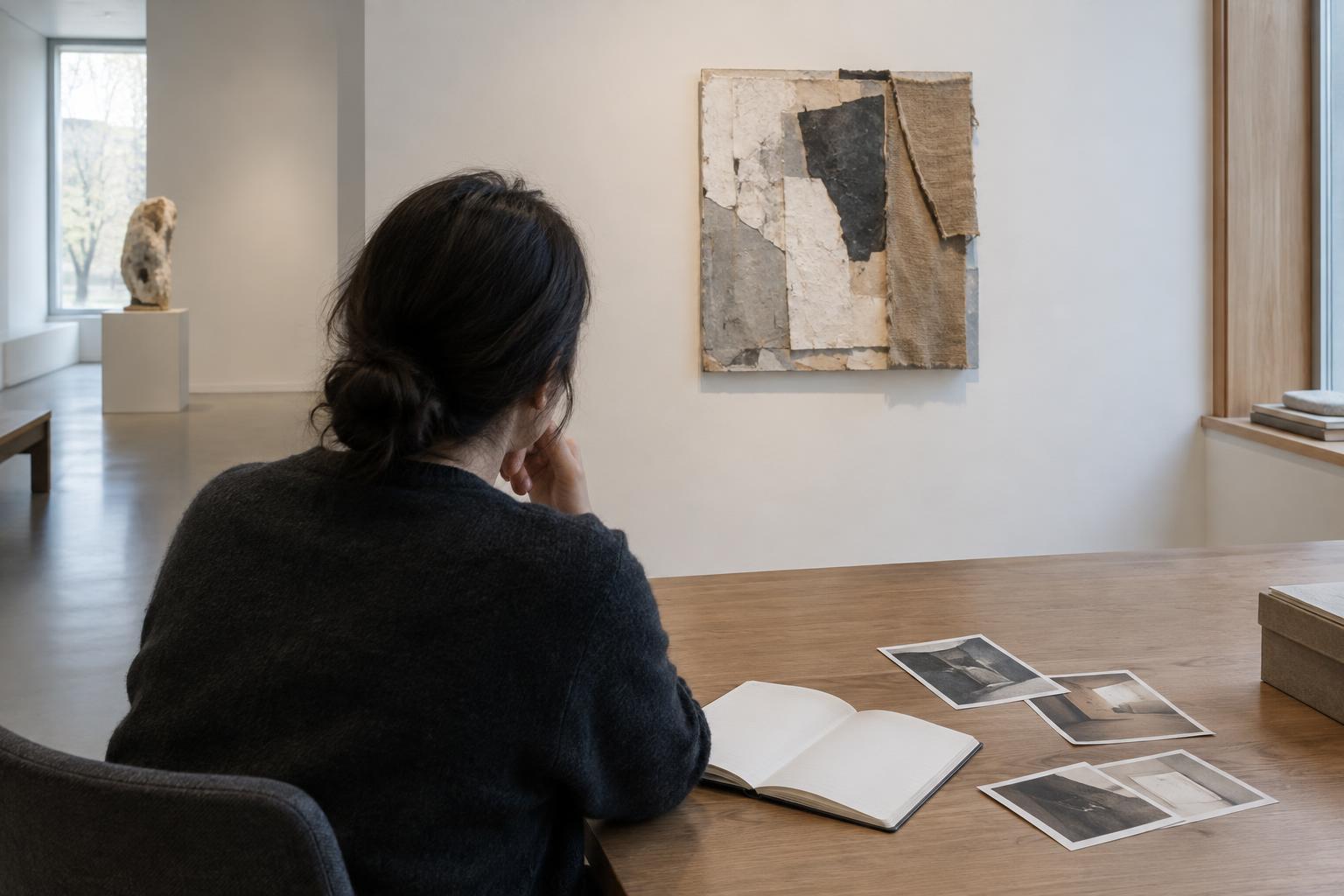
Other works use maps, collections or repeated observations to suggest changes that unfold gradually. These forms can be persuasive, but they also require care from the viewer. An artwork may combine fact, memory and speculation; its purpose is not necessarily to function as a scientific record. Ask what the artist has chosen to show, what remains outside the frame and whether the work makes clear the difference between observation and interpretation.
Materials carry their own questions
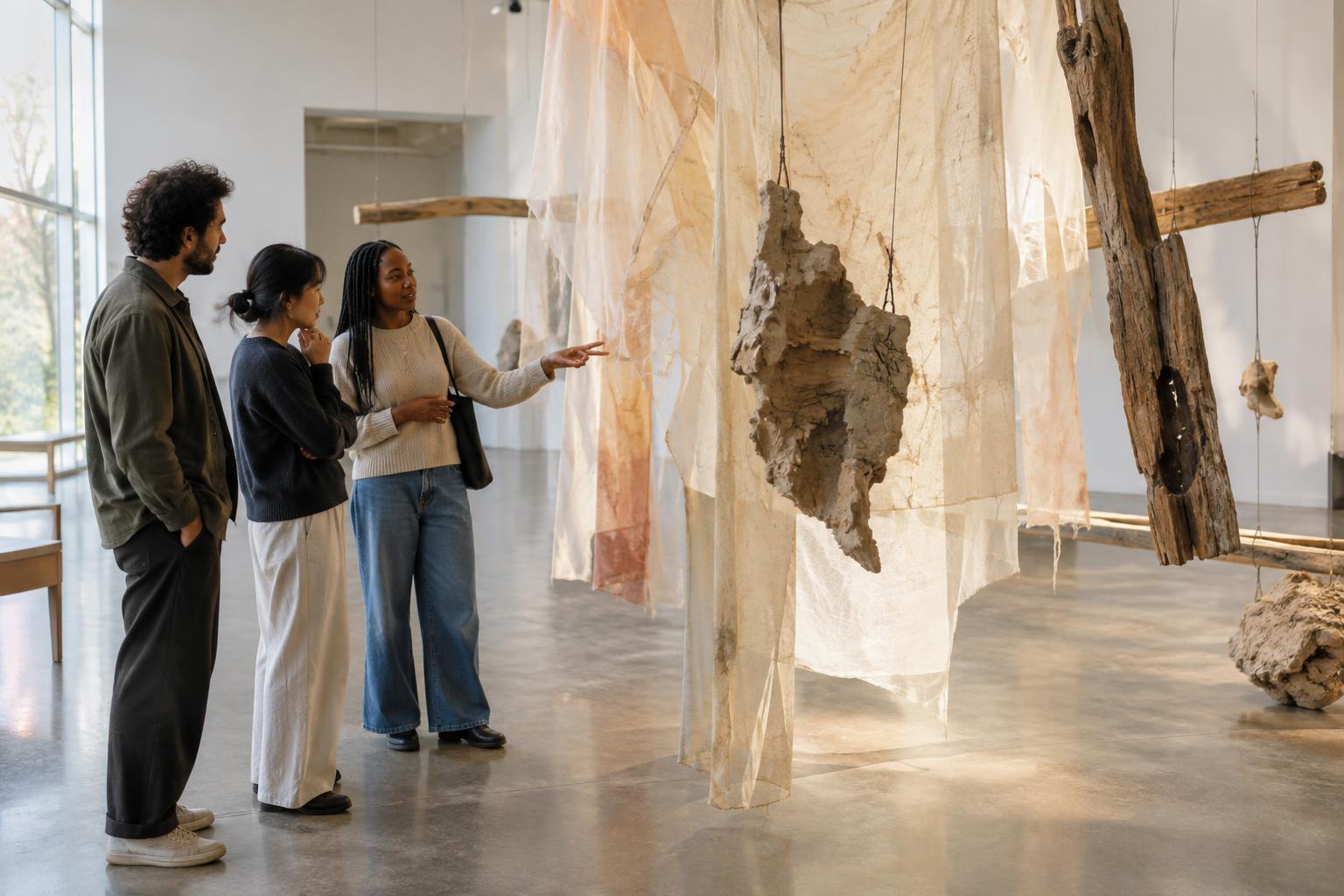
For many artists, materials are more than a means of illustrating an idea. Salvaged wood, packaging, soil, plant matter or reused fabric can bring traces of previous uses into a work. The marks on a piece of timber, for instance, may become part of its meaning rather than something to conceal. An artist might also choose processes that allow an object to be repaired, rearranged or disassembled after an exhibition.
No material choice is simple. Found objects still need to be collected and transported, while natural materials may be fragile or unsuitable for a particular space. A reused component is not automatically the least resource-intensive option if it needs extensive treatment or cannot be used again. Instead of treating one material as inherently virtuous, consider its source, the work it requires, its expected lifespan and what might happen to it afterward.
Working with a place rather than merely occupying it
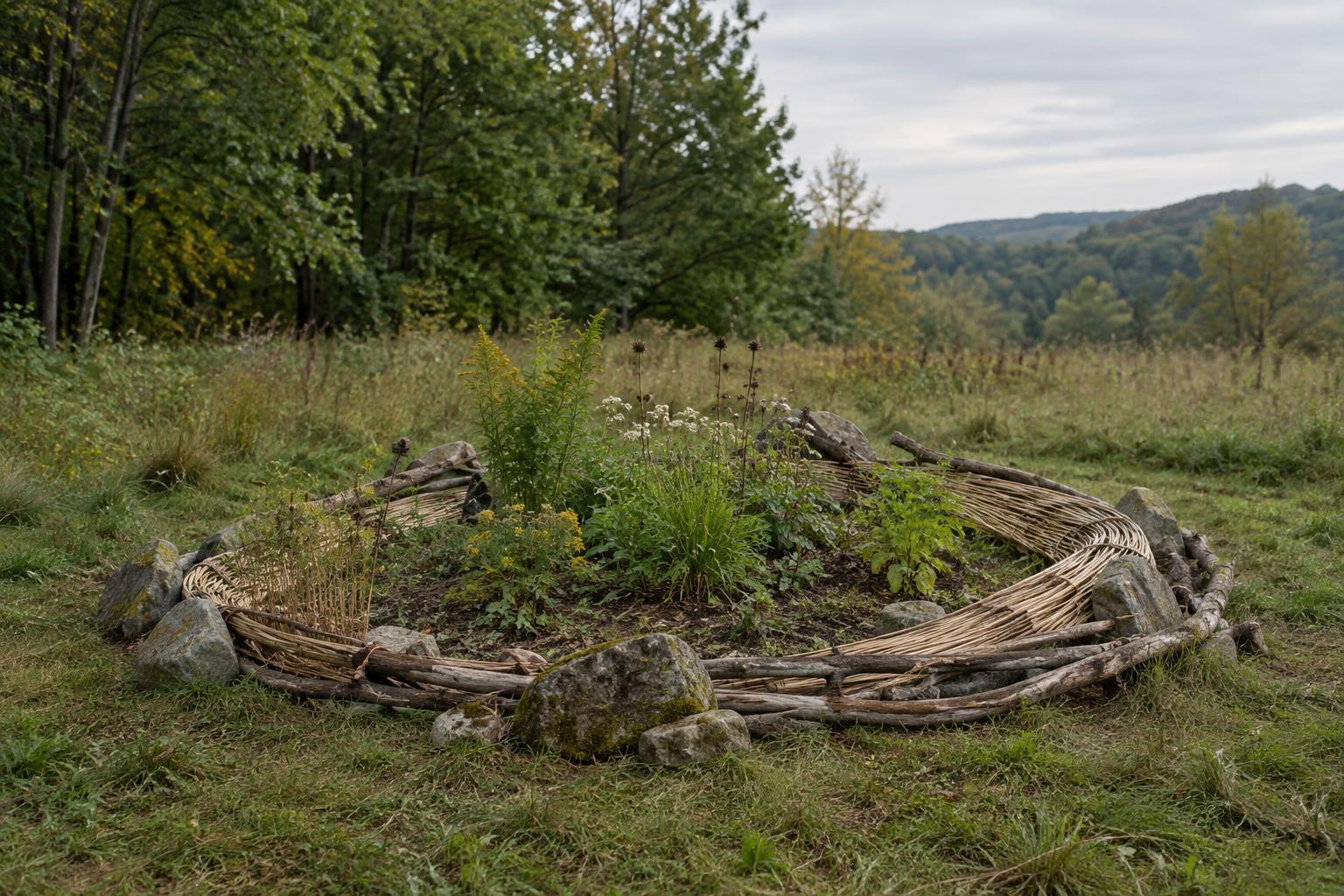
Site-specific projects can connect ecological questions to conditions people encounter directly. A temporary installation might respond to shade, rainfall or the movement of visitors through a public square. A project beside a waterway might draw attention to its banks and paths. In these cases, the location is not just a backdrop: it shapes what the artist can do and what an audience can notice.
Attention to place also brings responsibilities. Outdoor work may affect plants, animals, access routes or the people who use an area every day. Artists and organizers can ask whether an intervention leaves lasting changes, who is expected to care for it and whether local knowledge has been heard. A modest project that makes room for existing uses of a site may offer a more attentive response than a dramatic installation that treats the place as empty.
Participation and careful interpretation
Ecological art sometimes invites participation through shared walks, planting, making or conversation. Such activities can shift an audience’s role from looking at an object to paying attention alongside others. Their value may lie less in producing an immediate solution than in giving people time to compare observations and consider how their daily routines connect to a place.
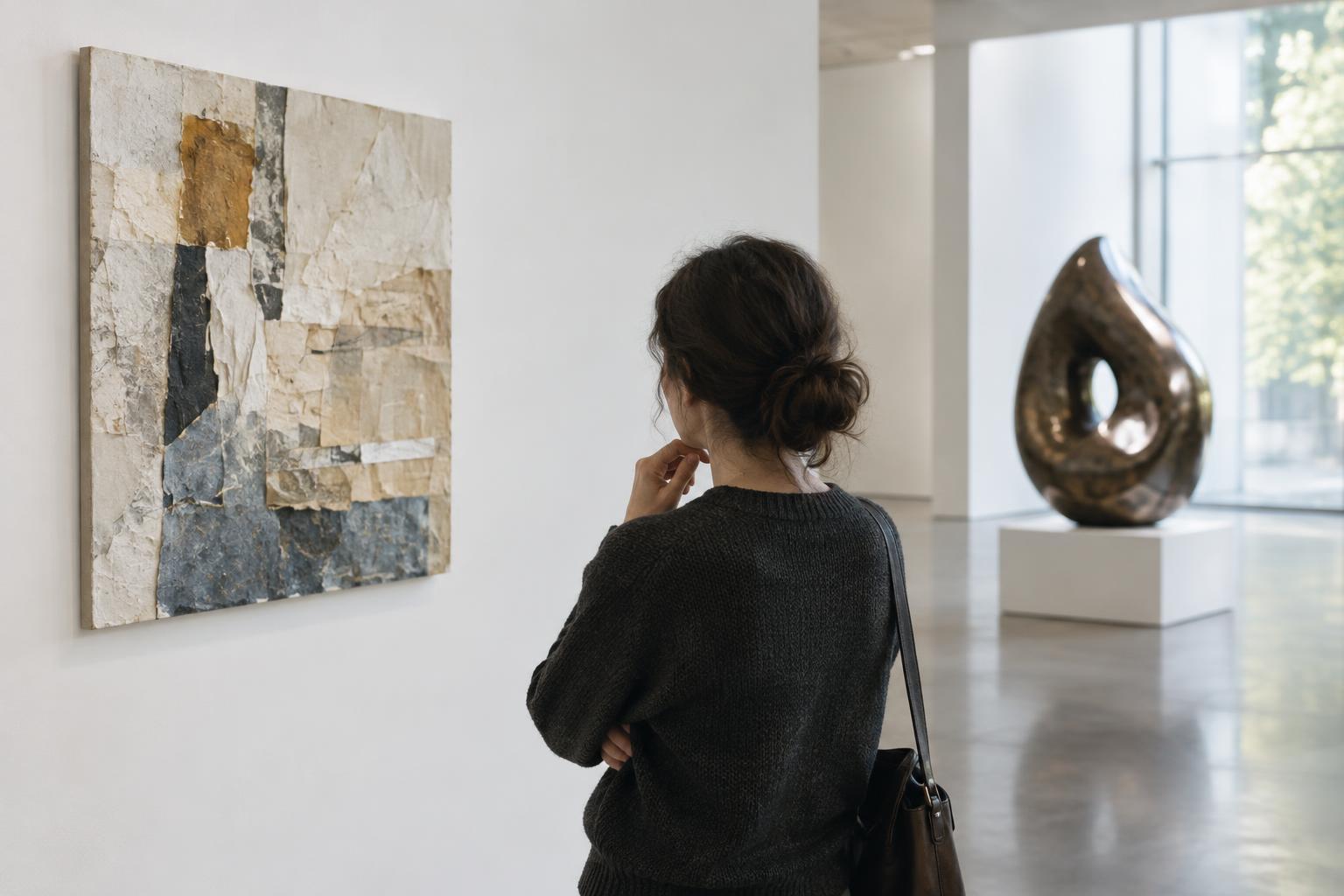
When encountering work about ecology, start with what is actually present: its materials, scale, setting and the actions it asks of you. Then consider whose experiences it includes and what questions it leaves open. A compelling work need not supply an answer to every environmental problem. It can offer a way to look more carefully while leaving its own choices open to scrutiny.