What makes a work conceptual?
Conceptual art is often described as art in which the idea takes priority over the finished object. That does not mean the object is irrelevant or that every conceptual work looks alike. A work might consist of a written instruction, an arranged object, a photograph documenting an action, or an installation visitors move through. In each case, its physical form helps present a question, rule or proposition.
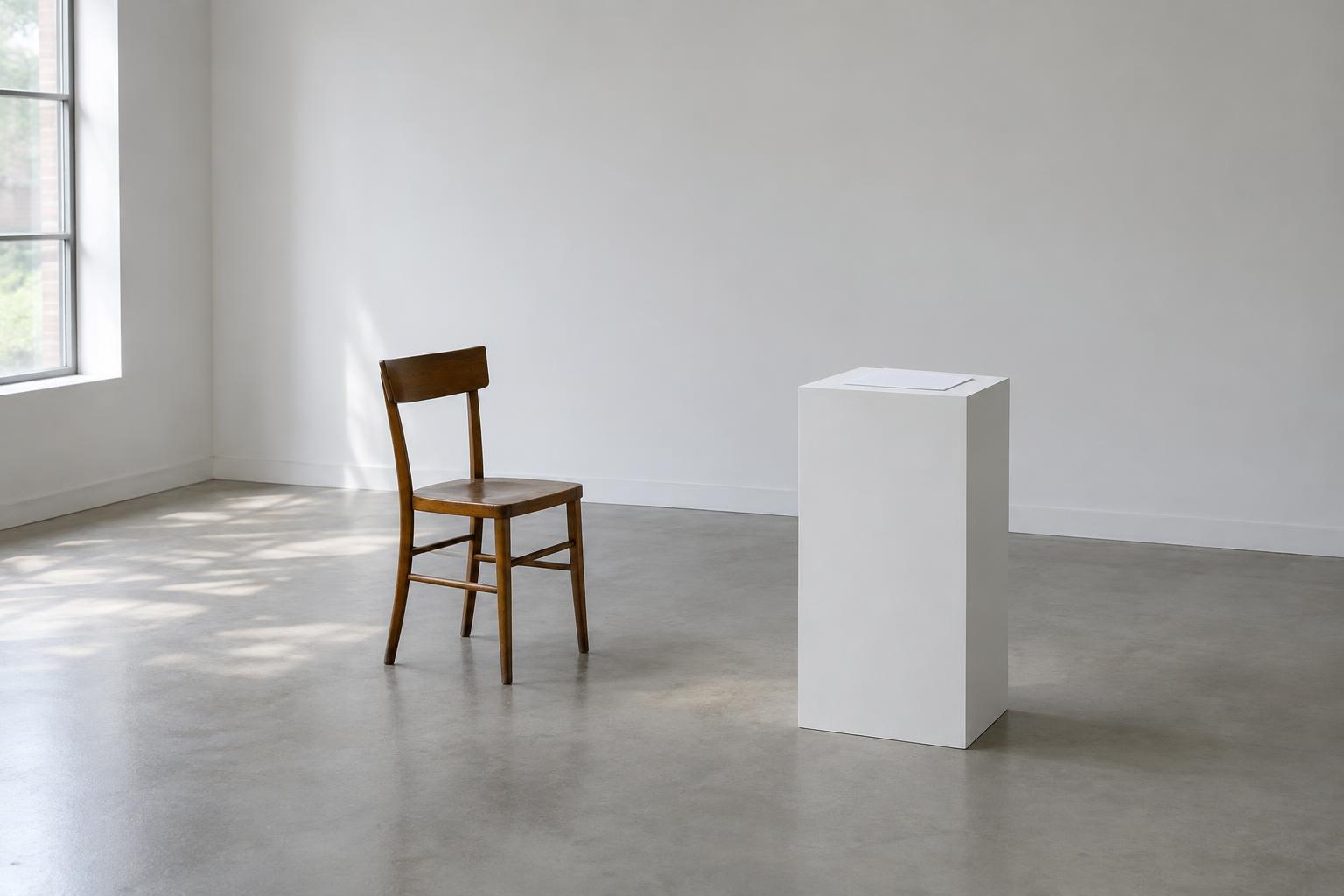
Imagine an artist placing a familiar household item in a gallery with a label that changes what it is called. The viewer can see the item immediately, but the work does not end with recognizing it. The label invites a second look: Who decides what an object is? How does a gallery affect that decision? The conceptual element lies in the relationship the artist has set up, not in a hidden message the viewer must guess.
This emphasis on ideas is not exclusive to conceptual art; artists in many traditions think carefully about meaning. The distinction is one of emphasis. In an idea-led work, understanding the chosen procedure or context may matter as much as, or more than, appreciating the maker’s skill with a material.
Why the form still matters
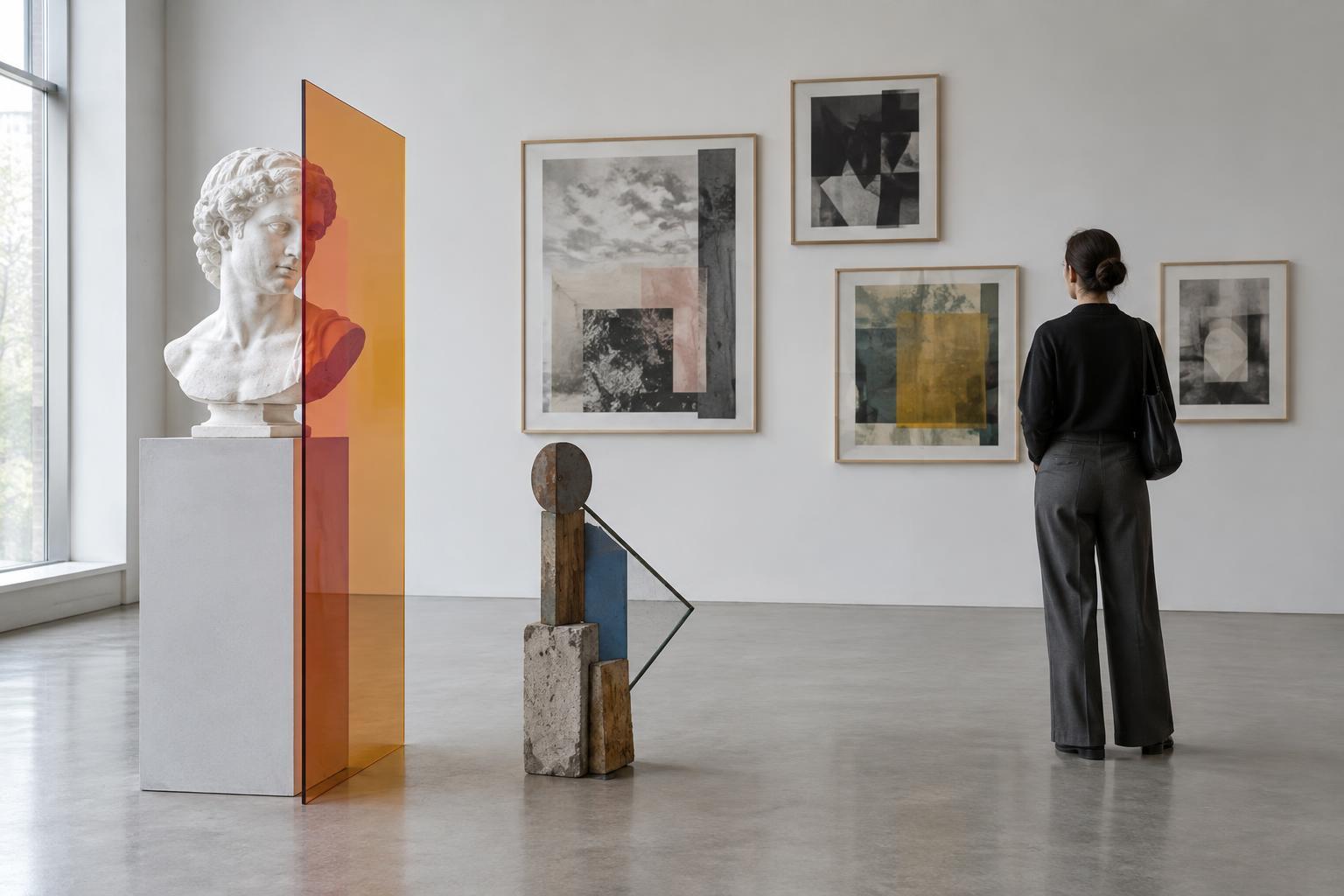
It is tempting to say that conceptual art could be made from anything. Yet choosing one form over another changes the experience. An instruction printed on a card asks the reader to imagine or perform something. The same words painted across a wall become part of a room. If an action is presented through photographs, the viewer encounters both the action and a record of it. None of these forms is a neutral container for the idea.
Materials can also reveal a work’s limits. A temporary arrangement may be dismantled after an exhibition, while a durable object can be stored and shown again. A participatory work depends partly on what visitors decide to do. Paying attention to such conditions helps make sense of the work without treating its appearance as a puzzle to solve.
A useful starting question is not “Why isn’t this a conventional artwork?” but “Why might the artist have chosen to present the idea this way?” That question keeps the visible details in view while making room for the thinking behind them.
How to look when there is little to look at
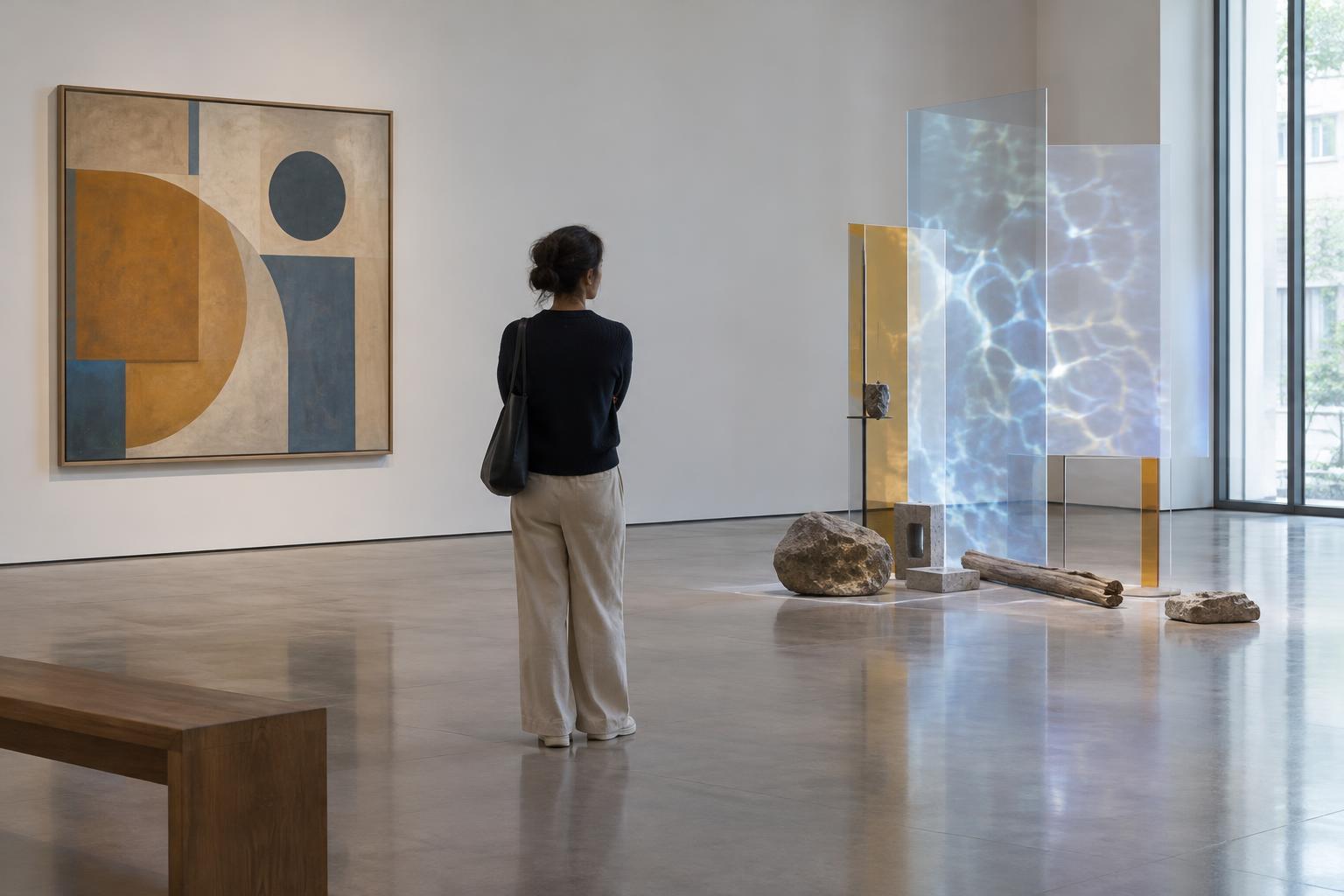
Some conceptual works are visually spare, which can leave a visitor feeling that they have missed something. Begin with what is actually there. Read any text carefully, notice how objects are positioned, and consider whether the work asks for an action or simply offers one to imagine. If there is a title or short explanation, treat it as part of your encounter rather than as an answer key.
Next, describe the work’s basic operation in your own words. Does it repeat a task, classify ordinary things, set a rule, or draw attention to a space? Then ask what changes when that operation appears as art. You do not need to arrive at one definitive interpretation. A work may leave a question open on purpose, and different viewers may notice different consequences of the same choice.
Give yourself permission to respond as well as analyze. Boredom, amusement, irritation and curiosity can all be useful clues if you ask what prompted them. Perhaps a simple gesture feels outsized because of where it appears, or a strict rule feels surprisingly personal once someone carries it out. Your response is not proof of the artist’s intention, but it can help you form a more precise reading.
The role of setting and participation
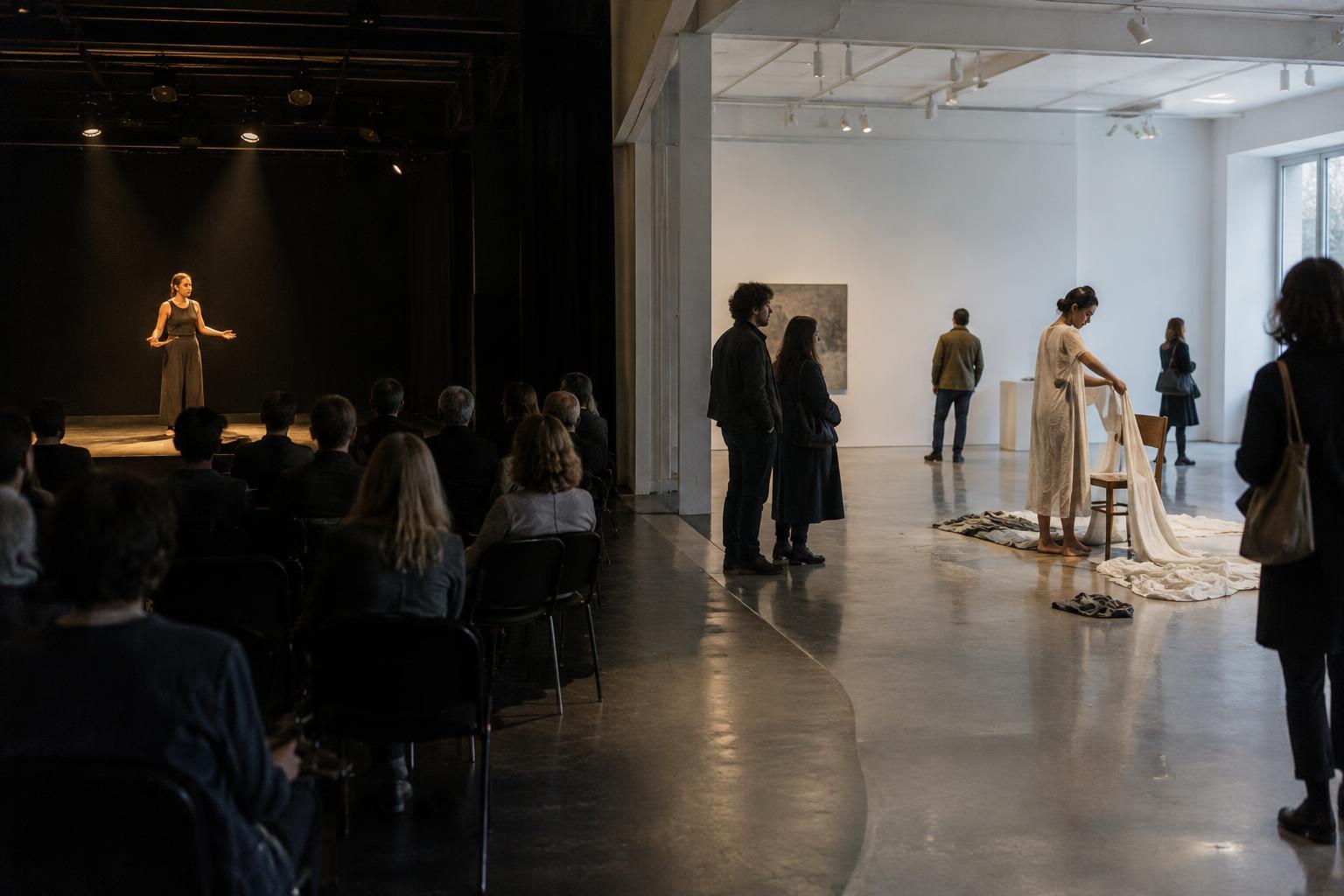
Conceptual art often draws attention to the circumstances in which art is encountered. A statement displayed in a gallery may feel different from that statement on a street sign. An object in a public square can meet people who did not set out to see an exhibition. Its meaning may depend partly on who can access it, how long it stays in place and whether passersby know it is an artwork.
Participation adds another layer. A set of instructions might be complete as text, or it might change each time someone follows it. Viewers can become performers, witnesses or collaborators, depending on the work’s structure. When considering a participatory piece, ask what choices visitors are given and what remains under the artist’s control. That balance can be as important as the visible result.
Making room for questions
Conceptual art need not be defended by claiming that every idea is profound. A clear description of a concept is only the beginning of an interpretation. It is reasonable to ask whether the work’s form develops the idea, whether its questions remain interesting over time, and whether its setting adds something meaningful. Not every work will persuade every viewer.
The most rewarding approach is to move between the simple and the complex. Identify what the work asks you to notice, then look at how its materials, wording, placement and possible actions shape that request. Even when the result is modest, this way of looking can sharpen your attention to assumptions you carry into an exhibition: what counts as a finished work, what an artist is expected to make, and where meaning begins.