Repetition is more than decoration
A row of similar objects, a photograph shown several times or a gesture performed again and again may first look like a straightforward pattern. In contemporary art, repetition can also be a way to organize attention. Once you recognize what recurs, you can begin to notice the choices that interrupt or complicate it. Is every unit identical? Does one element appear out of place? Does the work become more familiar as you spend time with it, or more difficult to pin down?
Repetition has no single meaning. It might evoke routine, copying, accumulation, persistence or a process that could continue beyond the work’s visible edges. Its effect depends on what is repeated, how it is presented and where the viewer encounters it. Rather than assigning a meaning immediately, start by describing the pattern as precisely as you can.
Look for the difference inside the pattern
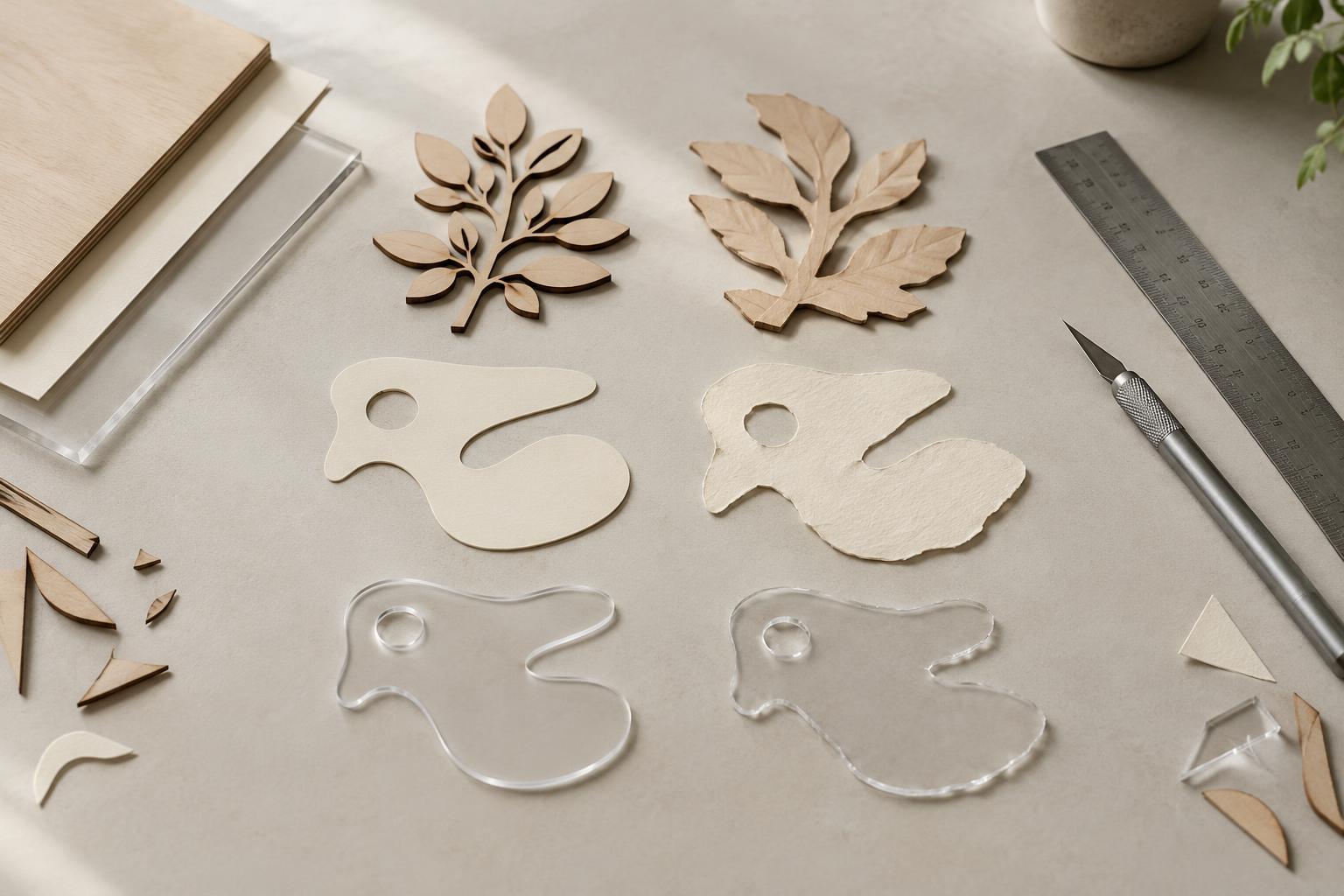
Begin with the basic unit: a mark, object, color, image, phrase, movement or sound. Then ask which features remain stable. Repeated forms might share a size but vary in texture. Images might appear identical until a change in cropping becomes visible. A sequence of actions might follow the same plan while producing slightly different results each time.
Small variations can change how a work is read. A single altered unit may become a focal point, but it need not be the work’s hidden answer. Variation can also draw attention to the limits of making things alike. If marks appear to have been made by hand, differences between them may make the effort and duration of the process easier to imagine. If the units seem mechanically consistent, their uniformity may become the feature worth examining.
Try comparing two units at opposite ends of the work, then two that sit beside each other. That simple shift in scale can reveal changes that a quick glance misses.
Notice what repetition does to time
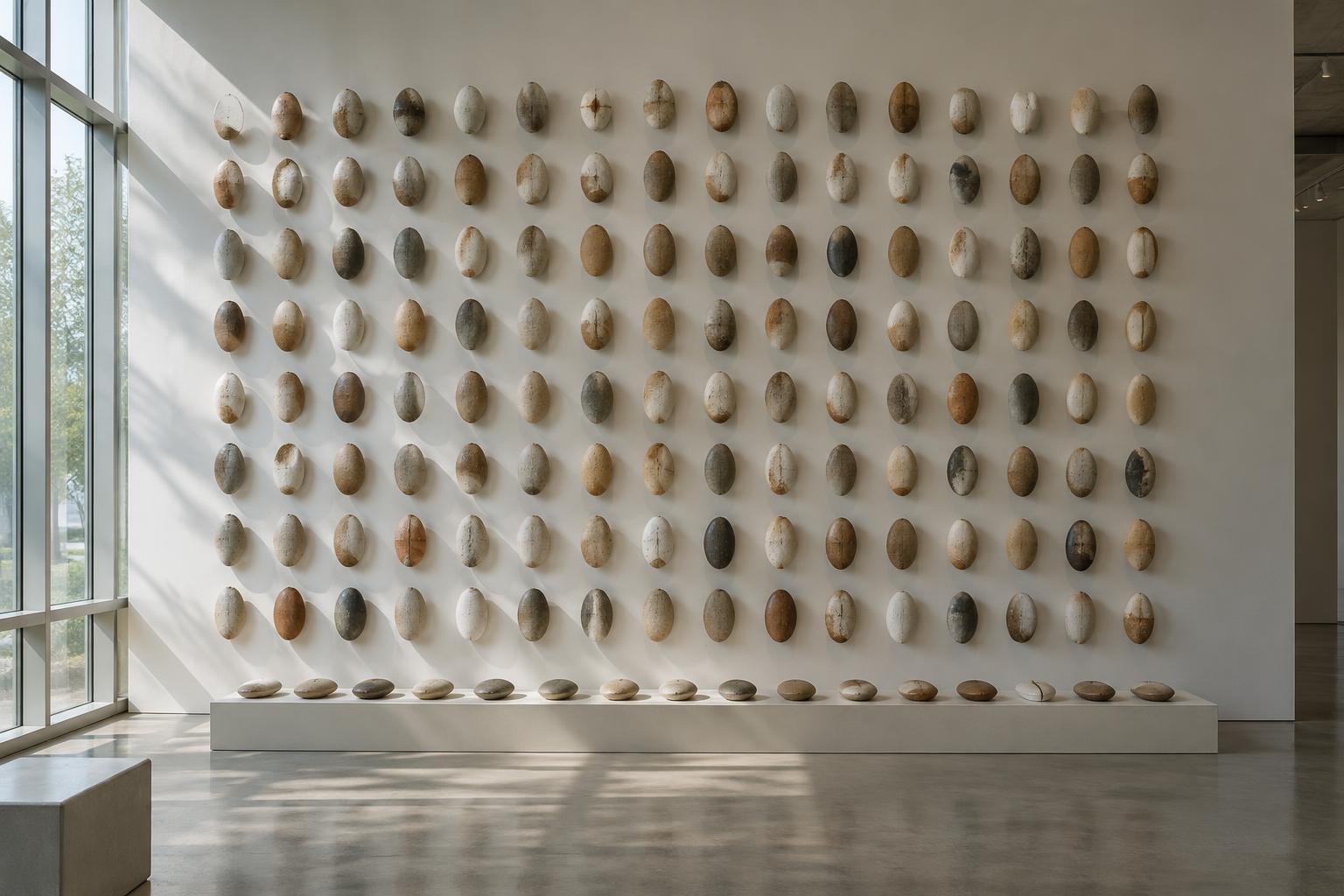
Some works display repetition all at once: a wall of related images, for instance, can be scanned in several directions. Others unfold over time through video, sound, performance or a route through a space. In both cases, the viewer’s experience has a rhythm. You may anticipate the next element, wait for a difference or realize that you have stopped examining each part individually.
Ask yourself when the pattern became clear and what happened after that moment. Did recognition make the work easier to follow, or did it raise new questions? A repeated sequence can feel reassuring at first and demanding later. Conversely, a large group of similar elements may become more engaging as you discover their differences. Your changing attention is part of what you can observe; it is not a failure to understand the work.
Consider the source and setting of the repeated unit
A repeated element may be made by the artist, found in everyday life or generated through a set of instructions. Those possibilities invite different questions. With a familiar object, you might ask how seeing many examples together changes your sense of its ordinary use. With a repeated image, you might consider whether each instance feels like a separate object or another appearance of the same one. With an action, you might pay attention to what effort is required to keep doing it.
Placement matters as well. A tight grid encourages comparison across units, while a loose arrangement may ask you to move around to find connections. Repetition across separate rooms can turn memory into part of the experience: you recognize a form, but may not recall its earlier version exactly. The same recurring element can therefore work differently depending on its spacing, scale and surroundings.
Build an interpretation from observations
A useful account of a repetitive work moves from description to possibility. You might say, “The objects share a shape, but their surfaces differ,” before proposing that the work draws attention to the gap between a standard form and its individual examples. Another viewer might emphasize the time suggested by making or arranging them. Both readings can be worth discussing if they stay connected to what is actually present.
If a title or exhibition text is available, read it after spending a little time with the work itself. It may clarify what is being repeated or offer another way to understand the pattern. You do not have to choose between direct observation and context; each can sharpen the other. The most productive question is often not simply “Why repeat this?” but “What becomes visible because it appears more than once?”