Why two words for art that looks new?
In everyday speech, modern often means recent, while contemporary means happening now. Art writing uses the words differently. Modern art generally names a historical period of experimentation, broadly associated with the late nineteenth century through much of the twentieth. Contemporary art usually refers to work made in the more recent past and the present. Its starting point varies by museum, course, and writer, and it keeps moving as time passes.
That makes the labels useful but imperfect. A painting made decades ago may still look startlingly fresh, while an artwork made yesterday may use traditional techniques. Appearance alone cannot tell you which category applies. Dates offer a first clue, but the questions an artist is asking, the materials they choose, and the context in which the work is shown can be just as helpful.
Modern art: a historical break with familiar rules
Modern art developed through many movements rather than one shared style. Artists challenged inherited expectations about accurate representation, polished finish, and what subjects deserved attention. Some explored abstraction or fragmented viewpoints; others turned toward everyday life, industrial materials, or the physical qualities of paint. These approaches did not all agree with one another. Their common thread was a willingness to reconsider what an artwork could do.
It helps to separate modern art from modernism. Modern art is a broad period label. Modernism describes a range of ideas and practices within and beyond that period, including an interest in formal innovation and changing experience. Not every modern artwork fits a neat account of modernism, and later artists may continue to work with modernist ideas. Neither term means that the art has stopped speaking to the present.
Contemporary art: a changing field, not a single style
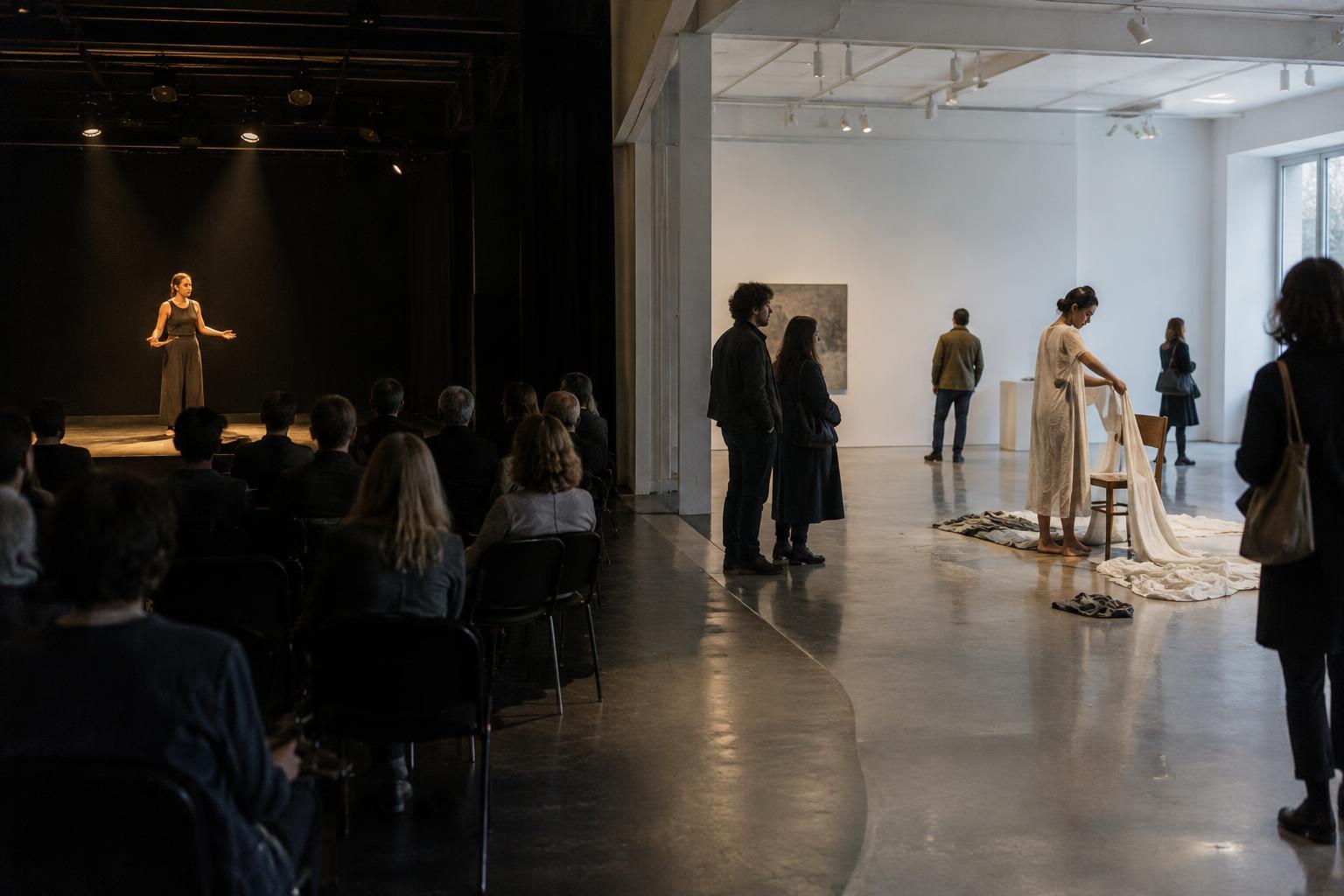
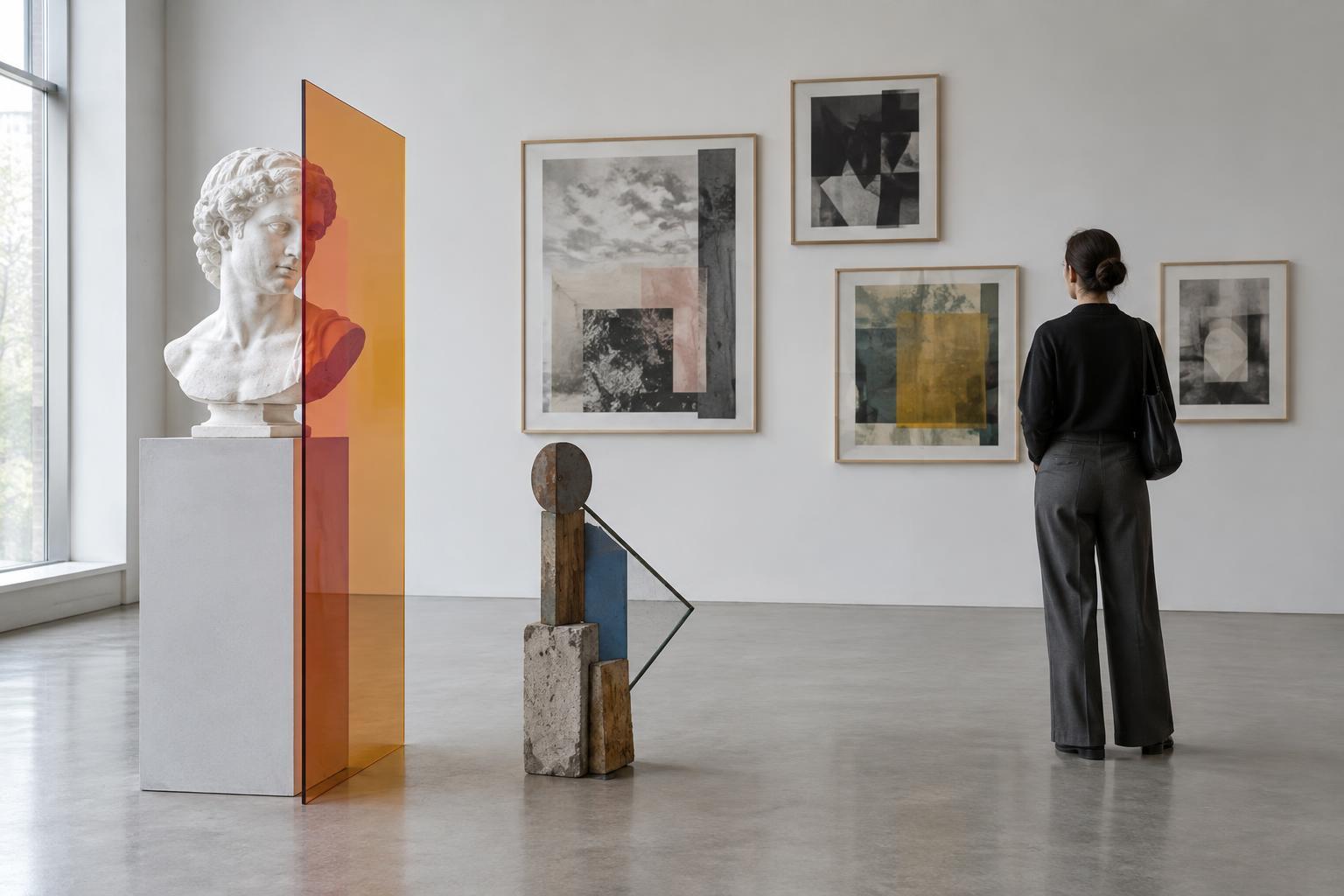
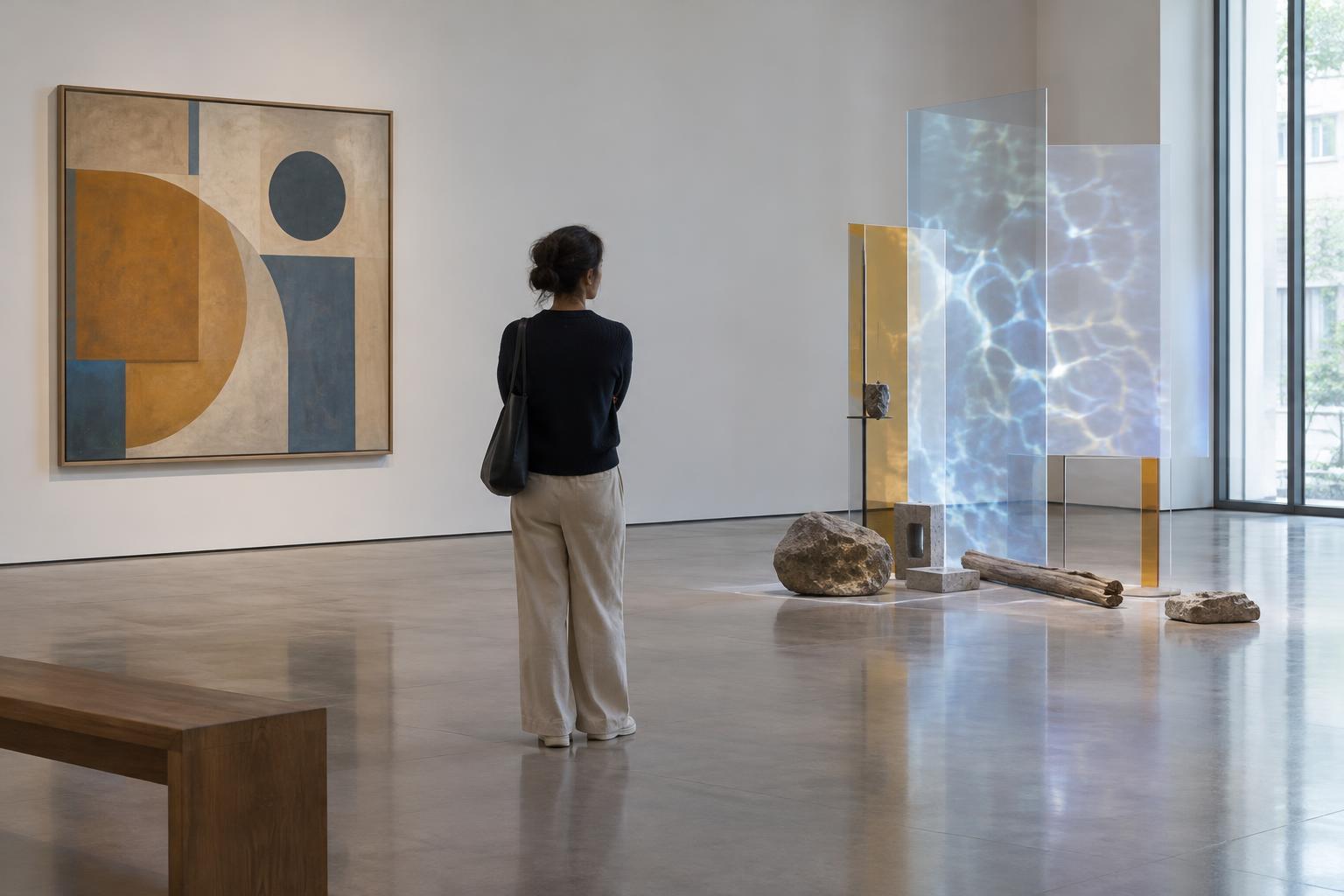
Contemporary art is even harder to recognize by sight because it includes painting, sculpture, photography, video, performance, installation, and combinations that resist those categories. An artist might invite visitors to move through a constructed space, reuse found objects, or make a work that changes each time it is presented. Another might make a small painting. The label says little on its own about scale, medium, or whether the result will look unfamiliar.
The distinction also reflects how art is organized and discussed. Modern art is often approached through histories of movements and artistic innovation. Contemporary art is frequently discussed alongside the social, cultural, and technological conditions in which it is made and encountered. These are tendencies, not rules: modern artists responded to their surroundings, and contemporary artists still make formal choices about color, shape, and composition.
There is no universally agreed handoff date. Work from the middle and later decades of the twentieth century can sit near the boundary, depending on the institution and the story it is telling. The terms also carry the limitations of the histories that shaped them. A timeline centered on a few cities cannot fully describe artistic developments elsewhere, where different experiences and traditions may make the same dividing line less meaningful.
How to use the distinction when looking
Treat “modern” and “contemporary” as starting points for questions rather than verdicts. First, notice when a work was made and what forms were available to its maker. Then look at what it does. Does it change how you see a familiar subject? Does it ask you to pay attention to the room, the other visitors, or the passage of time? A work can pursue several of these aims at once.
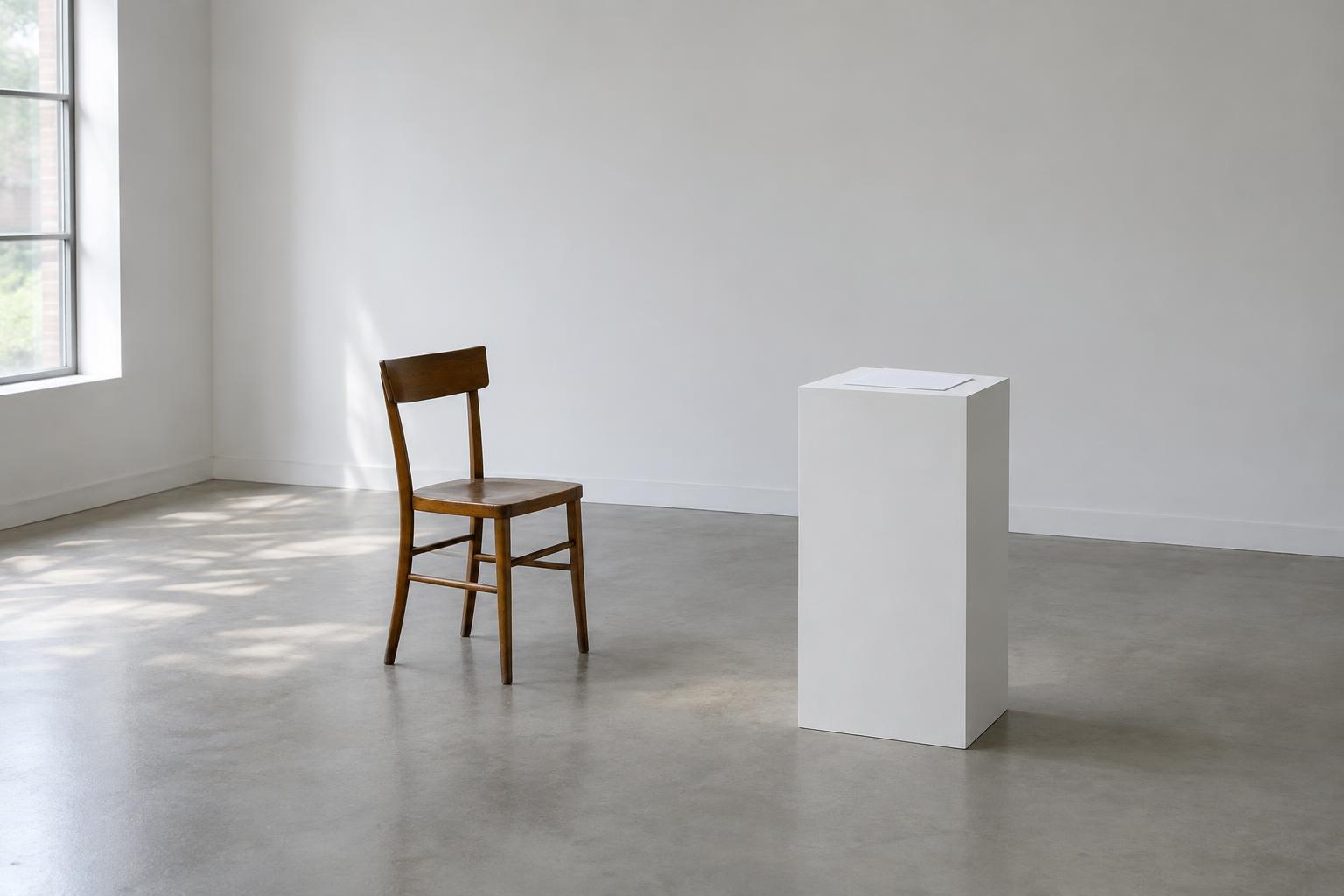
Imagine two artworks built from ordinary objects. One might use those objects to challenge earlier ideas about skill and artistic materials. Another might arrange them throughout a gallery so that your movement becomes part of the experience. Their dates and contexts could place them in different categories, even though they share a material. Comparing what each artwork asks of you is more revealing than deciding which one looks more modern.
Gallery labels can help, but they are not the final word. If a work seems to cross the boundary, that is an opportunity to look closer. The distinction between modern and contemporary art arose from efforts to describe change; its value lies in making that change easier to discuss, not in giving every artwork a permanent box.