Start with a question, not a definition
Postmodernism is a broad term for ways of making and thinking about art that question fixed rules, single meanings and tidy stories of progress. It is not a style you can identify by one material, color palette or technique. A postmodern work might be a photograph, an installation, a painting or a combination of all three. What connects such works is often their interest in how images acquire meaning and who gets to decide what counts as art.
Postmodernism and contemporary art are not interchangeable. Contemporary art refers broadly to art made in our time; postmodernism describes ideas that may shape some of it. Nor does the term mean that an artist believes nothing matters. A work can challenge certainty while still taking a clear position. For a viewer, the most useful starting question is simple: what assumptions is this artwork asking me to reconsider?
Borrowing can be part of the message
Many artists work with images or objects that already circulate in everyday life: advertisements, product packaging, familiar art forms, online imagery or household goods. When an artist places something recognizable in a new setting, its meaning can shift. A commercial image displayed in a gallery, for example, might prompt questions about desire, ownership or the way repeated pictures shape our expectations. The choice to borrow can be as important as the choice to draw or sculpt.
Borrowing does not automatically make a work insightful. Look at what has changed and why. Has an image been enlarged, cropped, repeated or paired with something unexpected? Is the artist drawing attention to its original purpose, or obscuring that purpose? It also matters whose material is being reused and whether the new setting respects or flattens its history. These questions help distinguish a considered use of an existing image from one that merely relies on recognition.
Expect styles and categories to mix
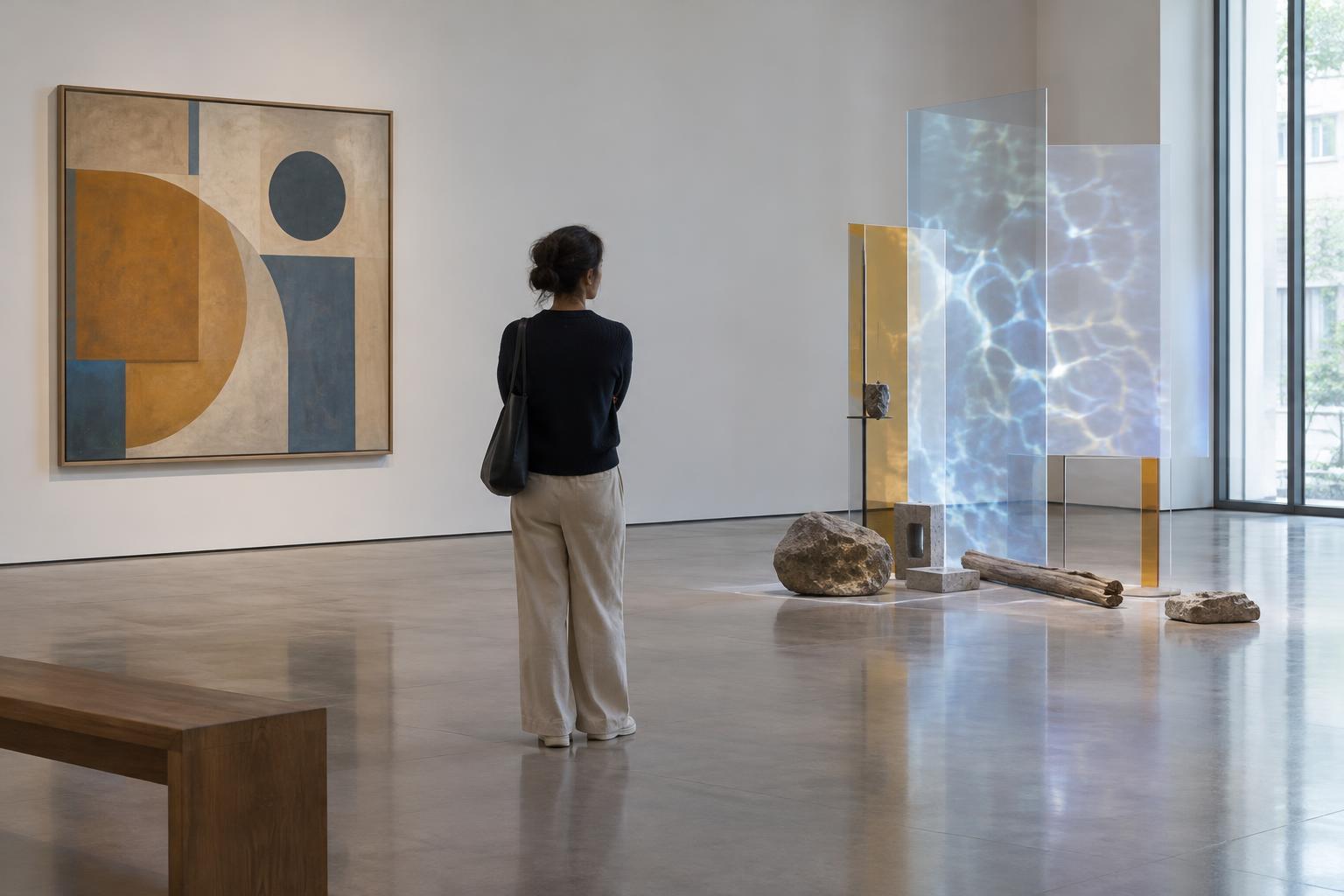
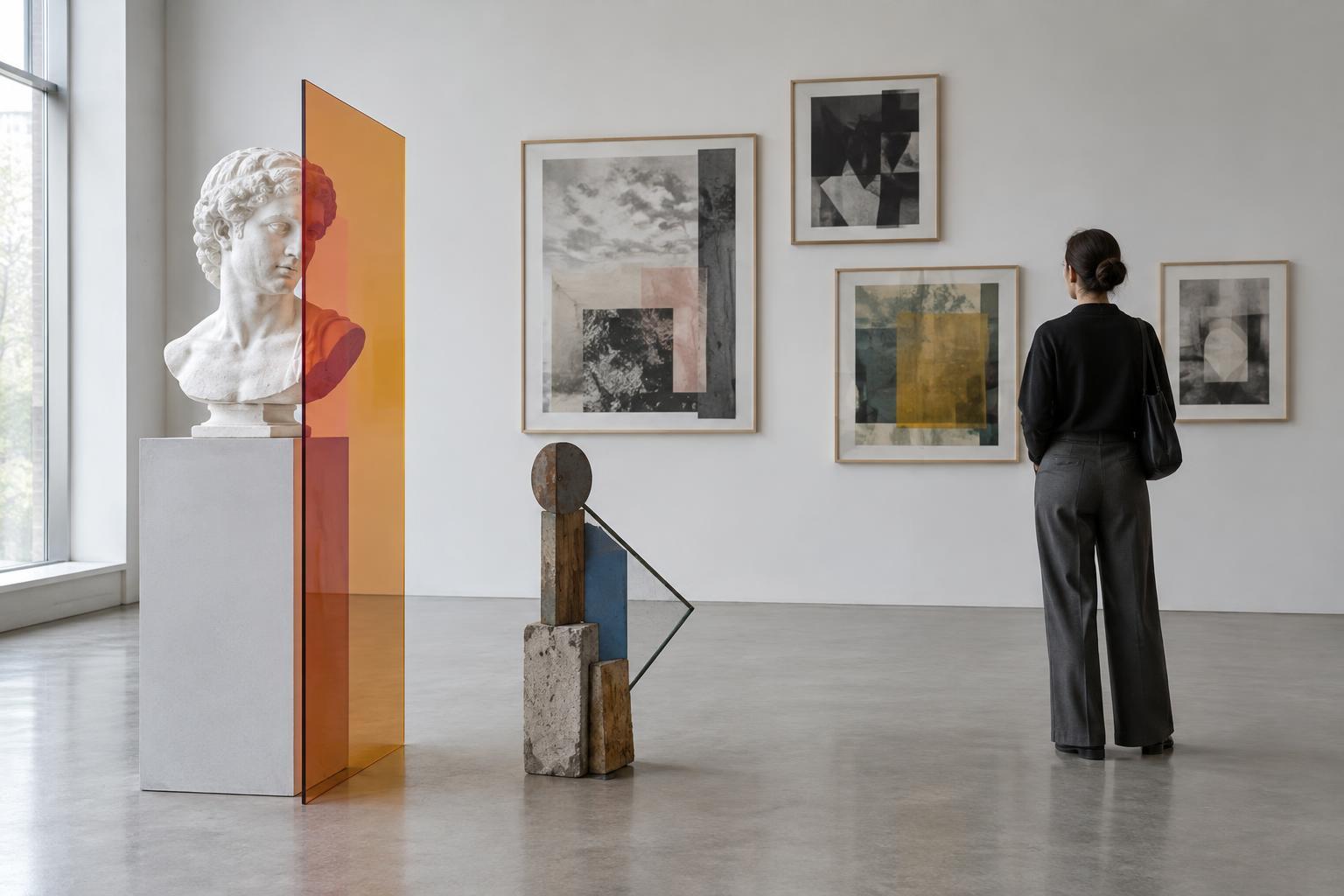
Postmodern approaches often resist the idea that an artwork must fit neatly into a single tradition. A piece might combine a handmade object with a projected video, or place a playful visual reference beside a difficult subject. Humor and seriousness can coexist. So can methods associated with fine art, design, popular culture and craft. The mixture is not necessarily random: a change in tone or material may be exactly where the artist wants you to pause.
Try noticing how the parts affect one another. Does a polished surface make an ordinary object seem valuable? Does a familiar joke become uncomfortable in an unfamiliar space? Rather than deciding too quickly whether the work is sincere or ironic, consider whether it allows both responses. That tension can be a way to explore how people encounter images in daily life, where entertainment, persuasion and personal memory frequently overlap.
The setting changes what you see
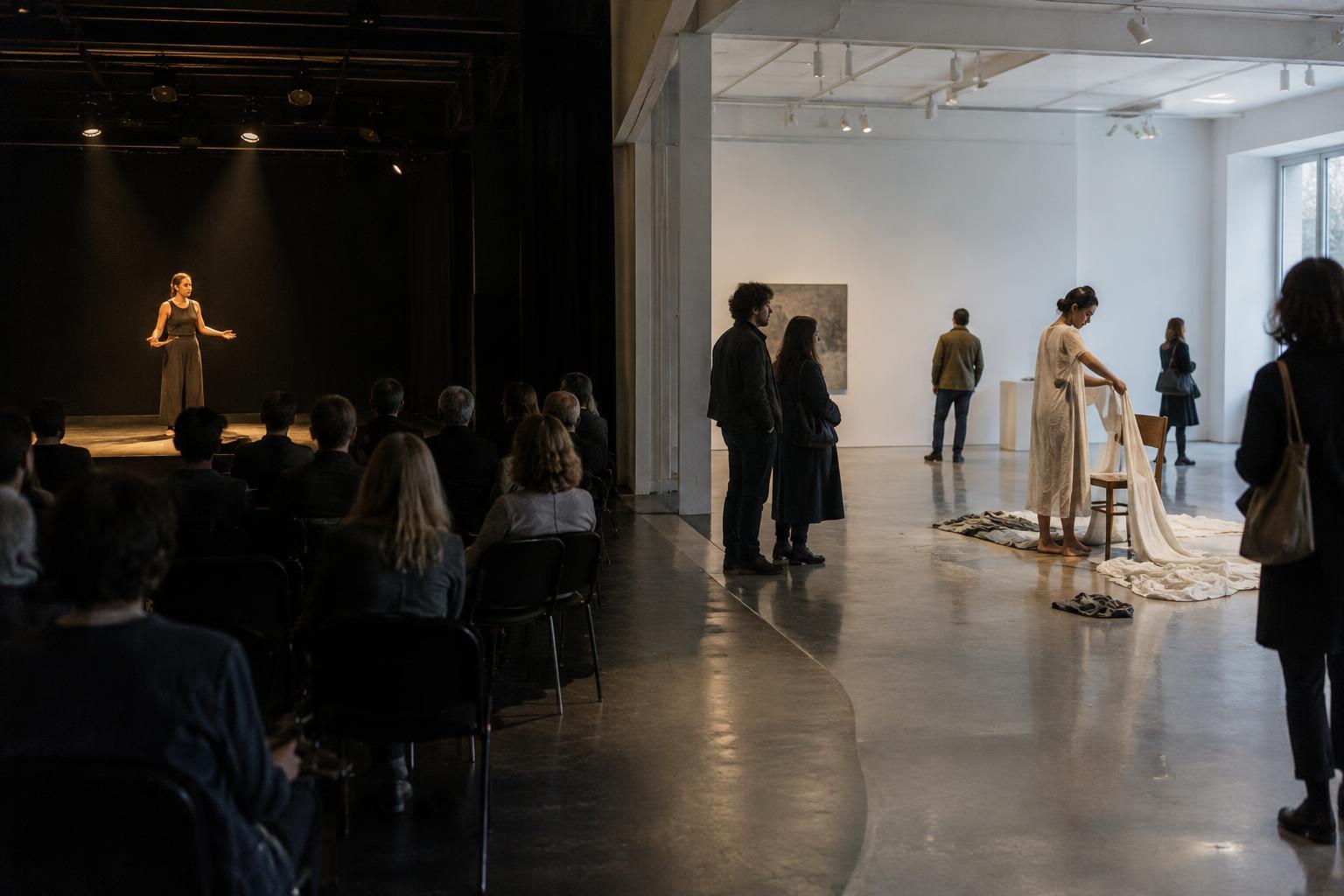
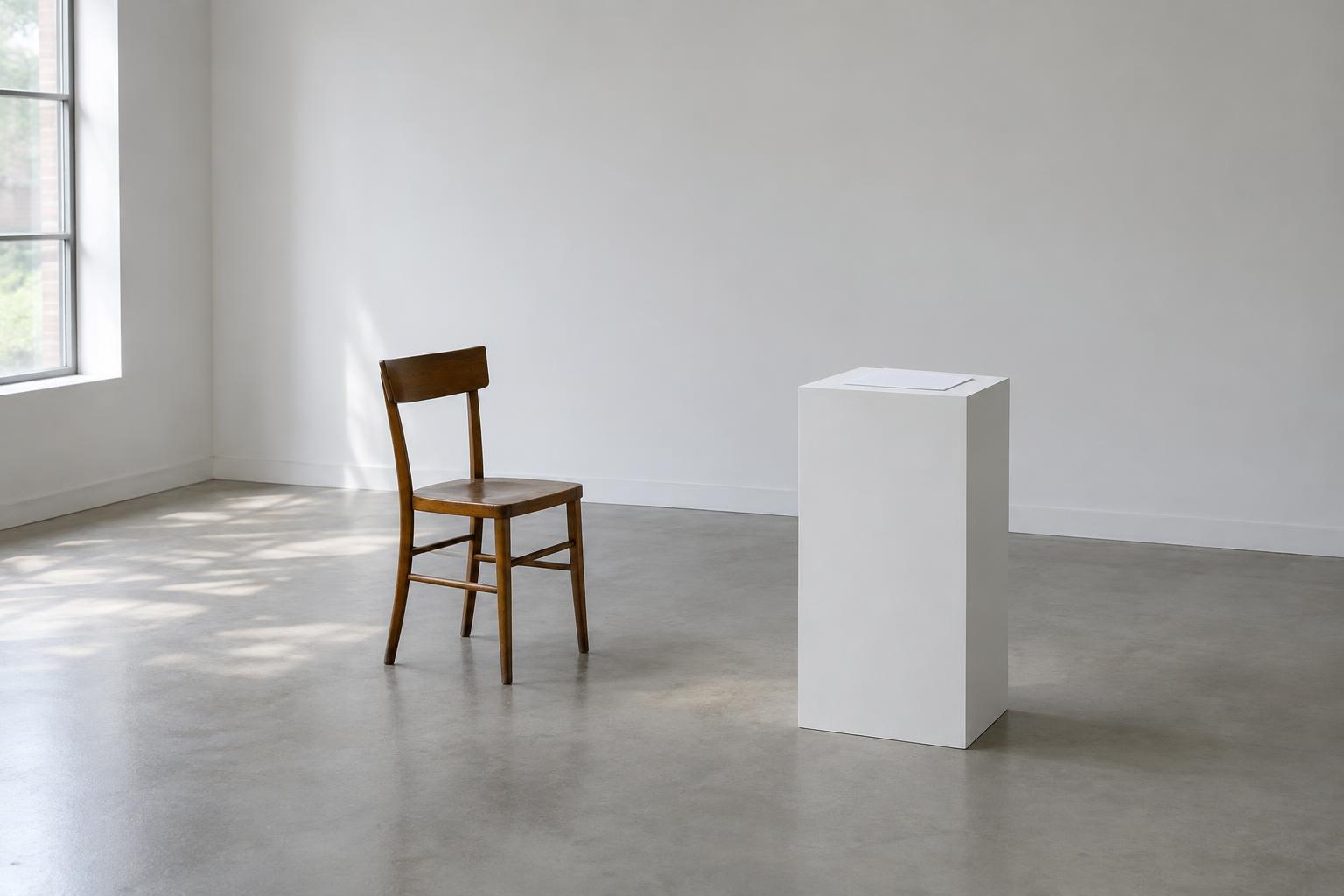
Context plays a large role in interpreting art. An object on a shelf at home, in a shop window or on a museum plinth may look physically similar, yet invite different kinds of attention. Lighting, labels, neighboring works and the route through an exhibition all influence what viewers notice. Installation art can make these conditions especially visible by using the room itself as part of the work.
This does not mean that an artwork can mean absolutely anything. Its materials, arrangement and presentation offer evidence for some readings more strongly than others. Your own experience also affects what you bring to it. If two people notice different details, the conversation can become more useful when each points to what in the work supports their view. Interpretation is less a hunt for a hidden answer than a practice of looking closely and explaining what you find.
A practical way to look at a postmodern work
Begin with what is in front of you before reaching for a theory. Name the materials, images and sounds you can identify. Then ask which elements feel borrowed or familiar, and where you have encountered them before. Notice shifts in scale, repetition and placement. If the work includes text, consider whether it clarifies the image or complicates it. These observations give you a footing even when the work initially seems puzzling.
Next, consider what the work leaves unsettled. Does it question a familiar idea of beauty, originality or authorship? Does it ask you to think about the space where you are standing? You need not solve every ambiguity to have a worthwhile encounter. Postmodernism is most approachable when treated not as a password for understanding art, but as an invitation to notice how meanings are made, borrowed and changed.