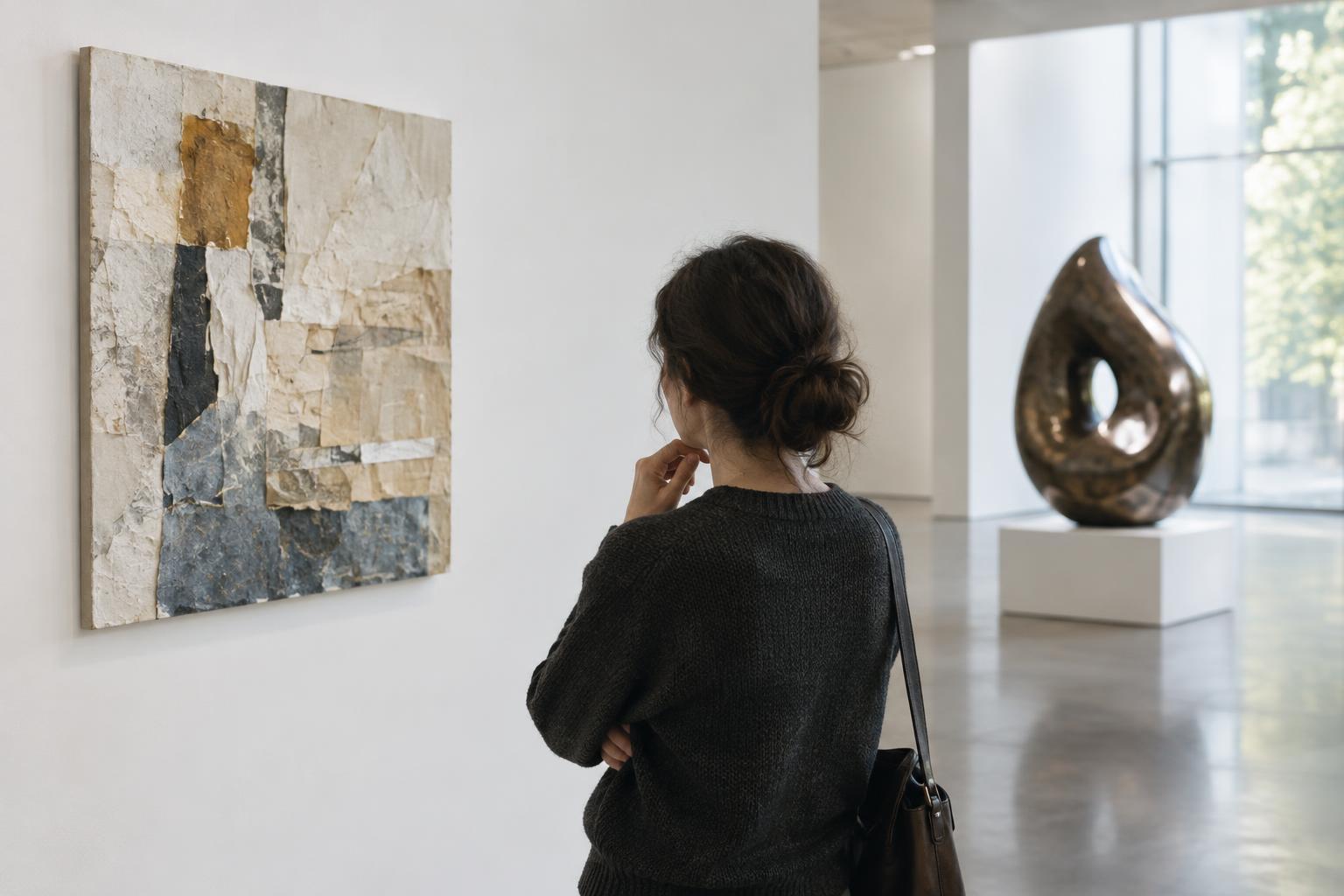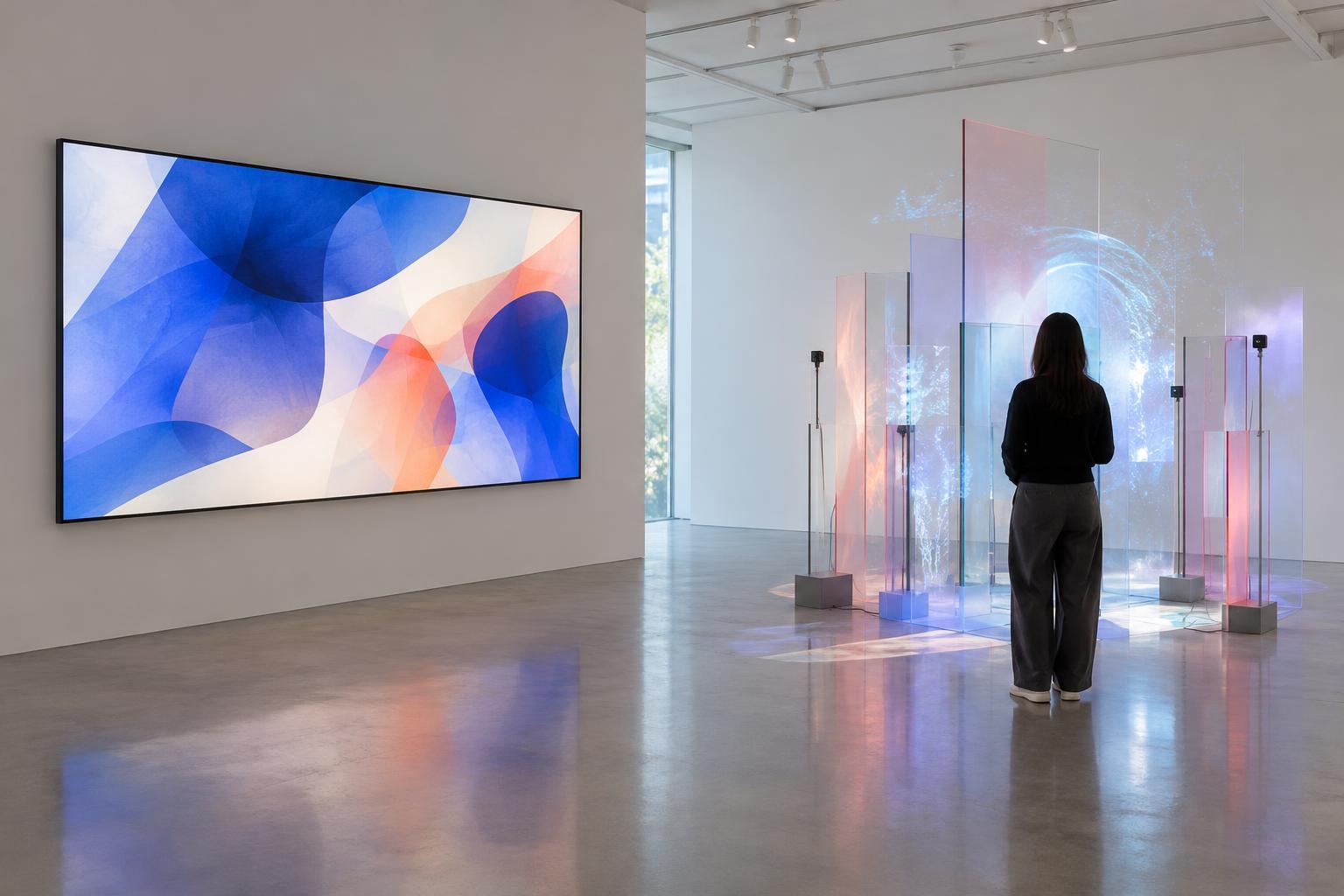
Contemporary ArtDigital art and new media art overlap, but the labels draw attention to different things. One often describes how a work is made, while the other can describe a broader relationship with technology, communication and participation. Learn how to use both terms without forcing every artwork into a rigid category.
Read article · 4 min↗
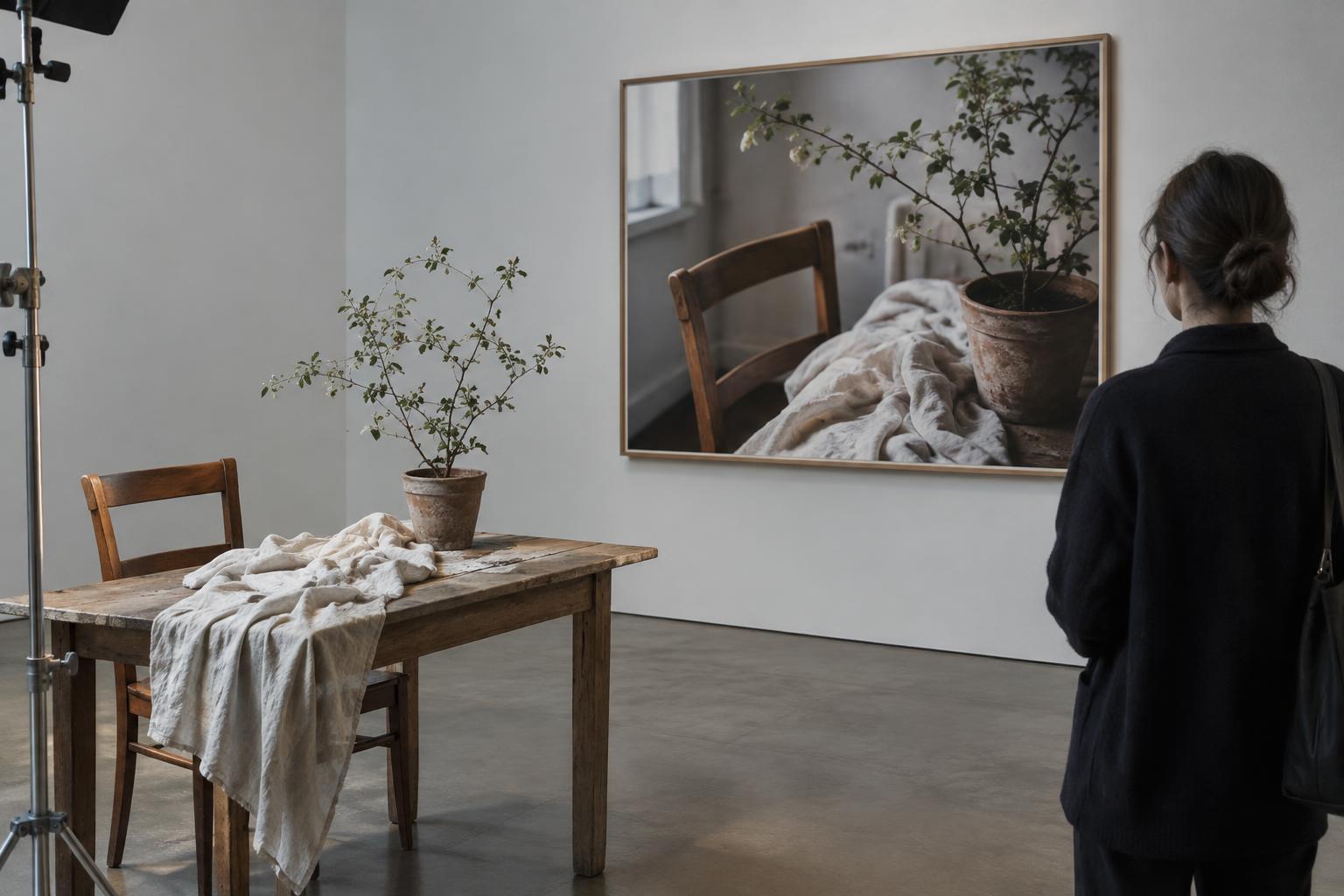
Contemporary ArtA photograph can record a moment, stage a scene, or do both at once. This guide explores how contemporary artists use framing, context, and display to shape what an image appears to tell us.
Read article · 4 min↗
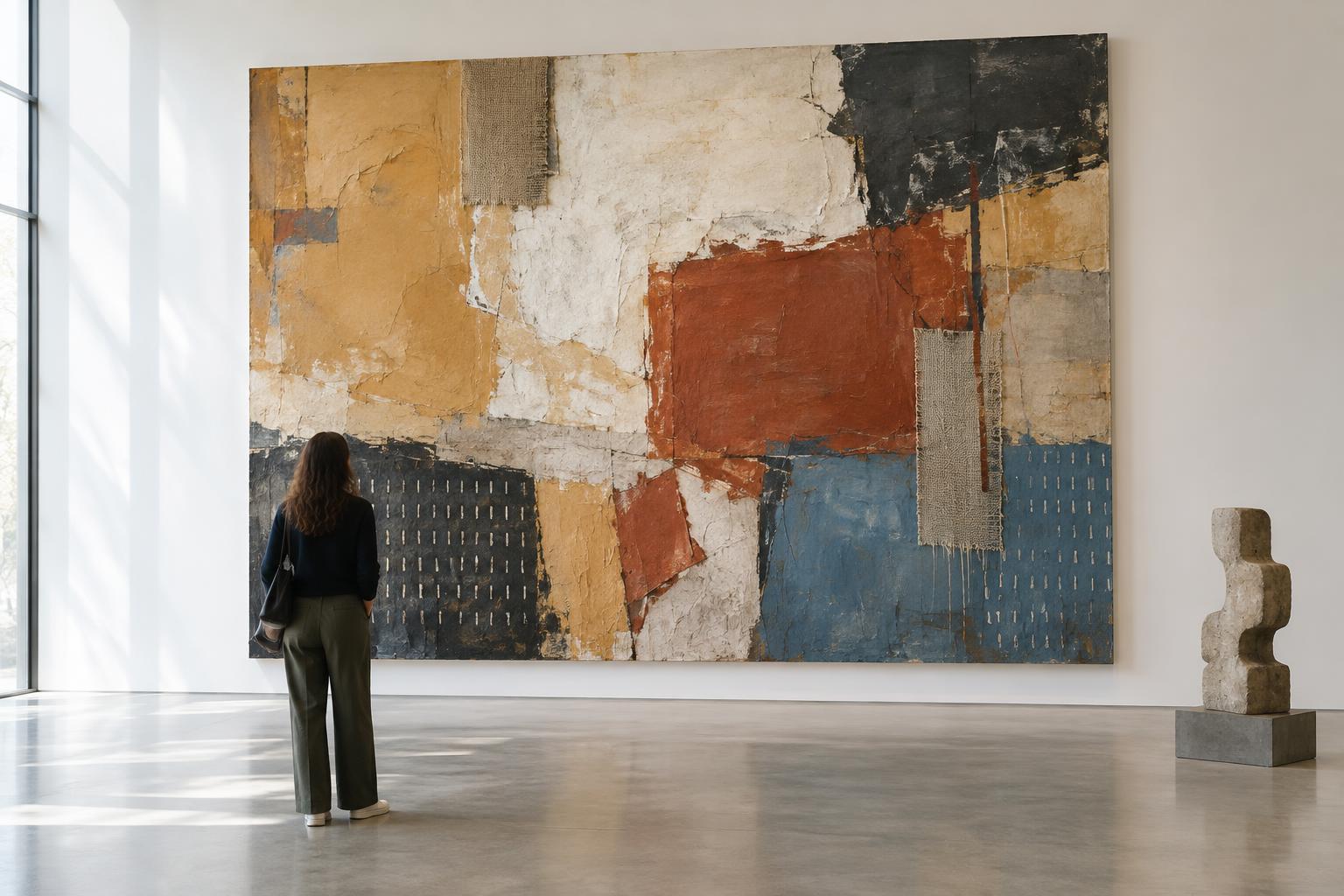
Contemporary ArtAbstract art does not require you to identify a subject before you can respond to it. This guide offers practical ways to look at color, scale, material, repetition, space and your own shifting attention.
Read article · 4 min↗
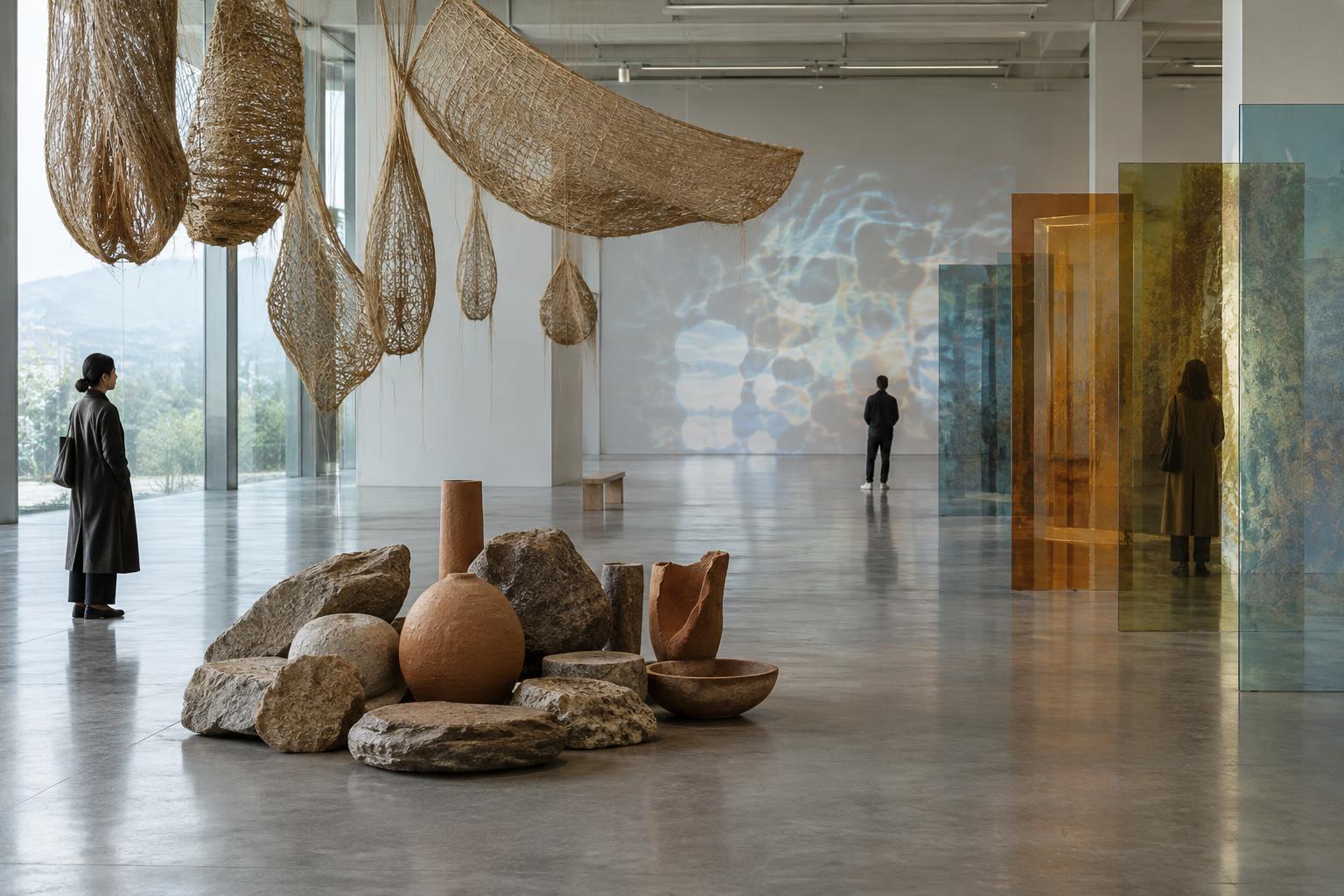
Contemporary ArtA familiar art-history timeline can help explain how movements followed and challenged one another. But contemporary art does not develop in one place or at one pace. Looking across local histories, materials and exhibition contexts offers a fuller way to encounter work from around the world.
Read article · 4 min↗
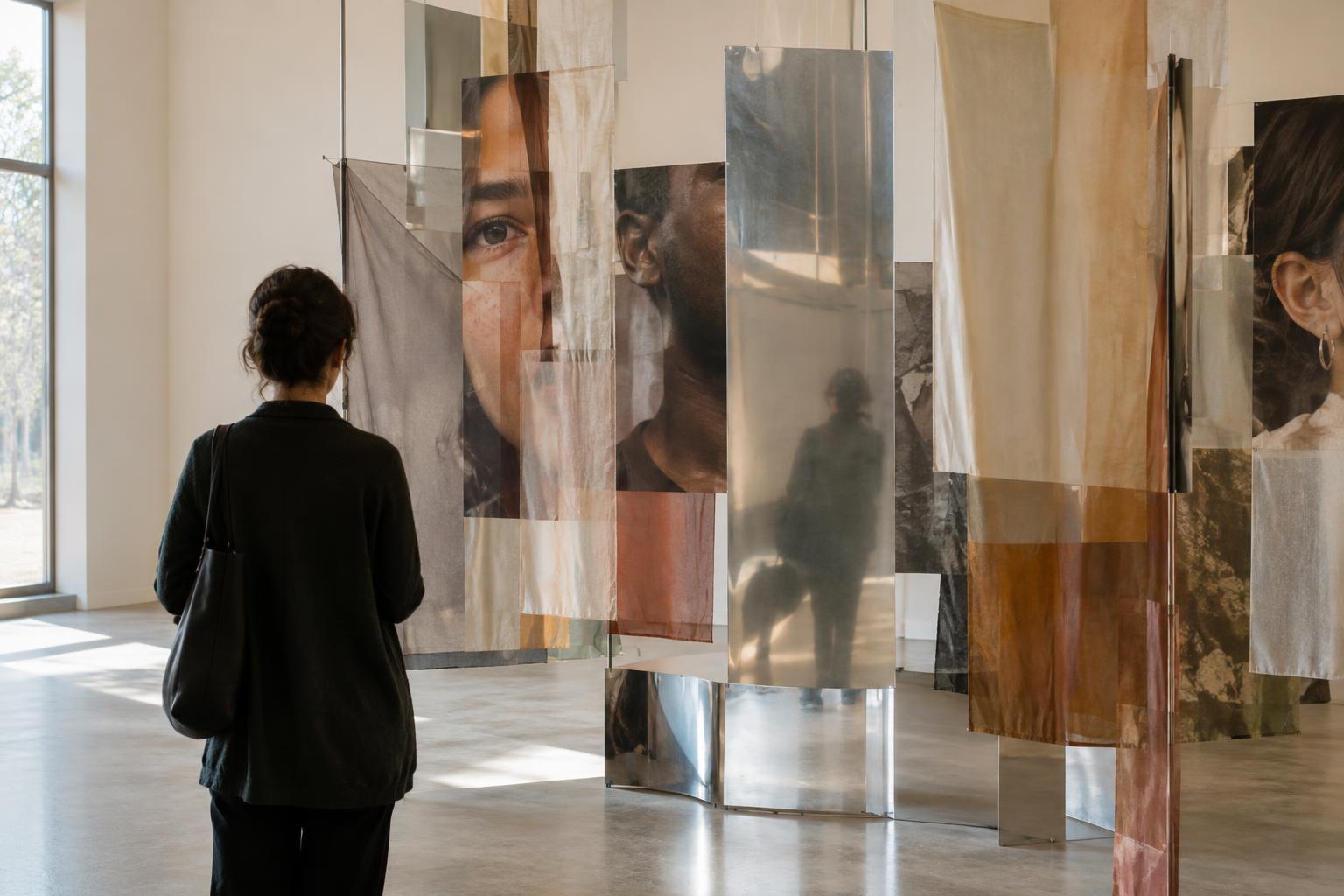
Contemporary ArtIdentity in contemporary art is more than a subject to recognize in a portrait. This guide offers practical ways to look at how artists use images, materials, space and context to explore who is seen, who speaks and how meaning changes with the viewer.
Read article · 4 min↗
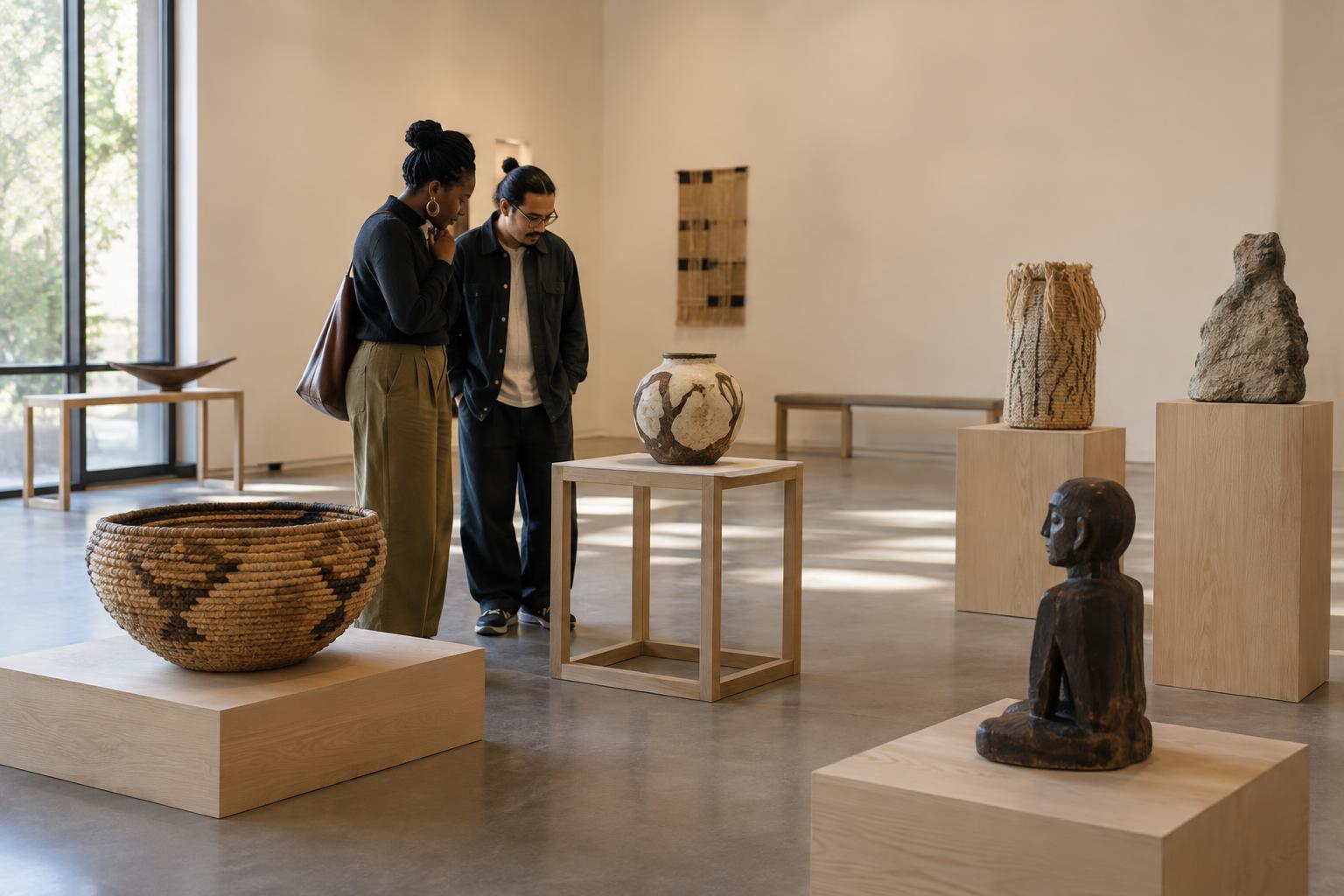
Contemporary ArtDecolonial approaches to contemporary art ask who gets to tell a history, how objects arrived in collections, and whose knowledge shapes an exhibition. These questions can change not only what is shown, but how art is described, cared for, and encountered.
Read article · 4 min↗
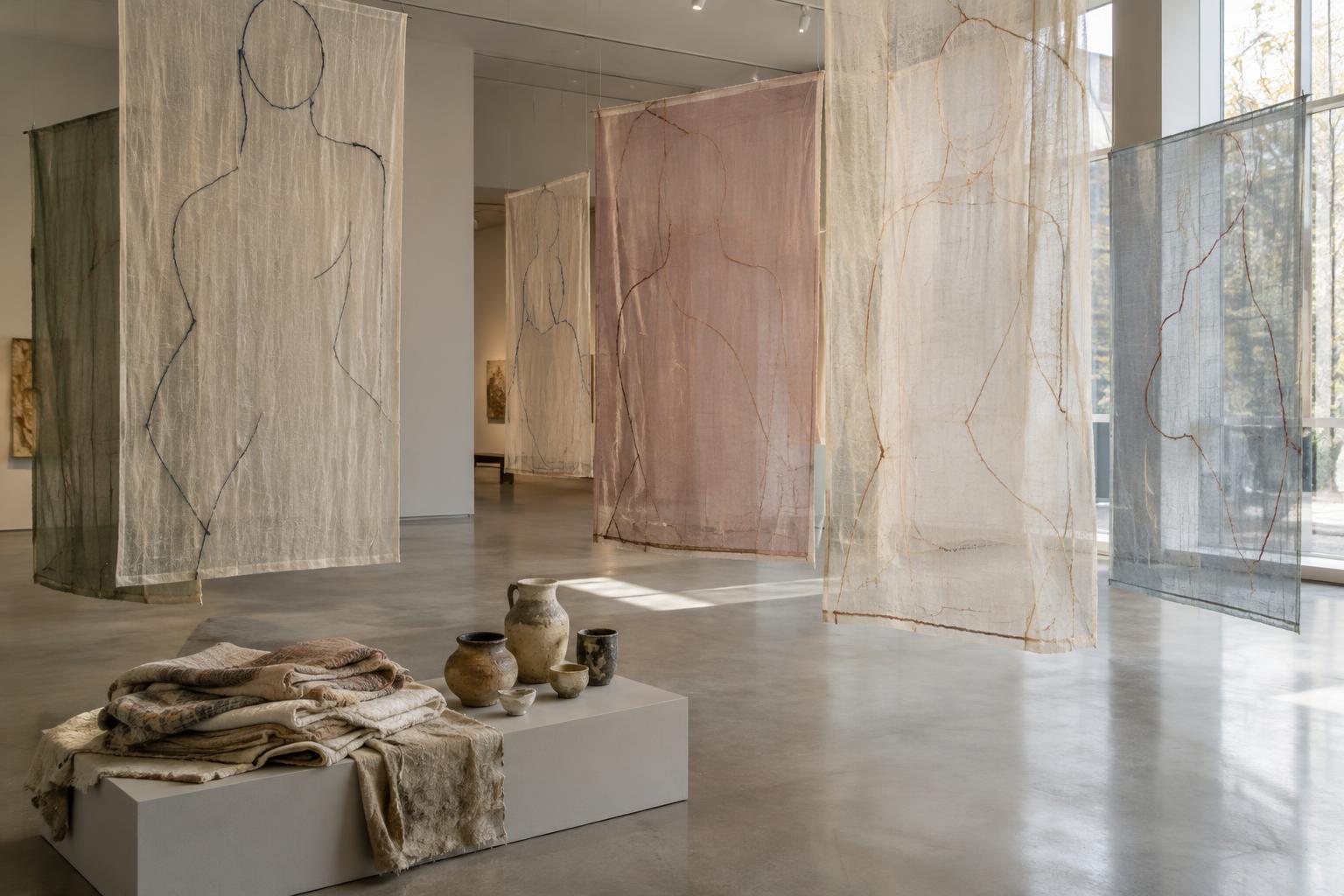
Contemporary ArtFeminist art is not a single style or subject. This guide explores recurring questions about representation, bodies, labor, institutions and collective practice, with practical ways to look closely at contemporary work.
Read article · 4 min↗
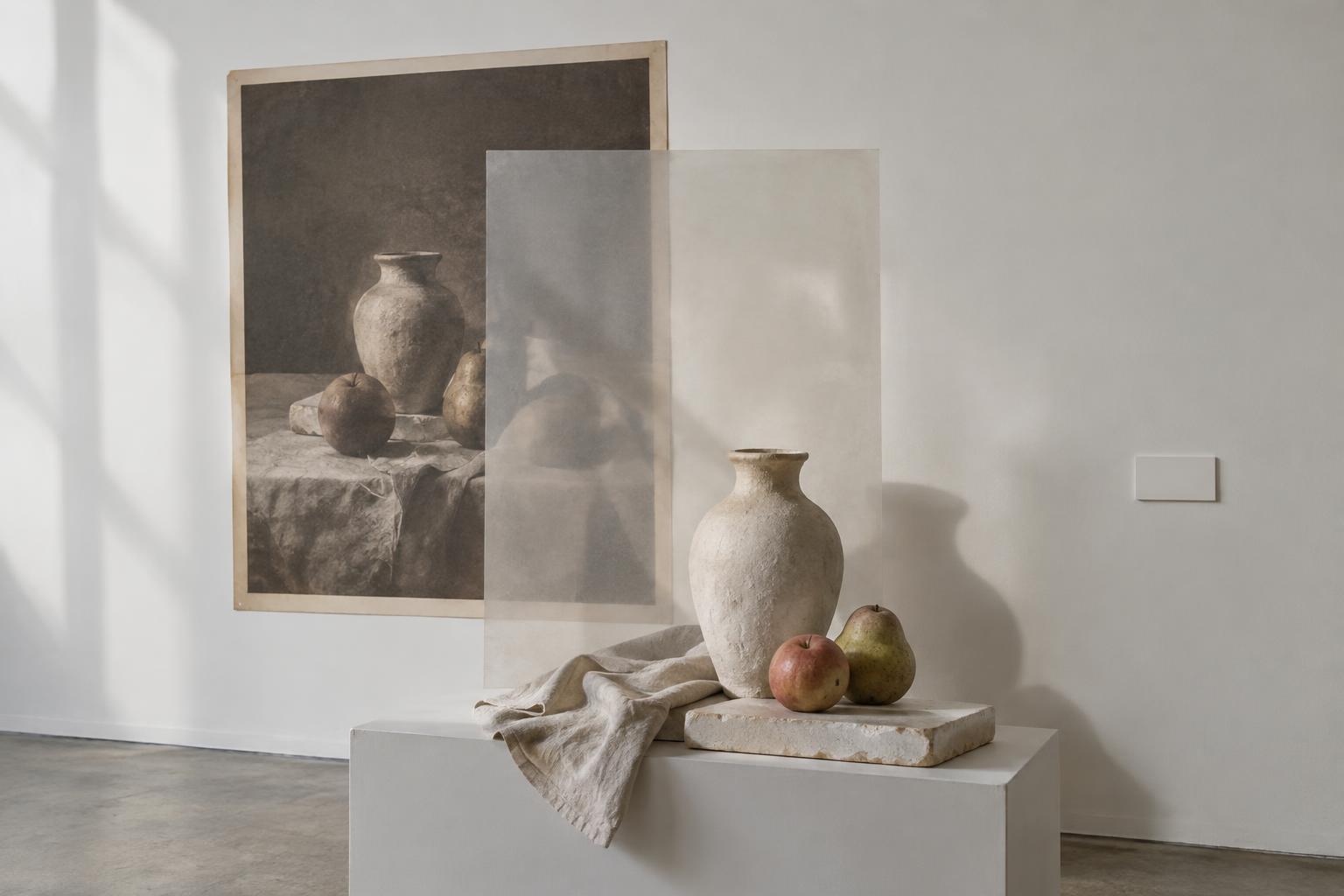
Contemporary ArtAppropriation can turn a familiar image or object into a question about authorship, memory or power. Understanding it means looking beyond what was borrowed to how the work changes its source, who receives credit and what a new setting makes visible.
Read article · 4 min↗
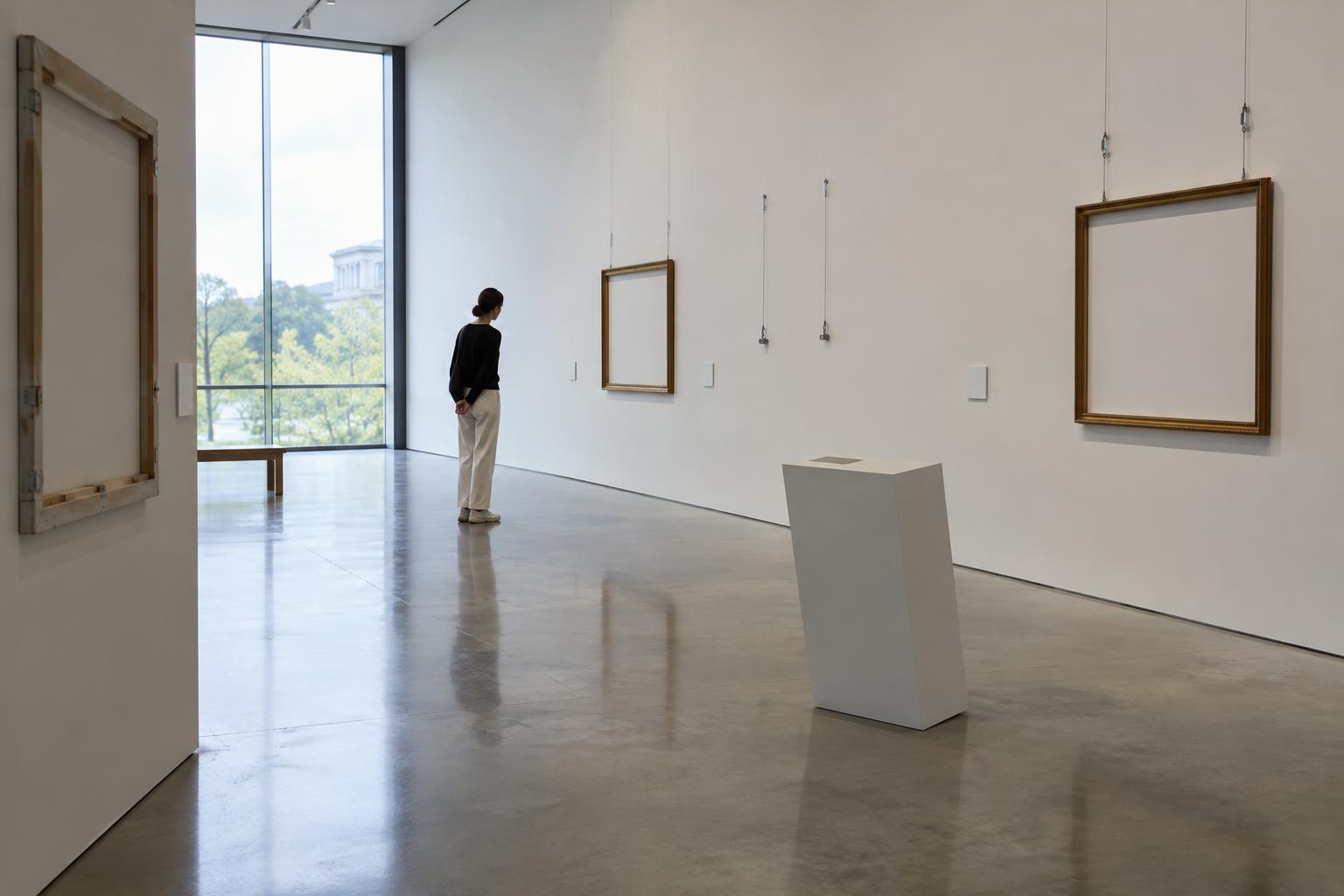
Contemporary ArtInstitutional critique turns attention from the artwork alone to the systems that display, describe and value it. Learn how artists use labels, layouts, collections and participation to make those systems visible—and how to look closely without assuming every critical work rejects the museum.
Read article · 4 min↗
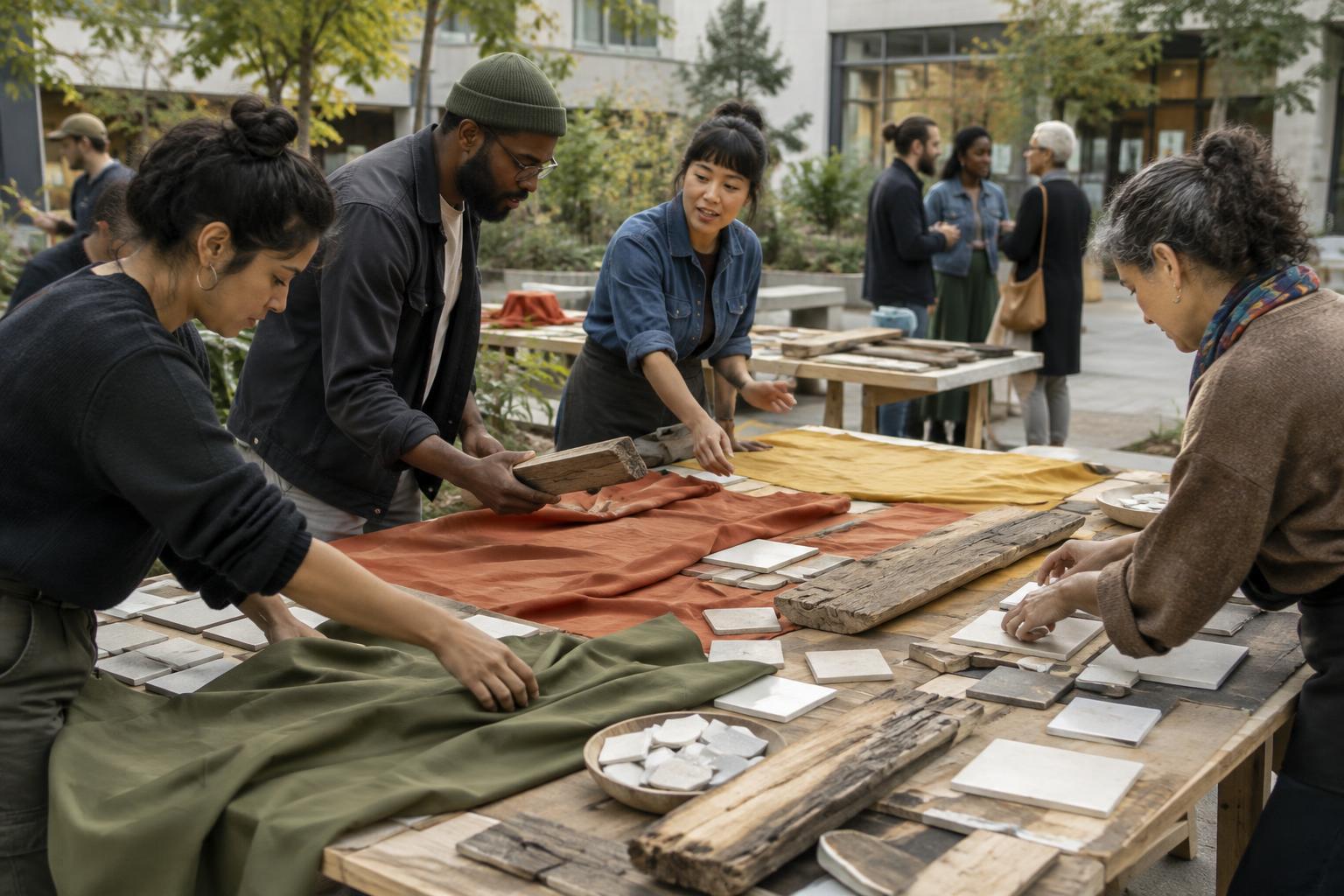
Contemporary ArtSocial practice art and activism can both bring people together around public issues, but they are not interchangeable. A closer look at their goals, methods, and responsibilities offers a more useful way to understand work that crosses the boundary between art and civic action.
Read article · 4 min↗
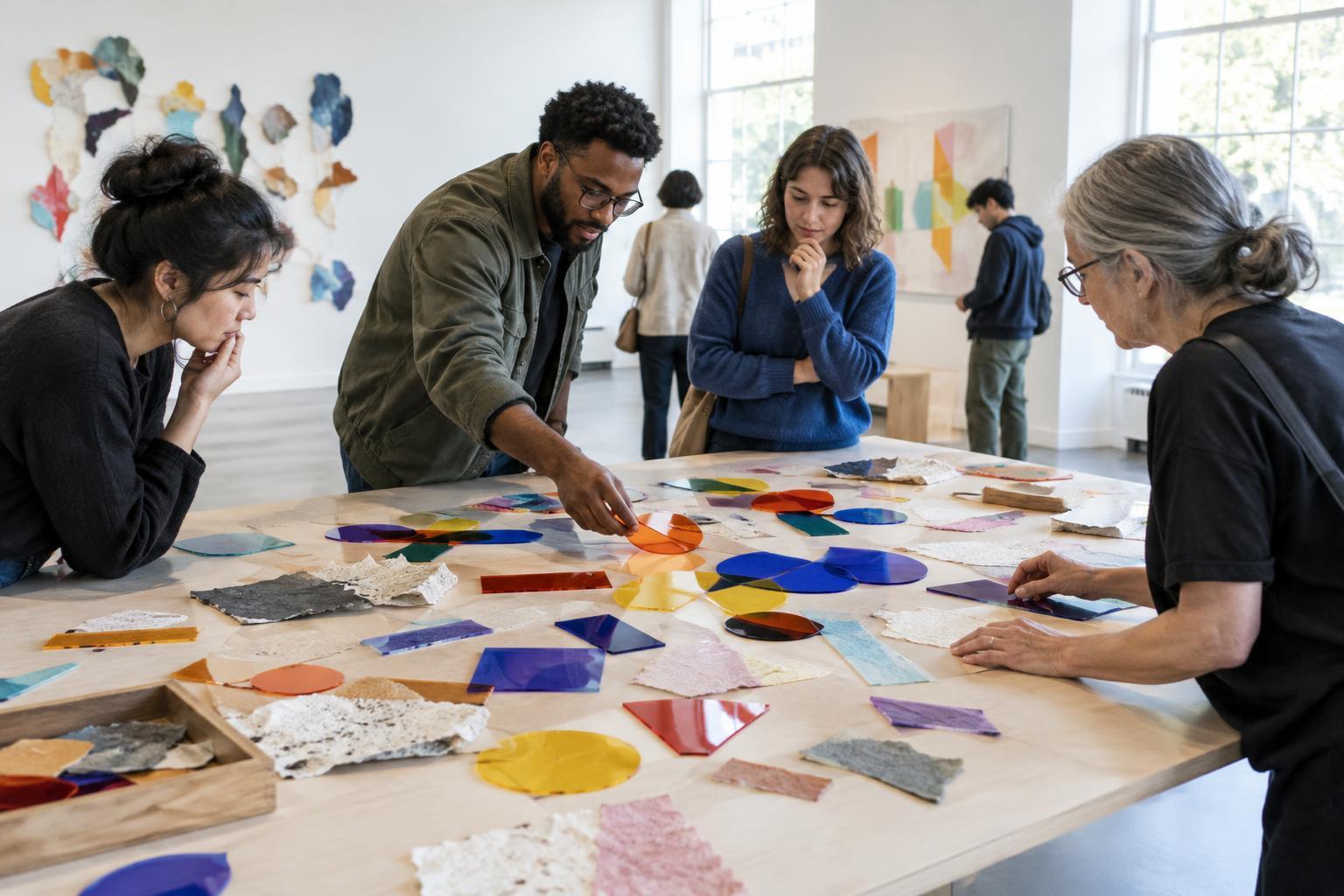
Contemporary ArtWhen visitors help shape an artwork, their choices can change its form, meaning and social dynamics. A practical guide to looking at participation, from the invitation to take part to the traces left behind.
Read article · 4 min↗
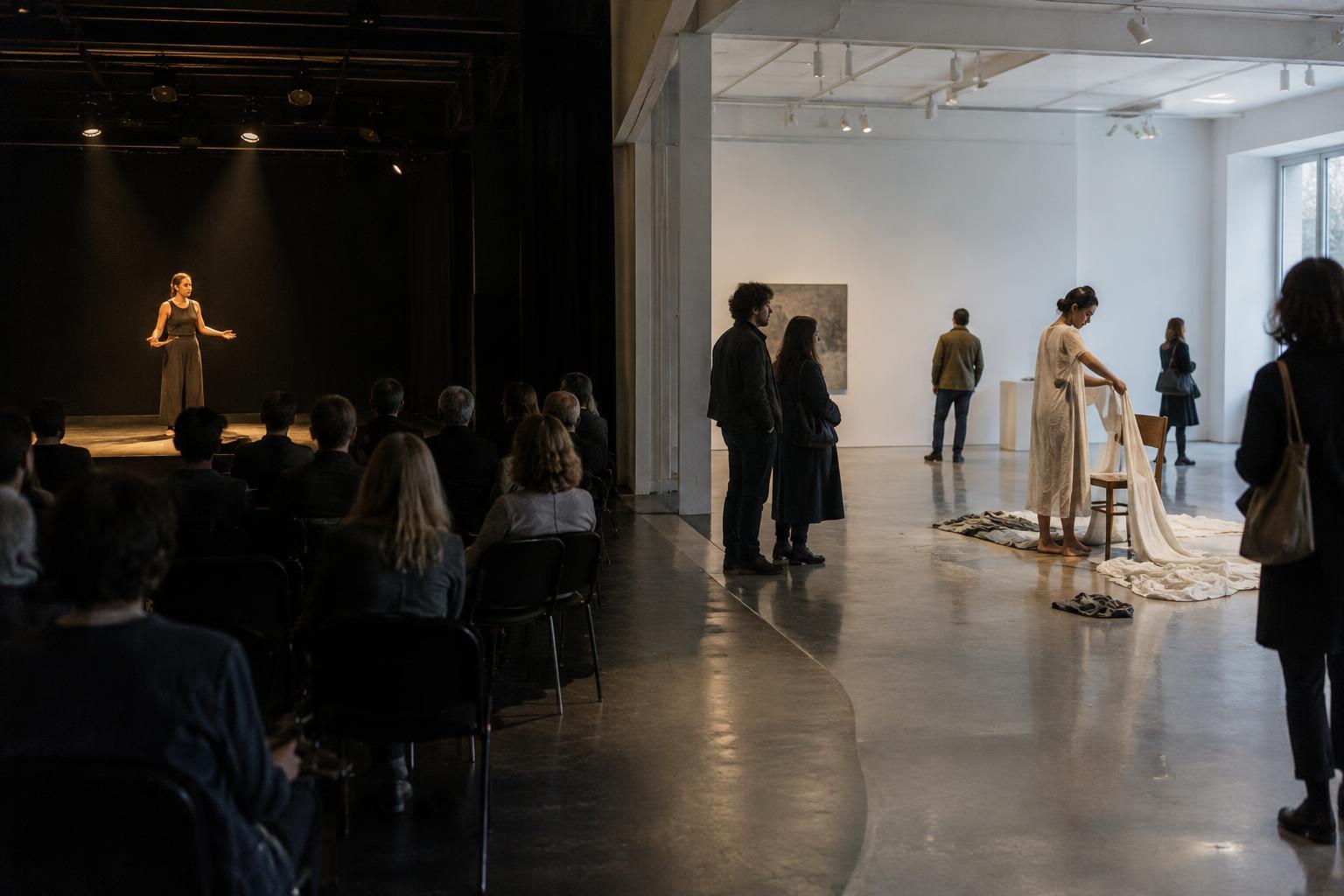
Contemporary ArtPerformance art and theater both bring people together around live action, but they often ask audiences to pay attention in different ways. A guide to their approaches to character, space, time and participation, with room for the many works that cross the boundary.
Read article · 4 min↗
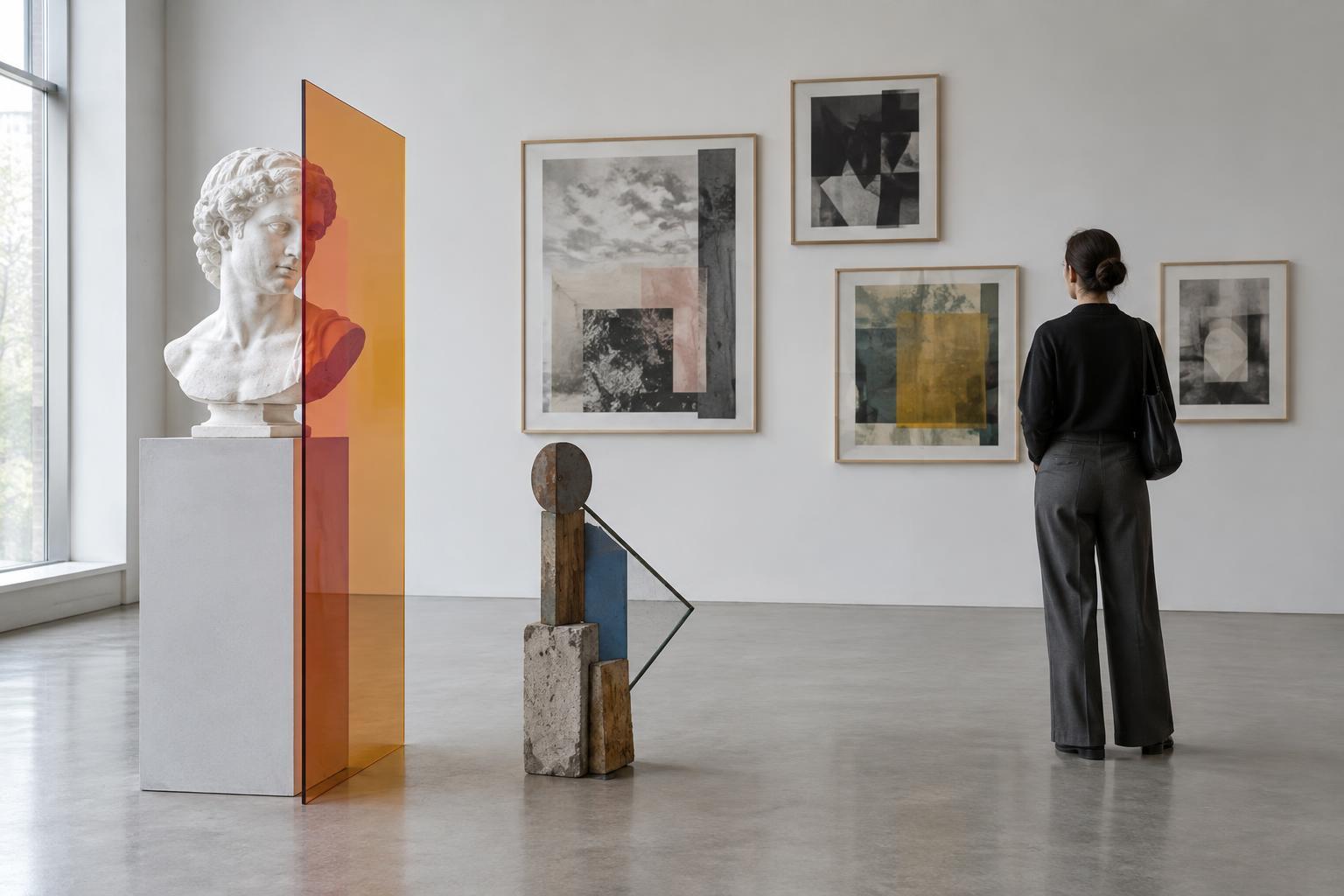
Contemporary ArtPostmodernism can sound like a theory you need to master before entering a gallery. In practice, it offers a few useful ways to look: notice borrowed images, mixed styles, competing meanings and the role of context. This guide explains those ideas in everyday language and shows how to use them when viewing contemporary art.
Read article · 4 min↗
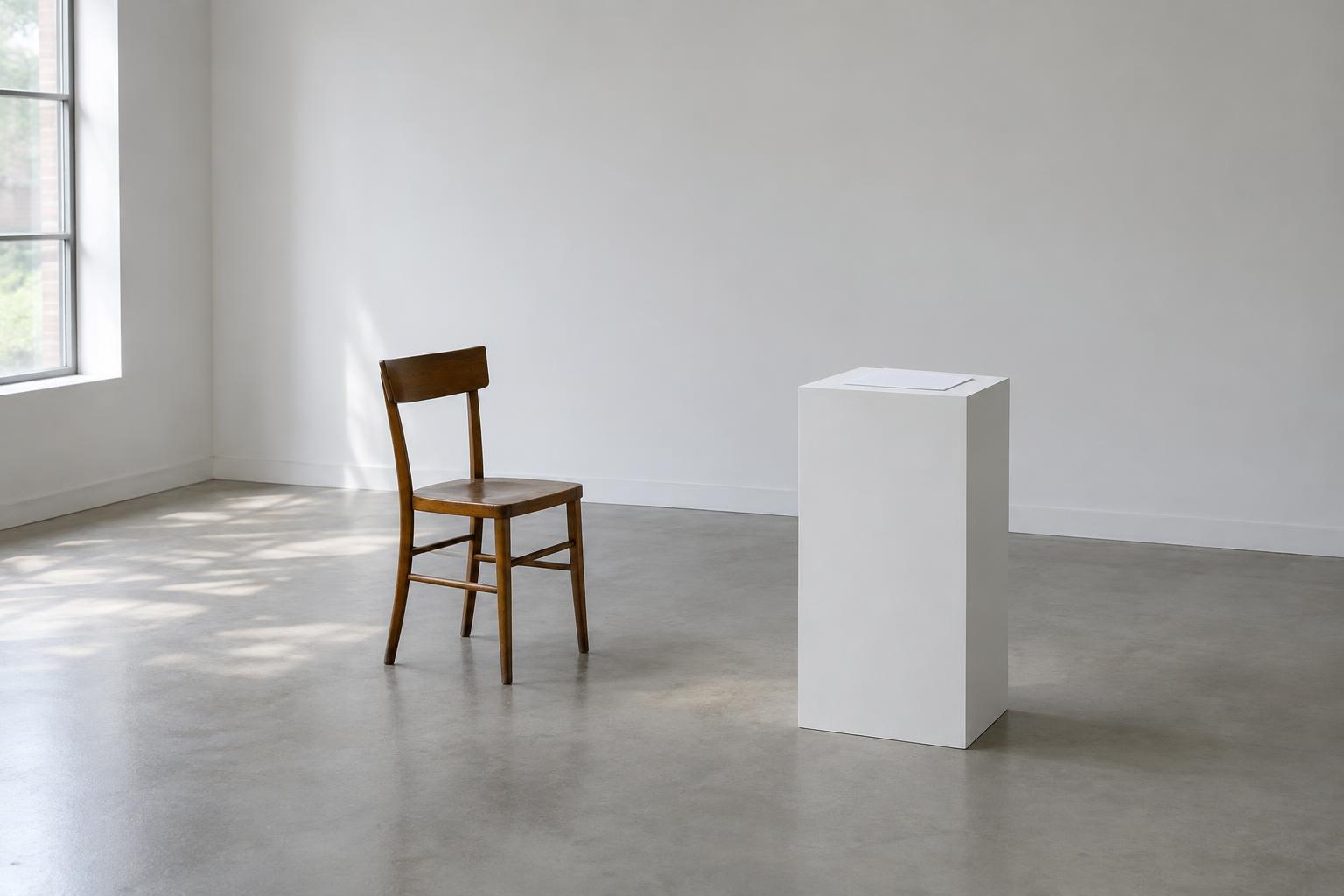
Contemporary ArtConceptual art can take the form of an object, a set of instructions, a photograph or an action. What connects these works is the central role of an idea. Learn how to approach conceptual art by looking at its choices, context and effects.
Read article · 4 min↗
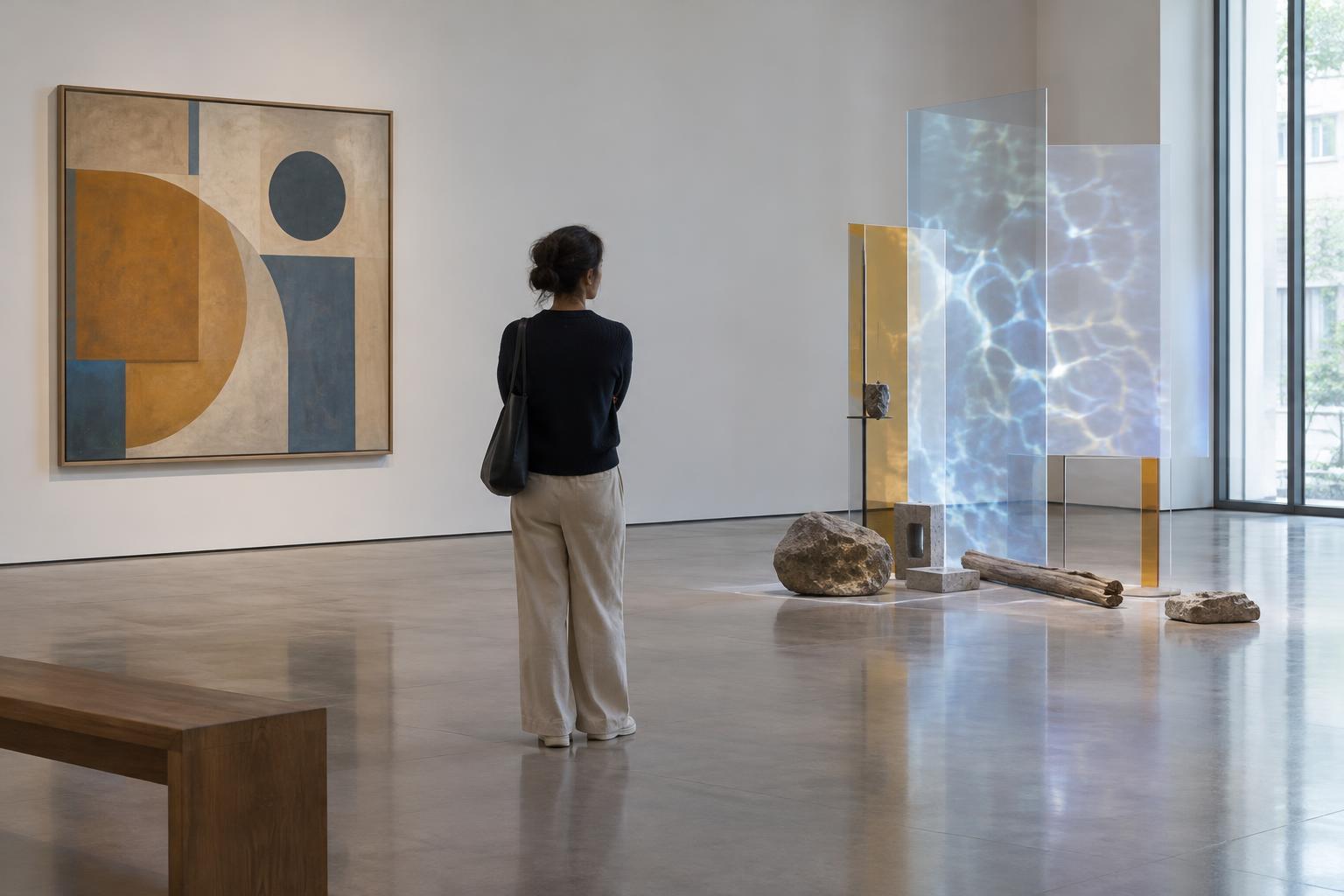
Contemporary Art“Modern” and “contemporary” can both sound like ways to say “new,” but in art they point to different histories and habits of looking. Here is a practical guide to the distinction, its blurry boundary, and why the labels still matter in a gallery.
Read article · 4 min↗
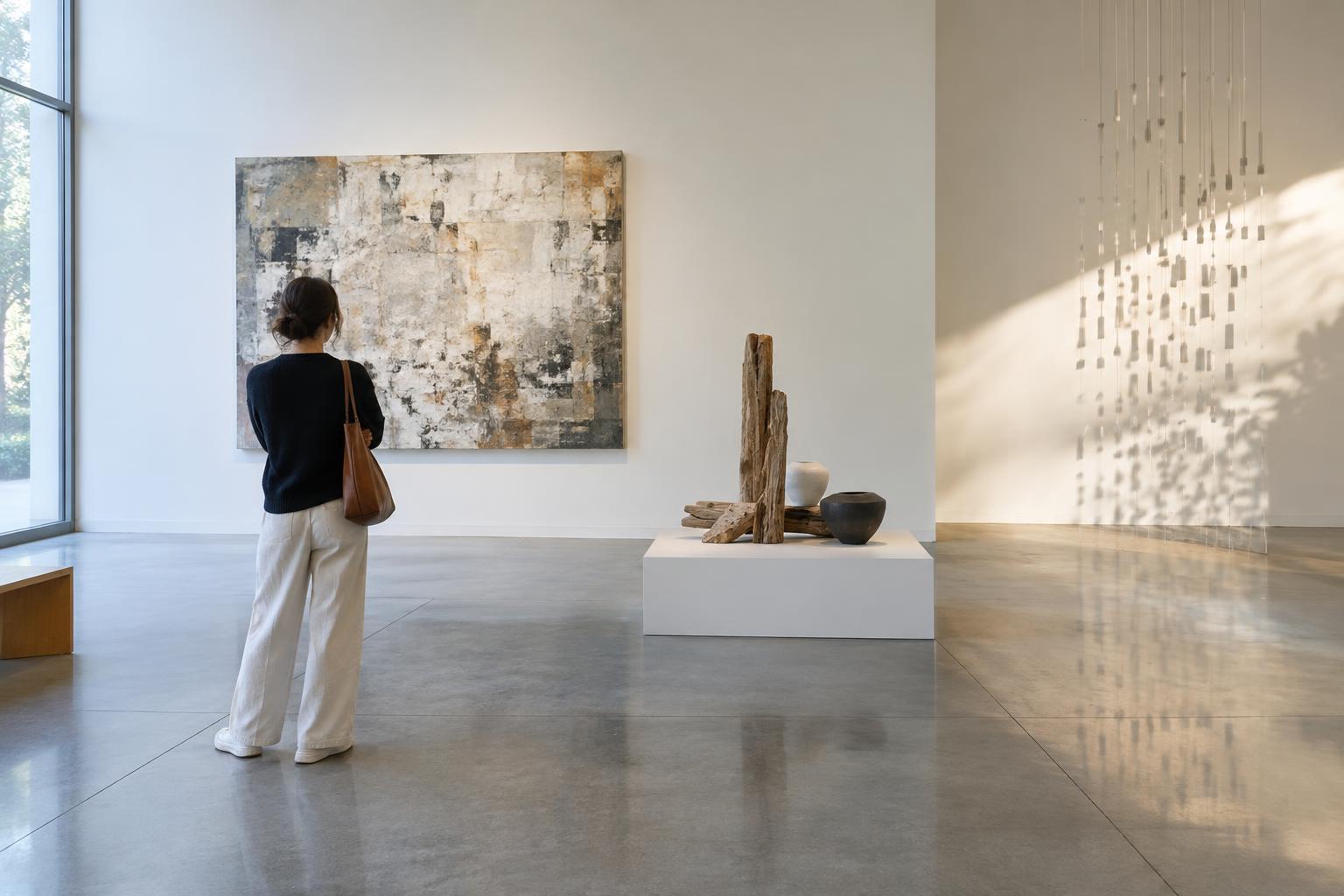
Contemporary ArtContemporary art is more than art made recently. This guide explains how the term relates to time, ideas, materials and context, with simple questions to help you approach unfamiliar work.
Read article · 4 min↗
 Contemporary Art